Kiribati
Abaiang
At high tide the sea surrounds Tebunginako's church; the village choir times services around it.
Twice a day the tide pours into a channel behind old Tebunginako and the church and its giant concrete maneaba become an island. The congregation still sings there, watching the water, timing the hymns to the sea. Behind them, the village that moved inland gets on with fishing, weaving and the work of staying.
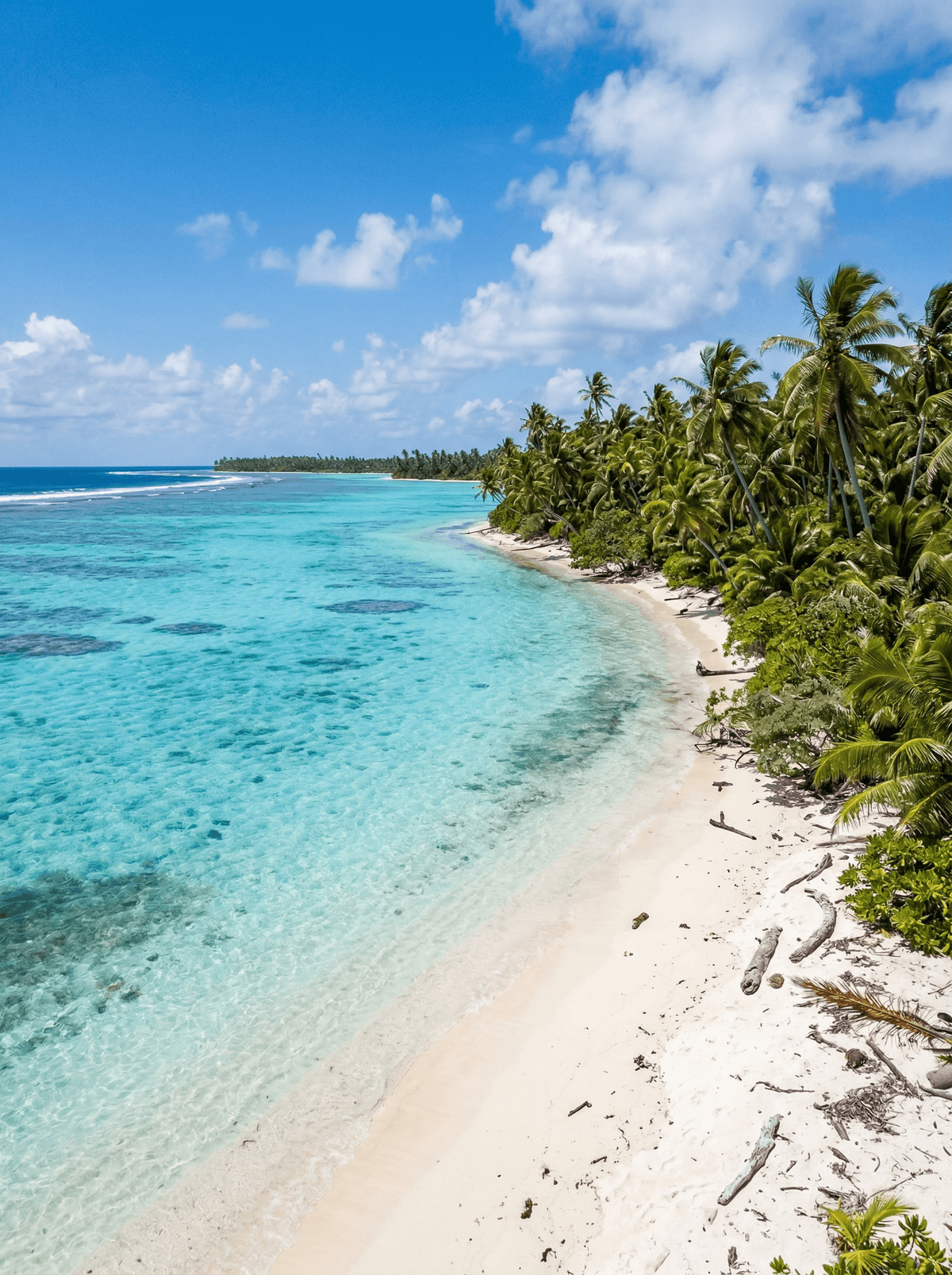
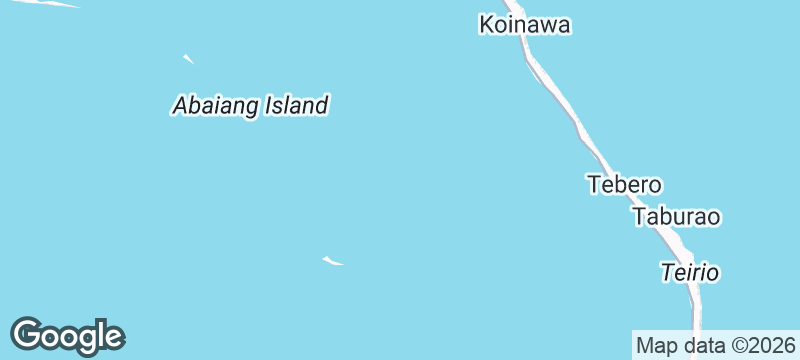
Hundreds of people once lived at Tebunginako on Abaiang's western shore; the children spent so long in the water the village called them red hairs. Then the shoreline moved. Government records measure an inland shift of about 80 metres, dozens of homes were lost, and the community rebuilt about 50 metres back, then had to move again when that was not far enough. Only the weathered church and maneaba still stand on the old ground, cut off at every high tide. The story is not a drowned ruin but a working atoll adapting in real time; Abaiang was chosen as the first island in Kiribati's Whole of Island adaptation programme. A short scheduled flight or a boat across from Tarawa lands you in villages of thatched, open-sided compounds beside a pale green lagoon, where visitors are still met with food and conversation.
Solo
Come with time and a local host: walk out towards the old church at low water, hear how the moves are remembered by the people who made them, then let the lagoon end the day gently.
Couple
Stay at Terau Beach Bungalow's solar-lit huts, swim the translucent lagoon shallows and give Tebunginako's story the unhurried attention it deserves rather than a photo stop.
- At high tide the remains of old Tebunginako, its church and giant concrete maneaba, are surrounded by the sea and become an island; services are timed around the water.
- Kiribati government records document a roughly 80-metre inland shift of the coastline at Tebunginako, and Abaiang was selected as the first atoll for the national Whole of Island adaptation approach.
- Scheduled flights from Tarawa make this outer atoll one of the easiest in the Gilberts to reach.
- The lagoon runs warm, pale green and calm along powdery beaches, and village compounds of open-sided thatched huts still welcome visitors with food and conversation.
Terau Beach Bungalow serves buffet dinners built around the lagoon's seafood, with breakfast included in the stay and lunch laid on when you ask ahead.
Te karewe, sweet toddy sap cut morning and evening from the coconut spathe, is the daily drink of the Gilberts; try it fresh before it ferments into the stronger kind.
Tarrafal de Monte Trigo
Cape Verde
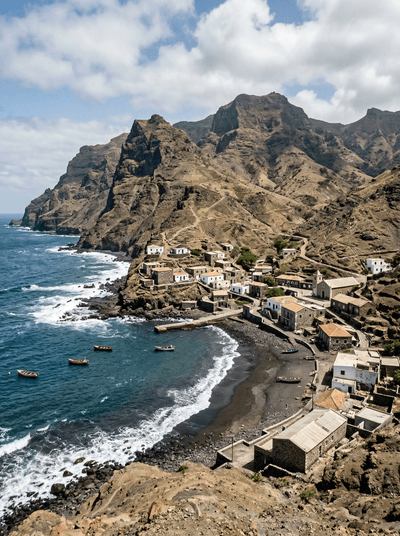
A black-sand cove where the day's menu is written by whatever the fishing boats bring home.
Hongdo
South Korea
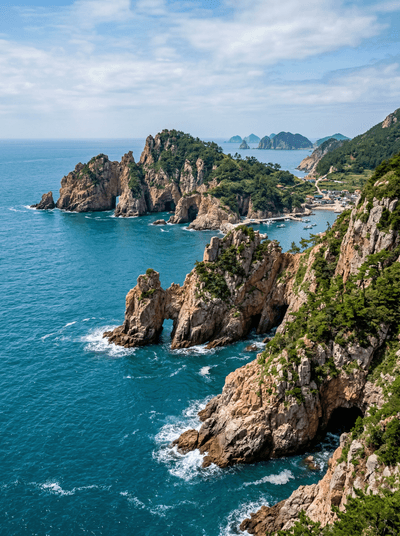
Two hundred metres of red quartzite catch fire at sunset over the sea.
Oki Islands
Japan
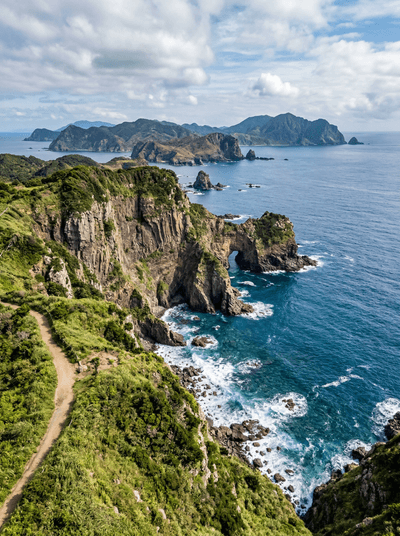
Cliff-girt islands of the Japan Sea where exiled emperors and bull sumo survive.
Betio
Kiribati
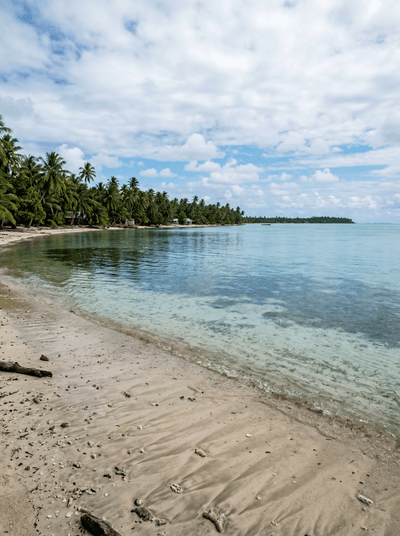
Rusting Japanese guns still point seaward from beaches where a thousand Marines fell in three days.
Kiritimati
Kiribati
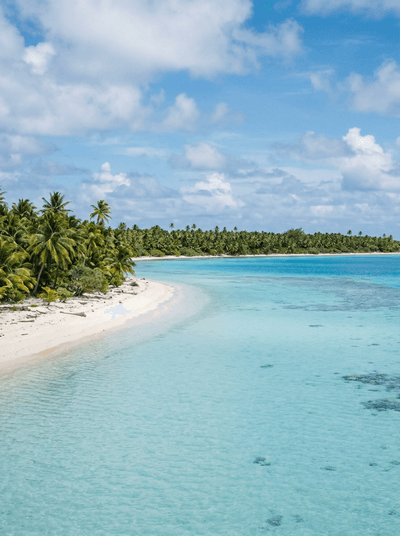
Bonefishers wade endless turquoise flats while millions of seabirds darken the sky above.
Kanton
Kiribati
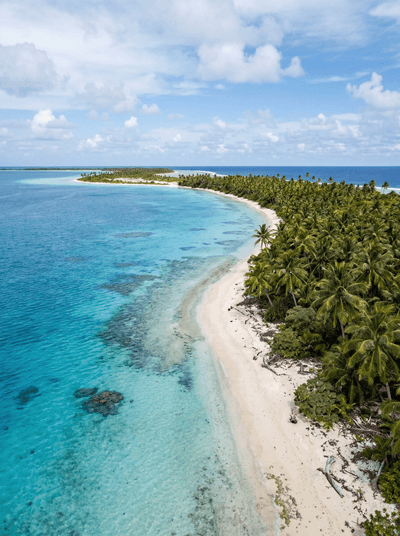
Flying-boat ruins and space-tracking relics rust beside a lagoon kept by forty-one islanders.
North Tarawa
Kiribati
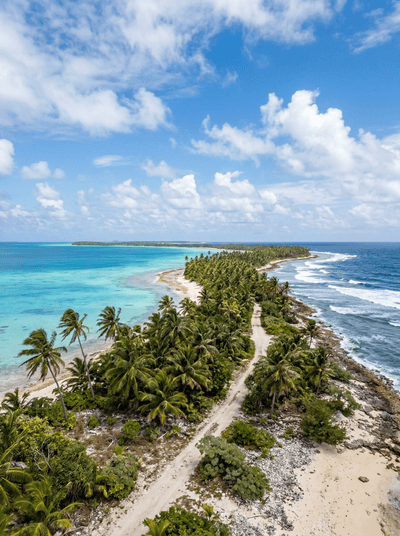
Wade turquoise shallows between villages at low tide; at high water the road becomes a boat.