Kiribati
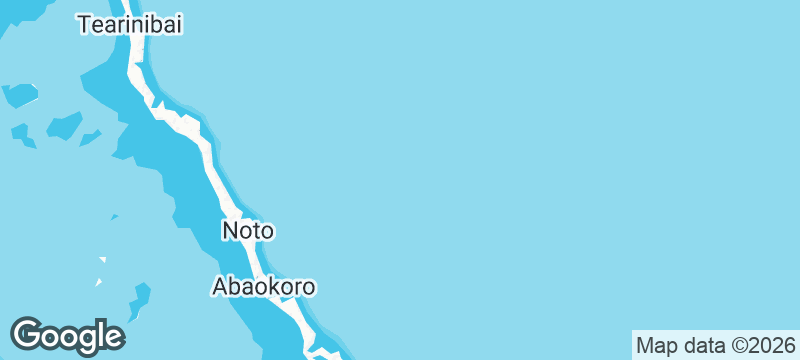
North Tarawa
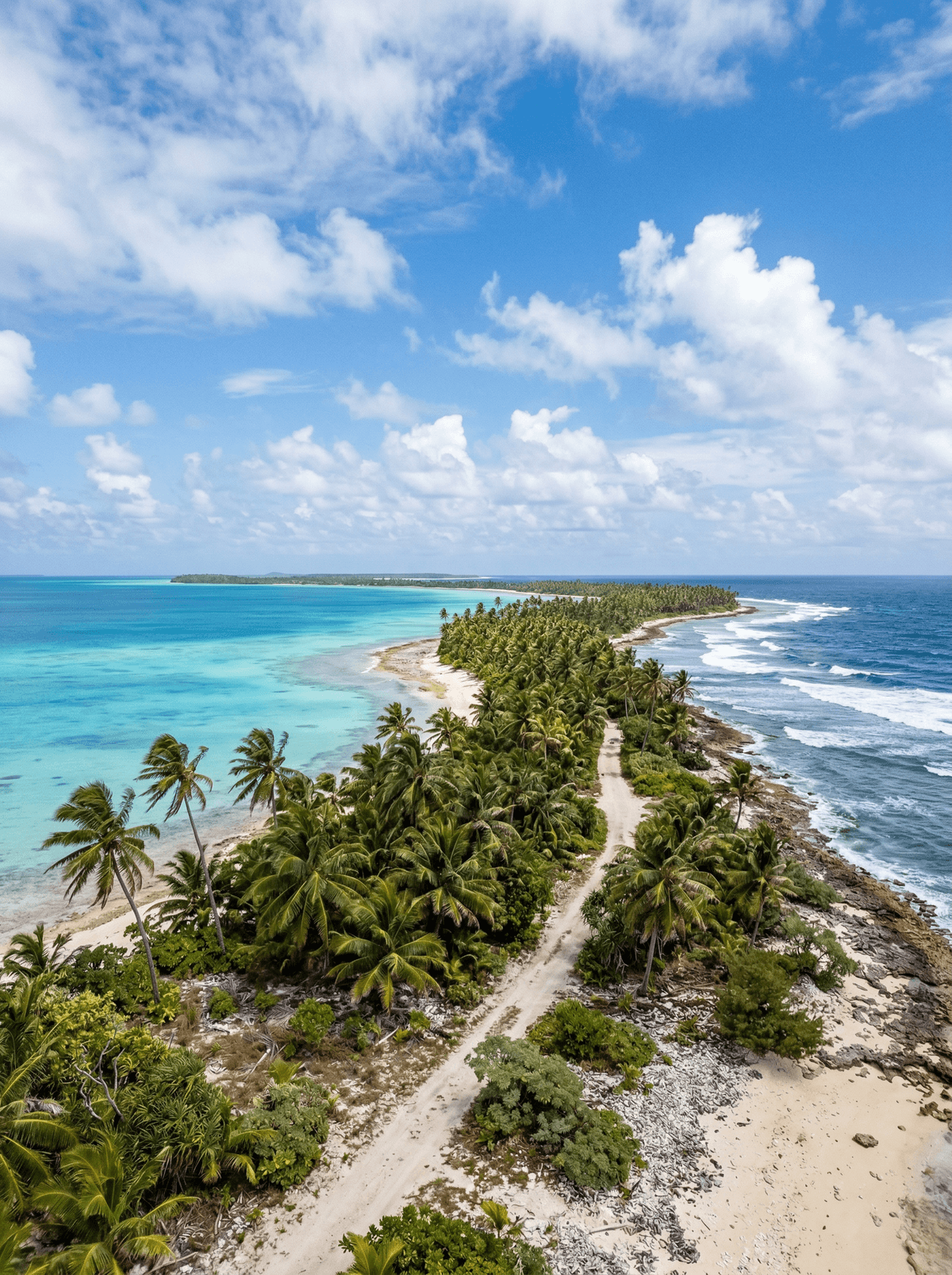
Wade turquoise shallows between villages at low tide; at high water the road becomes a boat.
Warm water climbs past your knees as you wade the channel between Buota and Abatao, the lagoon floor firm underfoot, the air smelling of salt and coconut-husk smoke. North Tarawa runs north in a chain of small islands, and the tide decides when you cross, when you eat and when the boats run.
The paved road from the capital ends at a bridge in Buota; beyond it, North Tarawa's islets are linked by channels walked knee-deep at low tide and crossed by small boats when the sea returns. Nooto-North Tarawa is Kiribati's first Ramsar wetland, a thousand hectares of lagoon, reef flat and one of the country's only mangrove stands, where green turtles nest and bonefish feed on the flats. Village life still centres on the open-sided maneaba, entered through your hosts and their protocols. At Tabon Te Keekee on Abatao, thatched buia huts stand over the water on wooden walkways, open-sided so the breeze moves through while schoolchildren play along the shore.
Couple
Sleep in a buia over the lagoon, wade the channel together at low tide and let the tide table replace the itinerary; this is as unscripted as overwater stays get.
Family
Children cross the knee-deep channel alongside local kids at low tide and take the boat when the water rises; hosted stays fold everyone into village days of fishing, weaving and reef walks.
Friends
Share a boat north through the lagoon to the quieter villages, eat what the day's catch decides, and let the crossings, not a fixed route, decide the rhythm.
- The channel between Buota and Abatao is walked knee-deep at low tide, and a small boat carries the crossing at high water, so the tide genuinely shapes every journey north.
- Nooto-North Tarawa is a listed marine and coastal protected area of just over ten square kilometres, taking in lagoon shore, reef flat and mangrove stands.
- Tabon Te Keekee's buia huts stand over the water on wooden walkways, pandanus-thatched and open-sided to the breeze.
- The open-sided maneaba remains the centre of each village's decisions and ceremony; visitors enter village life through their hosts and its protocols.
At Tabon Te Keekee the day's yellowfin arrives in a coconut curry with rice and breadfruit chips, the coconut picked and grated on the spot.
Babai, the giant swamp taro grown slowly in hand-dug pits, comes out of the earth oven with coconut cream for feasts; being served it is a mark of respect.
Watamu
Kenya
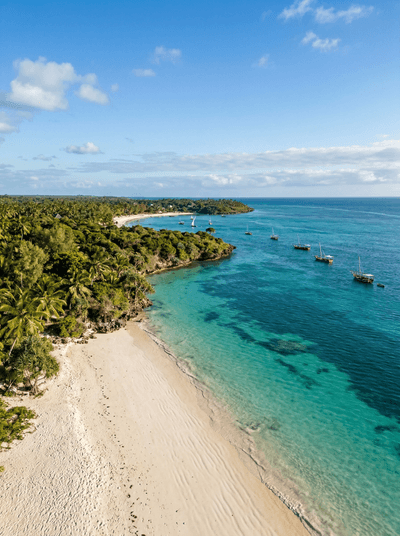
Turtles come ashore beside reefs being coaxed back to life in Kenya's oldest marine park.
iSimangaliso Wetland Park
South Africa
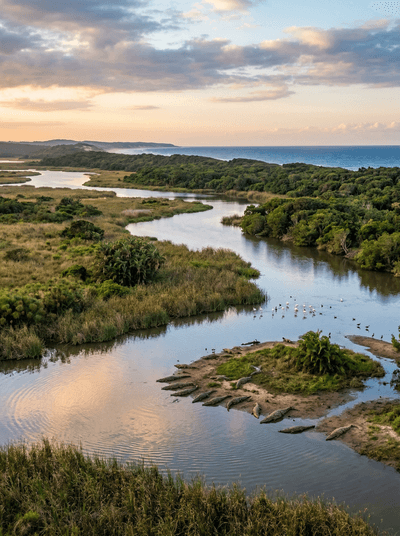
Hippos surface in an estuary beside dune forest, beaches and reefs on one protected coast.
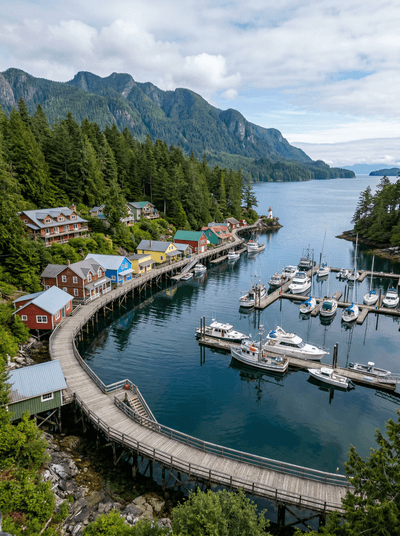
Telegraph Cove
Canada
A boardwalk village on stilts faces water where orcas pass close enough to hear.
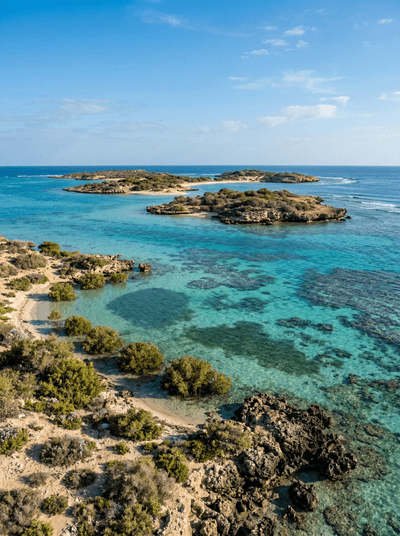
Farasan Islands
Saudi Arabia
Gazelles graze between Ottoman ruins on a Red Sea archipelago ringed by living coral.
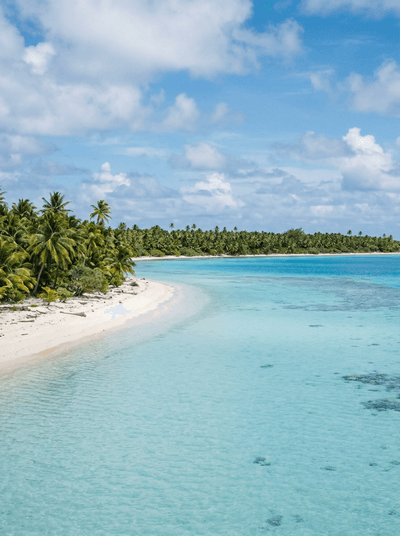
Kiritimati
Kiribati
Bonefishers wade endless turquoise flats while millions of seabirds darken the sky above.
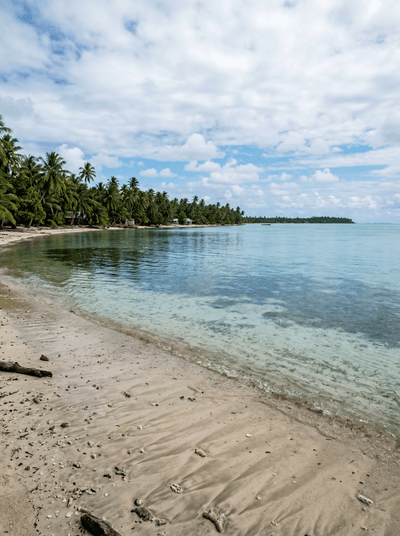
Betio
Kiribati
Rusting Japanese guns still point seaward from beaches where a thousand Marines fell in three days.
Kanton
Kiribati
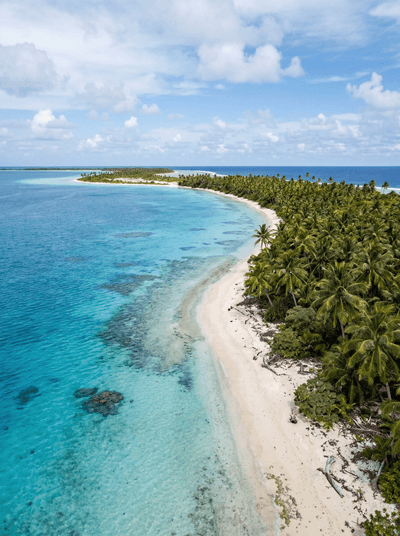
Flying-boat ruins and space-tracking relics rust beside a lagoon kept by forty-one islanders.
Abaiang
Kiribati
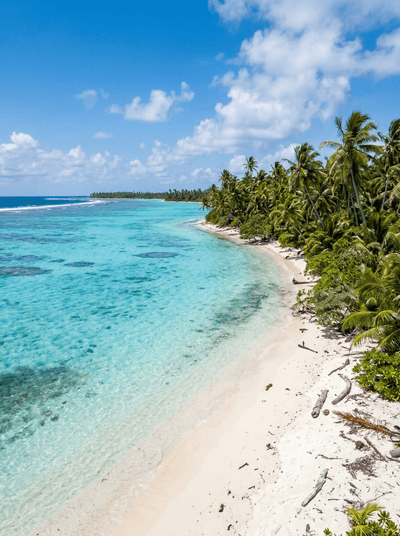
At high tide the sea surrounds Tebunginako's church; the village choir times services around it.