Argentina
Parque Nacional Calilegua
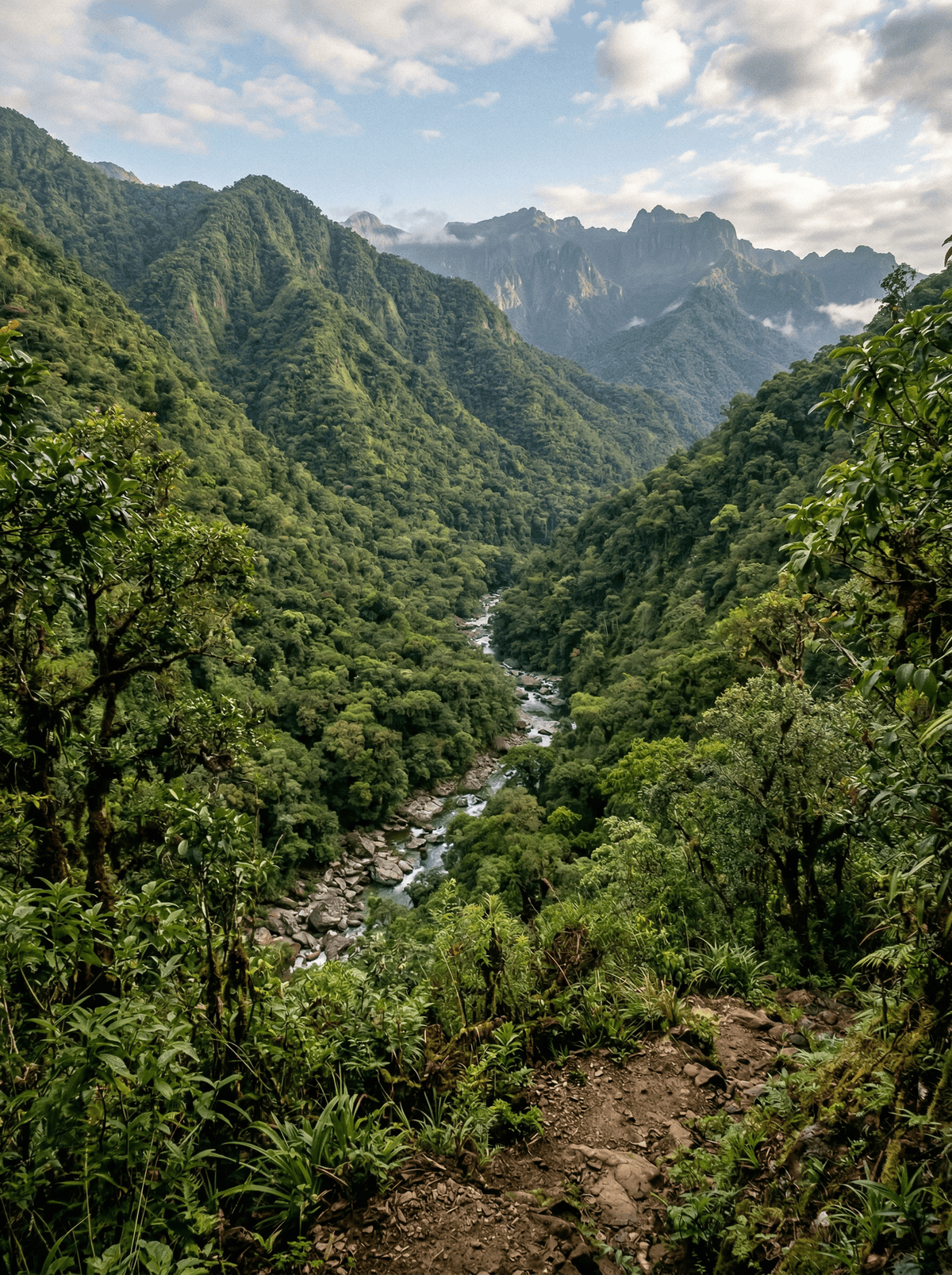
Cloud forest draped in moss where jaguars still prowl a jungle climbing from the Chaco.
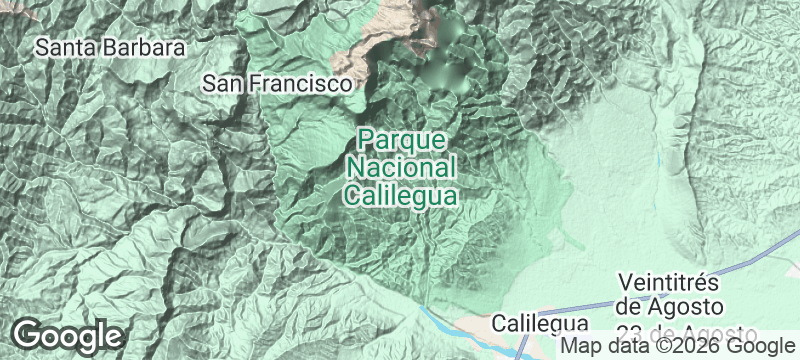
Calilegua is Argentina's great subtropical mountain forest park — a vertical gradient from lowland yungas near 400 metres to grasslands above 3,000, crossing distinct ecosystems in under forty kilometres. It protects Jujuy's last contiguous tract of Yungas, the cloud-forest biome running down from Bolivia, and the transitions are dense enough that a single ridge holds different birds and mammals within a few hundred metres of elevation.
The park's 76,000 hectares hold the Argentine sector of one of the hemisphere's most biodiverse biomes: jaguars confirmed by camera trap in the lower yungas, tapirs, peccaries and several hundred bird species layered by altitude. The provincial road through the park is the spine of the visit, ascending through cloud forest where bromeliads, orchids and ferns upholster every trunk and the cloud sits so persistently that some species live within a vertical band two hundred metres thin. The formal trail system is minimal, backcountry camping needs a permit, and the wildlife economy runs on patience — creek crossings, dawn, silence. The jaguar presence is real; an encounter asks days of quiet movement and promises nothing, which is precisely the correct arrangement.
Solo
Best absorbed by moving slowly up the gradient — stopping at the cloud line where the forest changes character, lingering at creek crossings where wildlife concentrates — with the jaguar's realness felt rather than seen.
Friends
A birding group camped in the park and working the altitude belts systematically finds species specific to each zone — jungle to cloud forest to grassland inside a single day's hike, a sequence with no equivalent in southern Argentina.
- Altitude belts stack distinct vegetation and fauna from lowland jungle to high grassland.
- Camera traps confirm jaguars in the lower yungas — presence documented, sightings unowed.
- Trails climb from subtropical heat into cloud forest cool within a morning's walk.
- Backcountry camping runs on permits, and the provincial road is the park's one spine.
Empanadas jujeñas and humitas in Libertador General San Martín, the gateway town.
Sugar-cane juice squeezed fresh at a roadside trapiche in the lowlands below.
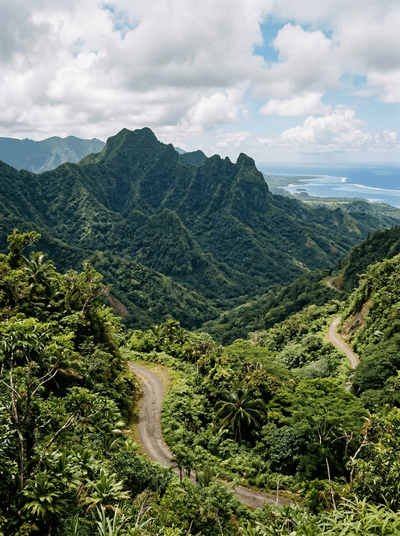
Pohnpei Highlands
Micronesia
Waterfalls spilling from cloud forest drenched by three hundred inches of rain each year.
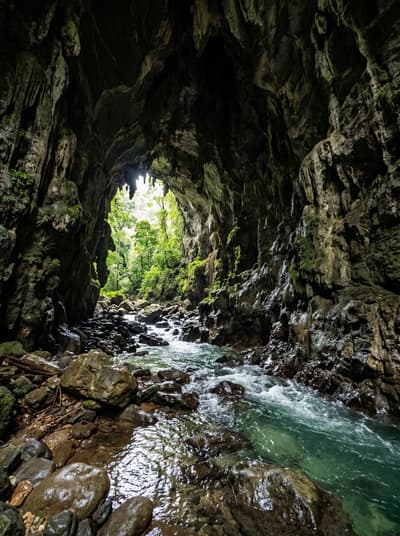
Millennium Cave
Vanuatu
Enter the cave on foot; leave it swimming down a jungle gorge.
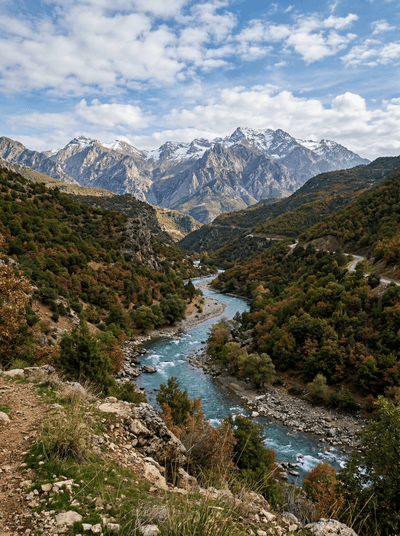
Munzur Valley
Turkey
Crystalline springs feeding ice-blue pools in a gorge where brown bears still roam undisturbed.
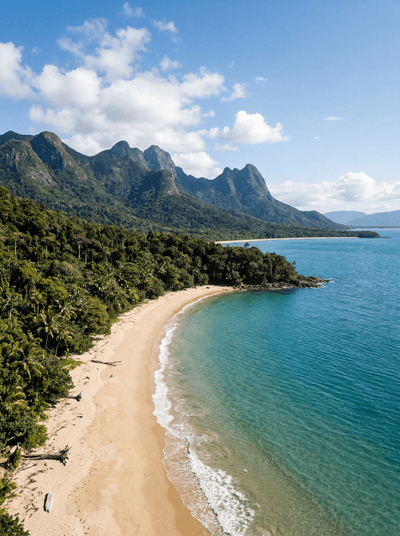
Hinchinbrook Island
Australia
Tidal creeks, rainforest and granite ridges turn one island trail into a self-sufficient expedition.
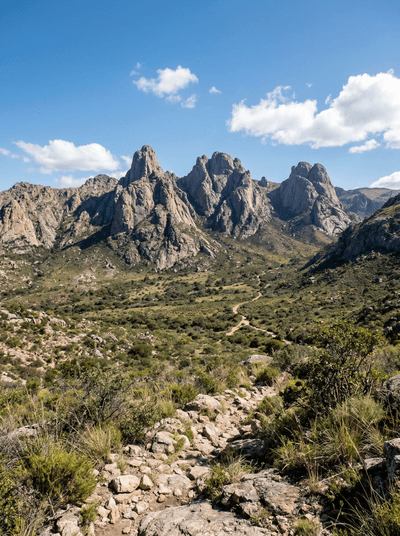
Los Gigantes
Argentina
Red granite monoliths rise from the Córdoba sierras like fingers of a buried colossus.
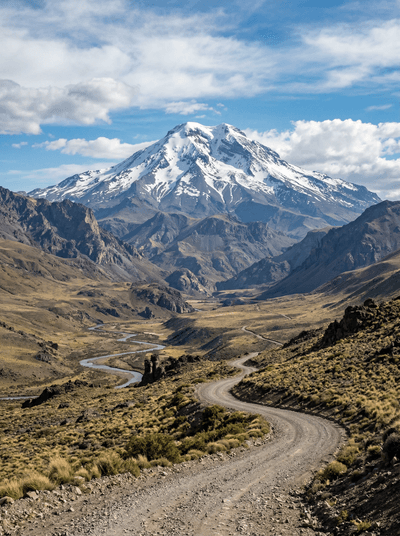
Volcán Domuyo
Argentina
Patagonia's highest peak, ringed by hot springs and steam vents almost nobody visits.
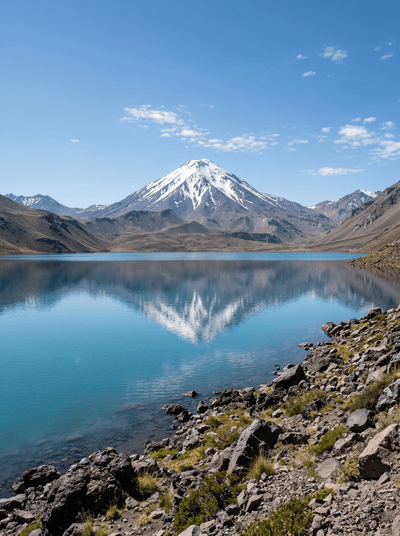
Laguna del Diamante
Argentina
A lagoon at 3,300 metres mirroring a volcanic cone in water too cold to touch.
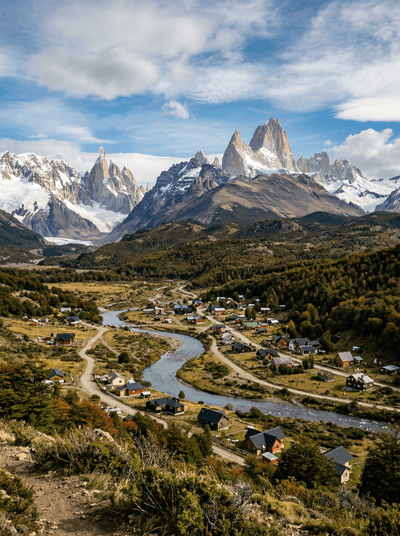
El Chaltén
Argentina
Granite spires pierce Patagonian cloud — condor country of vertical stone and wind.