France
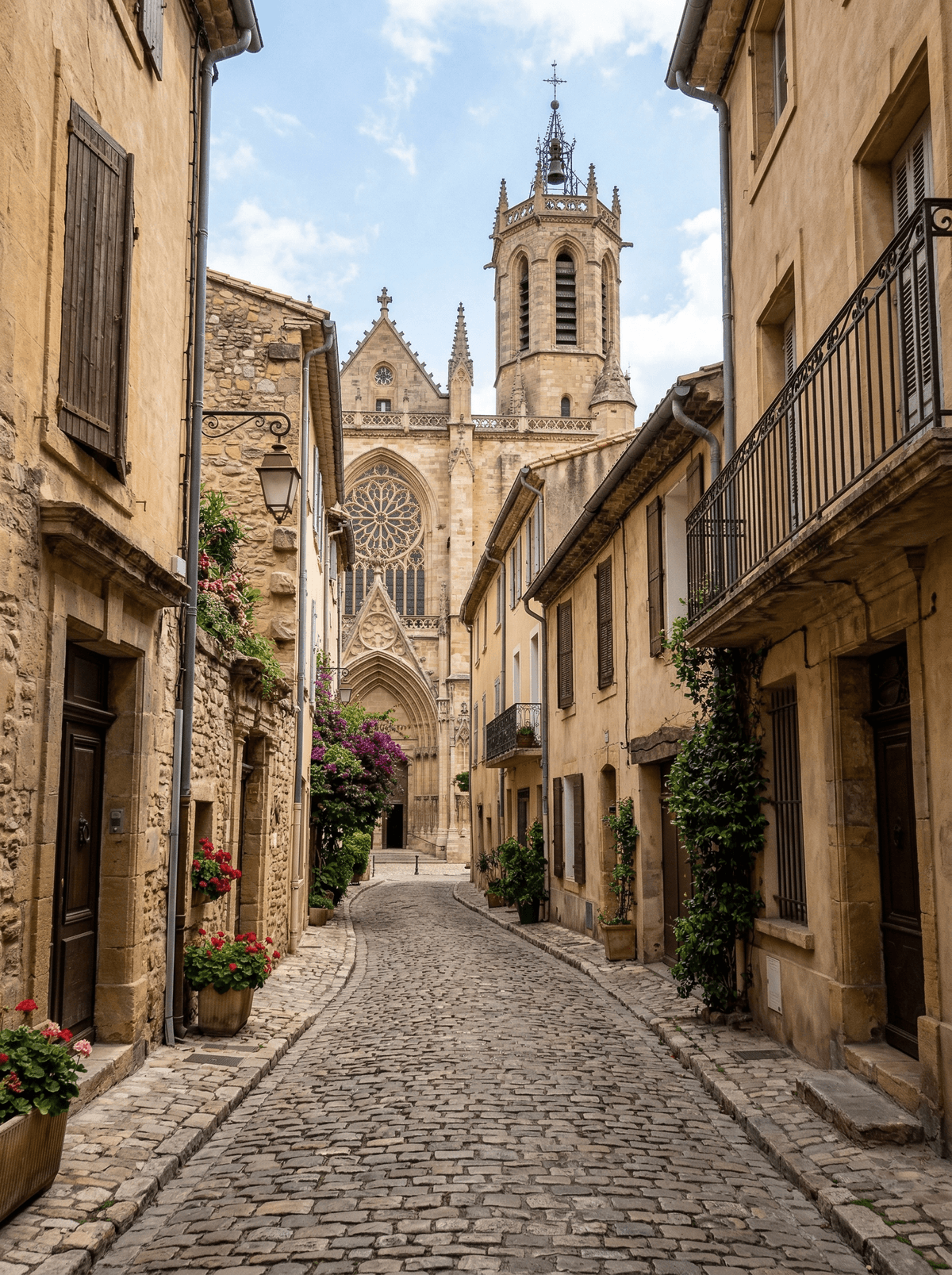
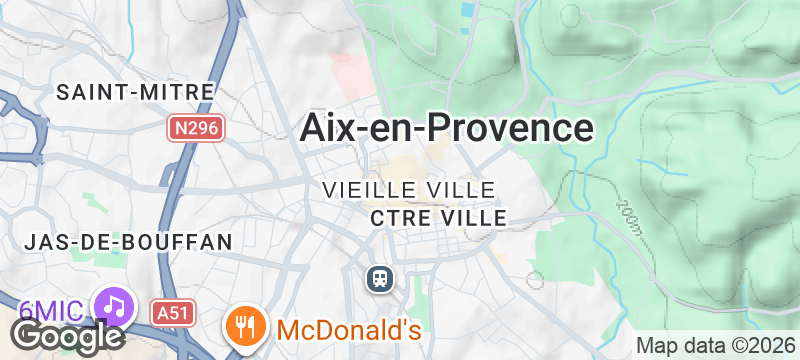
Aix-en-Provence
Plane-tree canopies dappling fountain-cooled boulevards where Cézanne saw geometry in everything.
Plane trees canopy the Cours Mirabeau so completely that the boulevard becomes a green tunnel, the light filtering through leaves onto café terraces and the murmur of the old fountains — the mossy one steaming in winter with the warm spring water the Romans built the town around. Aix-en-Provence, in the south of France, moves at the pace of espresso and conversation: unhurried, cultured, warm.
The Romans founded Aquae Sextiae on its hot springs, and the water still runs through the fountains. The Cours Mirabeau was laid out in the seventeenth century as a carriage promenade and is lined with the mansions of the same age, gargoyles and wrought iron above the cafés; behind it the Mazarin quarter keeps its quiet squares, and the market squares around the old town fill on market mornings with olives, goat's cheese, lavender and flowers. Paul Cézanne was born here in 1839 and painted the surrounding country for most of his life; his studio on the hill over the town is kept as he left it in 1906, the objects of his still lifes on the shelves, and his mountain, Sainte-Victoire, closes the view from the roads out of town. A university city, Aix keeps its café terraces lively long after the shops close.
Solo
Cézanne's studio, the markets, the fountains and a café terrace on the Cours Mirabeau — Aix is built for the slow, observant day that solo travel does best.
Couple
Morning at the market, afternoon in Cézanne's footsteps, evening in a restaurant in the Mazarin quarter — Aix wraps culture in warmth without ever feeling like a lesson.
Friends
The university keeps the bars and restaurants lively late, and the old-quarter wine bars pour Provençal rosé alongside charcuterie boards that keep the conversation going.
- Plane trees canopy the Cours Mirabeau so completely that summer feels cooler underneath, the old fountains murmuring along its length.
- Cézanne's studio above the town is kept as he left it — the jugs and skulls of his still lifes on the same shelves, in the same light.
- Market mornings fill the old-town squares with olives, goat's cheese, lavender and calissons within earshot of the fountains.
- A university city, so the café terraces keep their energy long after the shops shut and Aix never feels like a museum town.
Calissons — diamond-shaped sweets of ground almond and candied melon under a sheet of rice paper — Aix's edible icon.
Provençal olives and a round of fresh goat's cheese from the market, eaten on a bench by the fountain.
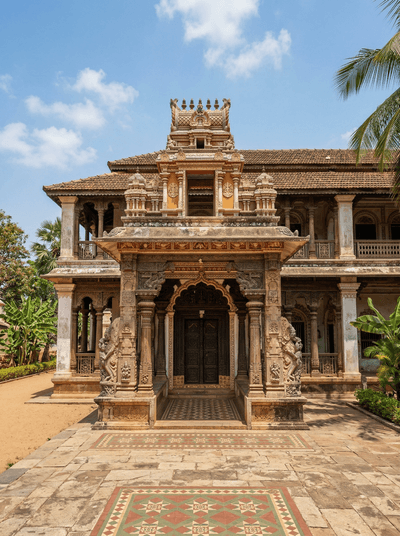
Chettinad
India
Seventy-three villages hiding mansions built with Burmese teak, Italian marble, and immense spice wealth.
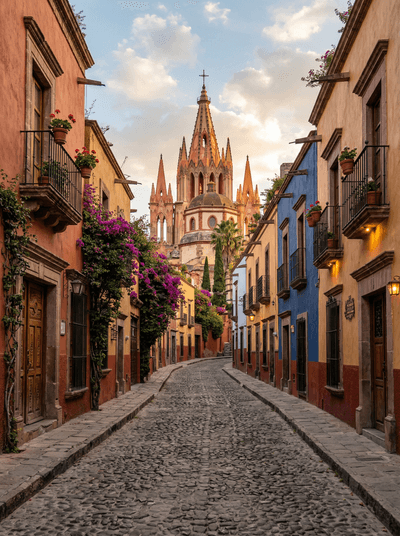
San Miguel de Allende
Mexico
Colonial light turns pink at dusk, every doorway hiding an artist's courtyard.
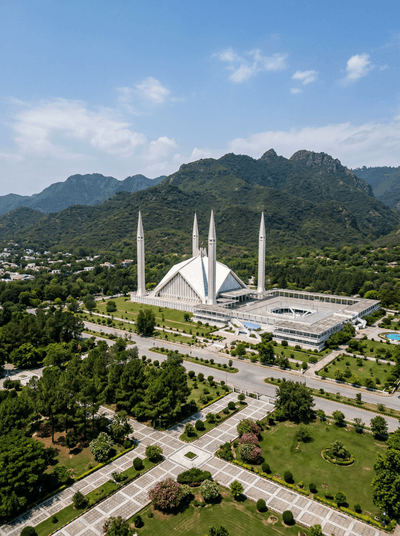
Islamabad
Pakistan
Wild leopards prowl forested hills behind a mosque shaped like a Bedouin tent in white marble.
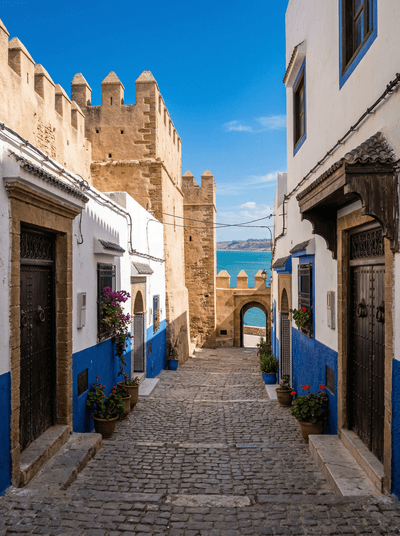
Rabat
Morocco
A forty-four-metre minaret still waits for the mosque that died with its sultan.
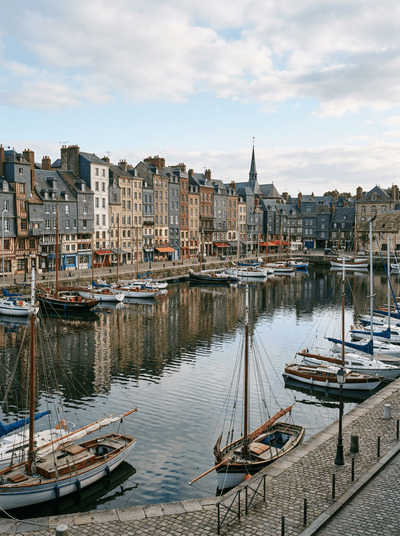
Honfleur
France
Slate-fronted houses mirrored in a harbour that taught the Impressionists how light works.
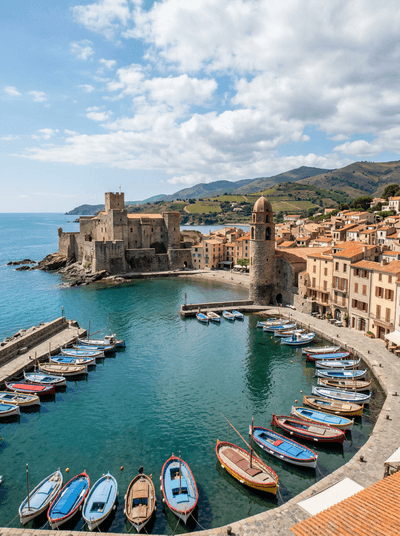
Collioure
France
Matisse's fishing port, where the light bends colour until red boats glow against violet water.
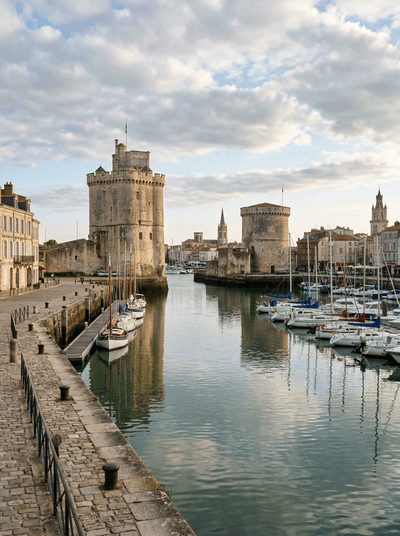
La Rochelle
France
Medieval towers guarding a harbour mouth where a chain once locked out the sea each night.
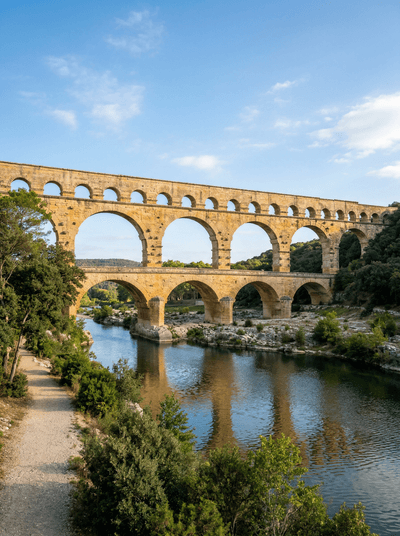
Pont du Gard
France
Three tiers of Roman arches across a gorge, standing without mortar for two thousand years.