France
La Rochelle
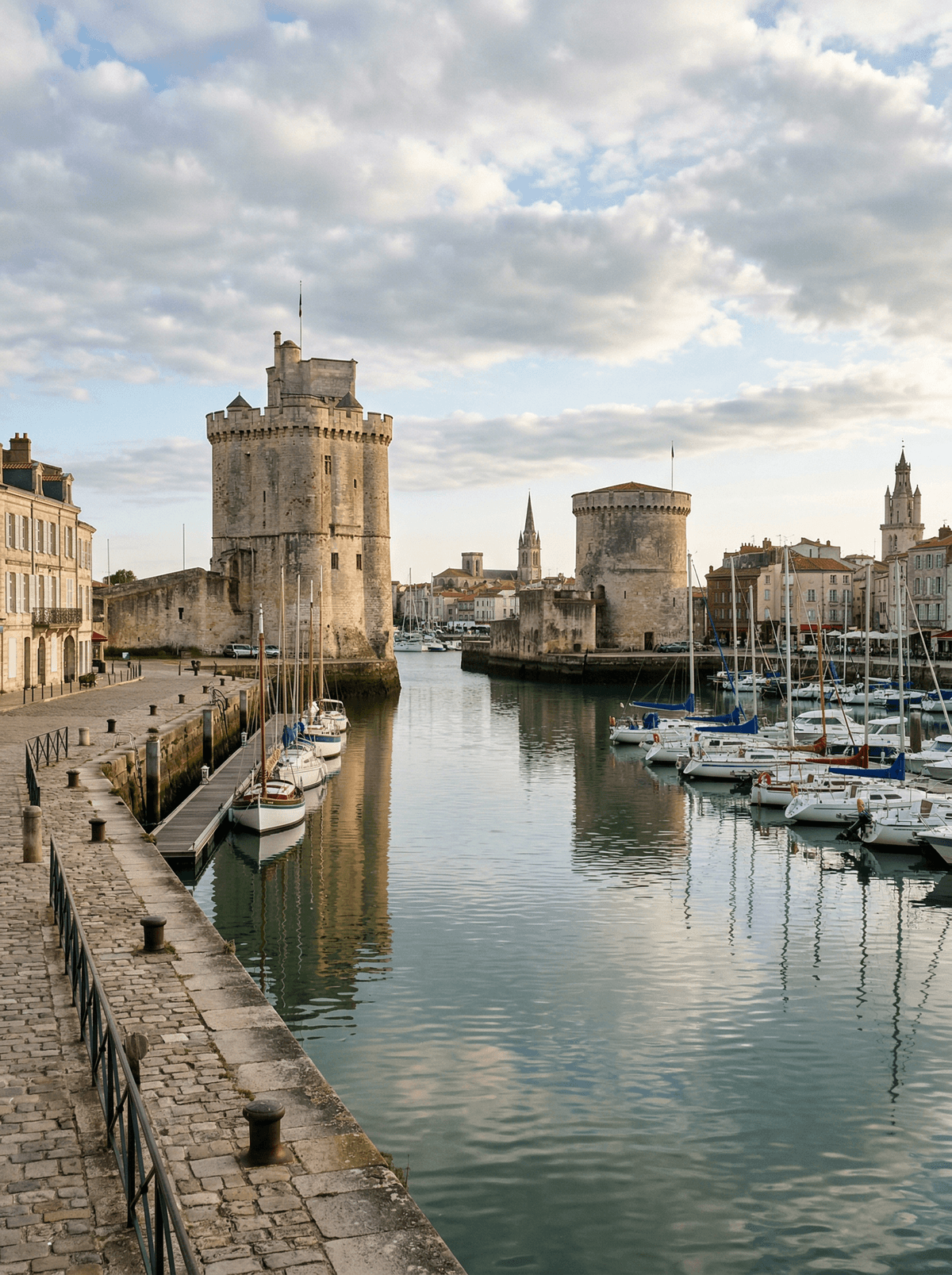
Medieval towers guarding a harbour mouth where a chain once locked out the sea each night.
The towers frame the harbour entrance like stone gateposts, the gap between them just wide enough for the boats that still slip through at dawn. La Rochelle, on France's Atlantic coast, is a port with its defiance intact — Huguenot resistance, a siege survived, and a harbour that has refused to be anything other than itself for centuries — and the arcaded streets behind the quay keep the Atlantic rain off while the restaurants open to the water.
Three towers survive from the medieval defences of the old port: Saint-Nicolas and la Chaîne, both fourteenth-century, flank the harbour mouth where a heavy chain was stretched across the water at night, and la Lanterne stands beyond them. La Rochelle was the Protestant stronghold of the Atlantic, and Cardinal Richelieu's siege of 1627–28 blockaded the port for more than a year, starving the city into submission and ending Huguenot autonomy. Behind the Grosse Horloge clock gate, the old town is half-timbered houses, Renaissance façades and arcaded streets built to shelter merchants and their goods from the weather, with a commercial tradition that runs from the salt and wine trade to the yachts in the marina today. The aquarium on the harbour is among the largest in Europe — sharks, jellyfish and twelve thousand marine animals across three floors — and the Île de Ré is just across the bridge.
Solo
Walk between the towers at dawn when the boats are heading out. The arcaded streets behind the harbour shelter a morning of exploration — bookshops, the market, and a coffee under stone vaulting.
Couple
The old harbour at dusk, with the towers lit and the restaurants spilling tables onto the quay. Mouclade and a Charentais white with the boats rocking gently in the background — the setting needs nothing added.
Family
The aquarium hypnotises all ages — the jellyfish gallery alone stops adults in their tracks. Combine it with the harbour towers, the covered streets and a cycle across the bridge to the Île de Ré for a full day.
- Medieval towers frame the harbour entrance, where a chain was once stretched across the harbour mouth at night — walking between them is a six-hundred-year-old gateway.
- The old port is arcade-lined — restaurants spill tables onto the quay under stone vaulting built to keep off the Atlantic rain.
- The aquarium is among the largest in Europe — the jellyfish gallery alone holds adults still for twenty minutes.
- The Île de Ré is a bicycle ride away across the bridge — salt marshes and white villages within sight of the towers.
Mouclade — mussels in a creamy, lightly curried broth with a splash of Pineau — the Charentais answer to moules marinières.
A plateau of oysters from the beds across the water, eaten on the quay with a cold glass of Pineau.
Sitka
United States
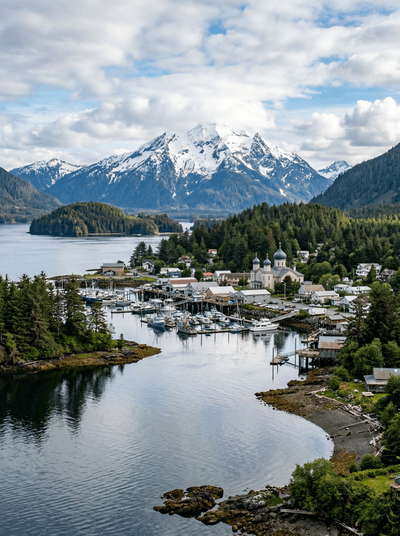
Totem poles and Russian onion domes facing each other across a harbour where humpbacks surface.
Lake Titicaca
Peru
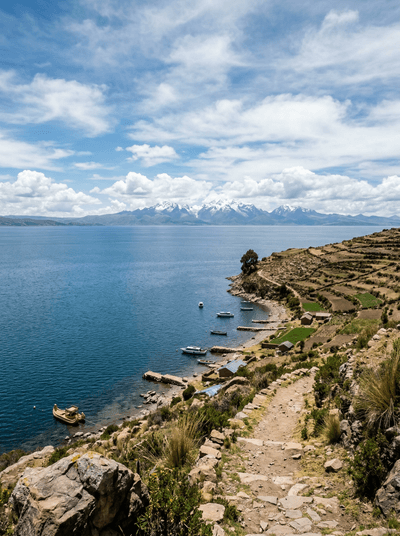
So high the air stings, so still the sky sinks into the water.
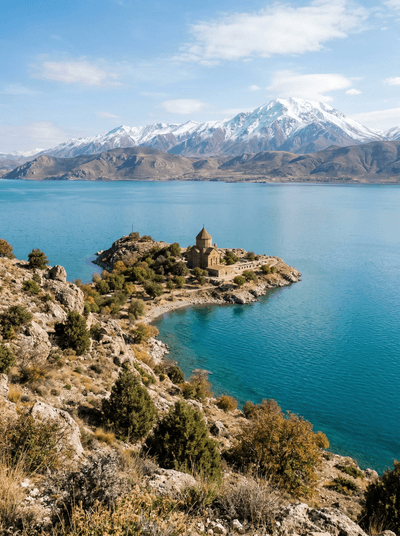
Lake Van
Turkey
A vast soda sea where you float without trying, ringed by snow-capped volcanoes.
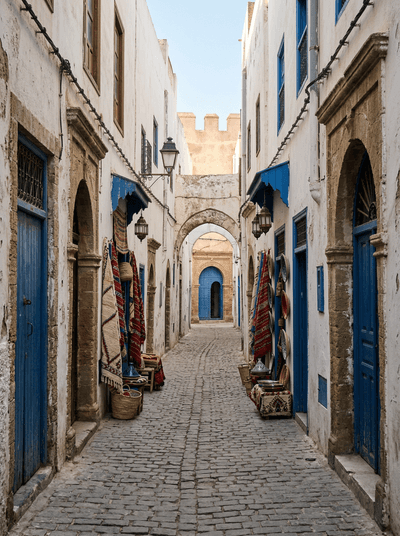
Essaouira
Morocco
Gnaoua rhythms carry a devotional trance through ramparts that once guarded half Morocco's foreign trade.
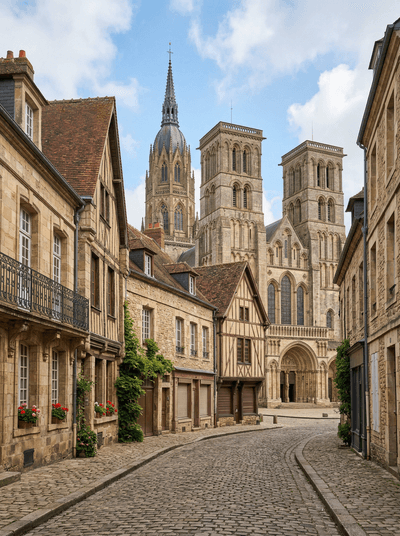
Bayeux
France
The town war forgot to bomb, keeper of the embroidery that stitched 1066.
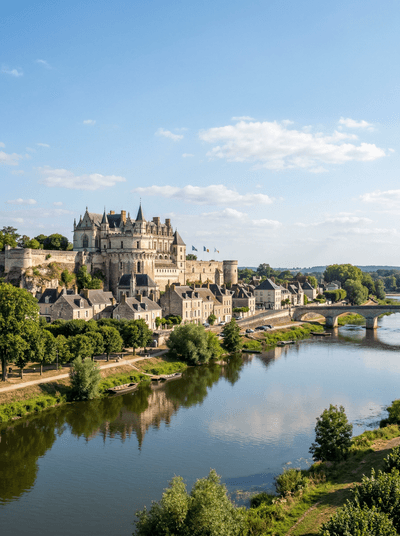
Amboise
France
Leonardo da Vinci's last home, a royal château and caves in the cliff above the Loire.
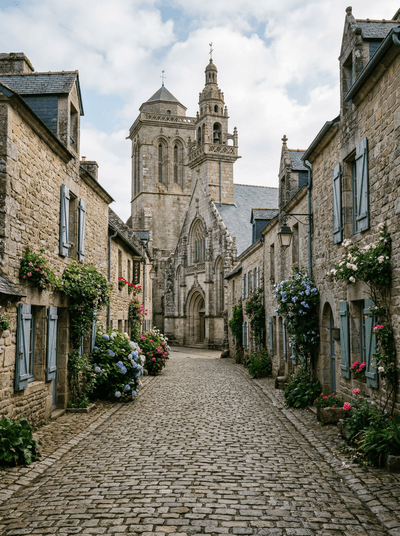
Locronan
France
A granite village frozen in its sailcloth-weaving prime, where the seventeenth century never left.
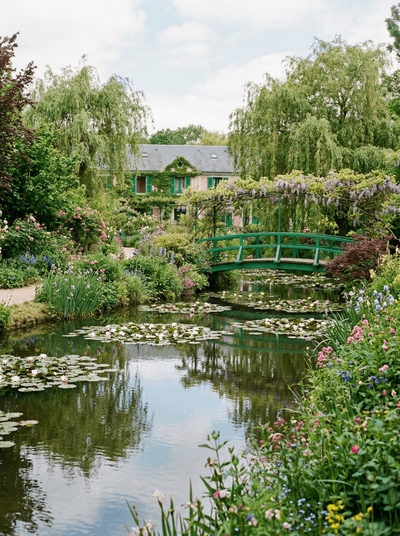
Giverny
France
Water lilies floating on the exact pond Monet painted until his eyes failed him.