Portugal
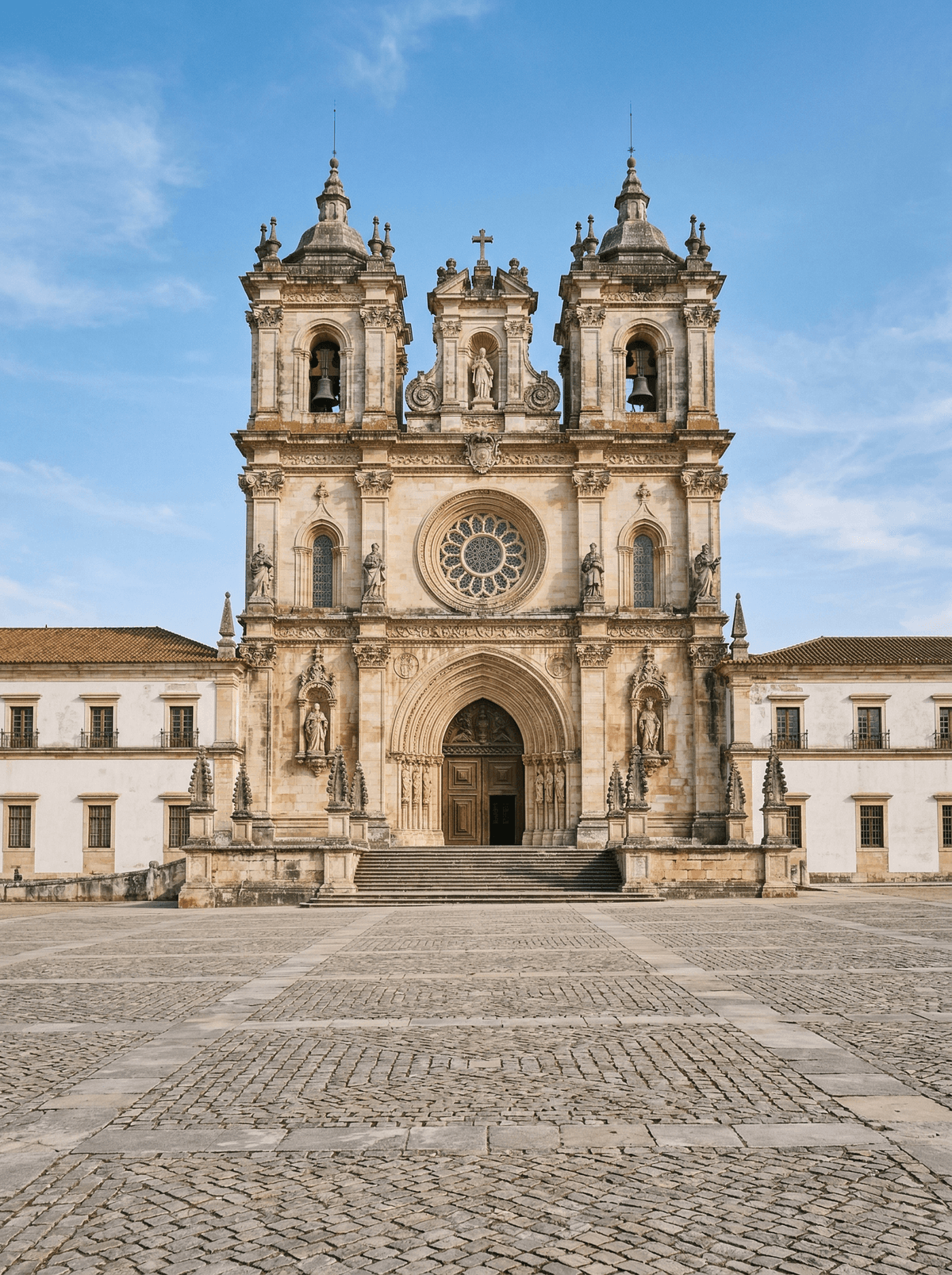
Alcobaça
A monastery with a river through its kitchen and star-crossed lovers buried inside.
Water runs through the kitchen. The Cistercians who built Alcobaça diverted a river branch straight through it, the channel still cut into the flagstones. Stand in the nave and the scale hits — a church stretching longer than a football pitch, stripped white, every surface scrubbed to Cistercian austerity.
The Monastery of Alcobaça, founded in 1153 under Portugal's first king and UNESCO-listed, ranks with Europe's finest Cistercian buildings — its church among the country's largest, built to the order's insistence on bare proportion and light. Its gravity centre is the paired tombs of Pedro I and Inês de Castro: the king and the murdered mistress legend insists he crowned after death, forcing the court to kiss the dead queen's hand. Their fourteenth-century sarcophagi — masterpieces of European funerary carving — face foot to foot so that, the story goes, they will see each other first at the resurrection. The kitchen's channel kept fish alive to the pot and drove the waterworks; the surrounding orchards still grow the monks' apples and quinces, and the town's confectionery descends straight from monastic egg-yolk recipes. Several early kings lie here besides the lovers — the church served the young dynasty as pantheon.
Solo
The vast nave offers silence that makes you aware of your own footsteps — linger at the tombs and read the carved narratives panel by panel.
Couple
Devotion beyond death, tombs placed to wake facing each other — one of Portugal's most powerful romantic monuments, followed by sponge cake in the town square.
Family
A river running through a kitchen captures any child's imagination, and the monastery tells its stories through carving rather than wall text.
- Portugal's first king founded the house in 1153 — the country's first Cistercian abbey.
- A living river branch still crosses the kitchen that once held the monks' fish.
- Pedro and Inês face foot to foot, carved to see each other first at the resurrection.
- Early kings lie here beside the lovers — the young dynasty's pantheon in bare stone.
Pão de Ló de Alfeizerão — the neighbouring village's moist sponge, baked in clay.
Orchard apples straight from the monks' old growing country in autumn.
Gettysburg
United States
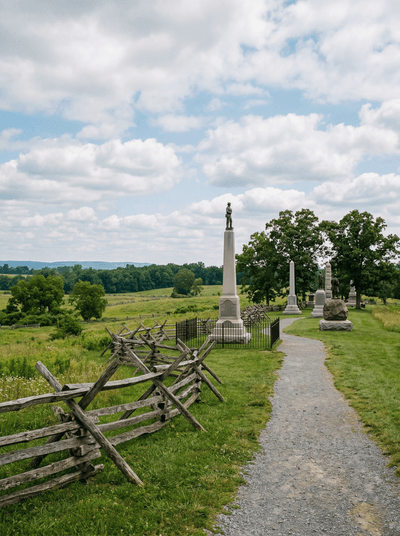
Fifty-one thousand killed, wounded or missing in three days, on fields where silence still weighs.
Myra
Turkey
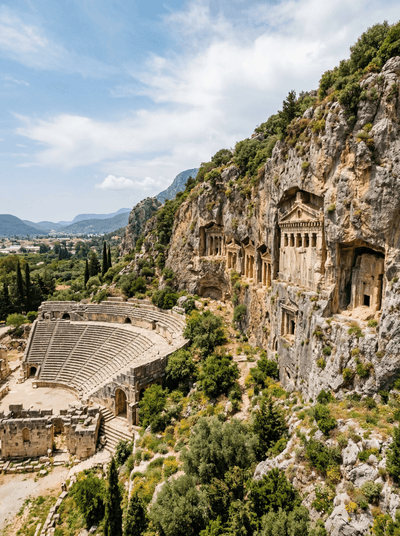
Rock-cut Lycian tombs stacked like a honeycomb above the church where Saint Nicholas was bishop.
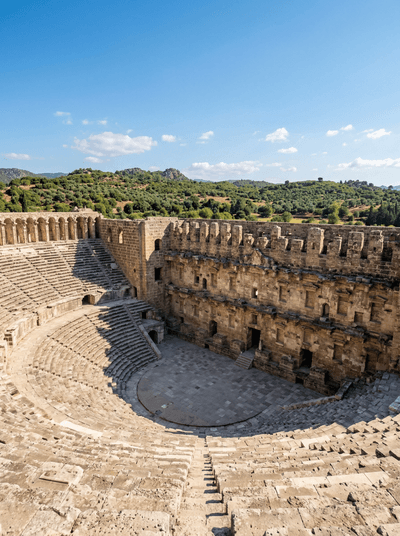
Aspendos
Turkey
A Roman theatre preserved so completely that an unamplified voice carries to the topmost row.
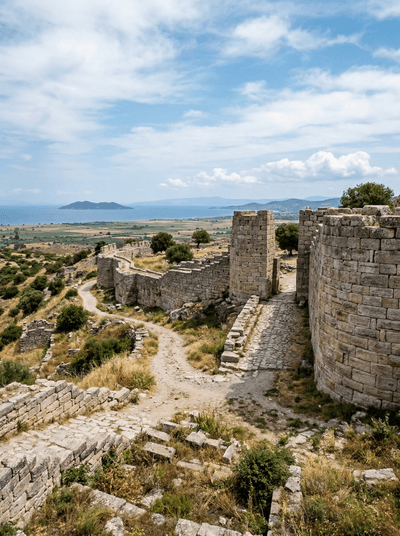
Troy
Turkey
Nine cities layered on top of each other where Homer's war may have actually happened.
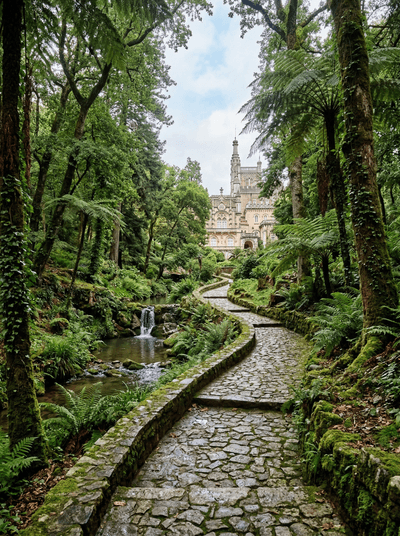
Buçaco Forest
Portugal
A walled forest of seven hundred species, its cedar Via Crucis climbing cathedral canopy.
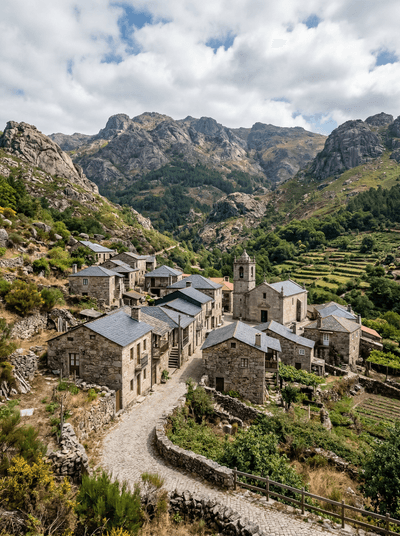
Pitões das Júnias
Portugal
A monastery abandoned to wolves and rain crumbles beside a waterfall at the road's end.
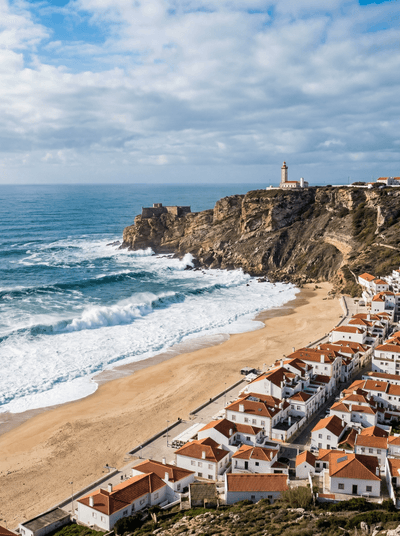
Nazaré
Portugal
Fisherwomen in seven skirts watch surfers ride waves taller than five-storey buildings.