Brazil
Anavilhanas
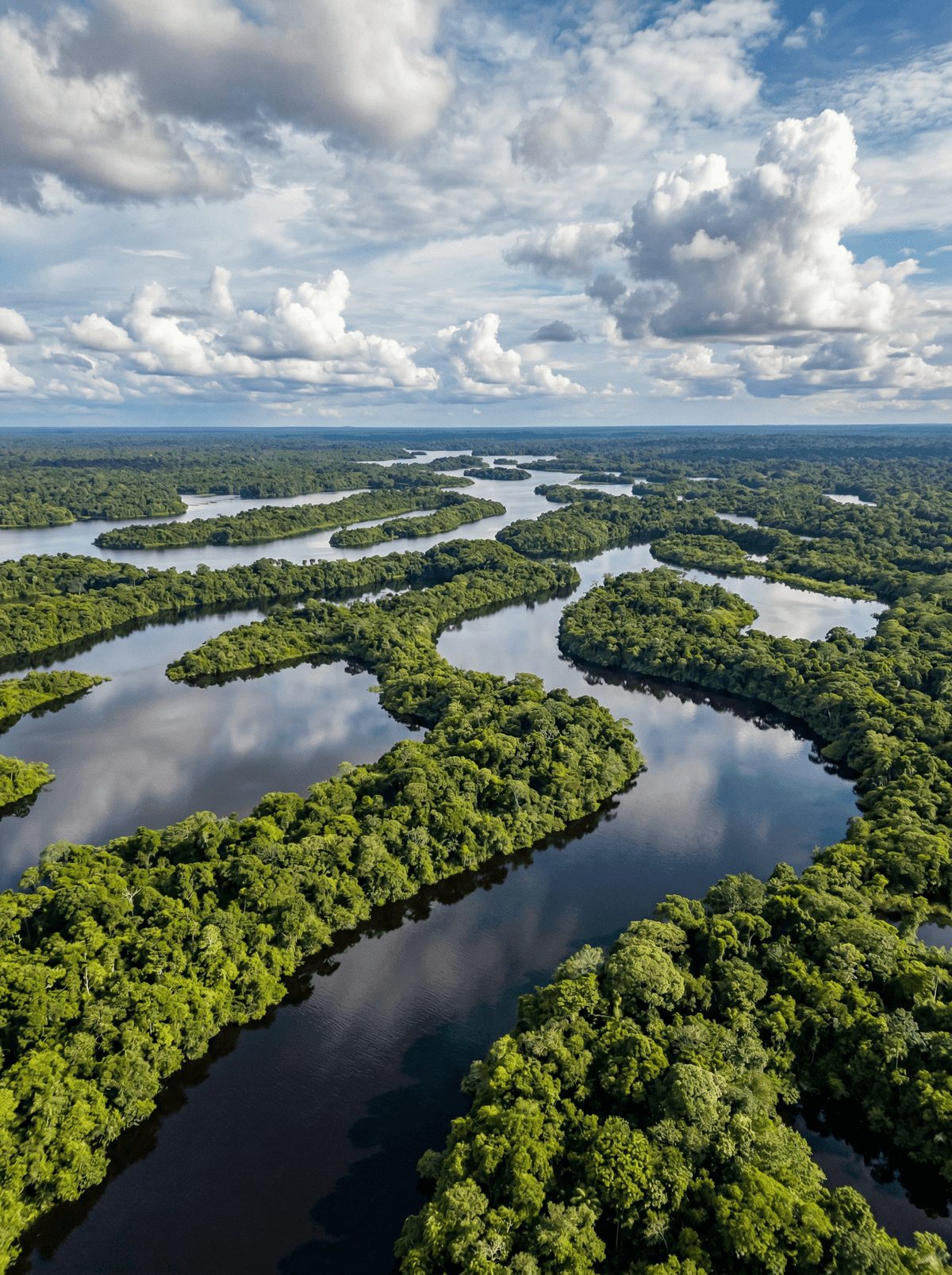
Four hundred forested islands on rust-dark water that rises ten metres and floods the forest.
The park is three hundred and fifty thousand hectares of river and island, and the only way through it is water. From September the Rio Negro drops and freshwater beaches come out of it; by March they are under again and the boats are working aquatic trails in among the trees instead. Somewhere in all of that are jaguar, giant otter, Amazonian manatee and pink dolphin, every one of them on the threatened list this park exists to hold.
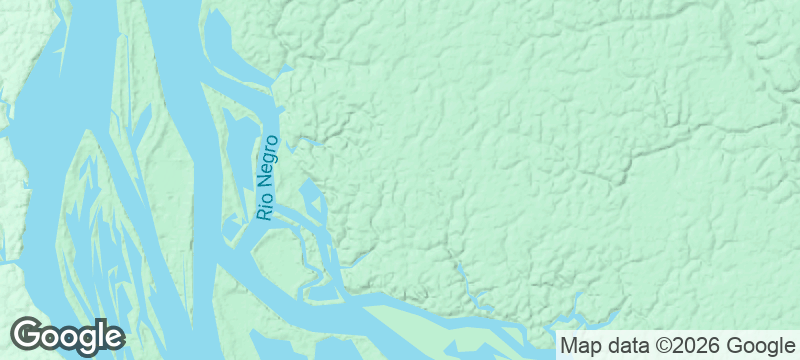
Anavilhanas was created by decree in June 1981 and made a national park by law in October 2008. It runs to 350,469 hectares, its office is in Novo Airão, and Novo Airão is where the boats go from. Trips leave in packages of four passengers and work aquatic trails and land trails, for fauna and flora, for the sunrise or the sunset, and for spotlighting caimans after dark. The beaches are the seasonal half of the place, freshwater sand that surfaces during the vazante between September and February, and on the Novo Airão waterfront the Flutuante dos Botos is where interaction with the pink dolphins is organised. There is more here than the archipelago: the Madadá and Pedra Sanduíche caves, the ruins of Airão Velho, sites carrying rock inscriptions, land trails at Apuaú, Barro Branco and Bariaú, tree climbing, and river communities running tourism of their own.
Couple
The boats go out in fours, which makes this closer to a private trip than a tour. Come between September and February for the low water and the beaches; come outside that window and you are on the aquatic trails instead, moving in among the trees.
Solo
Everything starts and ends in Novo Airão, so the town is the base rather than the park. Take the caiman spotlighting after dark and one sunrise run, and keep a day back for the land trails at Apuaú, Barro Branco or Bariaú and for the ruins at Airão Velho.
- The park covers 350,469 hectares of the Rio Negro archipelago and protects seven threatened species, among them the jaguar, the giant otter, the Amazonian manatee and the pink river dolphin.
- Freshwater beaches come out of the river during the vazante, from September to February, and go back under when the water rises.
- Boats leave Novo Airão in fours, working aquatic trails and land trails for fauna and flora, for sunrise or sunset, and for spotlighting caimans after dark.
- Around the archipelago sit the Madadá and Pedra Sanduíche caves, the ruins of Airão Velho, rock-inscription sites and river communities running community-based tourism.
Breakfast is set out as the day comes up at Madadá inside the archipelago, tapioca and tucumã beside the fruit and the jellies.
At the Makuità community bitter cassava goes into the casa de farinha and comes back out as farinha, and the lunch after it is the village's own Indigenous cooking.
Datça Peninsula
Turkey
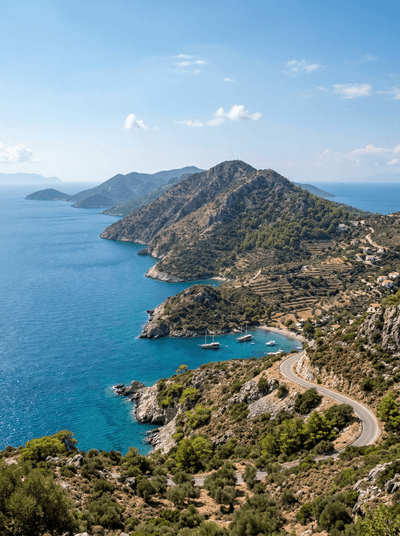
Two seas collide at a wind-raked cape where almond blossom blankets the hills each February.
Fårö
Sweden
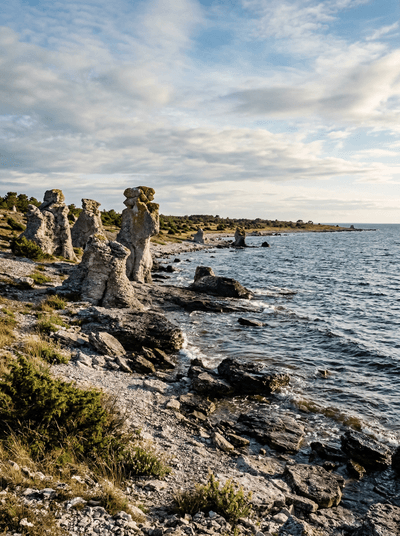
Wind-carved limestone sea stacks stand sentinel on Bergman's island of silence and stone.
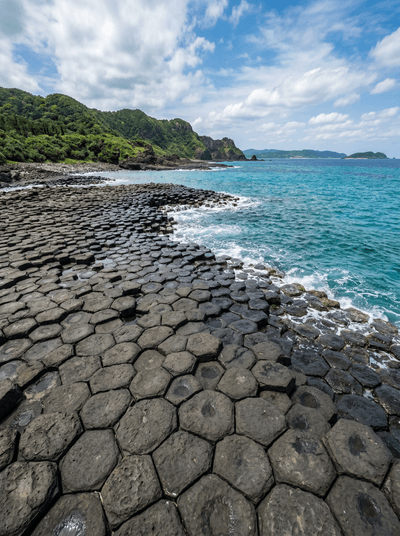
Tatami Ridge (Kumejima)
Japan
Hexagonal basalt slabs stretching into turquoise shallows like a giant's abandoned floor.
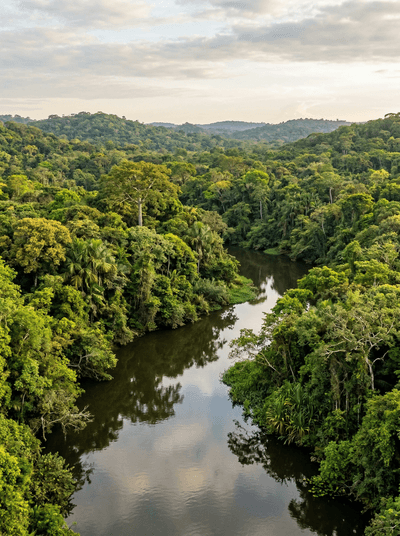
Cristalino Private Reserve
Brazil
Climb 250 steps before five and watch the flying rivers lift off the canopy below you.
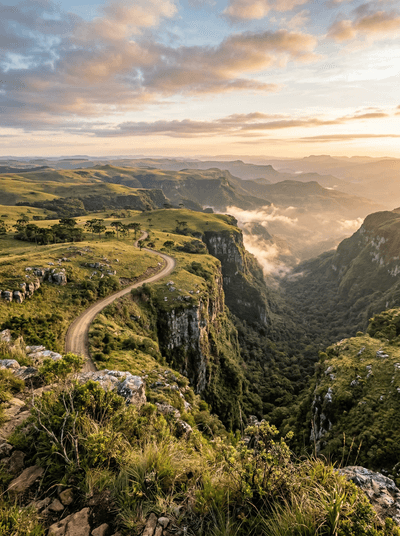
São José dos Ausentes
Brazil
The state's biggest fazenda went to auction twice because its owners never turned up.
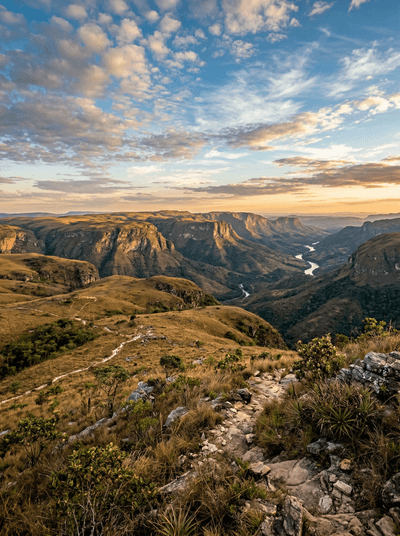
Serra da Canastra
Brazil
The São Francisco rises on this plateau and falls 186 metres fourteen kilometres later.