Brazil
Serra da Canastra
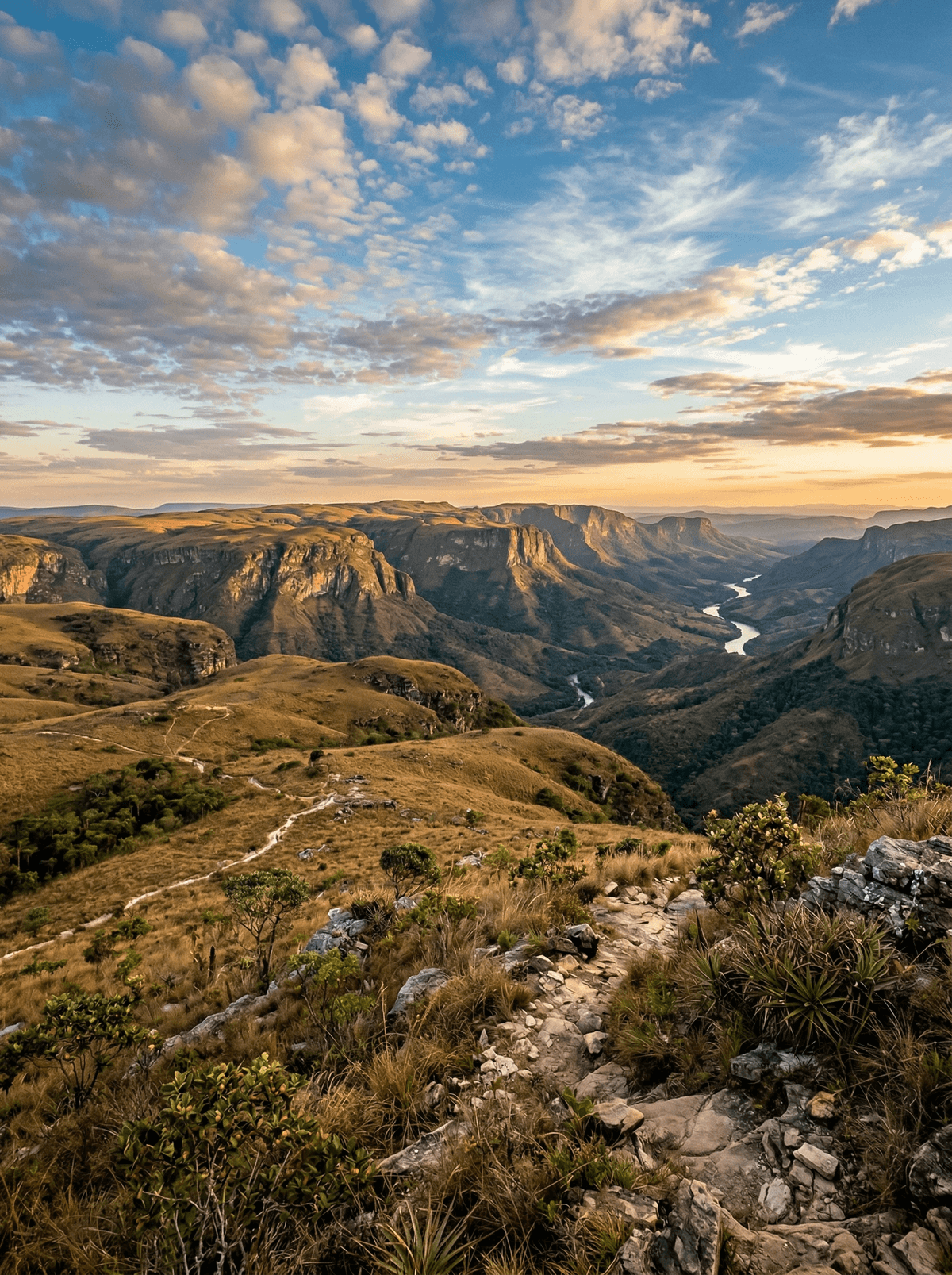
The São Francisco rises on this plateau and falls 186 metres fourteen kilometres later.
Up on the plateau the grass runs out to every horizon and the ground holds above nine hundred metres, topping out at 1,496. Somewhere in that the São Francisco starts. Fourteen kilometres downstream the whole of it goes over the edge at Casca d'Anta and drops 186 metres into the valley, which is the first thing the river ever does.
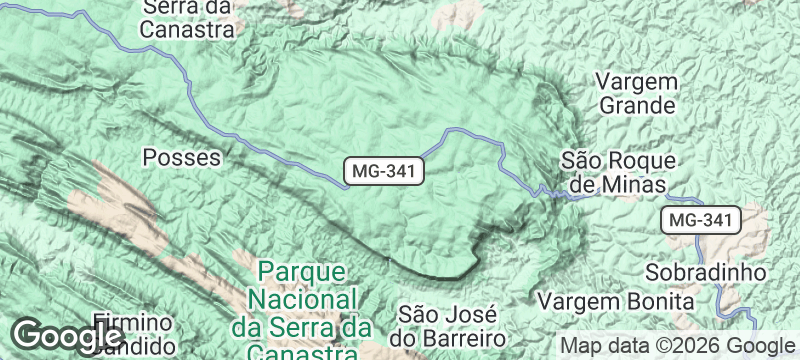
Serra da Canastra National Park was created in 1972 to protect the source of the São Francisco, among the most important rivers in Brazil, across high cerrado where the vegetation stays low and the chapadas end in walls. There are four ways in: three gates on the high side at São Roque de Minas, São João Batista and Sacramento, where a four-wheel drive is the sensible vehicle, and one on the low side at São José do Barreiro that an ordinary car manages. São Roque de Minas is the base with the most to sleep and eat in, 340 kilometres out from Belo Horizonte. The park is habitat for the maned wolf, the giant anteater, the giant armadillo and the Brazilian merganser, and ICMBio's own rule is that hiring a visitor conductor is optional for every activity here and recommended for all of them, given what open country does to people who misjudge it. Outside the boundary the farms have kept the nineteenth century, in the buildings, in dry stone walls laid without cement, in ox carts, and in the cheese.
Solo
Walking here is unaccompanied by default. ICMBio leaves conductors optional, publishes the list of authorised ones and leaves the arranging to you, which suits a traveller who wants the plateau to themselves and means carrying your own margin for error. In an ordinary car take the low gate at São José do Barreiro, which puts you at the foot of Casca d'Anta rather than on the rim above it.
Couple
Base yourselves in São Roque de Minas, where the pousadas and the restaurants are, and split the days: one on the plateau and the falls, one on the farms buying cheese. April to October is when the dirt roads behave, and outside that window the getting there becomes the trip whether you wanted it to or not.
- The park was created in 1972 to protect the source of the São Francisco, and the river's first big drop, the Casca d'Anta, comes off the plateau at 186 metres, fourteen kilometres below the spring.
- The attractions sit between 900 and 1,496 metres, the high point of the range, and everything inside the boundary is reached on dirt road and trail.
- It is habitat for the maned wolf, the giant anteater, the giant armadillo and the Brazilian merganser, and none of those is an appointment you can keep.
- Outside the park the farms have kept nineteenth-century buildings, walls of stone laid without cement, and ox carts still doing work.
Queijo Canastra has been made from raw milk on these farms for more than two centuries, and it is registered intangible heritage of both Minas Gerais and Brazil; all seven towns of the region sell it.
The producers sell it themselves, so you taste it standing on the ground the herd grazes rather than off a counter three hundred kilometres away.
Tarkine
Australia
Moss swallows fallen trunks where rainforest, wild rivers and exposed coast become takayna.
Jura
Scotland
Red deer outnumber humans thirty to one on the island where Orwell wrote 1984.
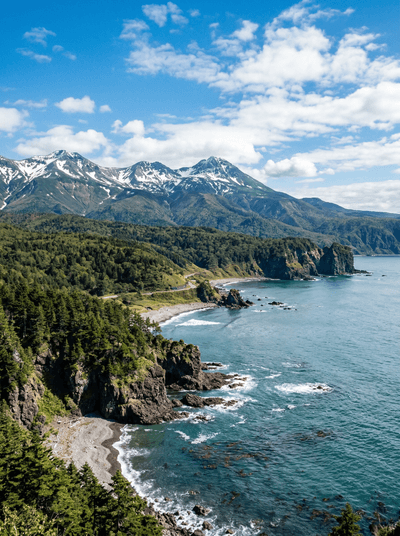
Shiretoko Peninsula
Japan
Brown bears fishing for salmon on a peninsula the Ainu named the end of the Earth.
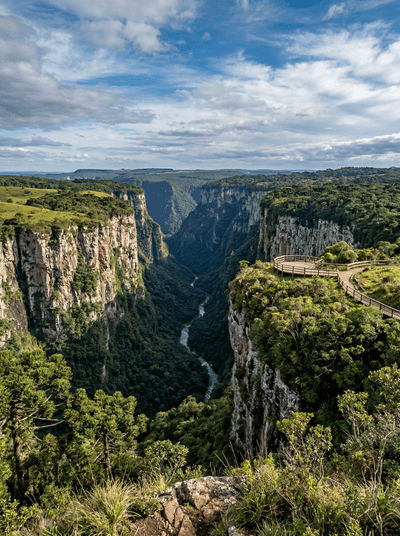
Aparados da Serra
Brazil
A five-hundred-metre waterfall drops straight off the rim into a gorge two kilometres wide.
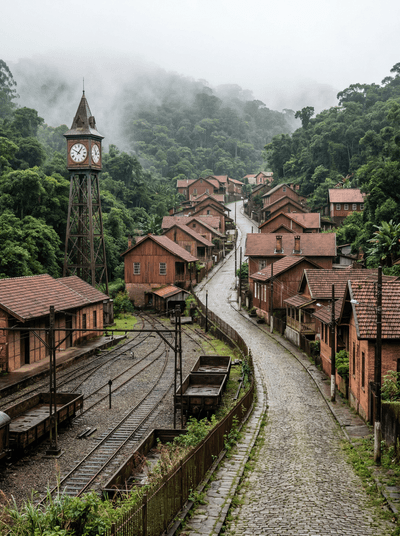
Paranapiacaba
Brazil
A fog-wrapped Victorian railway village built by the British in the Atlantic Forest above São Paulo.
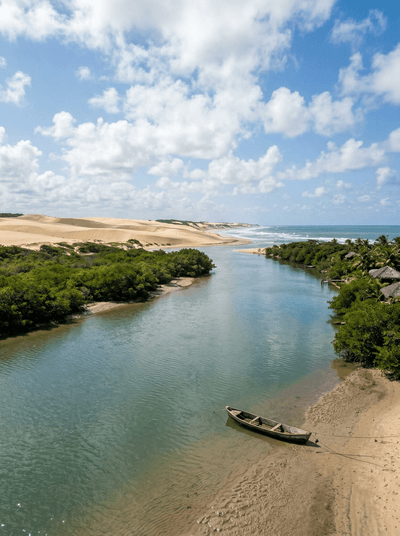
Mangue Seco
Brazil
Dunes advancing over the coconut groves, eight-metre palms buried to the tips of their fronds.
Brasília
Brazil
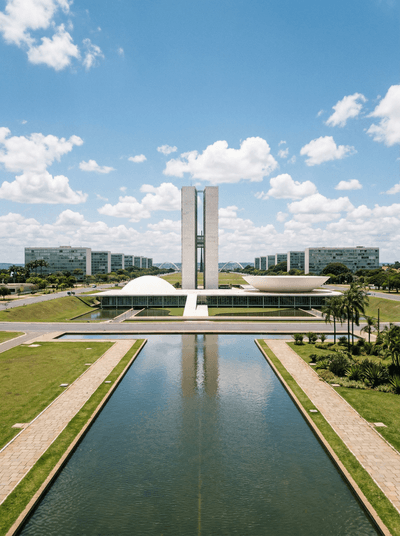
A modernist capital conjured from red dust where Niemeyer's concrete curves defy the cerrado.