Turkey
Aphrodisias
A marble city amid wheat fields, its sculptors' workshop dug out full of half-finished statues.
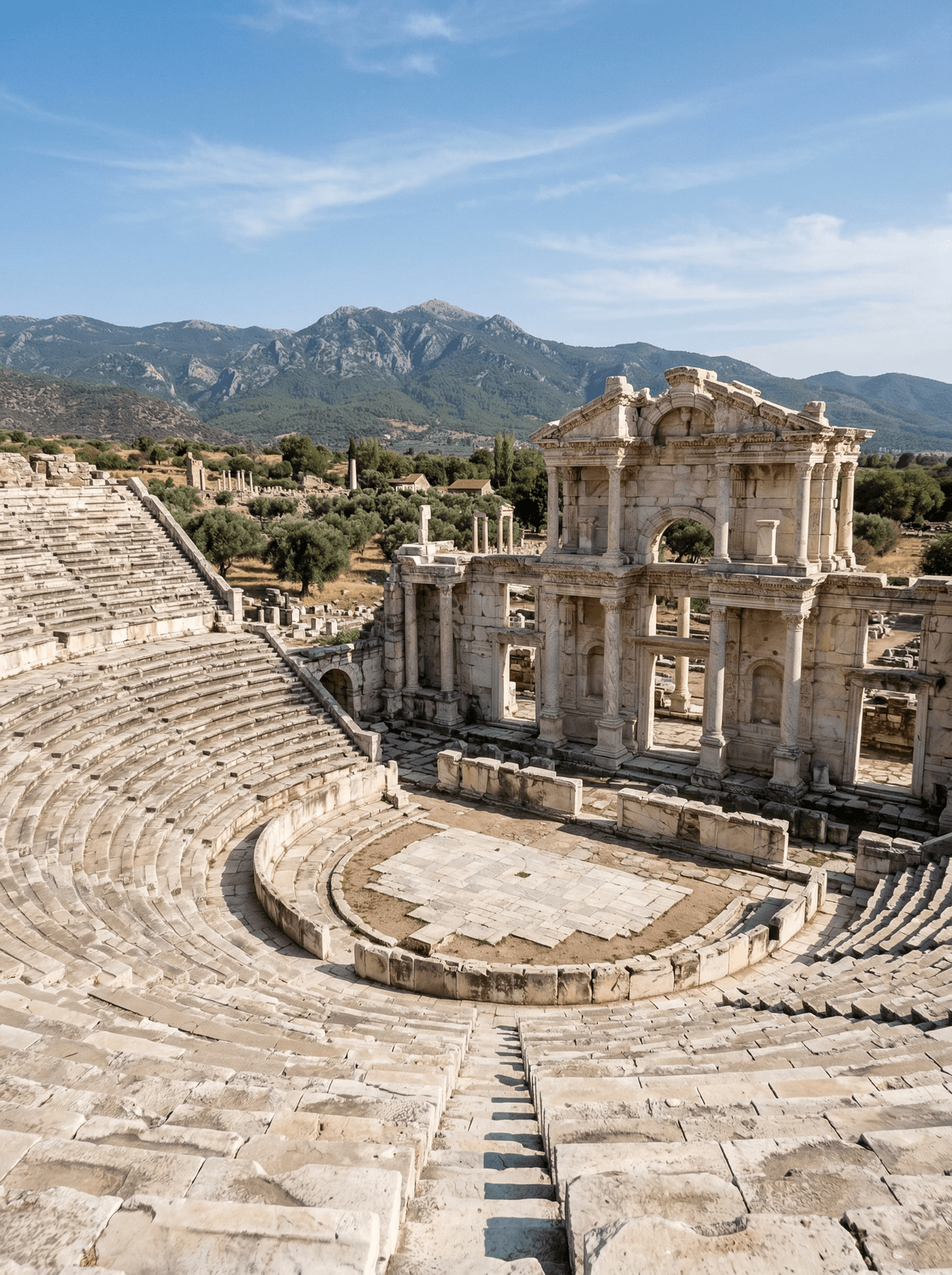
Marble columns stand knee-deep in wheat. From the sculptors' own workshop archaeologists lifted twenty-five statues still unfinished, chisel work halted mid-stroke. The stadium, among the best preserved in the ancient world, stretches 262 metres through a landscape so quiet you can hear the wind crossing the seats.
Aphrodisias, in the Aydın countryside, was named for Aphrodite and served her cult from at least the 3rd century BCE. The city became the Roman Empire's pre-eminent school of marble sculpture, exporting work across the Mediterranean; its excavated sculptor's workshop still held twenty-five statues in various states of completion. The 30,000-seat stadium is among the most complete to survive from antiquity, its oval track and tiered seating sharply defined. Around 80 of the Sebasteion's carved relief panels survive, filling the Sevgi Gönül Hall of the site museum. The reconstructed Tetrapylon gateway frames the Anatolian sky, and on most days you share the whole city with a handful of others.
Solo
Aphrodisias is the thinking traveller's ruin: few visitors, an exceptional museum, and unfinished sculptures that let you watch ancient craft frozen mid-process. Bring a book and stay all day.
Couple
Walking through the stadium at golden hour, wheat fields on either side and almost no one else present, is one of western Turkey's most quietly romantic experiences.
- The excavated sculptor's workshop held statues in every state of completion, with apprentice practice pieces among the finds.
- Around 80 of the Sebasteion's carved relief panels survive, filling a dedicated hall in the site museum.
- The city's stadium held 30,000 spectators and is among the best-preserved stadiums of the ancient world.
- Ninety kilometres from Pamukkale, it draws only a sliver of the crowds of the better-known Aegean ruins.
Aydın's paşa böreği: crisp layered pastry with spiced mince, softened under yoghurt at the table.
Ebegümeci, wild mallow leaves stewed with onion and olive oil, the Aydın countryside on a plate.
Hîncești
Moldova
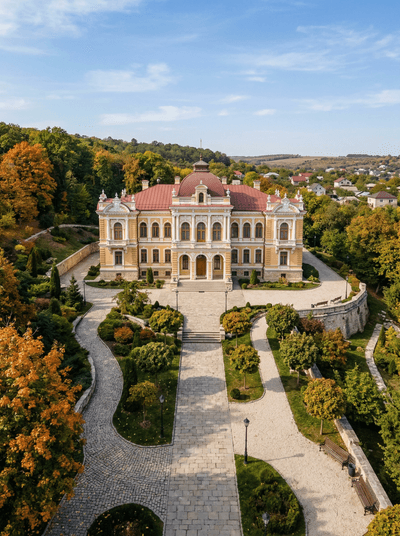
A French palace in a Moldovan market town, its vaults credited to the sea-painter Aivazovski.
Loiyangalani
Kenya
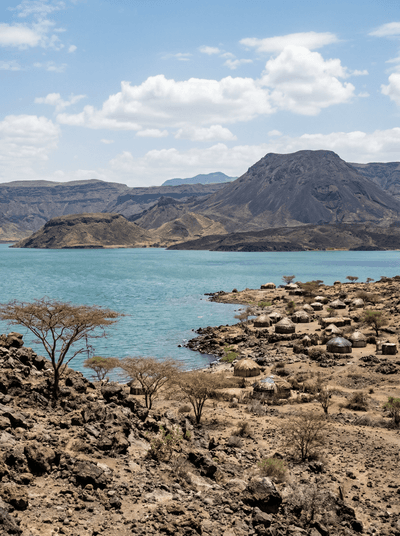
Four peoples meet at a windswept settlement where the desert ends and the Jade Sea begins.
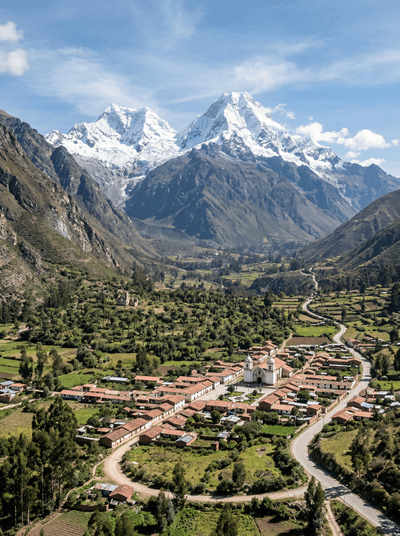
Yungay
Peru
A buried city marked by four palm tips piercing the debris that entombed it.
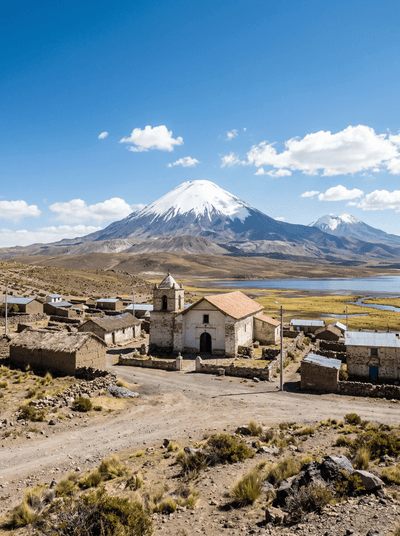
Parque Nacional Lauca (Parinacota Village)
Chile
A white Andean church sits beneath volcanoes in Lauca's immense high-altitude light.
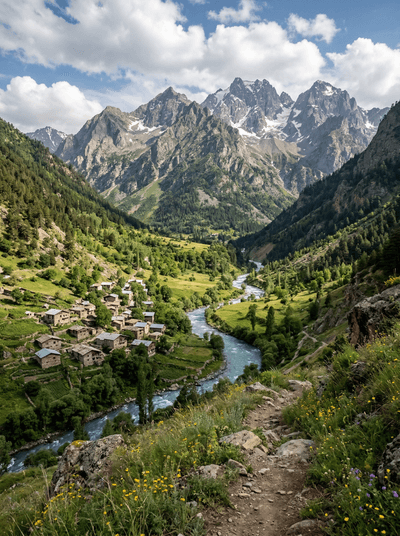
Barhal Valley
Turkey
10th-century Georgian churches stand forgotten in steep valleys where the road ends and peaks begin.
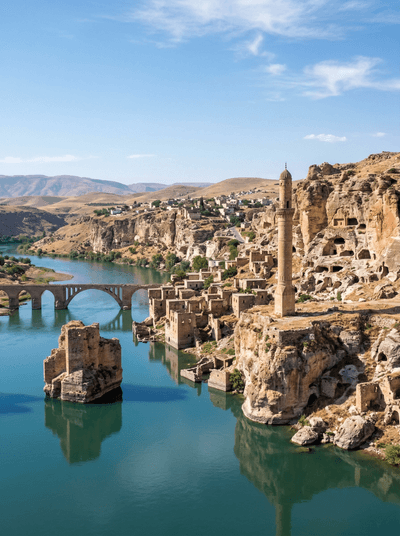
Hasankeyf
Turkey
A 12,000-year-old Tigris settlement now partly drowned by a dam, cave dwellings and minarets half-submerged.
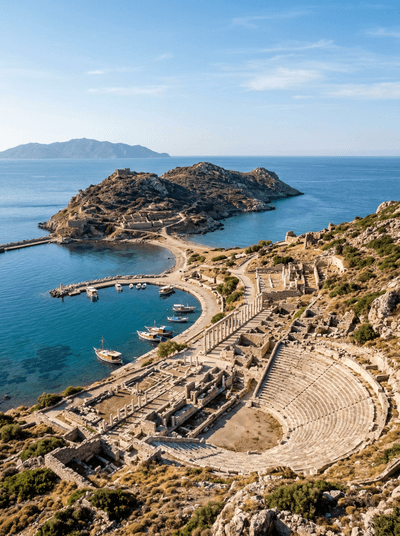
Knidos
Turkey
Two harbours face two different seas at a windswept cape where the Aegean meets the Mediterranean.
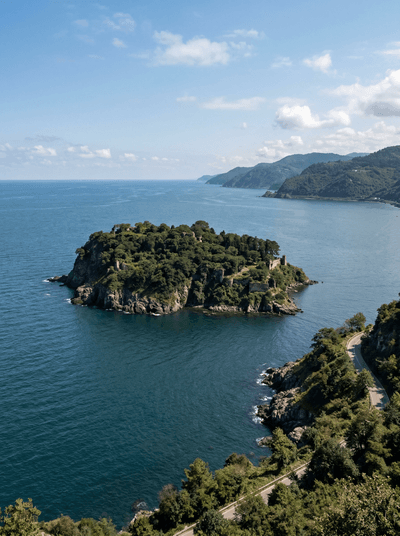
Giresun Island
Turkey
The eastern Black Sea's only island, its Hellenistic temple foundations sleeping beneath hazelnut trees.