Moldova
Hîncești
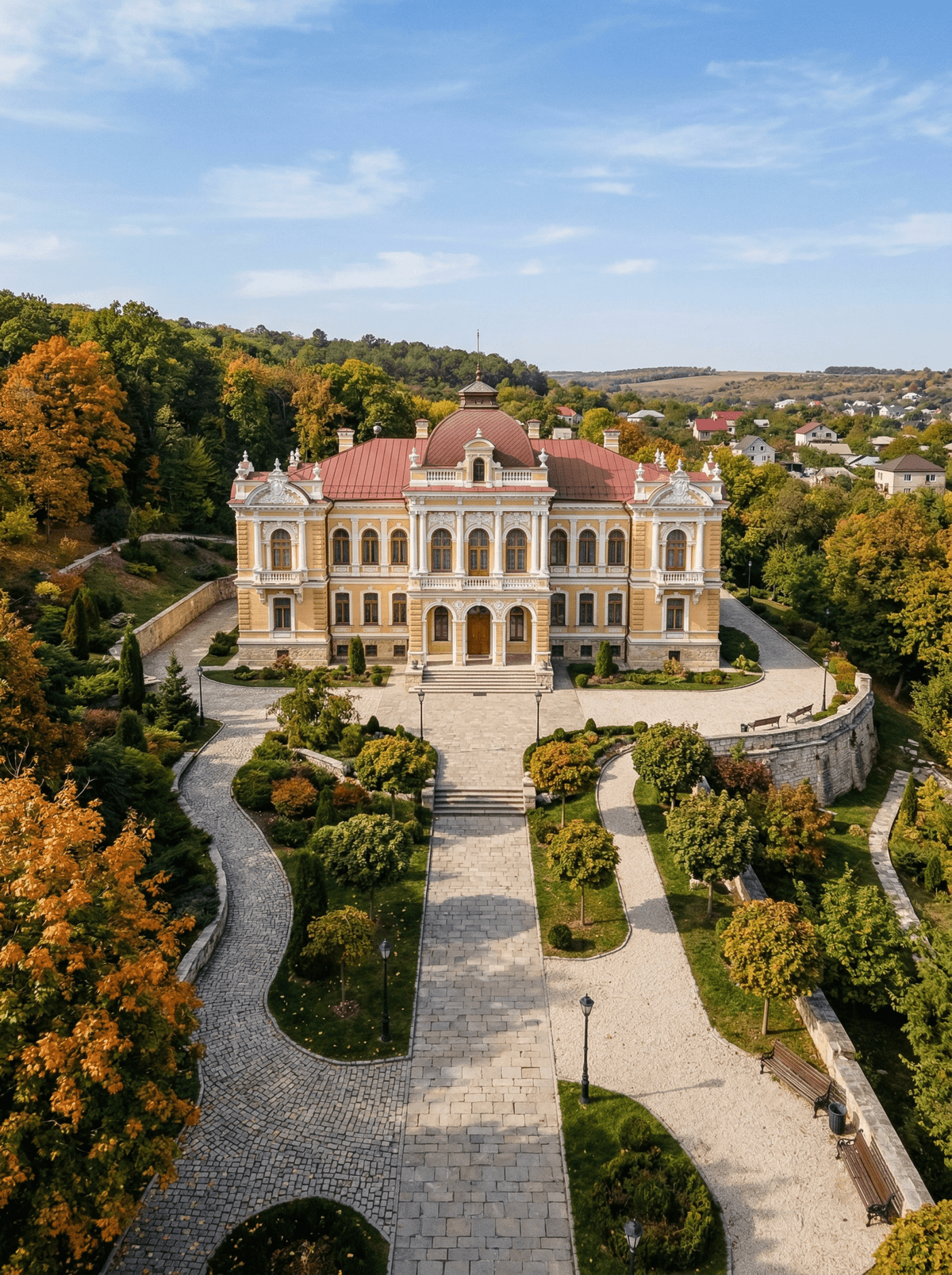
A French palace in a Moldovan market town, its vaults credited to the sea-painter Aivazovski.
Cream façades and tall windows stand freshly restored on a hill west of Chișinău, a French-style palace in a Moldovan market town. Manuc Bey bought this estate with 300,000 gold lei; the palace was raised by his heirs after his death. Inside, restorers have returned colour to rooms said to mix Armenian, Turkish, Moldavian and European decoration.
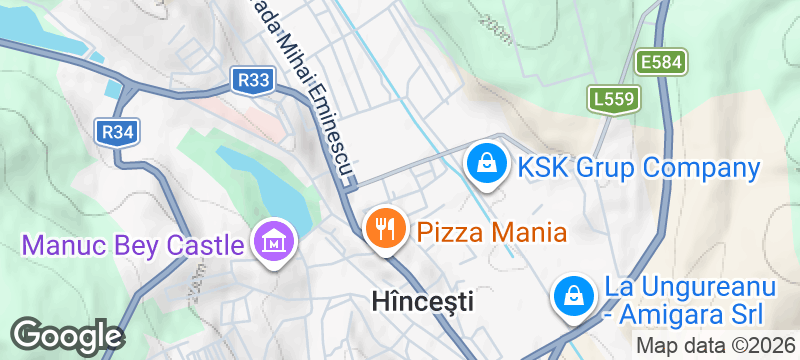
Manuc Bey Mirzaian was an Armenian merchant and diplomat who moved to Tsarist Bessarabia in 1815 and bought the Hîncești estate for 300,000 gold lei. The palace that carries his name was begun by his son Murat and completed by his nephew Grigore to designs by Alexander Bernardazzi, its interiors said to have been decorated in four styles, with vaults credited to the painter Ivan Aivazovski. Around it stand the House of the Bailiff, the Countess's Building, the Watchtower and the Hunting Castle of 1881, home to the Museum of the Native Land since 1976. After Soviet-era decline, an EU-funded restoration employing more than sixty craftsmen reopened the palace for guided visits, exhibitions and producer fairs.
Solo
Take the guided tour for the Armenian, Ottoman and Bessarabian thread, then walk the grounds and outbuildings at your own pace.
Couple
Pair the palace with plăcinte in town and make it an elegant half day west of Chișinău.
- Manuc Bey bought the estate in 1815 for 300,000 gold lei; his son began the palace and his nephew completed it after his death.
- Alexander Bernardazzi designed the French-style palace, its interiors said to mix Armenian, Turkish, Moldavian and European decoration.
- The 1881 Hunting Castle has housed the Museum of the Native Land since 1976, alongside the bailiff's house, the Countess's building and the watchtower.
- An EU-funded restoration reopened the palace for guided tours, exhibitions and craft fairs.
Popas Vânătoresc keeps a traditional Moldovan kitchen in town, the natural lunch after the palace.
Cuptorul cu Plăcinte bakes its namesake pies, and the estate's producer fairs add breads, honey and local wine in season.
Loiyangalani
Kenya
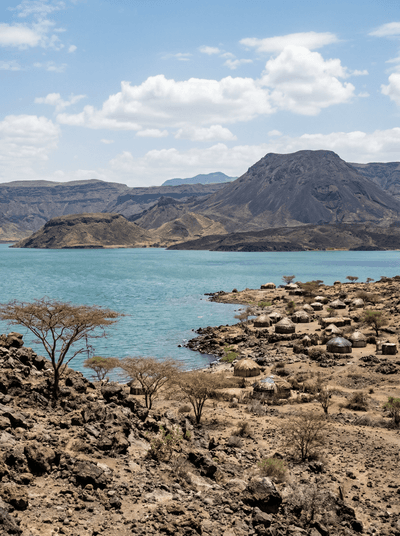
Four peoples meet at a windswept settlement where the desert ends and the Jade Sea begins.
Chilas
Pakistan
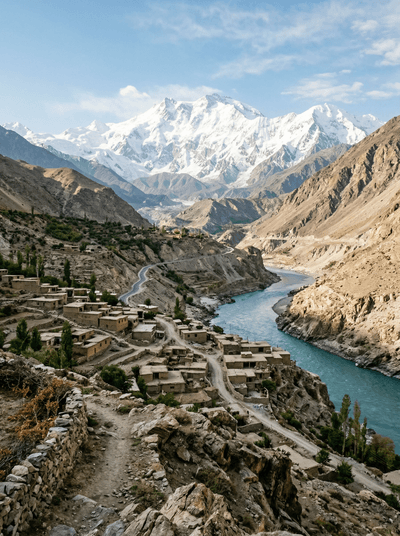
Three millennia of petroglyphs scratched into boulders where the Indus squeezes through the Karakoram's deepest gorge.
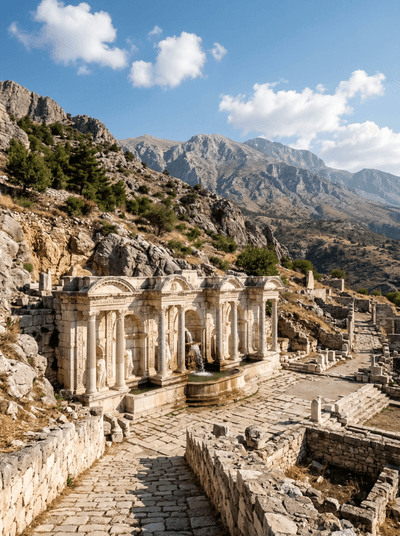
Sagalassos
Turkey
A Roman city at 1,500 metres still being excavated, its monumental fountain reconstructed and flowing again.
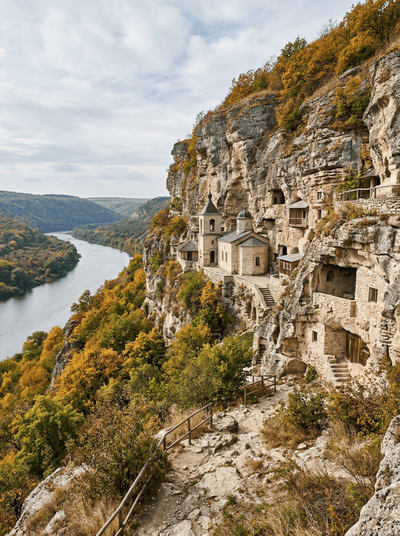
Țipova
Moldova
Hermit cells climb a Dniester cliff where legend buries Orpheus in a nook of a waterfall.
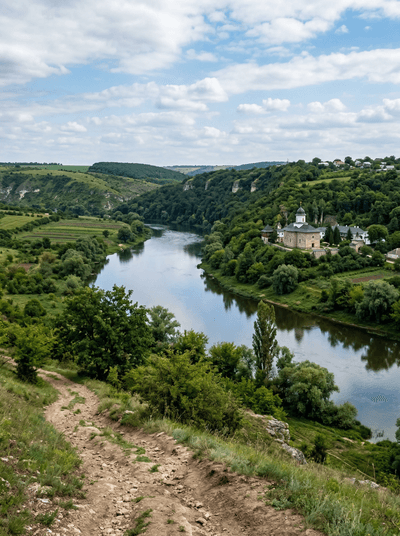
Rudi
Moldova
The Earth was measured from a stone in this orchard, on a line to the Arctic.
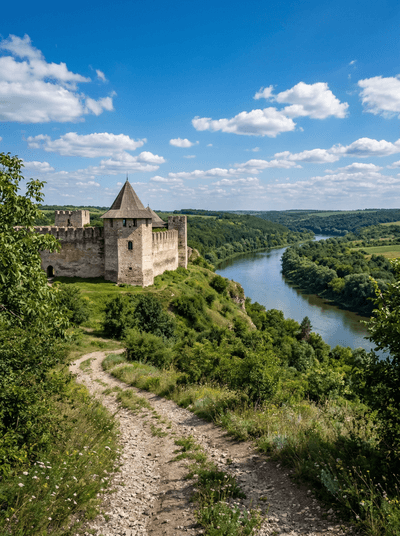
Cosăuți
Moldova
Stone-carvers work beside an ice-age camp that left antler pikes grooved to drain blood.
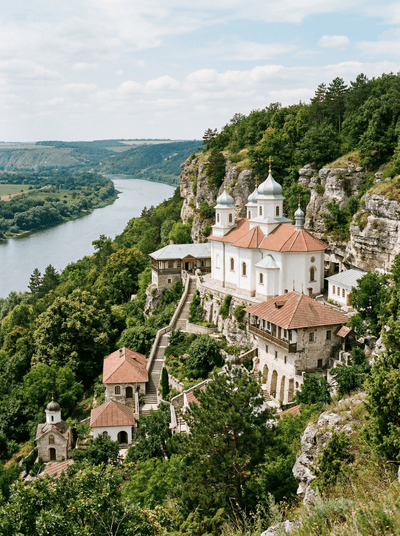
Japca Monastery
Moldova
Every monastery in Moldova closed under the Soviets except this one, praying above the Dniester.