Kenya
Arabuko-Sokoke Forest
East Africa's largest coastal forest shelters the golden-rumped sengi — and nothing else does.
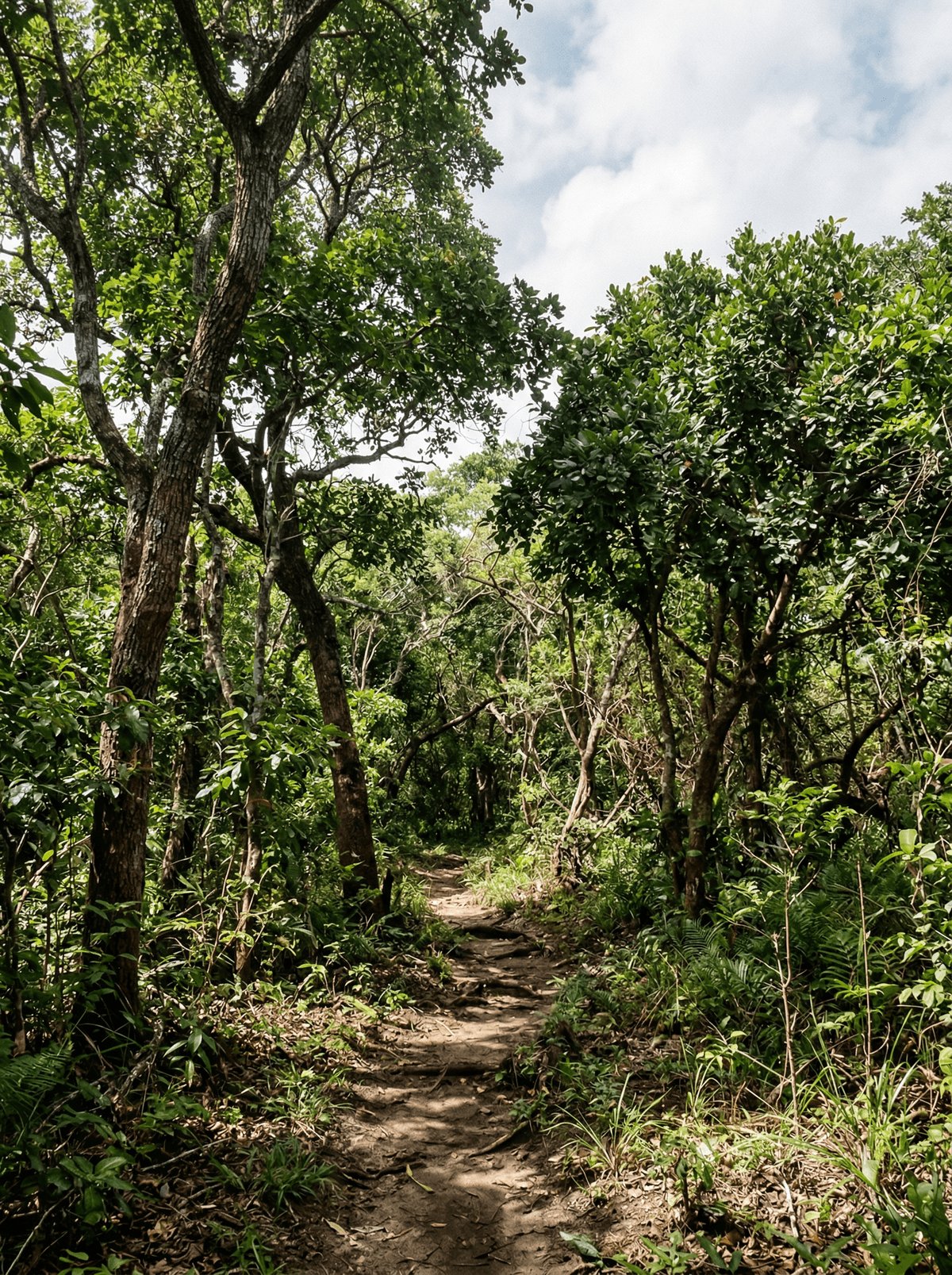
The forest floor is layered with dead leaves and silence — and this dappled half-light is golden-rumped sengi country, home ground of one of the rarest mammals on the continent, found here and almost nowhere else. Arabuko-Sokoke is not loud or dramatic. It asks you to slow down and look carefully.
Arabuko-Sokoke is the largest surviving block of East African coastal forest — three forest types in one reserve between Malindi and Kilifi, and a refuge for creatures that exist almost nowhere else: the golden-rumped sengi found only here, the Sokoke scops owl whose call is one of African birding's rarest sounds, Clarke's weaver, the Sokoke pipit. Elephants move through the Cynometra thickets mostly unseen. On the forest edge, community butterfly farming — the celebrated Kipepeo project — turned conservation into livelihoods and became a model copied across the region. Night walks with local guides give the best chance of the owl; day walks give the silence.
Solo
Birders and naturalists find a short but fiercely difficult endemic checklist, and silence that rewards patience.
Couple
A quiet counterpoint to beach energy — dawn walks and night owl searches built on observation, not spectacle.
- The largest single block of coastal forest left in East Africa, holding three distinct forest types.
- The golden-rumped sengi lives here and nowhere else; the Sokoke scops owl barely anywhere else.
- Community butterfly farming on the forest edge became a conservation-livelihood model for the region.
- Guided night walks listen for the owl — one of the rarest sounds in African birding.
A packed forest breakfast eaten to birdsong at the Whistling Duck pools.
Mahamri — the coast's cardamom-spiced doughnuts — with chai in the forest-edge villages.
Valley of Fire
United States
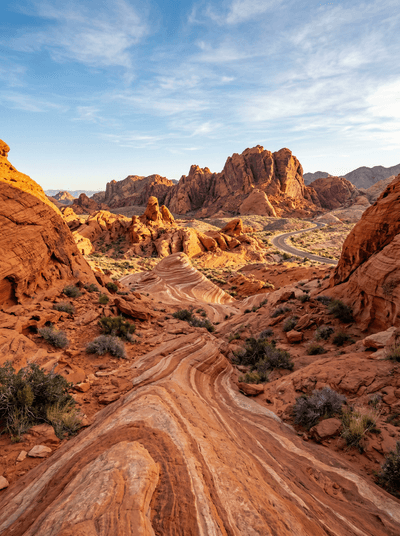
Two-thousand-year-old petroglyphs baking into sandstone so red it radiates heat after dark.
Rannoch Moor
Scotland
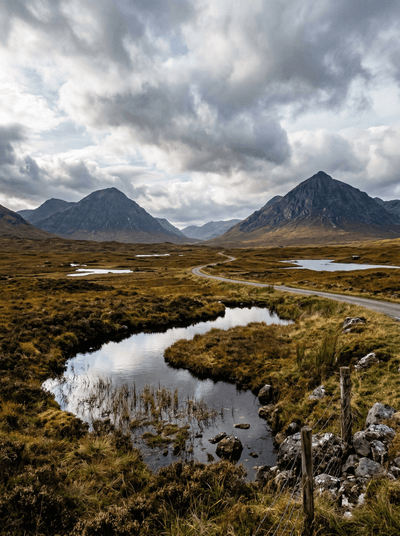
Fifty square miles of nothing — Britain's last emptiness, crossed by one road and one railway.
The Pinnacles
Australia
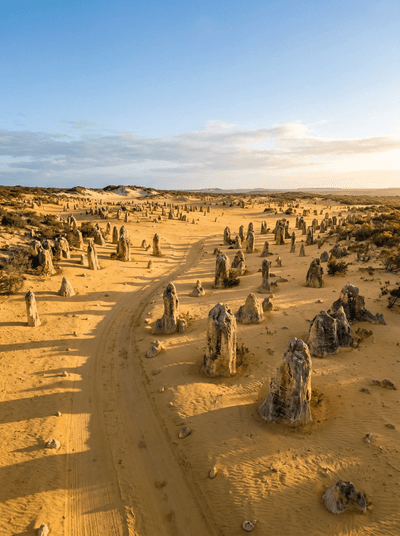
Thousands of limestone pillars cast long shadows across Nambung National Park's yellow sand.
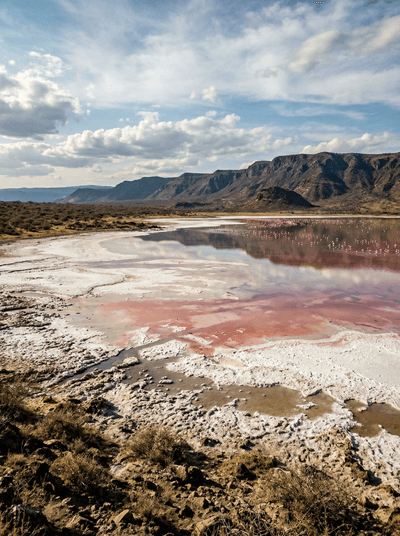
Lake Magadi
Kenya
Pink soda crust runs to the horizon on a lake so alkaline it burns skin.
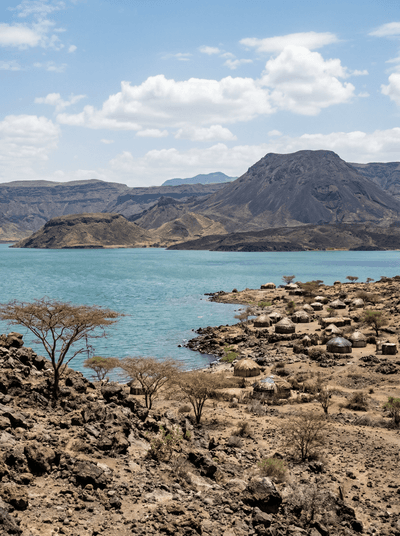
Loiyangalani
Kenya
Four peoples meet at a windswept settlement where the desert ends and the Jade Sea begins.
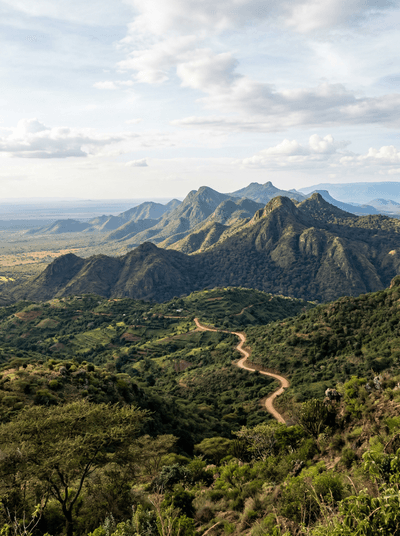
Taita Hills
Kenya
Mist clings to forest fragments where birds that exist only here still sing.
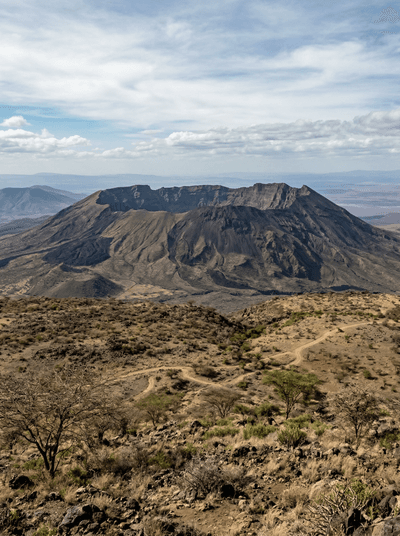
Silali Volcano
Kenya
The Rift's largest caldera holds hot springs, steam vents and memories of a vanished lake.