Kenya
Silali Volcano
The Rift's largest caldera holds hot springs, steam vents and memories of a vanished lake.
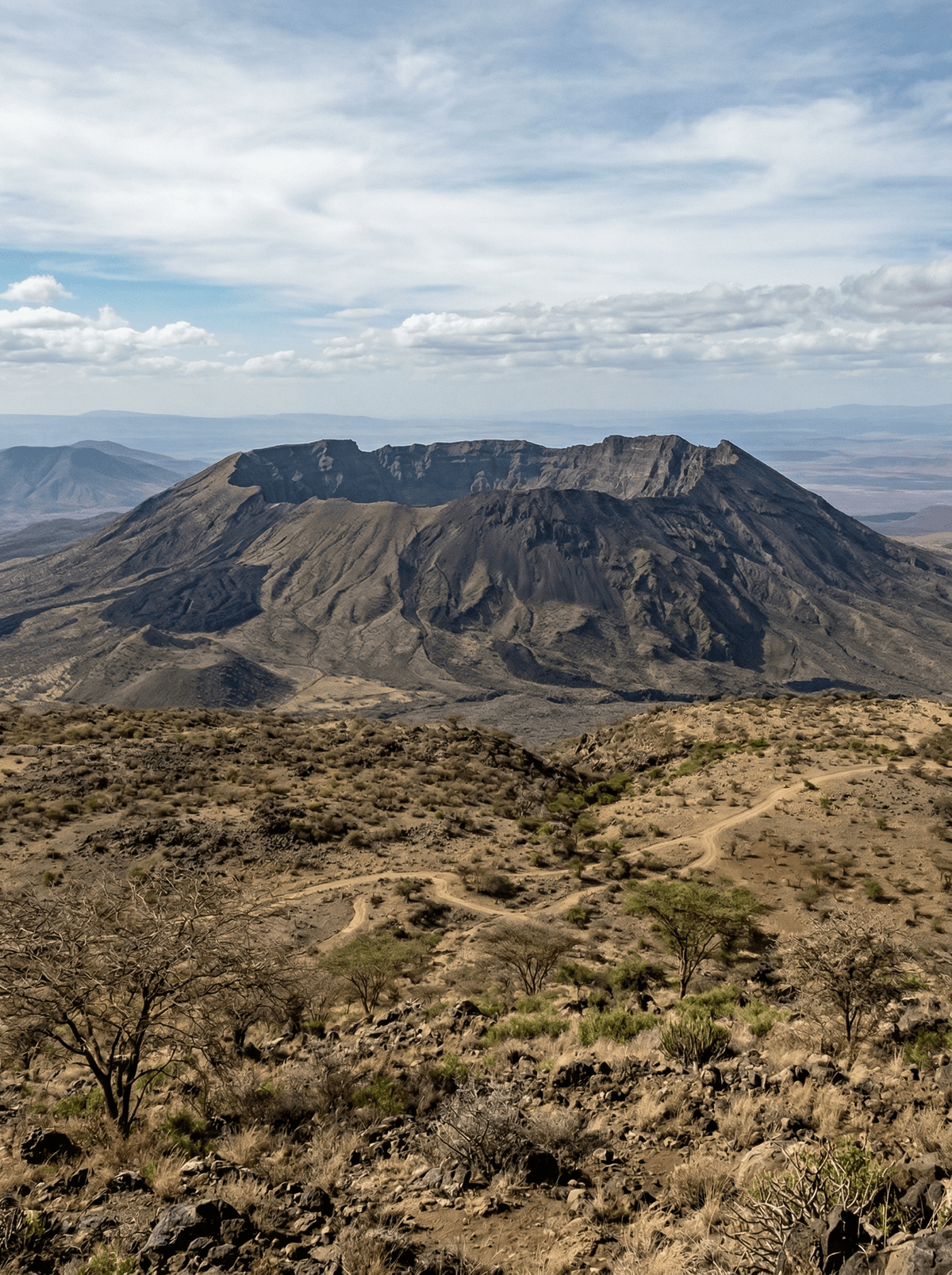
Steam rises off the caldera floor in white columns, catching light as it climbs the crater walls. The rim runs eight kilometres across — wide enough to lose the far side in haze. Standing on Silali's edge feels like looking into a planet still being made.
Silali carries the largest caldera in the Kenyan Rift — roughly eight kilometres across and a couple of hundred metres deep, floored with hot springs and steam vents that keep the volcano's file open rather than closed. This is remote Pokot country north of Lake Baringo, and visits run only with local escort and guides arranged through the community at Kapedo, whose own hot waterfall marks the way in. The reward is raw volcanic geology on a scale the Rift rarely concentrates in one place — fumaroles hissing on a caldera floor where a lake once lay, and a rim view over raw Rift wilderness in every direction. Expedition rules apply, and the frontier feel is not an act.
Solo
Commit to the logistics — local escort, unmarked terrain — and stand on the floor of the Rift's largest caldera.
Couple
Remoteness as romance — a steaming crater at the Rift's raw edge, and shared awe instead of champagne.
- The Kenyan Rift's largest caldera — eight kilometres of rim around a steaming floor.
- Hot springs and fumaroles keep the volcano visibly alive underfoot.
- Access is arranged with the Pokot community from Kapedo, escort included — a true frontier visit.
- Kapedo's hot springs steam at the gateway to the mountain.
Expedition rations cooked at the rim camp — the caldera provides the theatre.
Chai in Kapedo settlement at the gateway, hot springs steaming beyond.
Mount Augustus
Australia
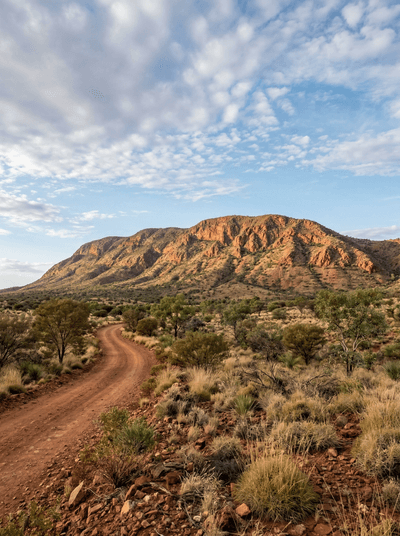
Burringurrah rises alone from mulga, its folded rock changing colour through the day.
Mauna Kea
United States
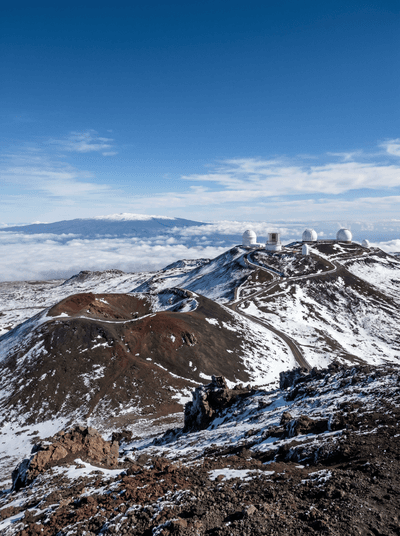
A summit so sacred it was once forbidden to all but chiefs, now crowned with telescopes.
São Jorge
Portugal
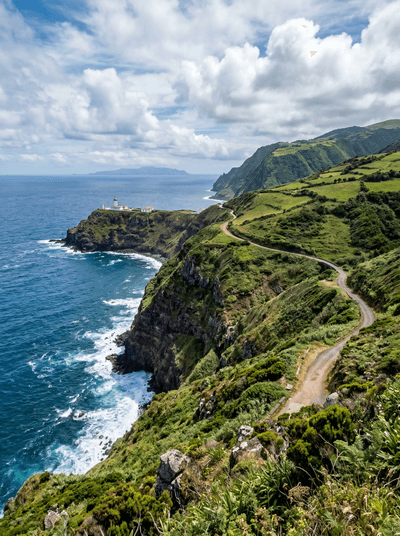
Knife-edge ridges drop to coastal fajãs — green platforms born from cliff collapses.
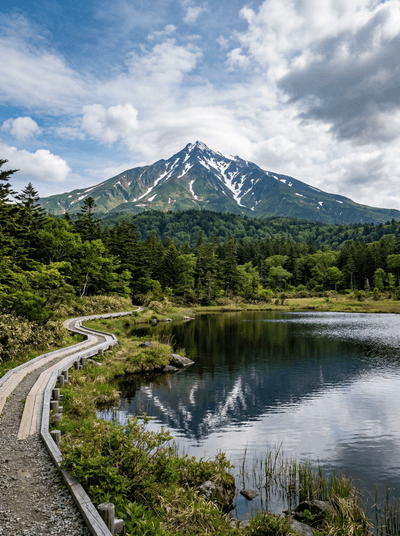
Rishiri Island
Japan
A solitary volcanic cone rising from the Sea of Japan like a misplaced Fuji.
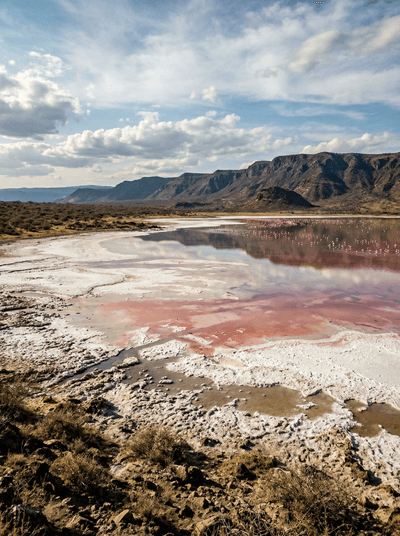
Lake Magadi
Kenya
Pink soda crust runs to the horizon on a lake so alkaline it burns skin.
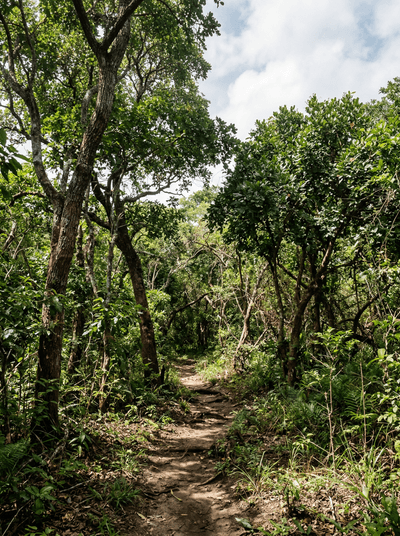
Arabuko-Sokoke Forest
Kenya
East Africa's largest coastal forest shelters the golden-rumped sengi — and nothing else does.
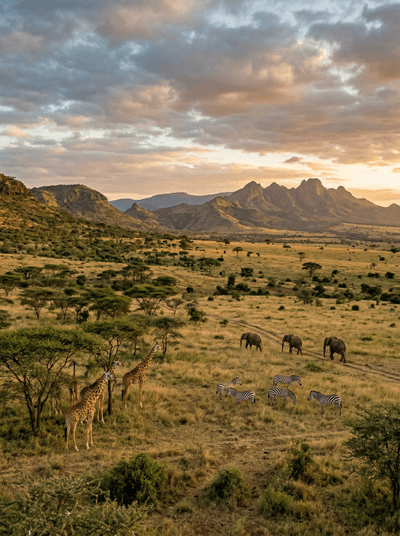
Lewa Wildlife Conservancy
Kenya
A cattle ranch turned rhino refuge that seeded Kenya's community conservancy movement.
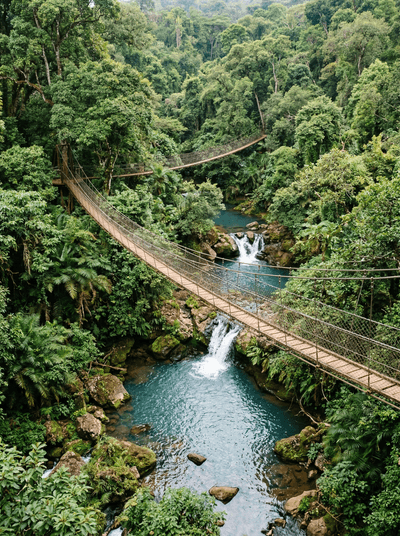
Ngare Ndare Forest
Kenya
A canopy walkway sways ten metres above the forest floor, ending at turquoise natural pools.