Solomon Islands
Arnavon Islands
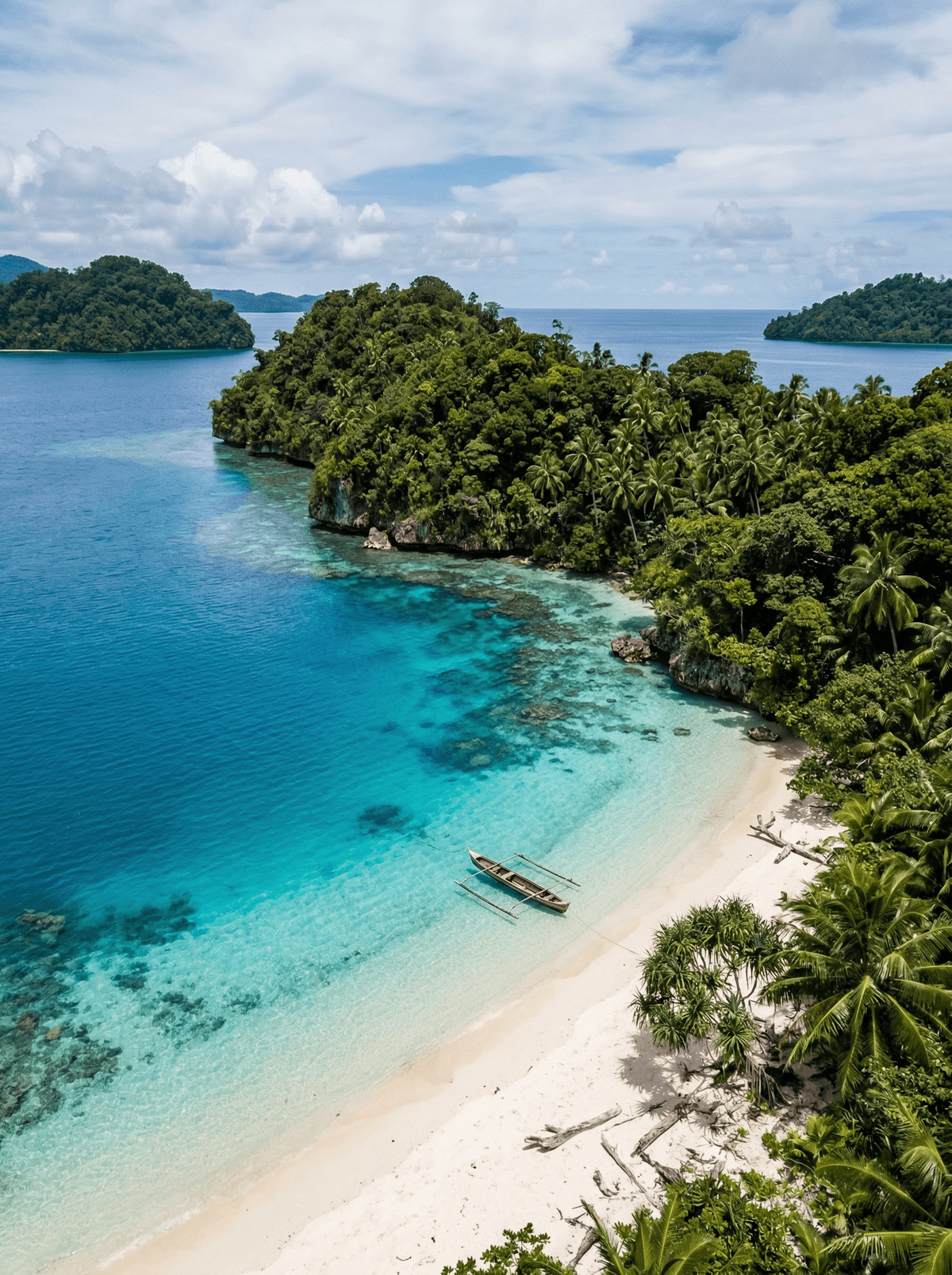
Hawksbill turtles nest on beaches three communities agreed to stop hunting.
After dark a hawksbill hauls herself up the sand, and a ranger crouches at the treeline recording her tag by red torchlight. Waves, breathing, the scratch of a pen: the Arnavons exist for exactly this.
The Arnavons hold one of the western Pacific's important hawksbill nesting sites, on beaches now patrolled by rangers. The Kia, Katupika and Wagina communities set aside long-standing disputes over these waters to protect them together from 1995, and in 2017 the area was declared a national park. Rooms are simple, and boats come in from Kagau or Suavanao. Nesting and hatching run to the turtles' season rather than a visitor's, and ranger rules govern every beach.

Solo
Rangers take small numbers, so one visitor slots into a patrol far more easily than a group does.
Couple
Nesting happens at night and on the turtles' schedule, which means long quiet evenings and a real chance of seeing nothing at all.
- One of the western Pacific's important hawksbill nesting sites, on beaches now watched by rangers.
- The Kia, Katupika and Wagina communities manage the park jointly.
- The 1995 agreement asked communities with old disputes over these waters to manage them jointly, and in 2017 the area became a national park.
- Ranger-led access protects the nesting beaches, and no sighting is ever promised.
The field station's kitchen is self-catering: what you eat on a turtle island is what you carried in.
Larger groups can have catering arranged, booked one to two weeks ahead.
Sary-Chelek
Kyrgyzstan
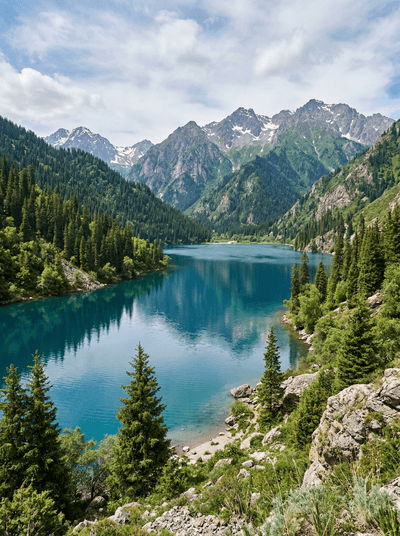
A biosphere lake 234 metres deep in walnut forests where snow leopards still roam.
Girolata
France
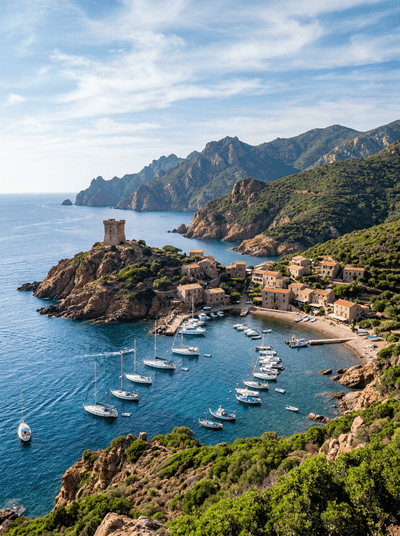
A hamlet with no road — reached by boat or mule track, under a Genoese tower.
Lago Posadas
Argentina
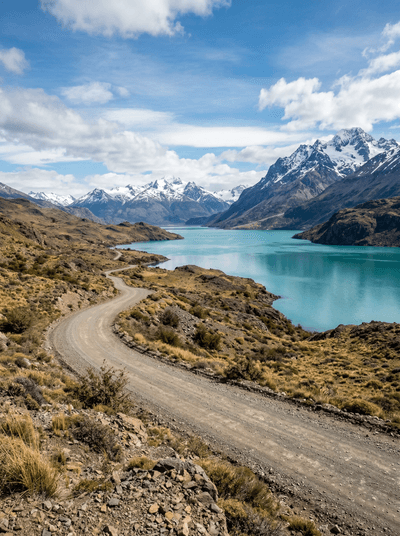
Twin lakes, one turquoise, one sapphire, divided by a land bridge laced with fossils.
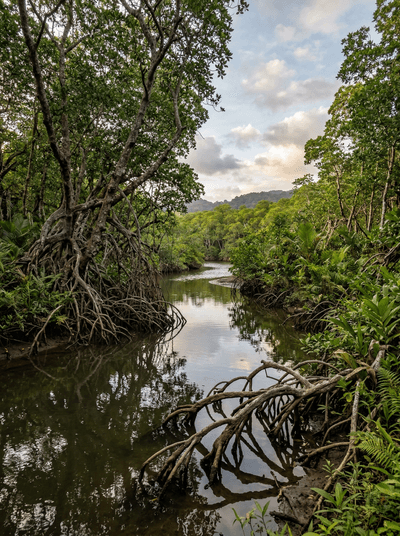
Térraba-Sierpe Wetlands
Costa Rica
Central America's largest mangrove system — root tunnels where caimans drift and spoonbills flash pink.
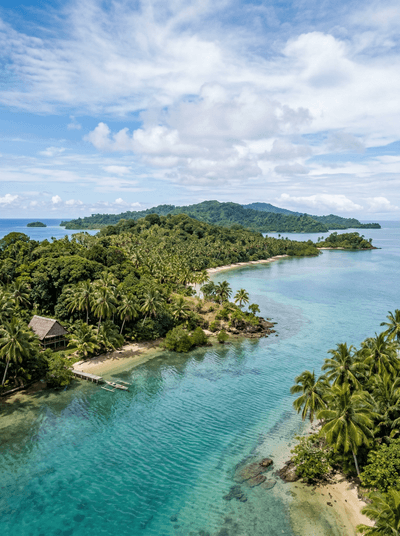
Taro Island
Solomon Islands
A provincial capital on an island low enough that the plan is to move it.
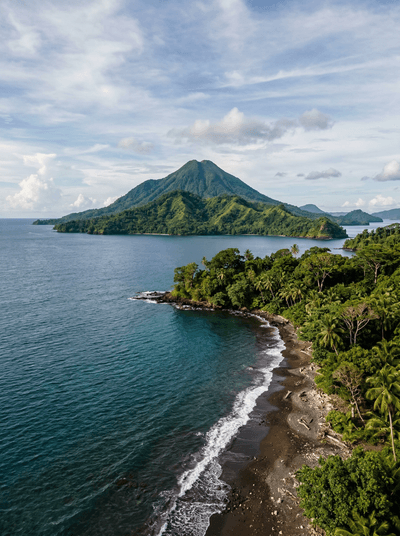
Savo Island
Solomon Islands
Megapodes bury their eggs in black sand that an active volcano keeps warm from below.
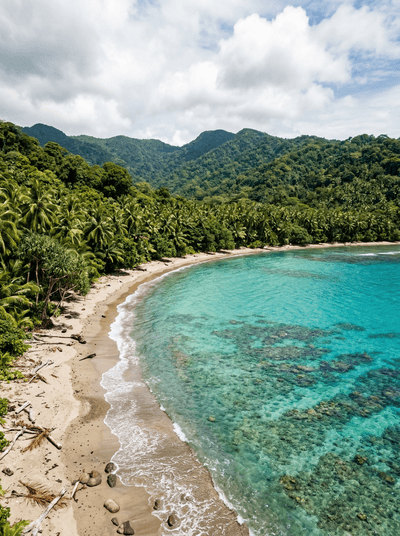
Nendo
Solomon Islands
Money made from red feathers came from here, and the memory of it has not gone.
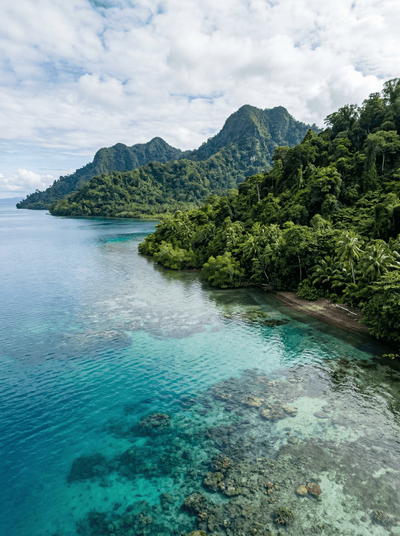
Vangunu Island
Solomon Islands
A giant rat known to Zaira's forest for generations, and to science only since 2017.