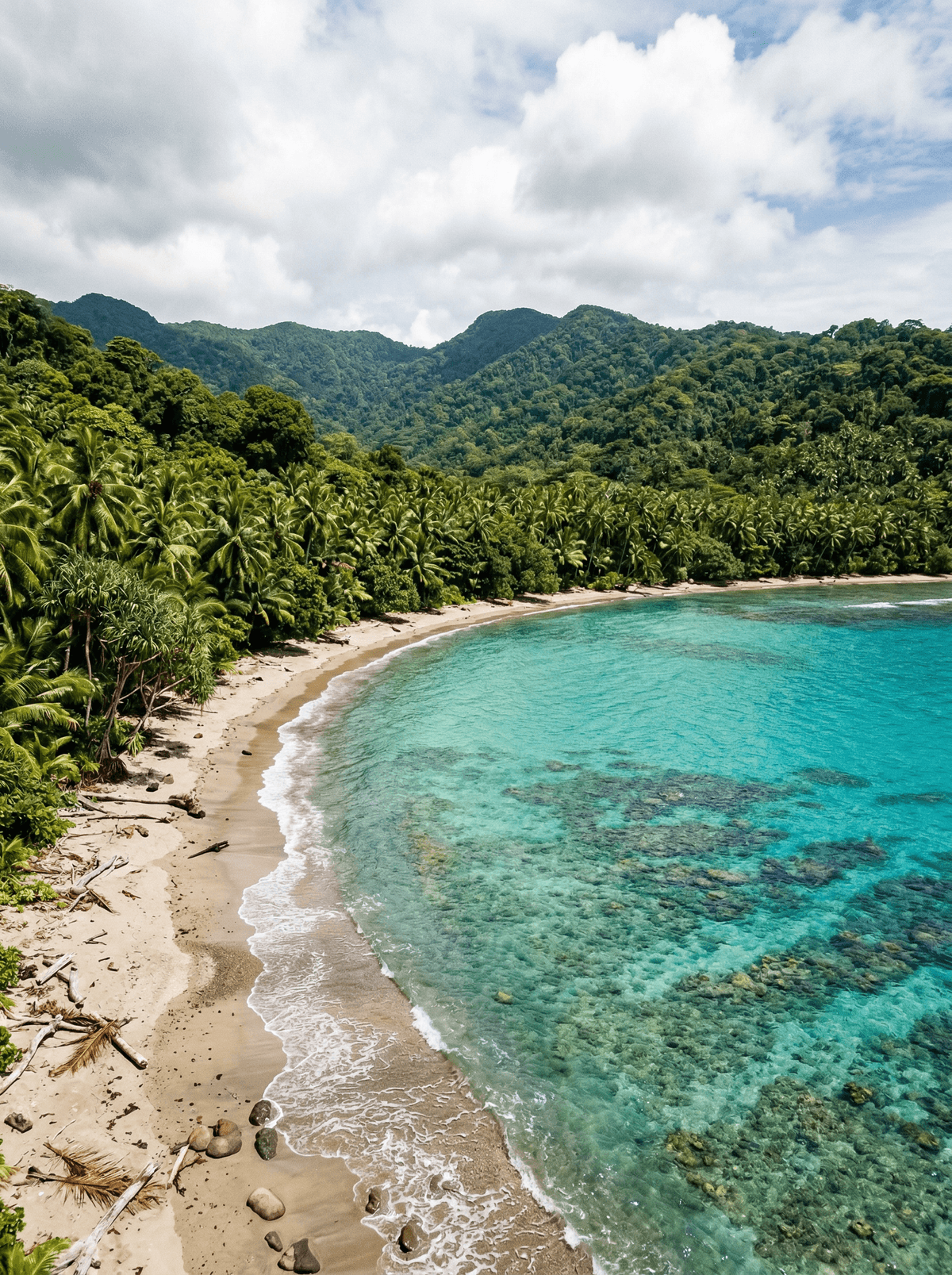
Solomon Islands
Nendo
Money made from red feathers came from here, and the memory of it has not gone.
In Lata's small market the talk slides between Melanesian and Polynesian languages inside a single conversation. Nendo is where two Pacific worlds meet, on an island with room for both.
Nendo, the largest of the Temotu islands, is the seat of provincial life, with Lata supplying the airstrip, the market and the way onward to everywhere else. Its red-feather currency, tevau, was made by binding thousands of tiny scarlet feathers onto coils of fibre, and surviving pieces sit in museum collections in London and Washington. Alvaro de Mendana planted a Spanish colony here in 1595; disease and conflict ended it within months, and the story survives in local memory. The smaller islands around it are reached by boat arranged on the ground. Markets, coast and conversation fill whatever days the boats do not.
Solo
Lata is a working provincial town rather than a destination, so a solo traveller can fly in and arrange everything else on the ground.
Couple
Nendo is the base you spend a few days in while sorting boats onward, and the coast either side of Lata fills the waiting.
Family
There are flights, a town and somewhere to stay, which is what makes Temotu possible with children at all.
Friends
Getting a group to Temotu is the hard part; once at Lata the boats and the outer islands become negotiable.
- Santa Cruz red-feather currency was made on Nendo, the scarlet feathers of a honeyeater bound coil after coil onto fibre.
- Museum collections in London and Washington hold and catalogue surviving examples.
- Lata on Nendo is served by domestic flights, which makes it a functioning provincial base.
- A Spanish colony was planted here in 1595 and failed within months, one of the earliest European attempts to settle the Pacific.
Ask a Lata guesthouse to cook the morning market’s fish with root crops; independent restaurant choice is slight.
Look for Santa Cruz dried breadfruit chips as a practical Temotu snack for road and boat excursions.
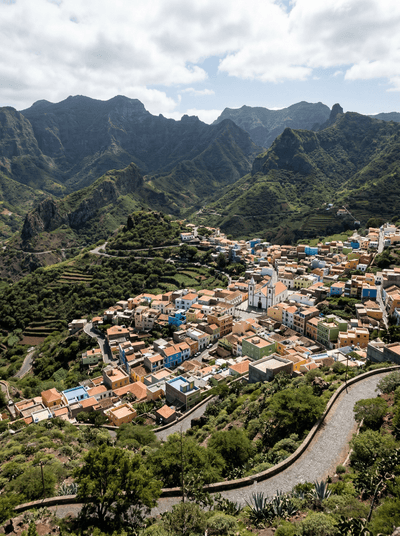
Assomada
Cape Verde
Papaya, maize and market din fill the highland town that feeds all Santiago.
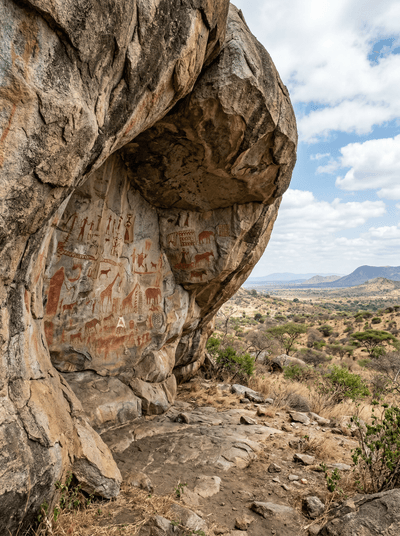
Kondoa Rock Art Sites
Tanzania
Ten thousand years of ochre hunters layer the sandstone of a valley few visit.
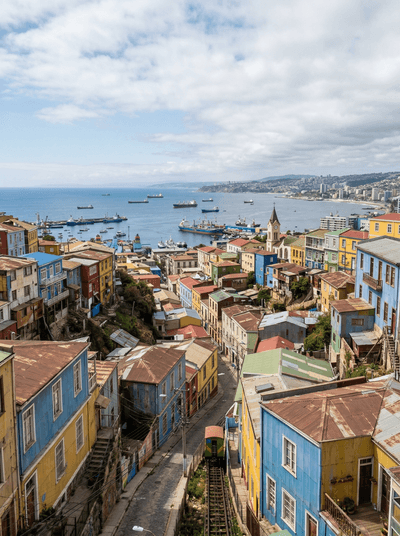
Valparaíso
Chile
Rattling hillside lifts climb between painted houses above a working Pacific port.
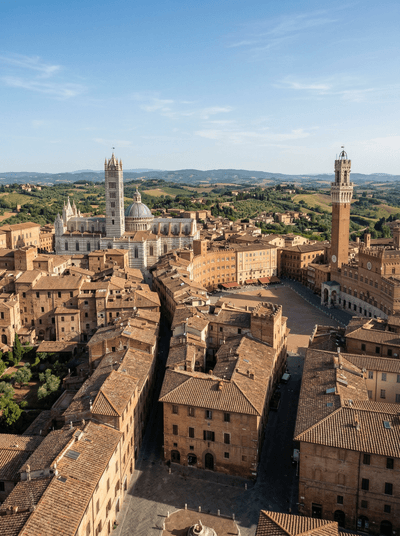
Siena
Italy
A shell-shaped piazza where twice a year the city erupts into bareback horse chaos.
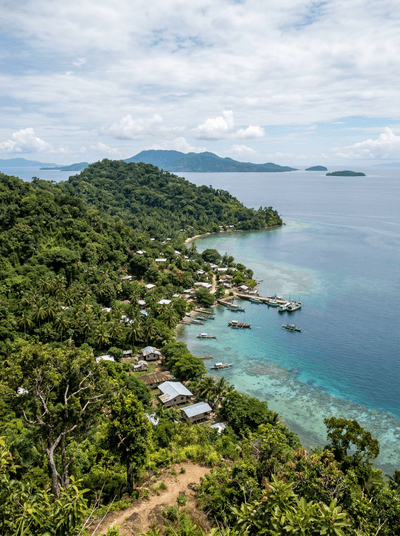
Tulagi
Solomon Islands
The old capital's harbour still holds the flying boats the war left on its floor.
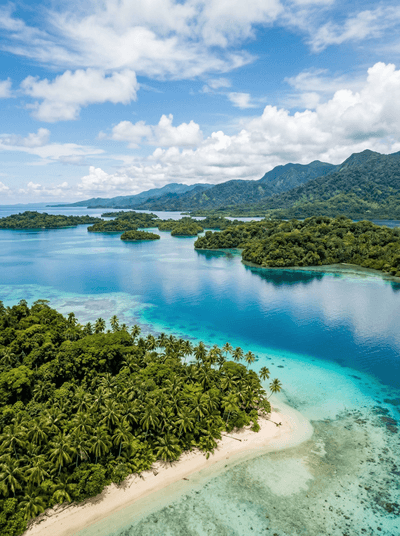
Roviana Lagoon
Solomon Islands
Villages still lived in and islands full of shrines sit in the same lagoon.
Marovo Lagoon
Solomon Islands
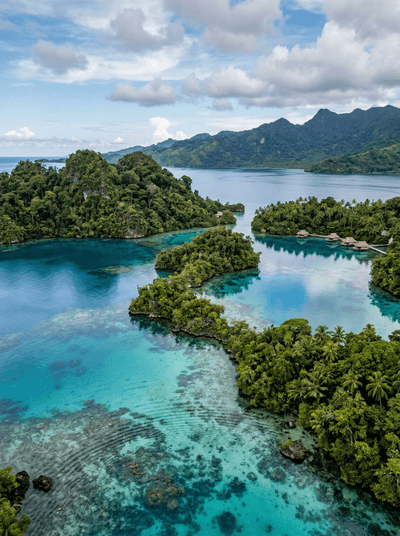
Two barrier reefs enclose a lagoon holding its own islands, villages and generations of woodcarvers.
Savo Island
Solomon Islands
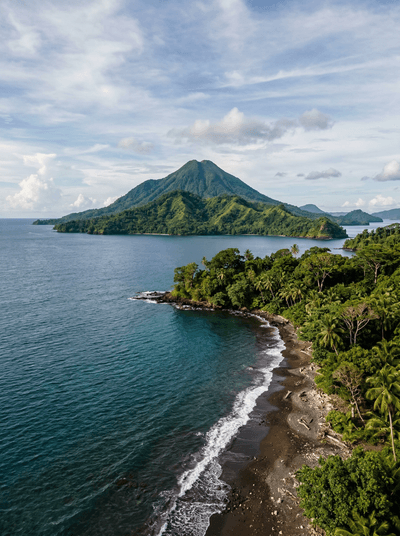
Megapodes bury their eggs in black sand that an active volcano keeps warm from below.