Costa Rica
Térraba-Sierpe Wetlands
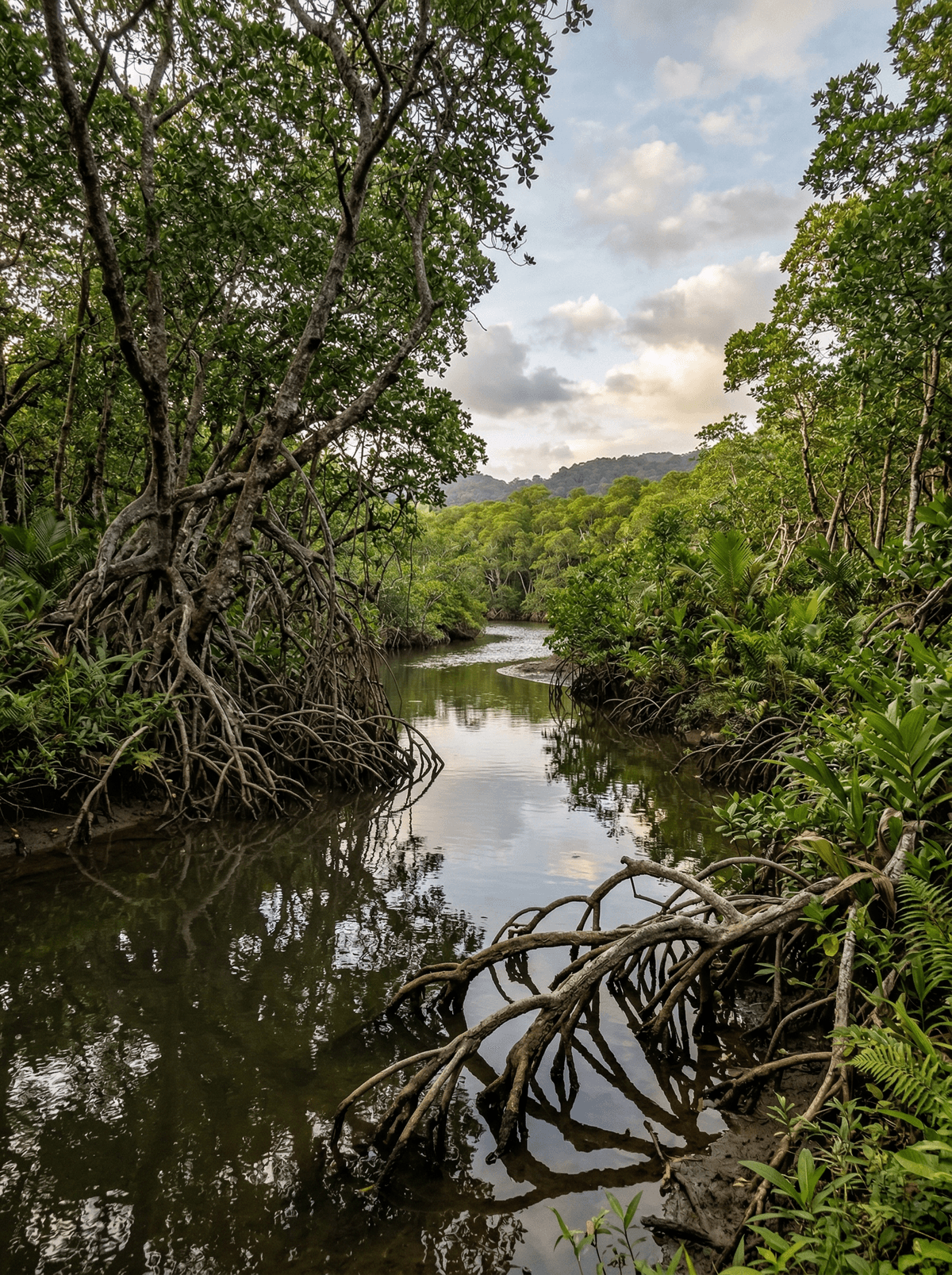
Central America's largest mangrove system — root tunnels where caimans drift and spoonbills flash pink.
The outboard cuts and the boat drifts into silence. Mangrove roots arch overhead in corridors so narrow the hull brushes bark on both sides; a caiman floats motionless ahead, eye level with the gunwale. In Térraba-Sierpe, water and land have negotiated their boundary through roots for millennia — and the roots are winning.
Where the Térraba and Sierpe rivers braid into the Pacific, Central America's largest meandering mangrove swamp spreads across tens of thousands of Ramsar-protected hectares. The brackish channels hold crocodiles, caimans and more bird species than you could count in a week, and the guides' party trick is respect: motor lifted, hull drifting through root tunnels in glassy silence. Local women still harvest pianguas — mangrove cockles — from the mud at low tide, and the river town of Sierpe sells them as ceviche at the dock. Downstream the channels open toward Drake Bay; upstream, herons stitch the banks all the way back to the crossing.
Solo
The wetland rewards sitting still — first boat out, motor off, near-total silence broken by bird calls and water drip.
Couple
Drifting a mangrove tunnel with the engine dead is one of Costa Rica's most atmospheric shared hours — a private world in green.
- Central America's largest meandering mangrove swamp, protected as a Ramsar wetland.
- Root-tunnel channels run so narrow that guides lift the motor and drift through in silence.
- Pianguas — mangrove cockles gathered by local harvesters — go straight into ceviche at Sierpe's dock.
- Crocodiles, caimans and waterbird flocks share one connected brackish ecosystem.
Whole corvina with rice, beans and patacones at a riverside comedor — nothing fancy, everything fresh.
Piangua ceviche — mangrove cockles pulled from the mud at low tide, sharpened with lime.
Arnavon Islands
Solomon Islands
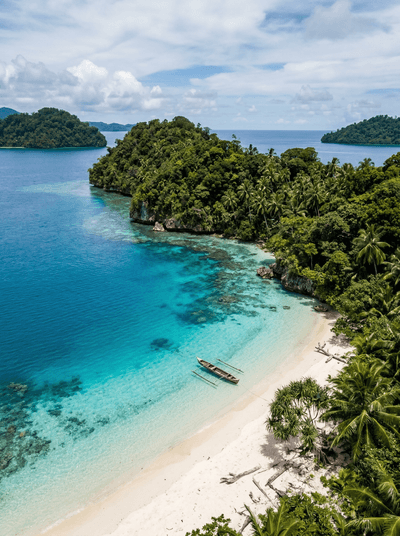
Hawksbill turtles nest on beaches three communities agreed to stop hunting.
Scandola Nature Reserve
France
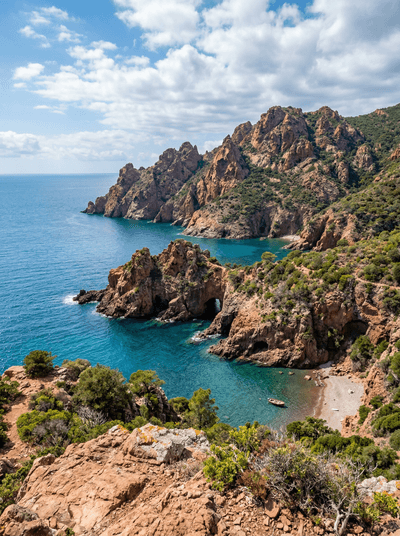
Volcanic red cliffs plunging into water so clear you count the fish from the boat.
Kabak
Turkey
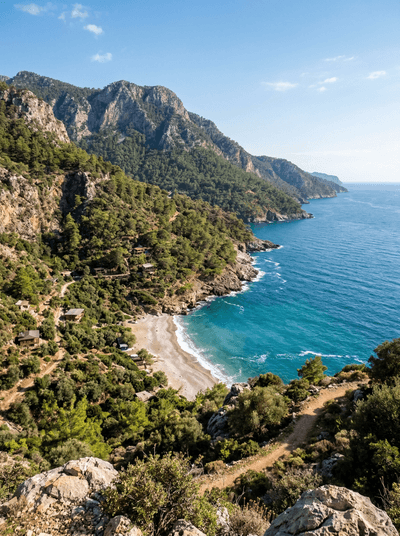
A cove reached by steep forest trail, wooden cabins under the pines above an almost-empty beach.
Boca Tapada
Costa Rica
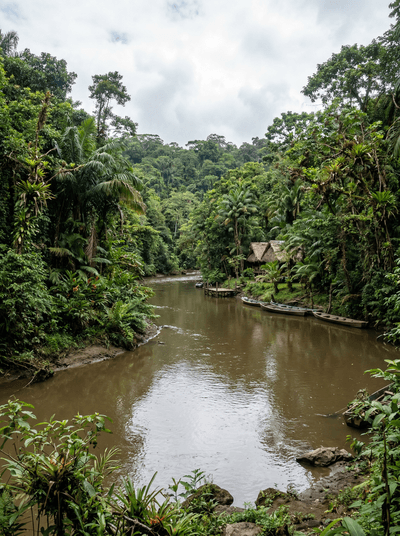
A muddy northern frontier where endangered green macaws nest in wild almond trees.
San Gerardo de Dota
Costa Rica
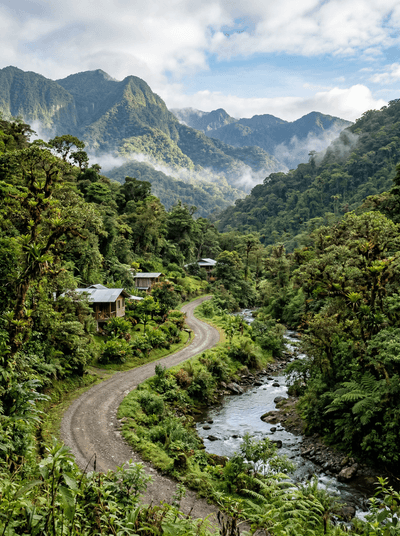
A bird the Maya held sacred flashes emerald through one cold valley's mist.
Palo Verde National Park
Costa Rica
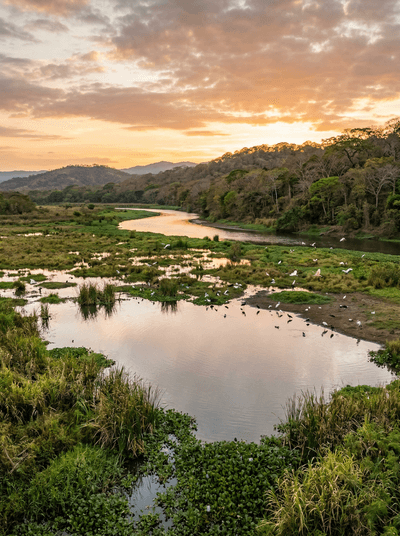
Ten thousand hectares of marsh erupt with waterbirds while crocodiles bask below limestone hills.
Cabo Blanco Absolute Natural Reserve
Costa Rica
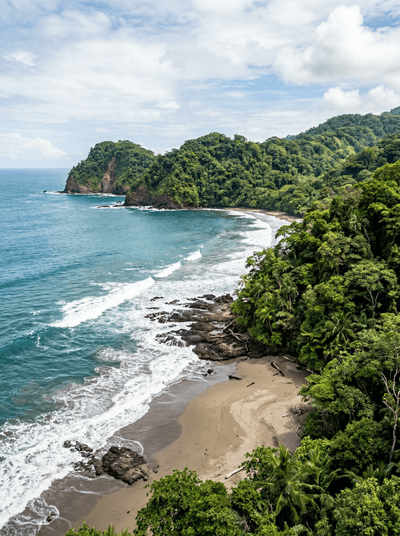
Costa Rica's first reserve — sealed shut for decades, its founder murdered defending another.