Solomon Islands
Savo Island
Megapodes bury their eggs in black sand that an active volcano keeps warm from below.
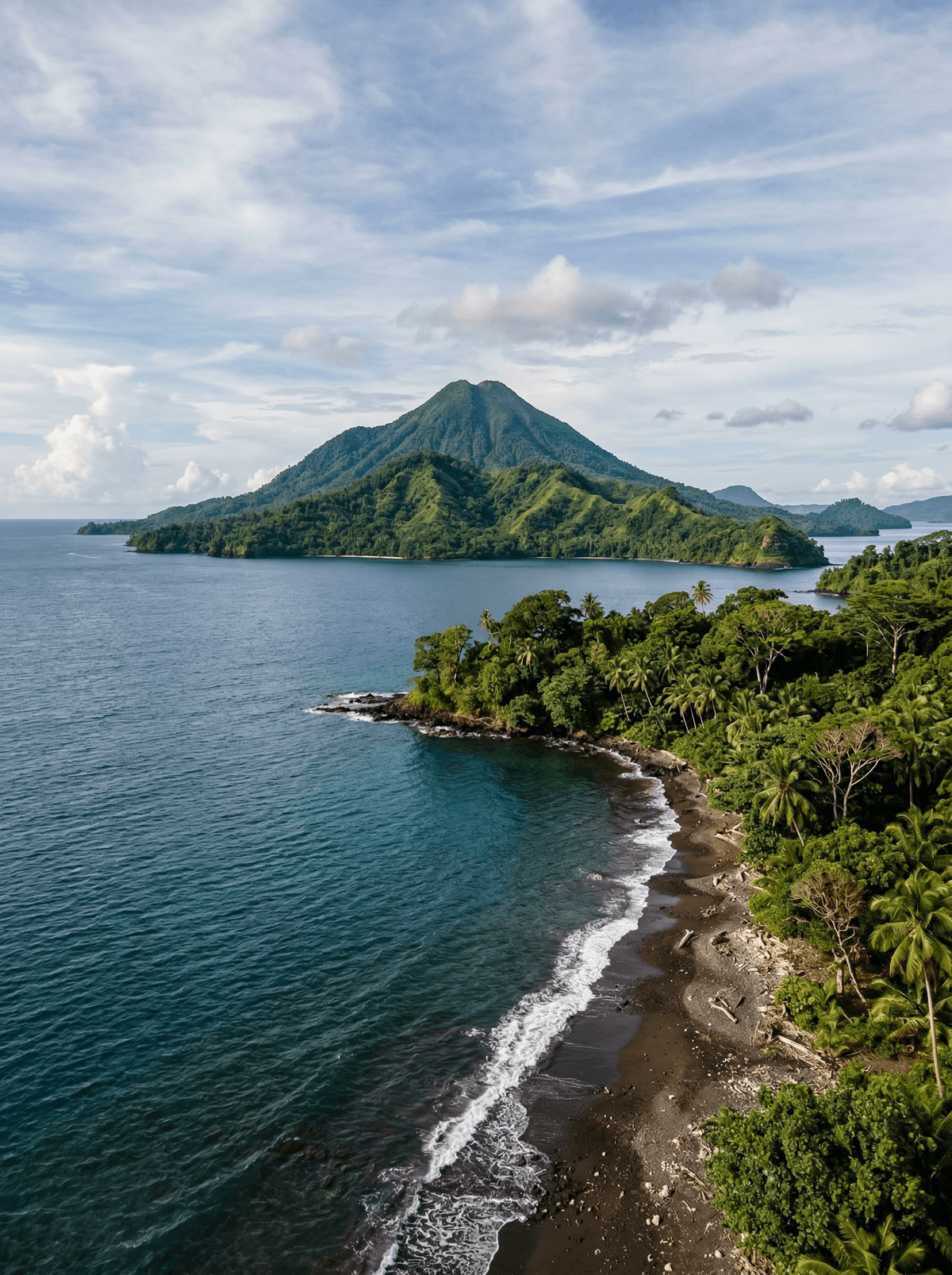
Savo rises from Iron Bottom Sound with steam, warm ground and forested volcanic slopes. Its best-known birds are megapodes, which bury their eggs in geothermally warmed soil rather than incubating them in a nest.
Savo rises out of Iron Bottom Sound as a steaming, forested volcanic island with a documented history of eruption. Its megapodes bury their eggs in ground the volcano keeps warm, leaving the heat to do the incubating. Egg harvesting follows customary rules, and the thermal ground is genuinely hot underfoot. Village guides lead the walks to the nesting grounds, the hot springs and the interior. Savo last erupted in the mid-1800s and has steamed quietly ever since.
Solo
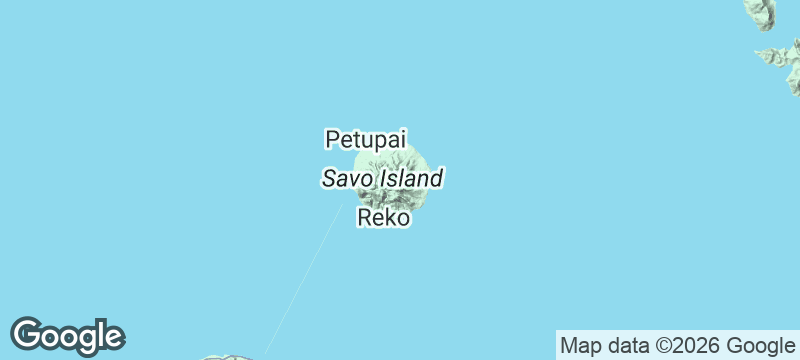
Savo is a short crossing from Honiara, and village guides walk visitors up the island, arranged through the hosts like everything here.
Couple
A few hours inland through hot springs and warm ground, and the island is small enough that you are back on the coast by the afternoon.
Friends
The climb towards the crater is the stretch worth having company on, warm ground underfoot most of the way.
- Megapodes bury their eggs in geothermally warmed ground here, leaving the volcano to do the incubating.
- Savo is an active volcano with a documented eruptive history, and small enough to cross on foot.
- Village-guided walks lead to the nesting grounds, the hot springs and the volcanic interior.
- A community guide is needed both for the route and for keeping a respectful distance from the nesting grounds.
Cassava and megapode egg cooked in volcanic hot water, taken only with a host who follows the customary harvest rules.
Fish out of the sound, grilled at the village that walks you up the island.
Khunjerab Pass
Pakistan
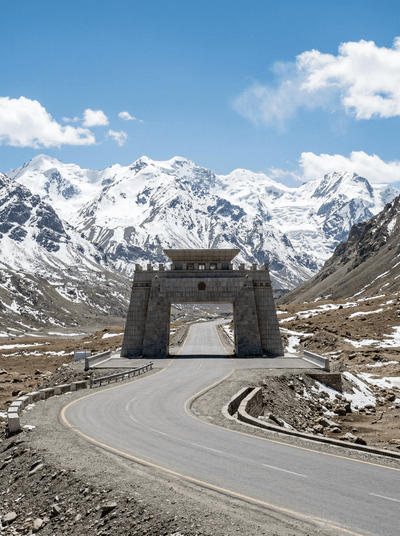
Yaks graze at 4,693 metres where the Karakoram Highway ends at Earth's highest paved border.
Rudi
Moldova
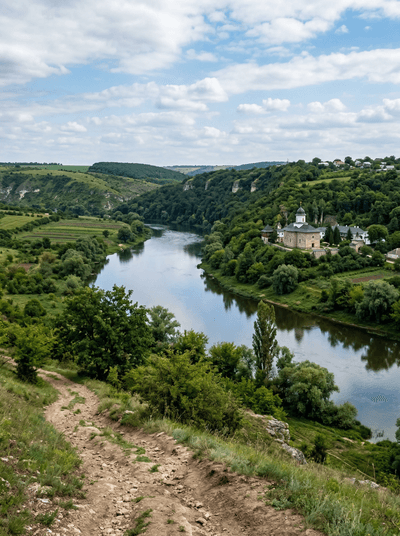
The Earth was measured from a stone in this orchard, on a line to the Arctic.
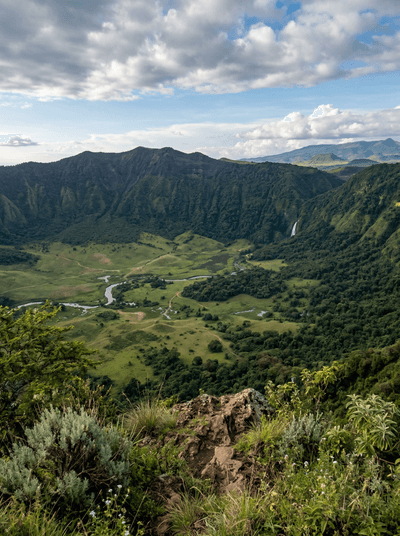
Olmoti Crater
Tanzania
A waterfall slips out of a grassy crater where cattle graze beside eland.
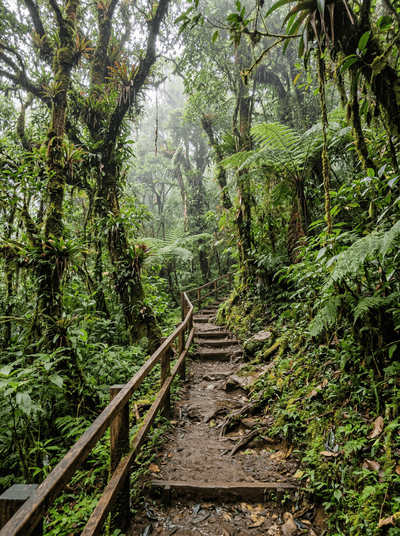
Sendero Los Quetzales
Panama
A cloud forest trail between two highland towns where resplendent quetzals flash through the mist.
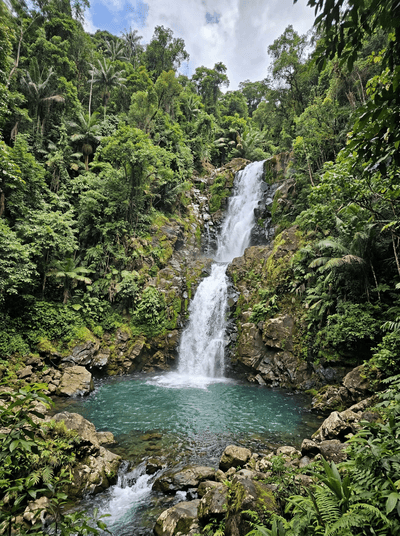
Mataniko Falls
Solomon Islands
A waterfall drops through pools into a cave, a day's walk out of the capital.
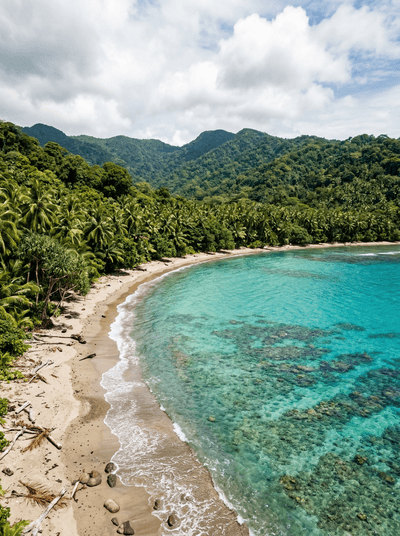
Nendo
Solomon Islands
Money made from red feathers came from here, and the memory of it has not gone.
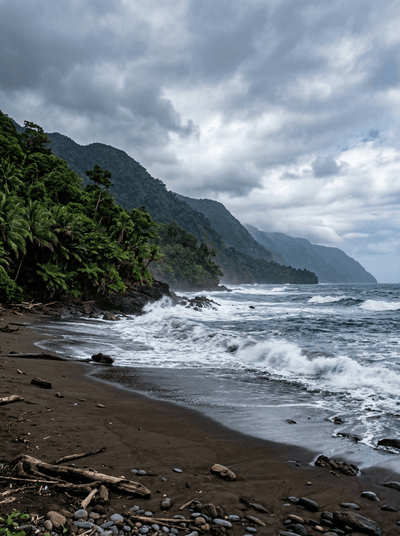
Weather Coast
Solomon Islands
Guadalcanal's southern shore has no road, and the sea decides when you travel it.
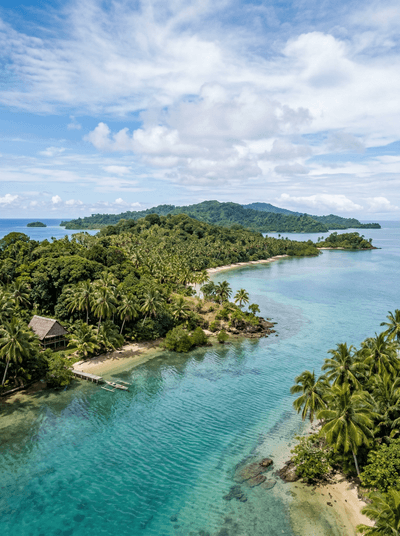
Taro Island
Solomon Islands
A provincial capital on an island low enough that the plan is to move it.