Argentina
Bahía Bustamante
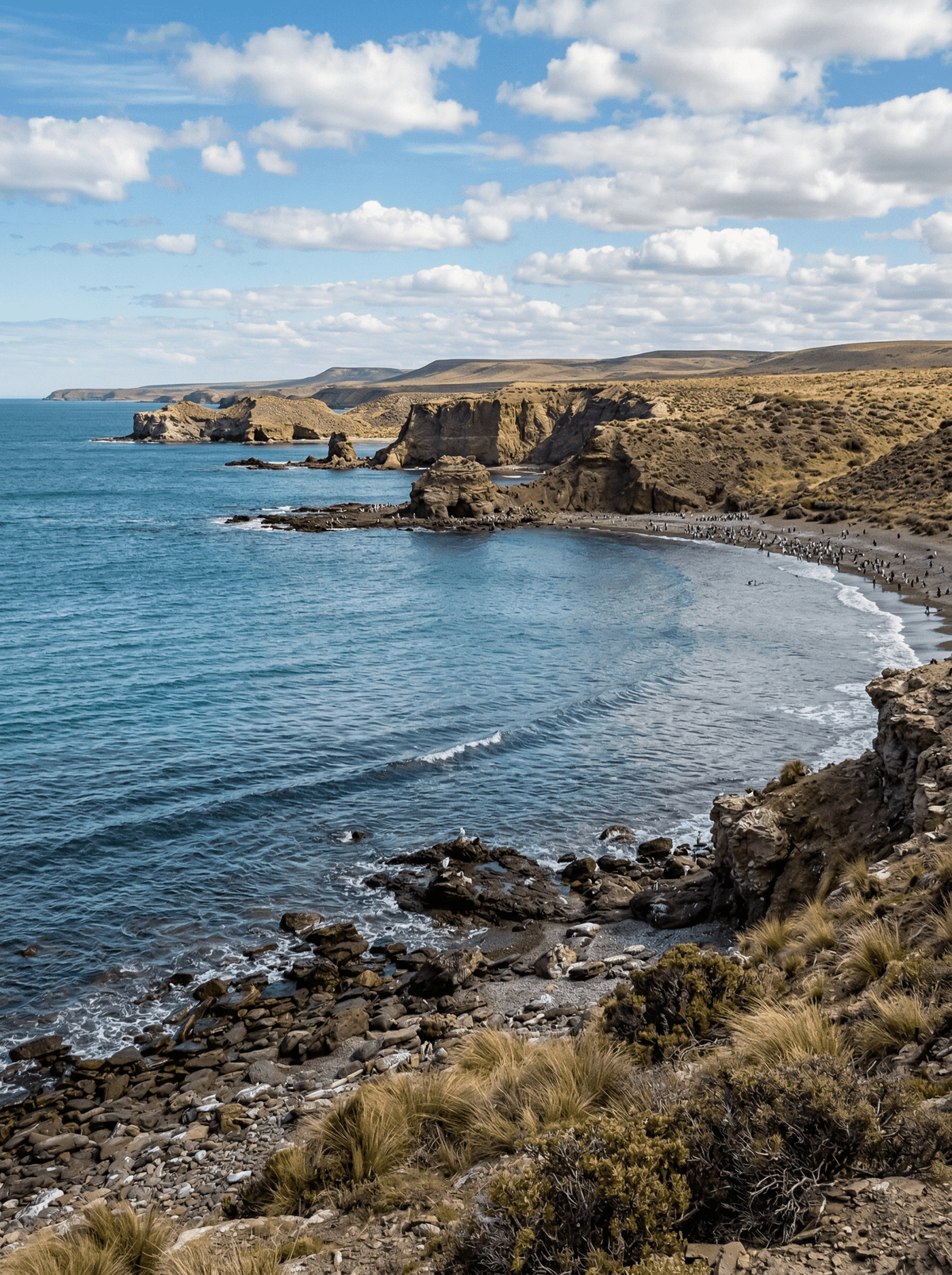
A seaweed-harvesting hamlet turned wildlife reserve, its beaches resting empty of visitors.
Bahía Bustamante spent decades as a private seaweed-harvesting town — agar for food and pharmaceutical industries, gathered by hand from the bay — and when the harvest waned, the family turned the settlement and its 110,000-hectare estate into a private nature reserve of Atlantic steppe, petrified wood and one of Patagonia's least-visited coastlines. The penguins, sea lions and dolphins here live without tourist infrastructure beyond what the tiny lodge provides its handful of guests.
The estancia sits far down an unsealed road across the steppe, with no services on the way and access tied to a confirmed stay — accommodation, guided outings, transfers and provisioning all arranged before the remote approach, because there is nothing to improvise with once you arrive. The coastline carries Magellanic and rockhopper colonies, sea lion rookeries, southern elephant seals hauled out at honest distances, Commerson's dolphins in the bay and orcas offshore in their season. The petrified wood formations here differ in origin from the famous Jaramillo beds, the worker housing and warehouses of the seaweed decades became the lodge with little architectural change, and the whole settlement runs like a working estancia that happens to have excellent beds. No signal, no wifi, and no reason for the wildlife to leave.
Solo
Designed for whoever wants to disappear — off-grid entirely, a handful of guests, and a hundred thousand hectares of coast explored on horseback or on foot.
Couple
Deep remoteness, exceptional wildlife and a working-estancia character genuinely rather than performatively remote make this Patagonia's most unusual couple's destination — two days here and the rest of the region feels crowded.
- The peninsula is a private reserve, entered only through a confirmed stay at its lodge.
- Elephant seals mass on the beaches, bulls at two tonnes, watched at honest distances.
- The seaweed decades left factory, warehouses and worker housing now living as the lodge.
- Guest numbers stay tiny by design — the wildlife holds its ground.
Seafood from the bay that morning — the settlement eats what the tide provides.
Patagonian lamb and homemade bread, the South Atlantic beyond the window.
Datça Peninsula
Turkey
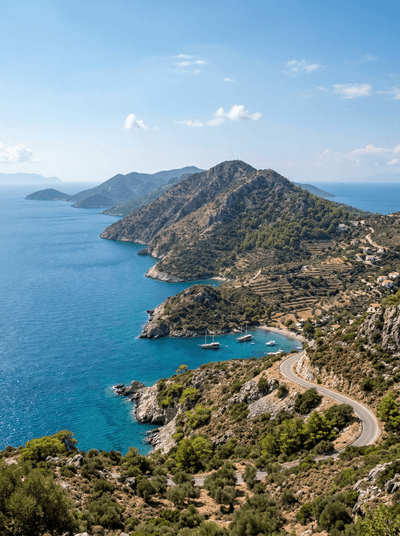
Two seas collide at a wind-raked cape where almond blossom blankets the hills each February.
Maio
Cape Verde
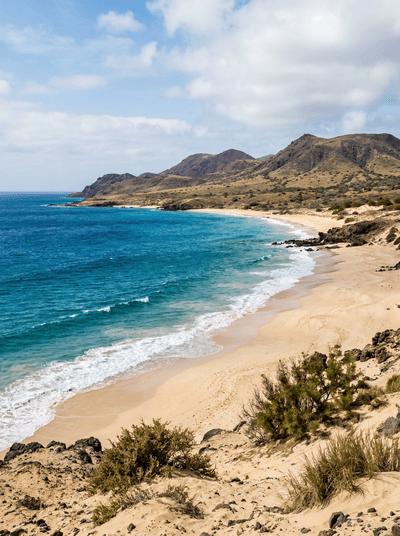
Three thousand turtles a summer nest on an island that is one whole biosphere reserve.
Ly Son Island
Vietnam
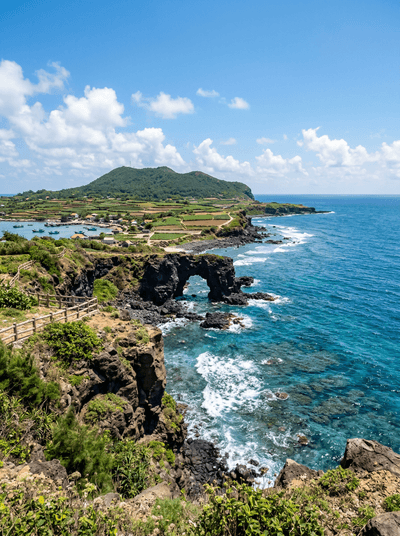
A volcanic island quilted in garlic fields stretching toward basalt cliffs and the sea.
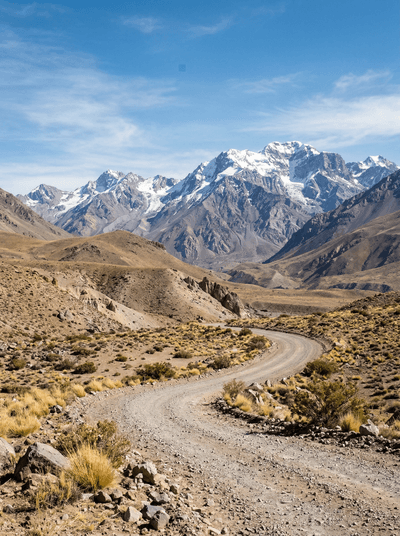
El Leoncito National Park
Argentina
Observatories under Argentina's clearest sky, where the Milky Way is bright enough to shadow.
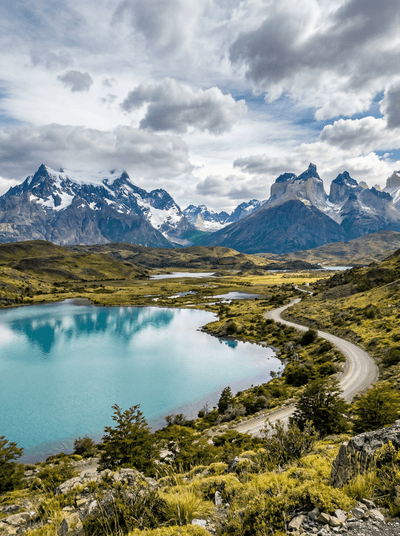
Parque Nacional Patagonia
Argentina
A sheep ranch returned to wilderness, where pumas again stalk guanaco herds freely.
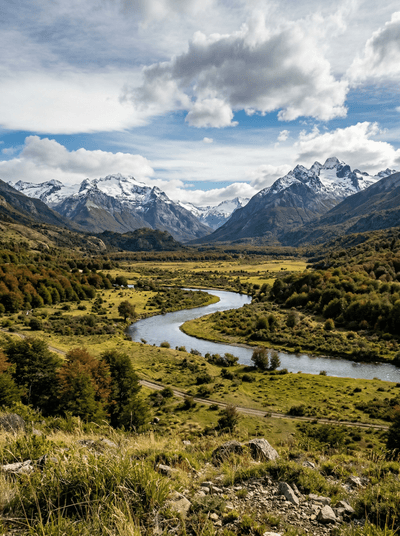
Cholila
Argentina
Butch Cassidy's cabin still stands in a valley where gauchos outnumber tourists.
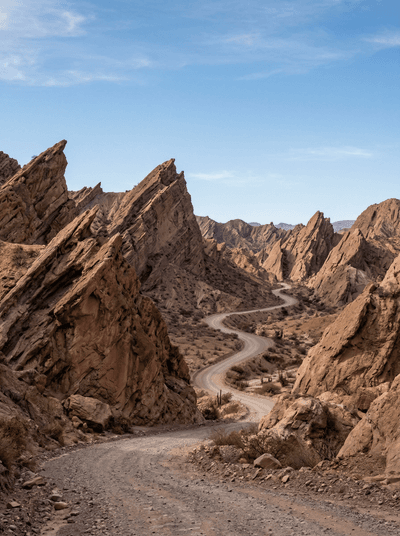
Quebrada de las Flechas
Argentina
Tilted stone slabs pierce the earth like frozen arrows, a canyon turned sideways.