Argentina
Quebrada de las Flechas
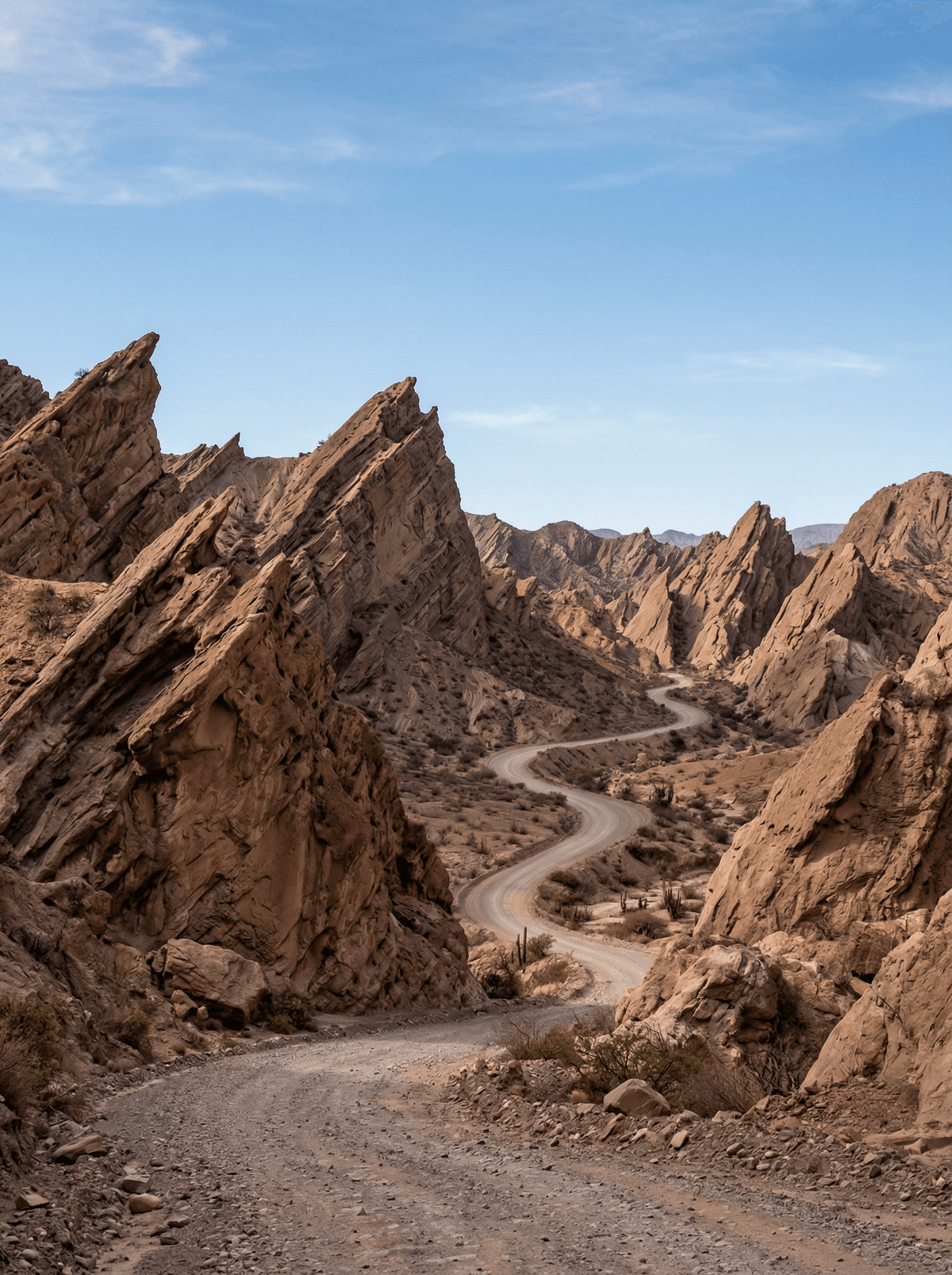
Tilted stone slabs pierce the earth like frozen arrows, a canyon turned sideways.
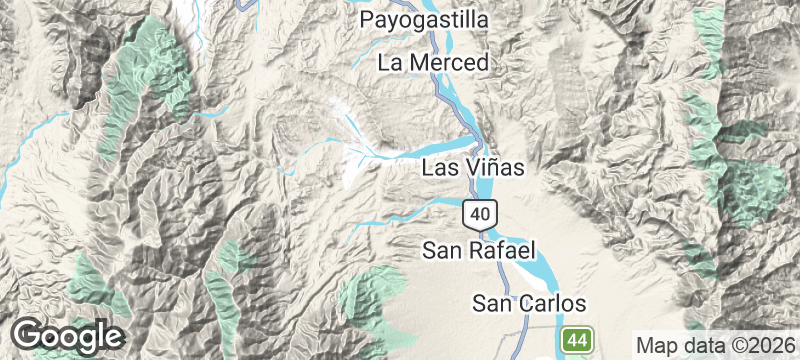
The Ruta 40 between Cafayate and Cachi runs straight through the Quebrada de las Flechas — kilometres of red sandstone fins tilted from horizontal to near-vertical by tectonic pressure, their weathered points rising forty metres over the road like a knife rack scaled for geography. This is a destination you drive through rather than arrive at, and it is honest about that: the road is the experience.
The strata were folded and forced upright by Andean compression in deep geological time, then stripped by erosion into isolated fins, arches and columns unlike anything else on the Ruta 40 corridor — iron oxide supplying the red, differential resistance supplying the drama. The section south of Angastaco is unpaved, carries no services, and rewards the through-journey discipline: fuel and water sorted in Cafayate or Cachi, stops taken at the marked pull-offs rather than improvised on blind bends, and the light left to do its work — the east-facing spires burn orange in the first sun before the angle softens. On the valley floor, pre-Inca terracing and a willow-lined creek offer the only shade in a landscape of total exposure, and the rockfall-buried ruins of an old winery at the northern end remind you that people have tried to live here anyway.
Solo
Driving the flechas alone at first light, spires glowing while the valley still holds its cold, is a Ruta 40 memory that outlasts most destinations with car parks.
Couple
The through-drive from Cafayate — red rock deepening for an hour before the arrows appear without warning — makes the day's journey the destination, with Torrontés waiting at either end.
- Tectonic compression forced the strata near-vertical; erosion sharpened them to arrows.
- The formations line both sides of the unpaved Ruta 40 south of Angastaco.
- First sun burns the east-facing spires orange before the angle softens.
- The approach from Cafayate deepens through shades of red before the flechas appear.
Roadside empanadas from vendors along the Ruta 40, filled with goat and potato.
Torrontés bought in Cafayate and poured roadside as dusk reddens the flechas.
Calhau
Cape Verde
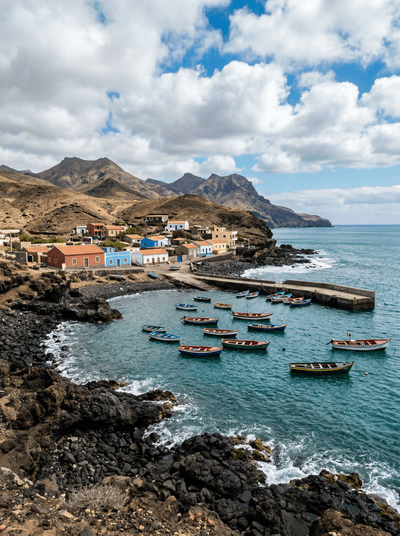
Climb a dead volcano from the beach and count three uninhabited islands from its rim.
Saint-Cirq-Lapopie
France
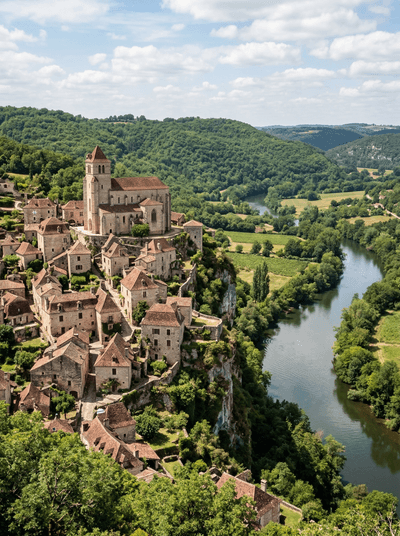
Cliffside houses dangling over the Lot where Breton stopped wanting to be anywhere else.
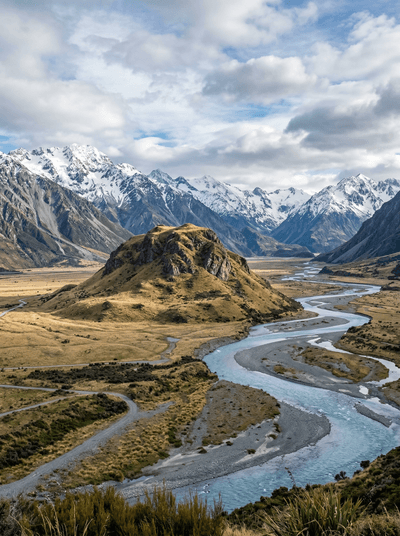
Mount Sunday
New Zealand
A solitary hill guarding a braided river plain — Tolkien's Rohan made real, set removed.
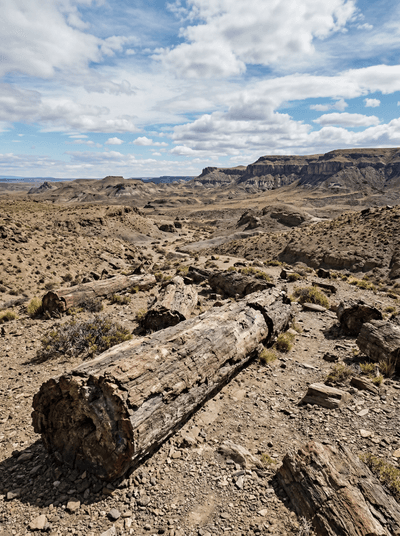
Bosques Petrificados de Jaramillo
Argentina
Trees turned to stone in the Jurassic, lying where they fell on windswept steppe.
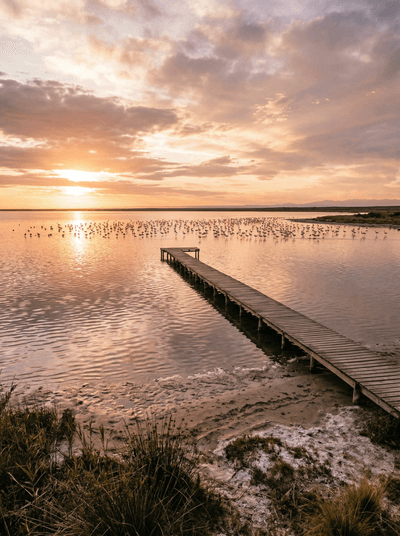
Mar de Ansenuza
Argentina
South America's largest salt lake turns pink with flamingos against a soybean horizon.
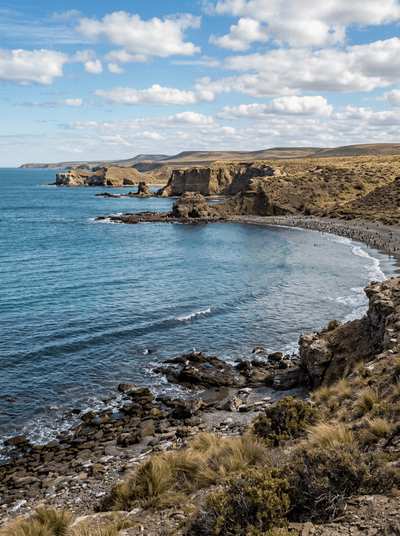
Bahía Bustamante
Argentina
A seaweed-harvesting hamlet turned wildlife reserve, its beaches resting empty of visitors.
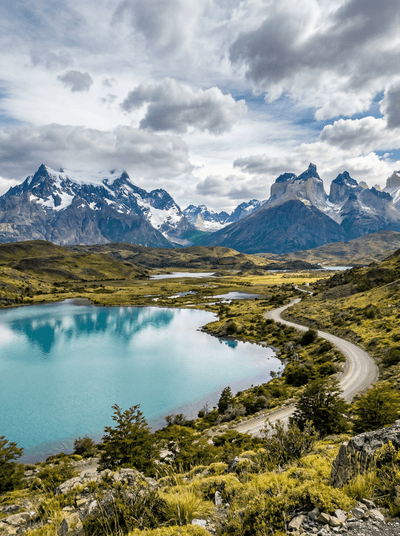
Parque Nacional Patagonia
Argentina
A sheep ranch returned to wilderness, where pumas again stalk guanaco herds freely.