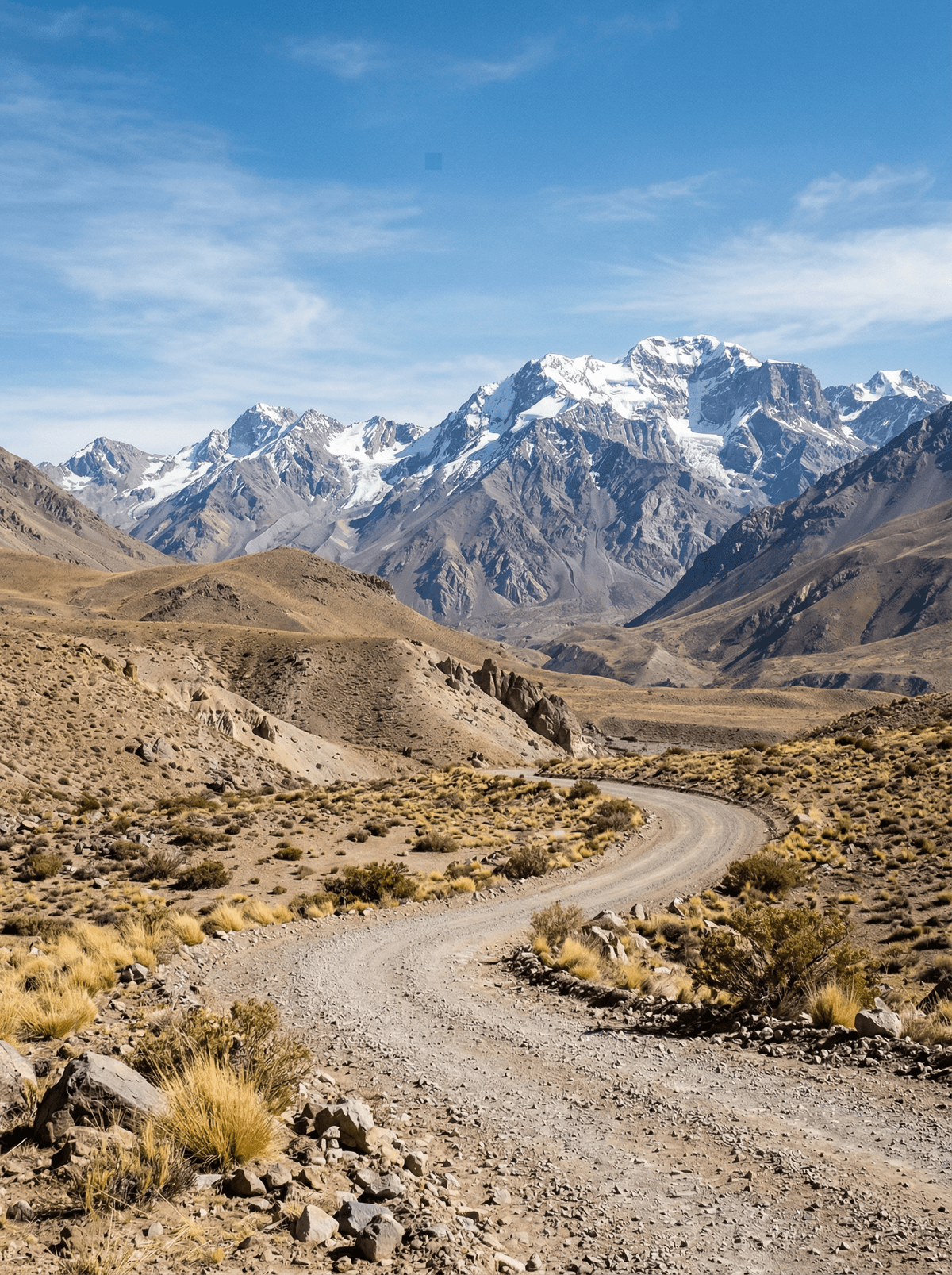
Argentina
El Leoncito National Park
Observatories under Argentina's clearest sky, where the Milky Way is bright enough to shadow.
El Leoncito National Park occupies one of the driest corners of the Andes foothills, under a night sky measured among the darkest in the southern hemisphere — the reason two working observatories stand inside it. The park protects the high pampas around them too: guanacos moving through yellow grass at dusk, condors riding the Precordillera thermals, and pumas hunting the ridges unseen more often than seen.
The park spreads some 76,000 hectares of high desert grassland, protected since 2002 around the astronomy that made the valley famous: CASLEO with Argentina's largest optical telescope, and the Cesco Station on the valley floor with its public outreach evenings. Their scientific work comes first — public evenings exist at the observatories' own discretion — and the park's rules govern access, fire and night movement. What the visits deliver is unarguable: over three hundred cloudless nights a year, the Milky Way's core naked-eye on most of them, and the Magellanic Clouds hanging as plain objects in a sky with zero artificial light. There is no hotel and no services; day visitors come from Barreal, provisions travel in, and the nights belong to whoever stays.
Solo
Dark-sky observatory access, guanaco grasslands and a total absence of tourist infrastructure suit anyone who would rather sit with the Andes than pass through them — campsite night, observatory evening, guanacos at dawn.
Couple
An evening under the observatory sky — the Milky Way structural above the pampas — is San Juan's most specific and underrated experience.
- Two working observatories — CASLEO and the Cesco Station — stand inside the park.
- Over three hundred cloudless nights a year keep the Milky Way's core naked-eye.
- The Magellanic Clouds — two companion galaxies — hang as plain naked-eye objects here.
- No hotel exists in the park; after the day visitors leave, the night is empty.
Provisions packed from Barreal or Calingasta — no services exist past the entrance.
Regional wine and empanadas at a Barreal hostería after a night of stargazing.
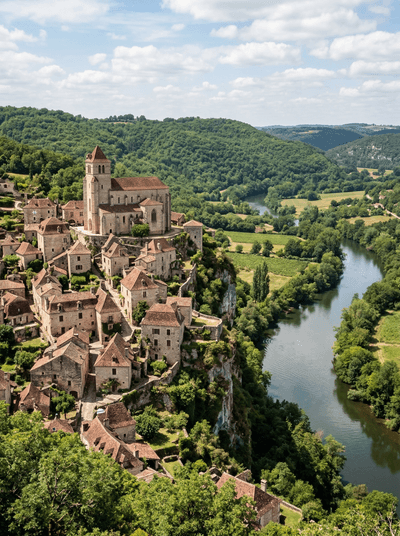
Saint-Cirq-Lapopie
France
Cliffside houses dangling over the Lot where Breton stopped wanting to be anywhere else.
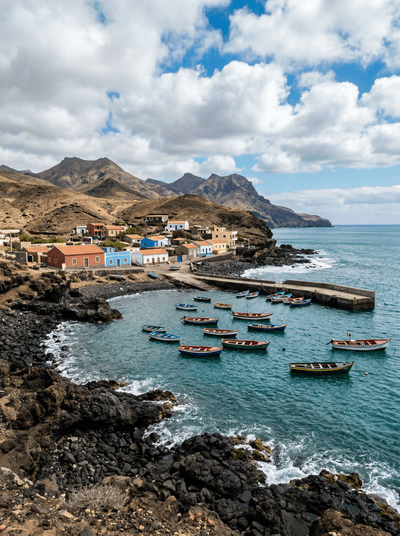
Calhau
Cape Verde
Climb a dead volcano from the beach and count three uninhabited islands from its rim.
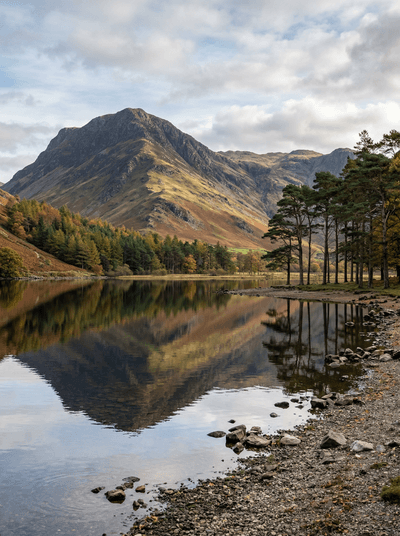
Buttermere
England
A mirror lake ringed by fells so symmetrical the reflection is indistinguishable from the real.
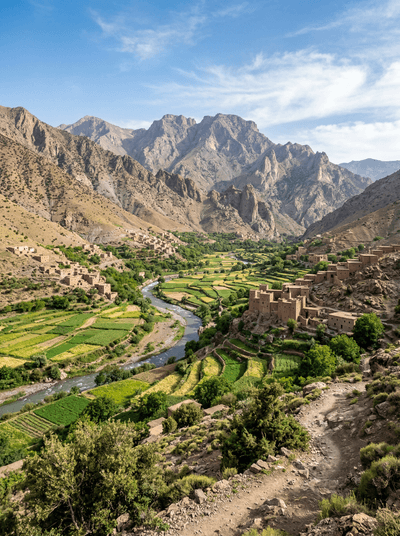
Aït Bouguemez Valley
Morocco
Dinosaur tracks survive on the valley floor among irrigated fields and earthen villages.
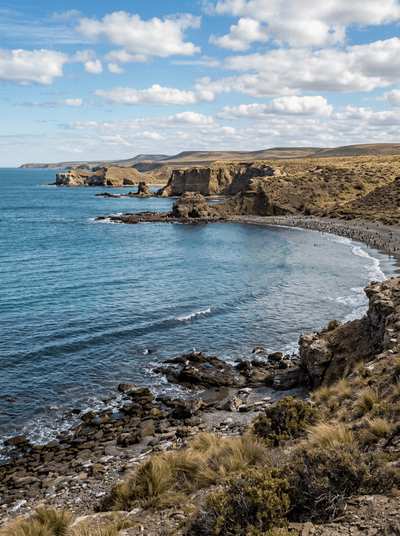
Bahía Bustamante
Argentina
A seaweed-harvesting hamlet turned wildlife reserve, its beaches resting empty of visitors.
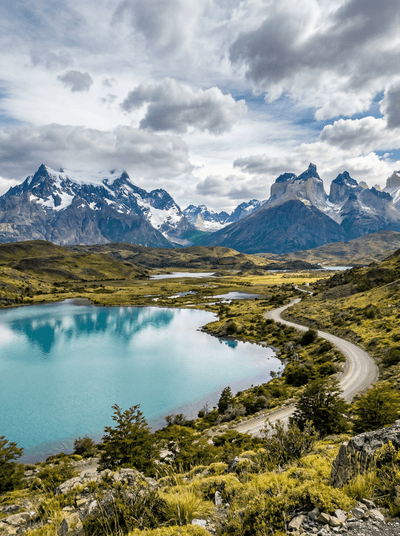
Parque Nacional Patagonia
Argentina
A sheep ranch returned to wilderness, where pumas again stalk guanaco herds freely.
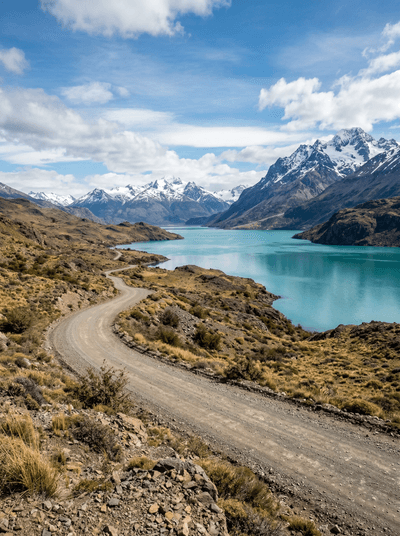
Lago Posadas
Argentina
Twin lakes, one turquoise, one sapphire, divided by a land bridge laced with fossils.
Mar de Ansenuza
Argentina
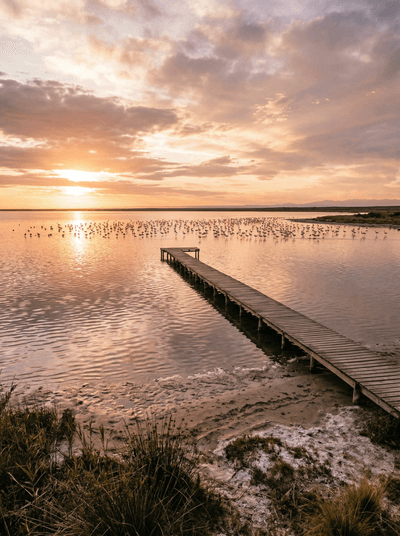
South America's largest salt lake turns pink with flamingos against a soybean horizon.