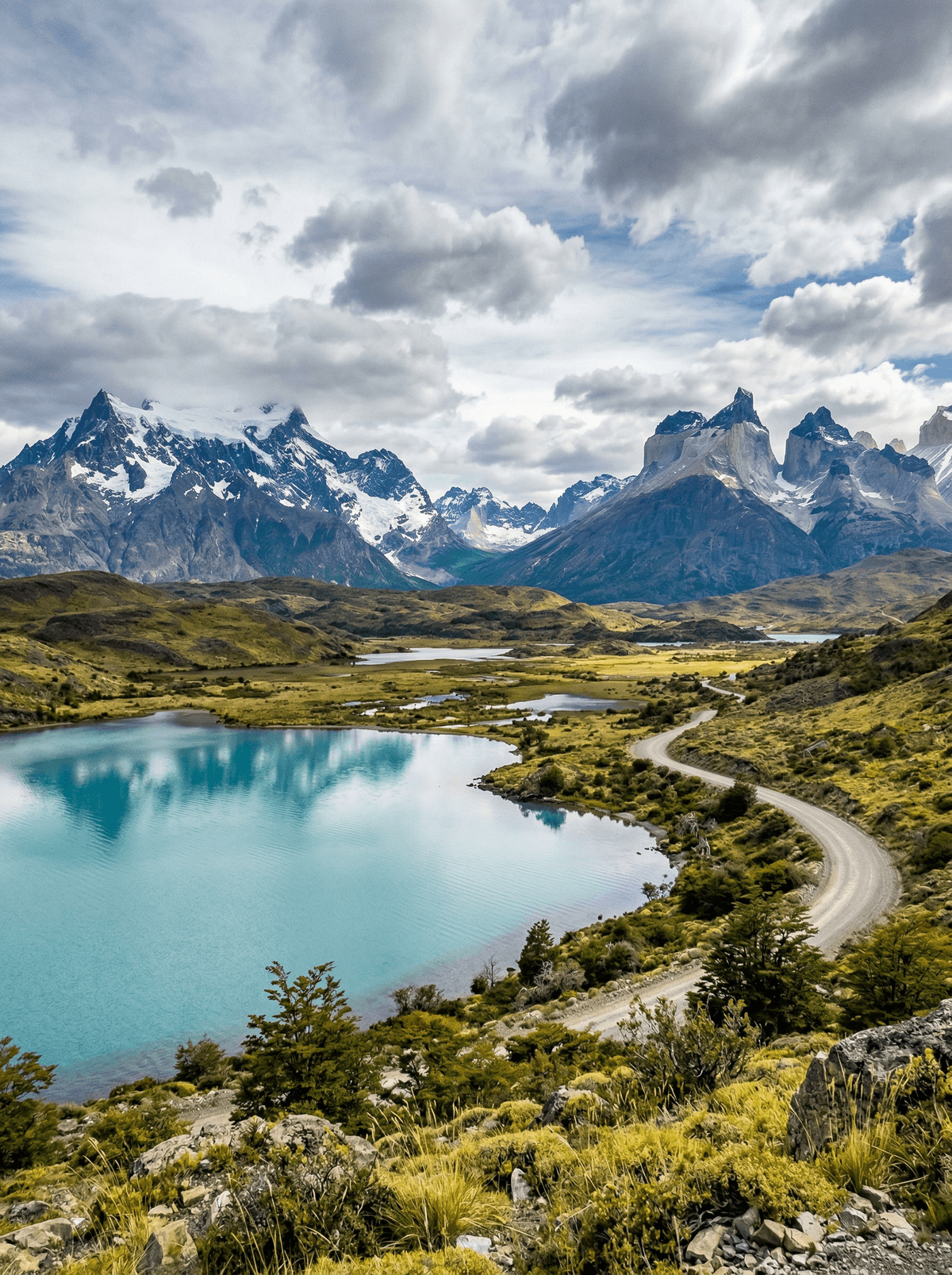
Argentina
Parque Nacional Patagonia
A sheep ranch returned to wilderness, where pumas again stalk guanaco herds freely.
Parque Nacional Patagonia was assembled from former sheep estancias — steppe that a century of overgrazing had pushed toward desert — and in the years since, the guanacos have returned, the endangered huemul is monitored back from the brink, and native coirón grassland reasserts itself over bared soil. What is returning is what Patagonia looked like before European sheep.
The park spreads across basalt tablelands, steppe lakes and the upper Pinturas River basin in northwest Santa Cruz, established in 2014 and grown since — one of the most significant ecological restorations in the Americas, its purchased estancias donated to the state and their buildings converted to visitor facilities with little change. Marked day walks and longer circuits run from the La Ascensión sector under official park guidance, with supplies carried from the nearest service town, water topped up only at the information-centre shop, and the published picnic ground at Caburé the one concession to comfort. The conservation story enriches every trail without promising anything: no puma, huemul or guanaco owes an appearance, and the landscape — shaped as much by geology as by restoration — carries the day regardless. Downstream, the basin runs toward Cueva de las Manos, tying ecological recovery to human deep time.
Solo
Where you go to understand what Patagonia is recovering toward — returning guanacos, native grasses over eroded soil, uncrowded trails matched honestly to remoteness and weather, wildlife left to appear or not.
Couple
Two days pairing this landscape with Cueva de las Manos covers geological deep time and ecological recovery time in one complete Patagonian story — built around basalt viewpoints and a chosen lake route rather than a fauna chase.
- Former estancias were purchased, donated to the state and folded into a national park.
- Guanaco herds again move the steppe in numbers rebuilt across the decade.
- Basalt plateaux and steppe lakes stand above the Pinturas basin's rock-art country.
- Day walks and longer circuits run from La Ascensión under official park guidance.
A complete trail meal carried for the plateau paths, eaten at the Caburé picnic ground.
Calafate berry jam on camp bread — the steppe's own sweetness on a rewilded horizon.
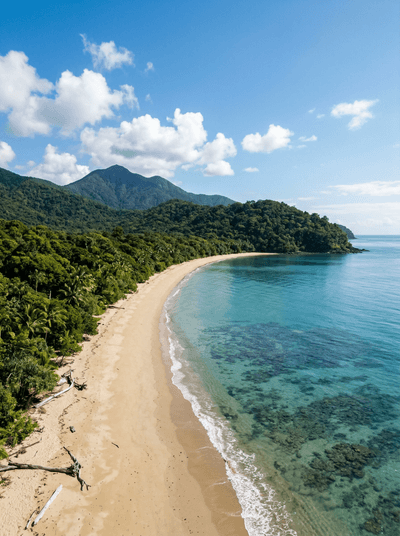
Cape Tribulation
Australia
Rainforest runs out of land where mangroves, beach and reef coast collide.
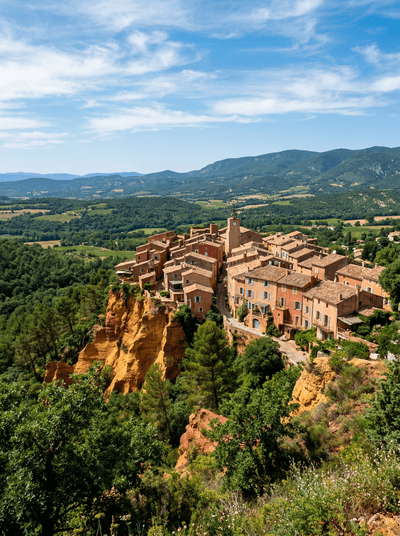
Roussillon
France
Ochre cliffs bleeding every shade from cream to blood-red into the village walls themselves.
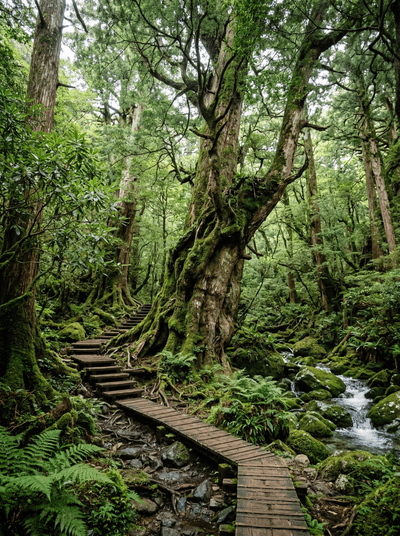
Yakushima
Japan
Ancient cedar forest wrapped in mist where roots swallow granite boulders whole.
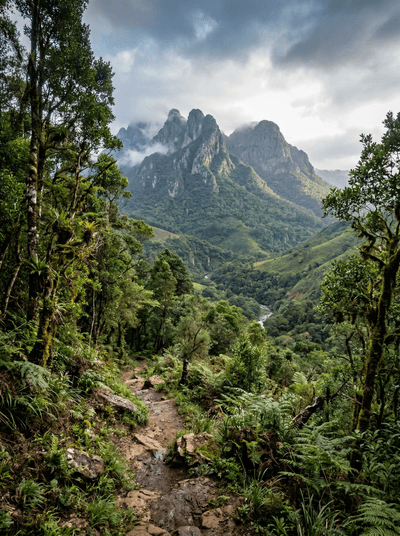
Hogsback
South Africa
Mist gathers in indigenous forest above waterfalls, gardens and a small mountain village.
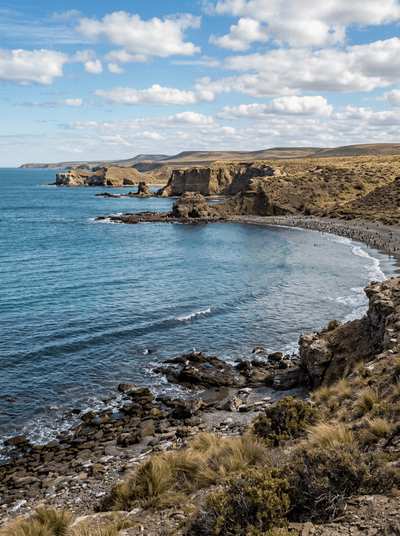
Bahía Bustamante
Argentina
A seaweed-harvesting hamlet turned wildlife reserve, its beaches resting empty of visitors.
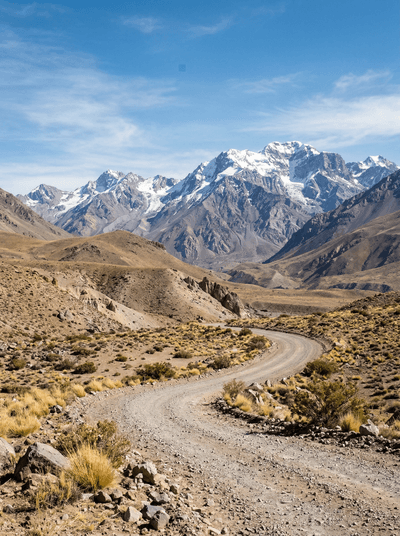
El Leoncito National Park
Argentina
Observatories under Argentina's clearest sky, where the Milky Way is bright enough to shadow.
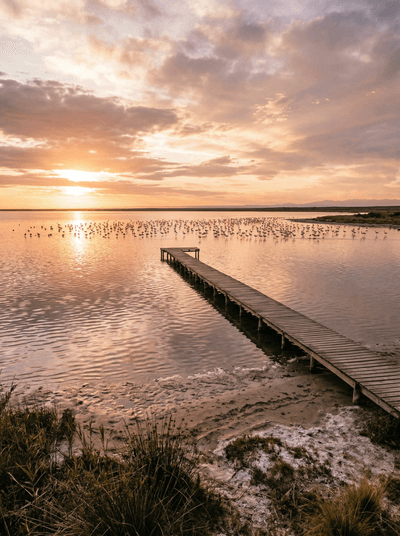
Mar de Ansenuza
Argentina
South America's largest salt lake turns pink with flamingos against a soybean horizon.
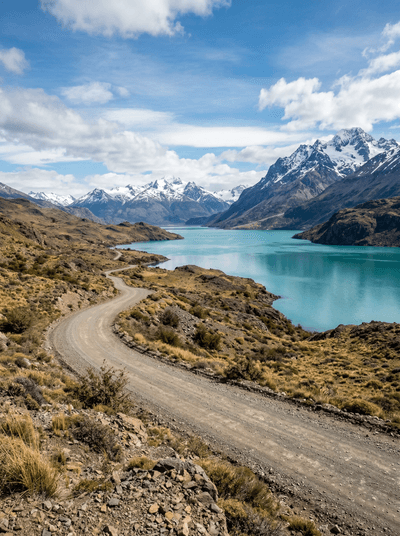
Lago Posadas
Argentina
Twin lakes, one turquoise, one sapphire, divided by a land bridge laced with fossils.