Argentina
Bañado La Estrella
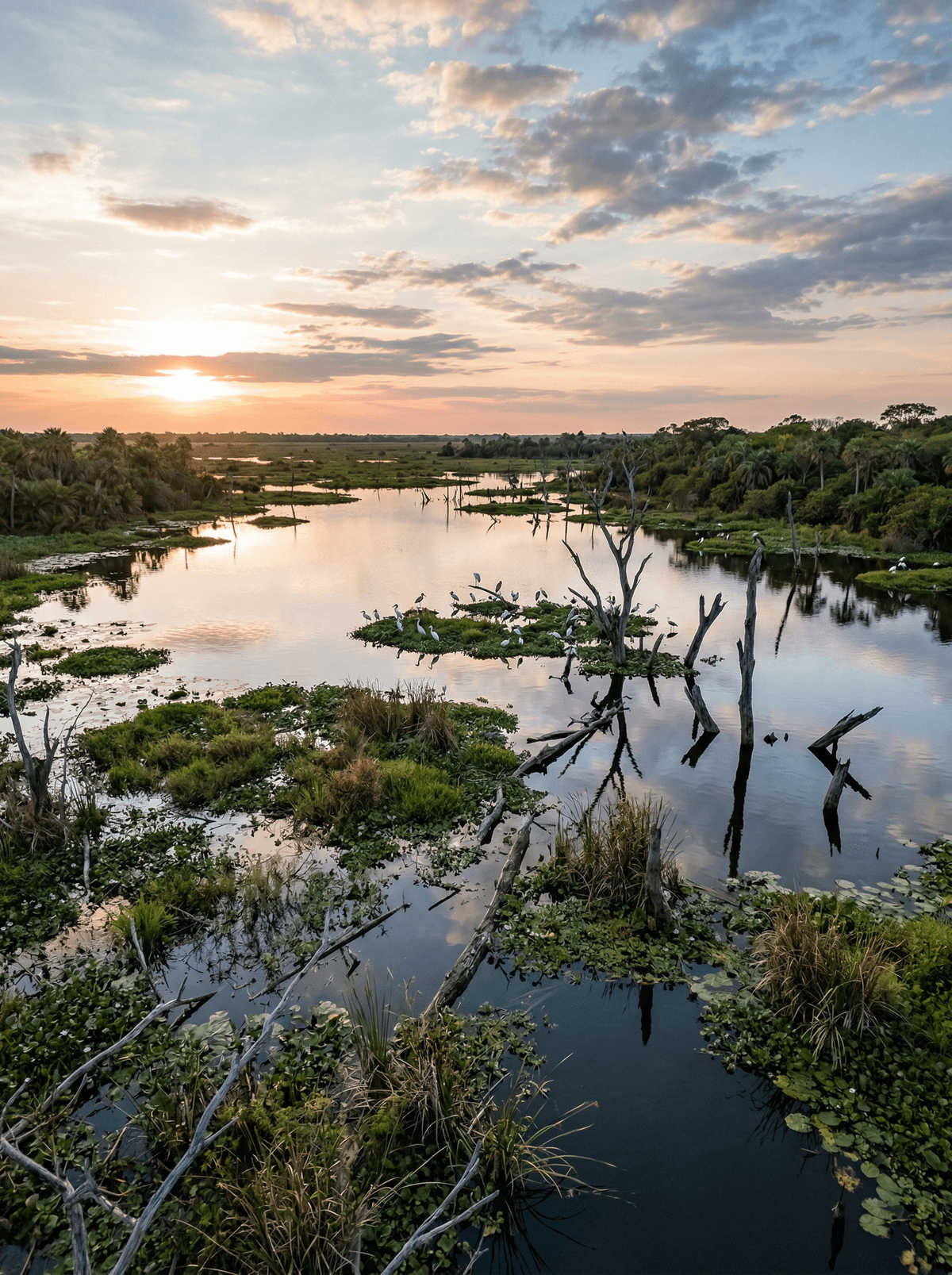
Dead trees stand in still floodwater — Argentina's forgotten Chaco wetland, drowned and reborn yearly.
Bañado La Estrella is a vast seasonal wetland in Formosa — the Argentine Chaco's largest — that fills when the Pilcomayo overflows and drains back toward dryness as the year turns, a landscape completely different at the same coordinates in July and October. Jabiru storks stand two metres tall in the shallows, caimans float like logs until something moves them, and pale drowned trunks rise from the water in an image that evokes the Pantanal and is known to almost no one.
The bañado forms where the Pilcomayo loses itself in the flat Chaco before ever reaching the Paraguay, spreading into a shallow seasonal lake that supports one of the continent's great bird gatherings — over 350 recorded species, from roseate spoonbills to comb ducks, in an internationally recognised Important Bird Area. Caimans, capybaras, marsh deer and maned wolves work the edges, and the flooding itself is the habitat's bodyguard, keeping the agriculture that has degraded the wider Chaco at bay. The visit belongs to local knowledge: guides from Las Lomitas, 4WD on tracks that flood seasonally, boats for parts of the circuit in the wet, and the photographic safari taken at the wetland's own pace. Formosa carries less tourist infrastructure than any Argentine province — which is precisely the condition that keeps the bañado what it is.
Solo
The traveller does the logistics here — local guides, unmarked tracks, a seasonal wetland navigated without infrastructure — and is paid in exactly the encounter with the Chaco's wildlife that managed alternatives cannot produce.
- The Pilcomayo fills a shallow lake across the floodplain for long months of the year.
- Bleached dead trees stand in still water — a Pantanal image known to almost no one.
- Jabiru storks, caimans and capybaras crowd the shrinking water in the dry season.
- Seasonal flooding closes the access tracks — local 4WD guides alone get you in.
River fish grilled at community lodges on the wetland's edge.
Chipá, mate and dried meats for the journey into the bañado.
Kanton
Kiribati
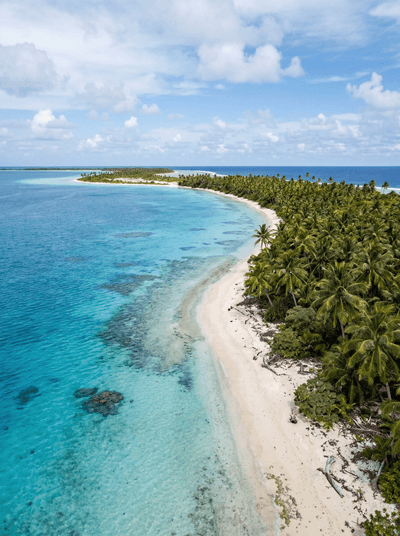
Flying-boat ruins and space-tracking relics rust beside a lagoon kept by forty-one islanders.
Bellona Island
Solomon Islands
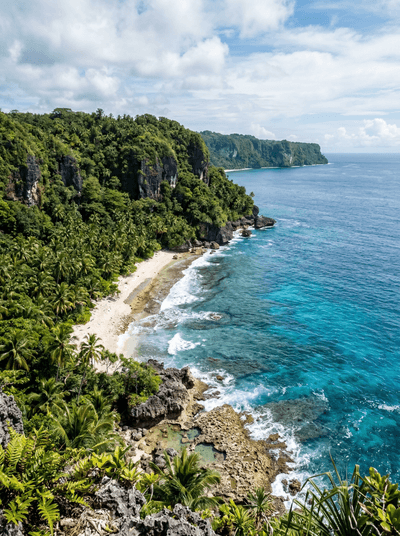
Everything arrives thrown through the surf at a cleft in the cliffs; Bellona has no harbour.
Paposo
Chile
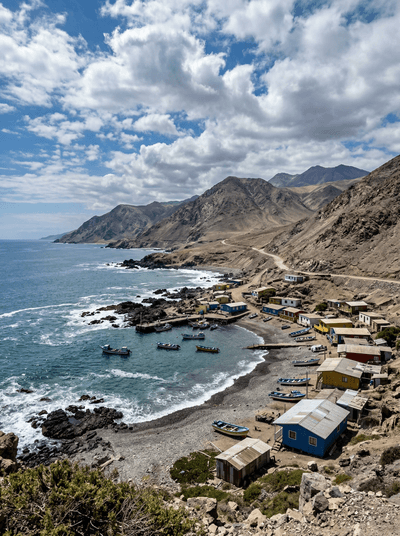
Sea fog feeds an improbable garden of endemic plants on the Atacama coast.
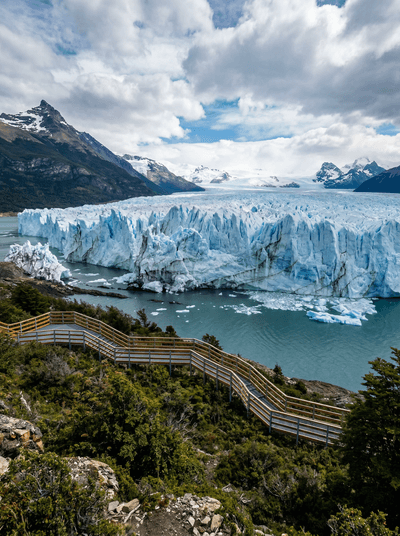
Parque Nacional Perito Moreno
Argentina
Argentina's emptiest national park — turquoise lakes, open steppe and trails measured in days.
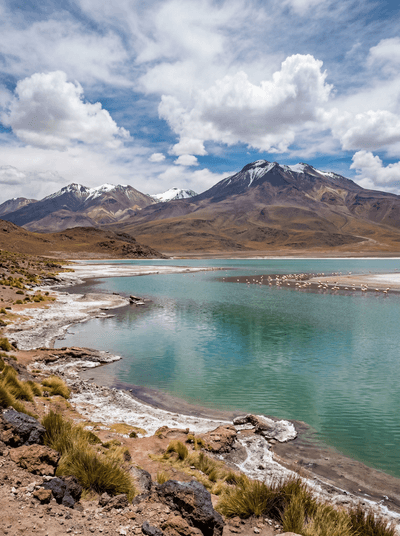
Laguna Brava
Argentina
Flamingos wade a salt lake beneath six-thousand-metre volcanoes where humans are the rarity.
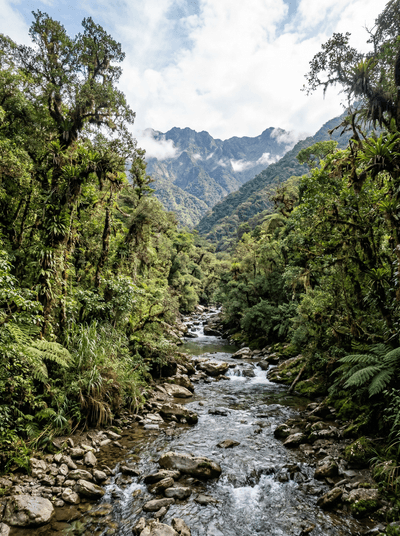
Parque Nacional El Rey
Argentina
A cloud forest fills a natural amphitheatre where bird species outnumber daily visitors.
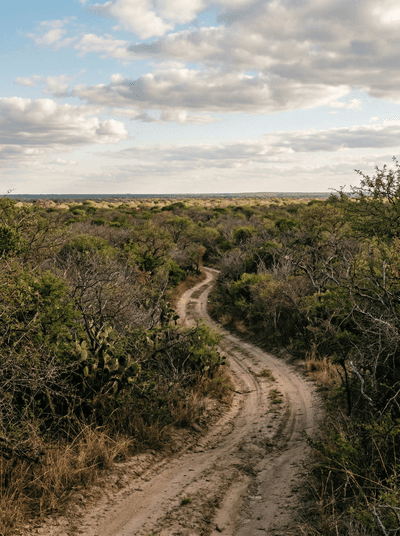
El Impenetrable
Argentina
Thorn forest so dense it stopped colonial armies, sheltering jaguars in the wild Chaco.