Argentina
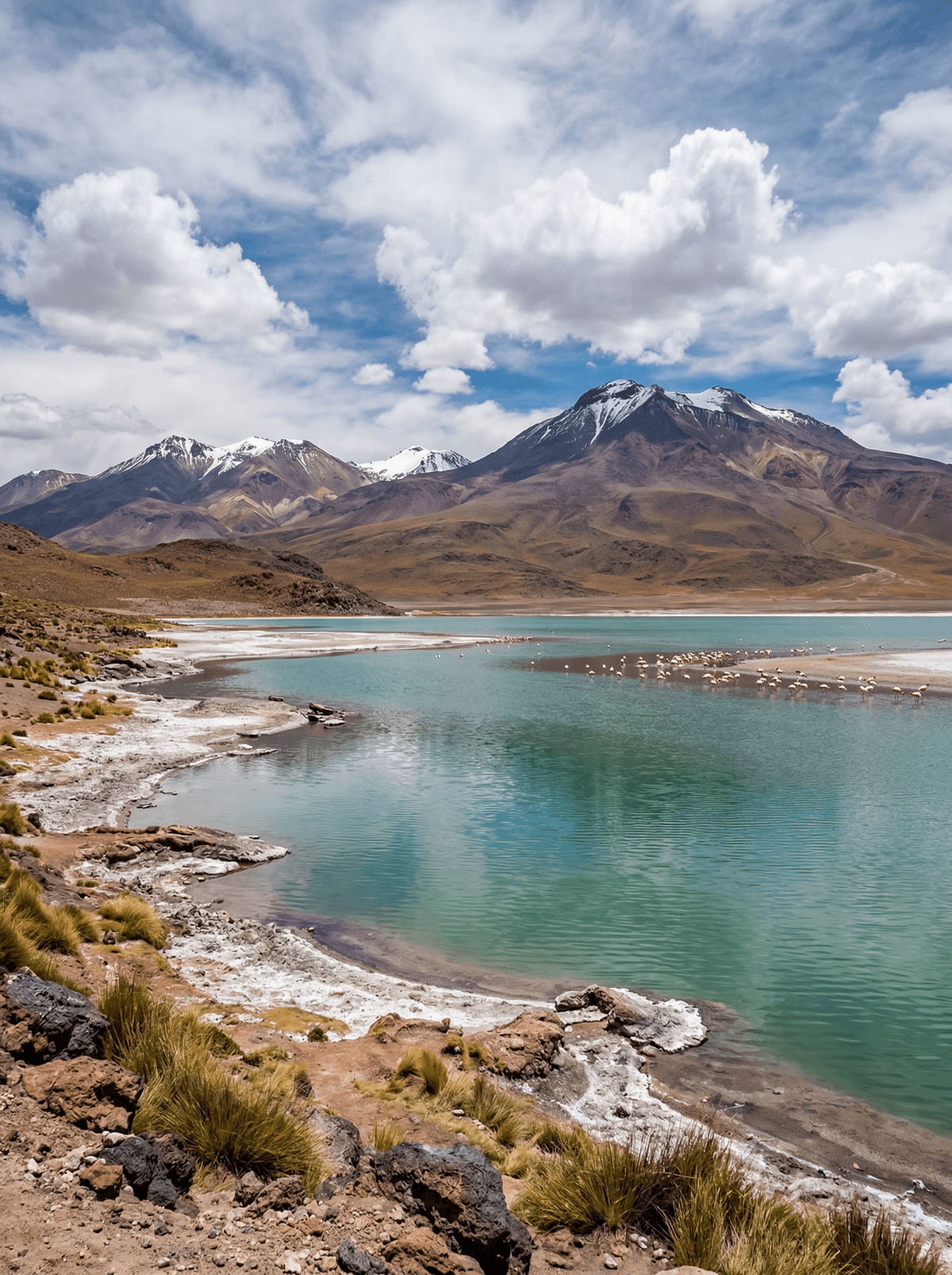
Laguna Brava
Flamingos wade a salt lake beneath six-thousand-metre volcanoes where humans are the rarity.
Laguna Brava lies beyond 4,200 metres on the La Rioja puna, pink with flamingos against white salt crust and the orange-red volcanic wall behind — a landscape that looks composited from three different photographs. The track up from the last settlement follows a gorge of red and white rock through high desert with no services, and the journey itself is a large part of the point.
The reserve protects a saline lake beneath a skyline of six-thousanders, alkaline and salty enough that almost nothing survives it except the flamingos — Chilean, Andean and James's, all three species — the biomat bacteria and the algae that colour the water. It ranks among the principal Argentine sites for the scarce James's flamingo, vicuñas graze the surrounding puna in numbers recovered from near-extinction, and the route passes the nineteenth-century stone refuges built for drovers who once pushed cattle over these passes to Chile. The visit runs through authorised excursions with registered guides: road, wind and snow conditions confirmed before the ascent, acclimatisation taken seriously, the managed route respected, and wildlife left at its own distances. Nights here drop far below freezing while middays burn — the puna's arithmetic, unchanged.
Solo
Three flamingo species on an alkaline lake framed by volcanoes, the only sound wind and birds — a reference-point destination carried for the rest of a travelling life. It asks a guided vehicle, an acclimatised body and a full day, and is worth all three.
- All three high-Andean flamingo species feed here, distinguishable across the shallows.
- Nineteenth-century stone refuges mark the old droving route over the passes to Chile.
- Vicuñas graze the reserve's puna, recovered from near-extinction across the high Andes.
- River fords and seasonal snow close the road at will — registered guides set the terms.
Provisions packed from Villa Unión — the laguna offers flamingos and silence, nothing else.
Cabrito and empanadas riojanas waiting in Villa Unión where the long descent bottoms out.
Calhau
Cape Verde
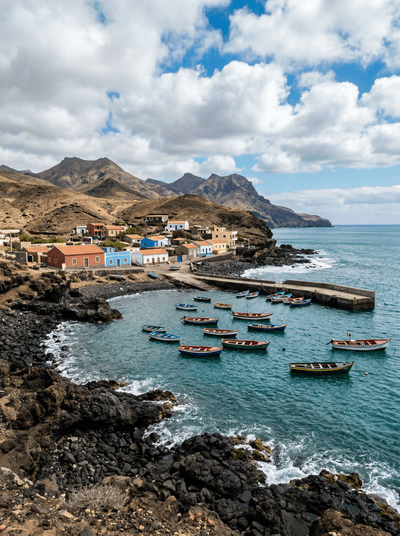
Climb a dead volcano from the beach and count three uninhabited islands from its rim.
Aït Mansour Gorge
Morocco
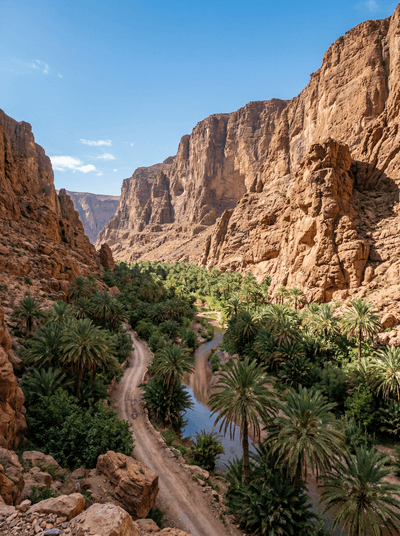
The road falls out of pink granite into a red gorge roofed with date palms.
Cirque de Navacelles
France
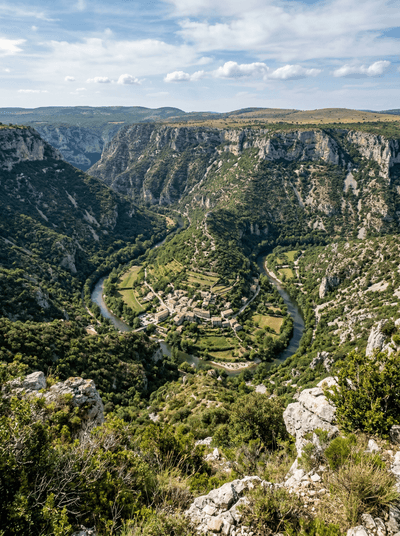
A natural amphitheatre where a river abandoned its own meander, leaving a hamlet at the bottom.
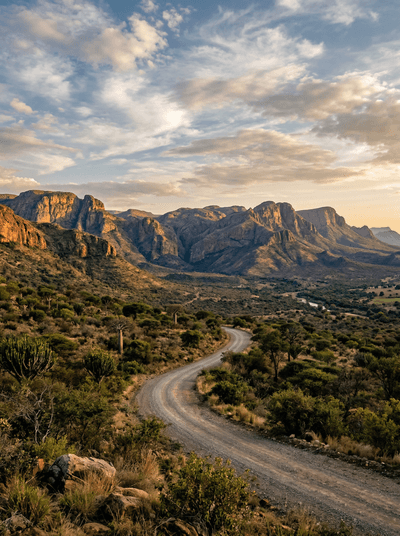
Soutpansberg
South Africa
Mist forest and baobab country meet along a mountain named for salt.
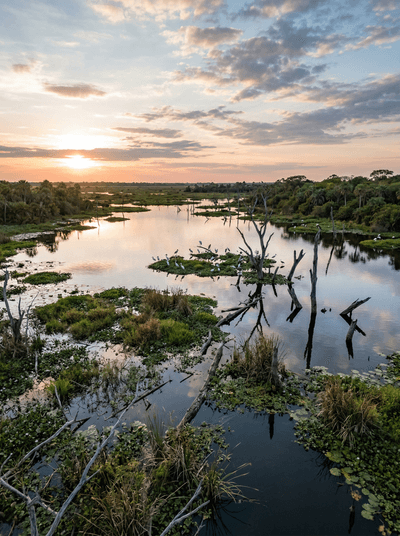
Bañado La Estrella
Argentina
Dead trees stand in still floodwater — Argentina's forgotten Chaco wetland, drowned and reborn yearly.
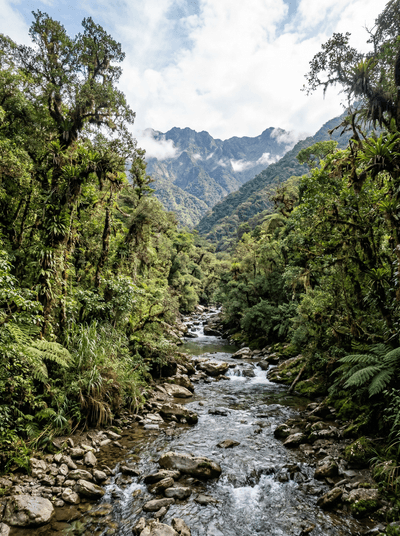
Parque Nacional El Rey
Argentina
A cloud forest fills a natural amphitheatre where bird species outnumber daily visitors.
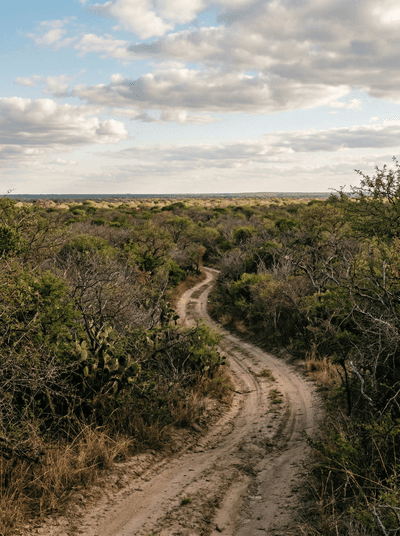
El Impenetrable
Argentina
Thorn forest so dense it stopped colonial armies, sheltering jaguars in the wild Chaco.
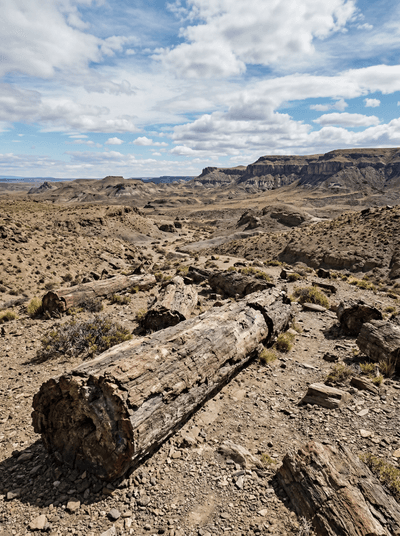
Bosques Petrificados de Jaramillo
Argentina
Trees turned to stone in the Jurassic, lying where they fell on windswept steppe.