Argentina
Parque Nacional El Rey
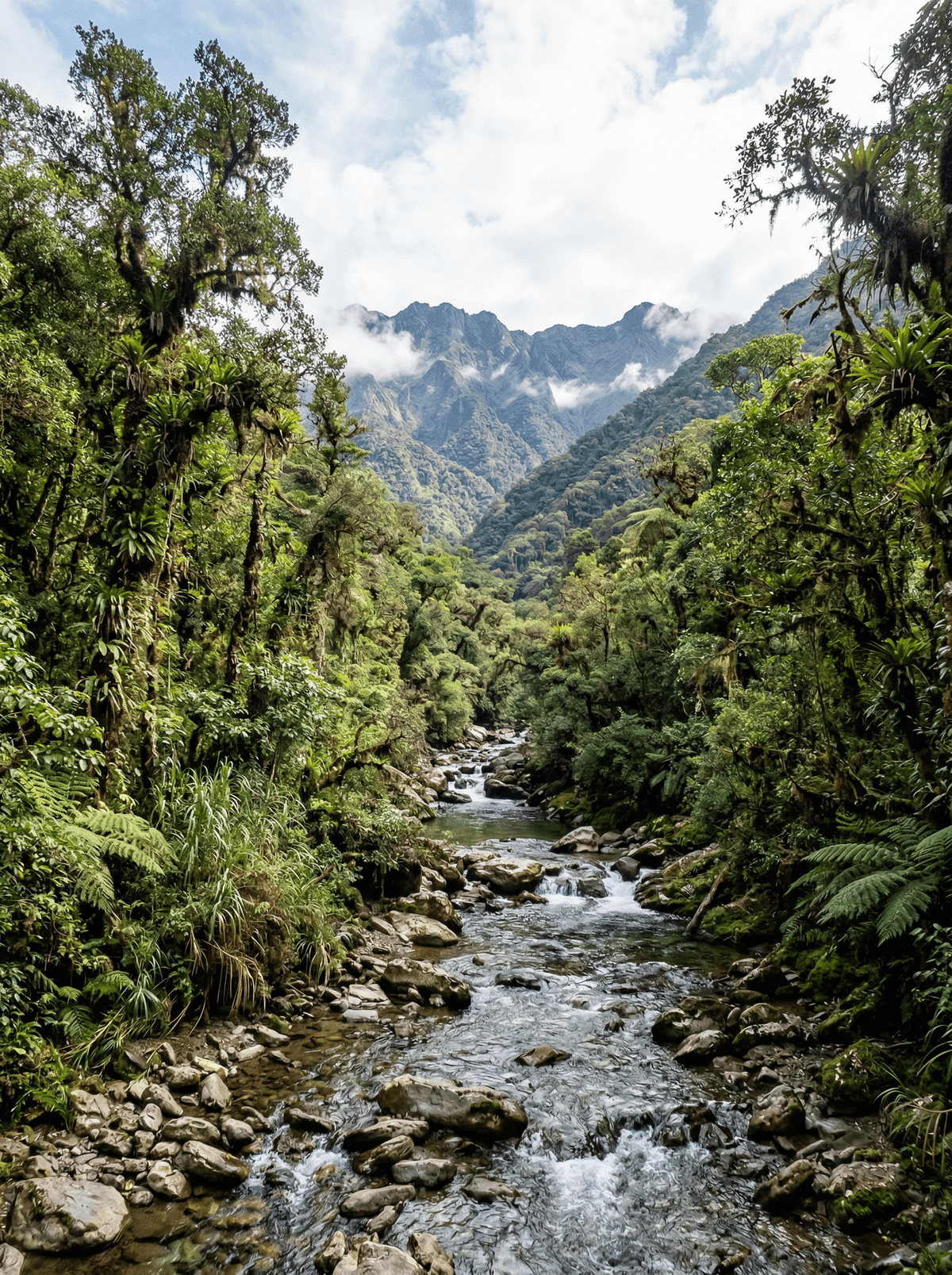
A cloud forest fills a natural amphitheatre where bird species outnumber daily visitors.
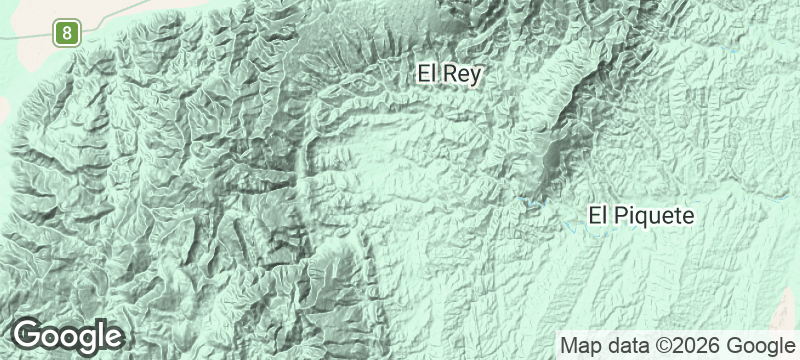
El Rey occupies a bolsón — a natural basin enclosed on all sides by yungas cloud forest — a geological amphitheatre holding one of the most biodiverse patches of forest in Argentina. Some three hundred bird species have been documented in its 44,000 hectares, and the tapirs are established enough to have worn a trail system that predates the human one.
Protected since 1948 in the Andean foothills of Salta, the park climbs from about 700 to 2,000 metres, its ringed-basin geometry trapping humidity so effectively that cloud hangs over the forest even in the dry season, supporting orchids and endemic bromeliads in profusion. The megafauna is genuinely present — jaguars, tapirs, ocelots, giant anteaters and peccaries documented by long-running camera-trap research — and genuinely unowed to any visitor. Infrastructure is deliberately minimal: one rangers' station, a few marked trails, no hotel, and an approach of hours on sealed then unsealed road that keeps annual visits down in the low thousands. Camping inside, with tapirs moving through the trees at dawn, is as close to unmediated Argentine cloud forest as currently exists.
Solo
The park the Salta yungas keep promising on every approach road — an enclosed basin, a forest complete enough to run its own trail system, and three hundred bird species with no commercial birdwatching machinery managing the encounters.
- The basin traps cloud over the forest even through the dry season.
- Some three hundred bird species stand recorded inside the amphitheatre.
- A long dirt approach keeps annual visitors in the low thousands.
- Camera traps document jaguar, tapir and ocelot moving the forest year-round.
Tamales and empanadas salteñas packed from the city for multi-day stays.
Wild yungas honey from local beekeepers, stirred into morning mate.
Castro Verde
Portugal
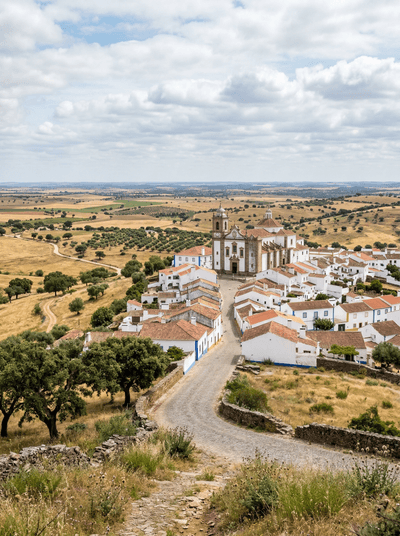
Treeless steppe that Europe's heaviest flying birds call home — older than farming's changes.
Hollyford Valley
New Zealand
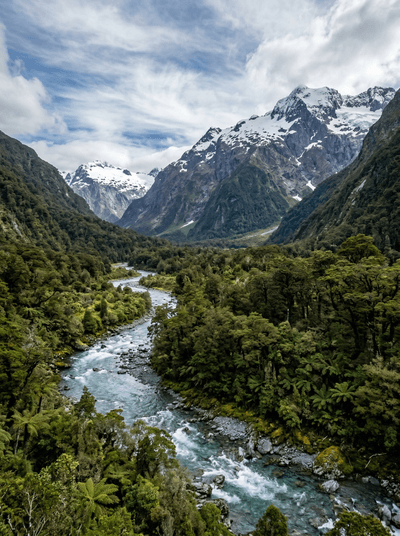
A valley so remote that a bush airstrip is the alternative to days on foot.
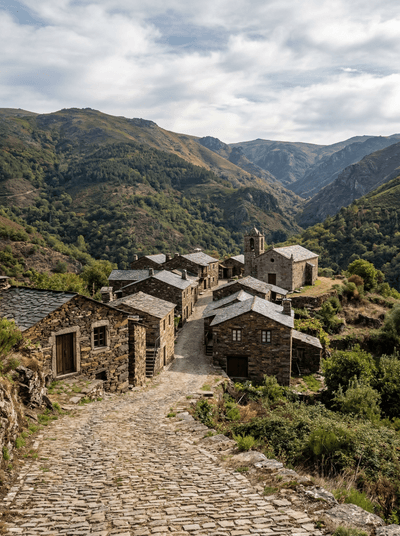
Montesinho
Portugal
Iberian wolves patrol oak forests above stone villages where the dialect changes by valley.
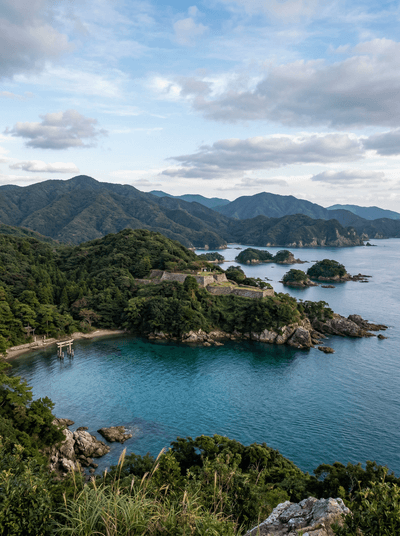
Tsushima
Japan
An island nearer Korea than Japan, where a wildcat found nowhere else stalks the forest.
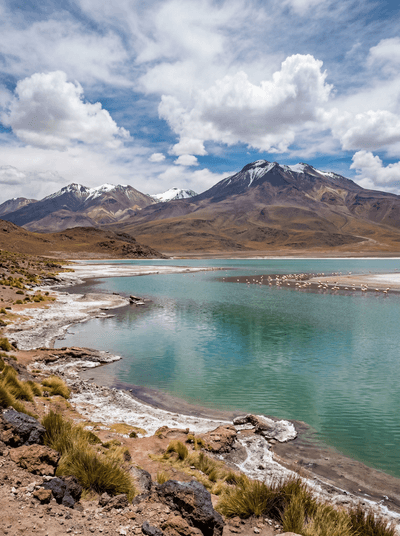
Laguna Brava
Argentina
Flamingos wade a salt lake beneath six-thousand-metre volcanoes where humans are the rarity.
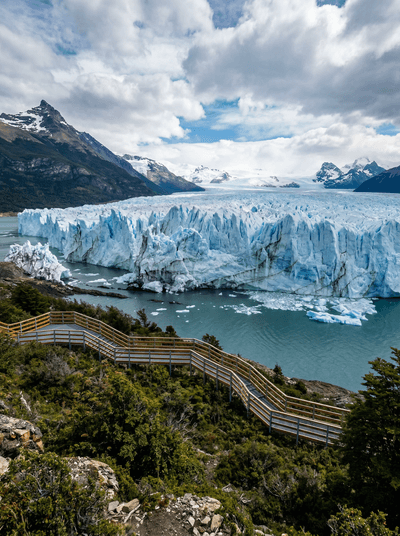
Parque Nacional Perito Moreno
Argentina
Argentina's emptiest national park — turquoise lakes, open steppe and trails measured in days.
Bañado La Estrella
Argentina
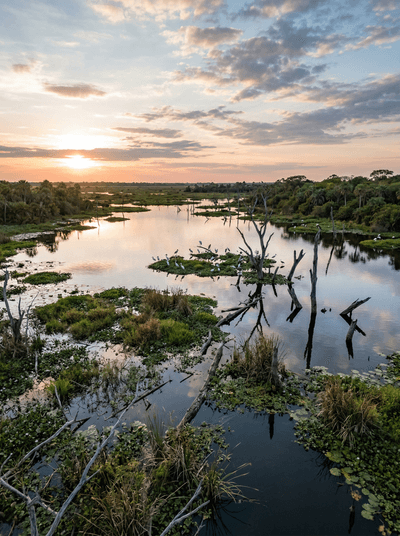
Dead trees stand in still floodwater — Argentina's forgotten Chaco wetland, drowned and reborn yearly.
Bahía Bustamante
Argentina
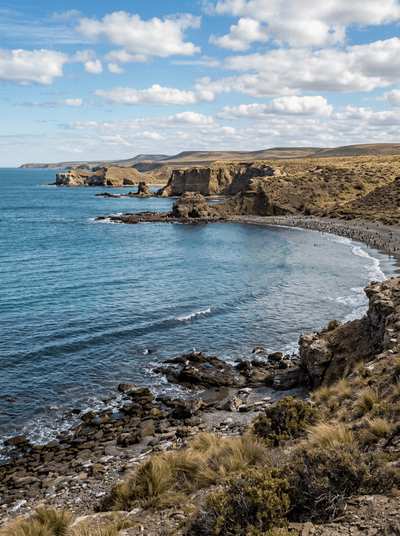
A seaweed-harvesting hamlet turned wildlife reserve, its beaches resting empty of visitors.