France
Bordeaux
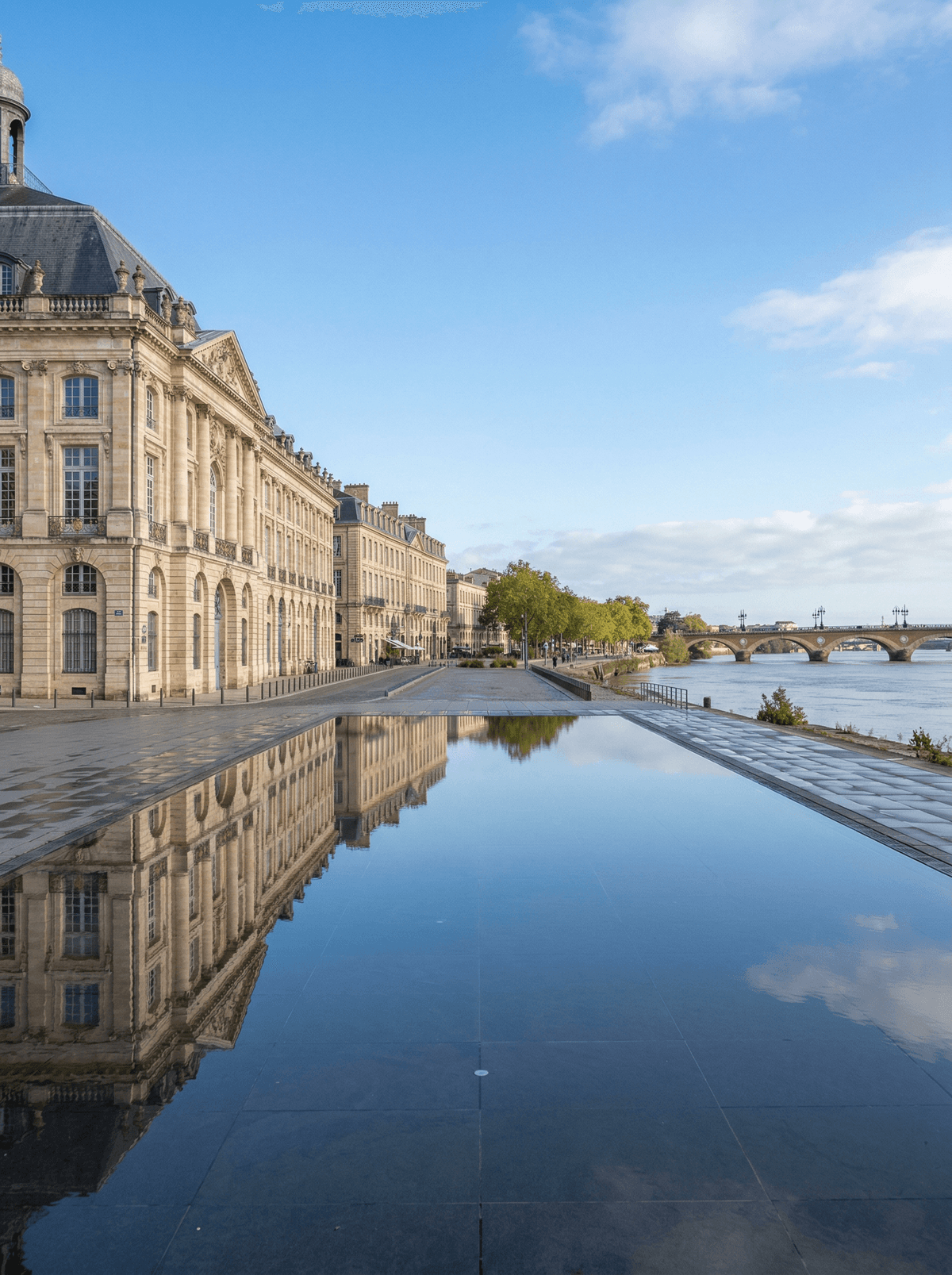
Eighteenth-century grandeur doubled in the Garonne's water mirror — a wine capital scrubbed back to gold.
The water mirror catches the Place de la Bourse and holds it upside down in a sheet of still water, and children run through it barefoot while the eighteenth-century façade watches from both directions. Bordeaux, in south-west France, has shed its soot. The limestone glows gold along the Garonne, the quays are for walking, and the old wine-merchant quarter has turned its warehouses into antiques shops, design studios and wine bars.
Bordeaux's whole historic centre — the Port de la Lune, named for the crescent the river makes — is a World Heritage site, one of the largest urban listings in the world, and its face is the eighteenth century, when the wine trade paid for the stone façades that run along the Garonne for kilometres. The Place de la Bourse, designed by Ange-Jacques Gabriel, opens onto the river opposite the Miroir d'Eau, the shallow pool that alternates between a flawless reflection of the square and a drifting mist. Downstream on the Bacalan waterfront, the Cité du Vin — a building shaped like a decanter — tells the story of wine as a global phenomenon, and the Chartrons, historically the merchants' quarter, has a Sunday market along the quays. The region produces roughly 700 million bottles a year across sixty-five appellations, and the châteaux are a short drive out.
Solo
The Miroir d'Eau when the water lies flat and the Place de la Bourse doubles. Then the Cité du Vin, then the Chartrons wine bars. Bordeaux has reinvented itself and the solo walker catches the detail.
Couple
Evening on the quayside with the limestone façades lit gold and the Garonne carrying the last light. The wine is everywhere but the architecture is the surprise — Bordeaux the city outshines Bordeaux the bottle.
Friends
The Chartrons concentrates wine bars, restaurants and galleries into a single walkable strip. A Bordeaux weekend with friends is a structured tasting tour that never feels structured.
- The Miroir d'Eau reflects the Place de la Bourse in a thin sheet of water that turns to mist — the city's icon, and free.
- The Chartrons has reinvented the old wine-merchant quarter with antiques, design studios, wine bars and a Sunday quayside market.
- The Cité du Vin, in a building shaped like a decanter, tells the story of wine worldwide with a tasting at the top.
- Eighteenth-century façades line the Garonne for kilometres — the entire historic centre is UNESCO-listed and the stone glows gold.
Entrecôte à la bordelaise — rib steak in a red-wine and bone-marrow sauce — at a bistro in the Chartrons.
Canelé — crisp caramelised shell over rum-and-vanilla custard — the city's pocket-sized obsession.
Meknès
Morocco
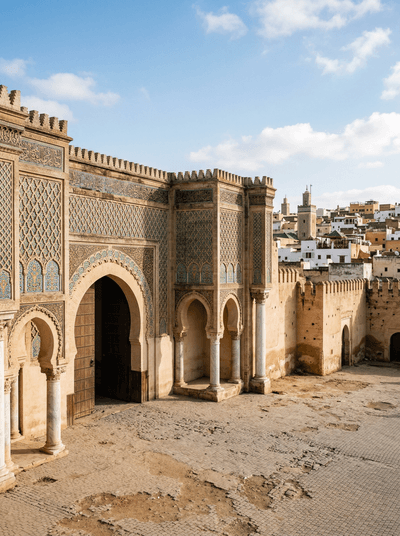
Water runs beneath roofless granaries where tribes once paid their taxes in grain.
Chiang Rai
Thailand
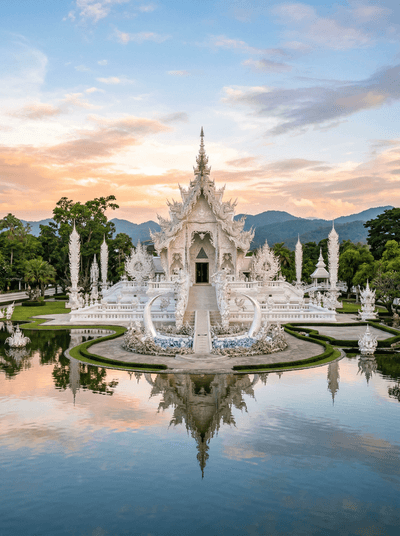
A temple built entirely of white mirror glass reflecting pop-culture damnation inside Buddhist serenity.
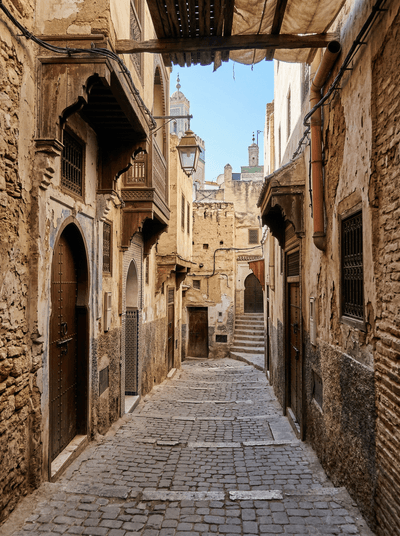
Fes el-Bali
Morocco
Cedar, cumin and thirty-day leather hang in lanes that refuse to tell you where you are.
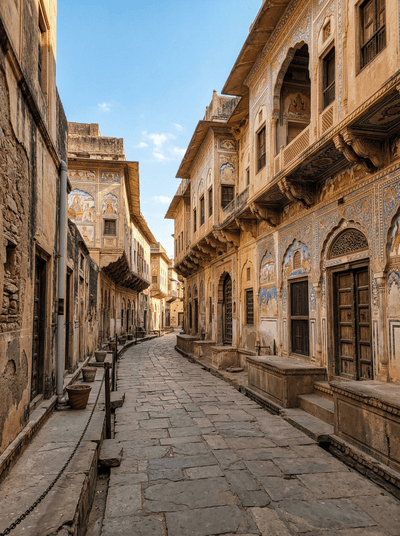
Mandawa
India
Gramophones and steam trains painted on mansion walls, a desert town turned open-air gallery.
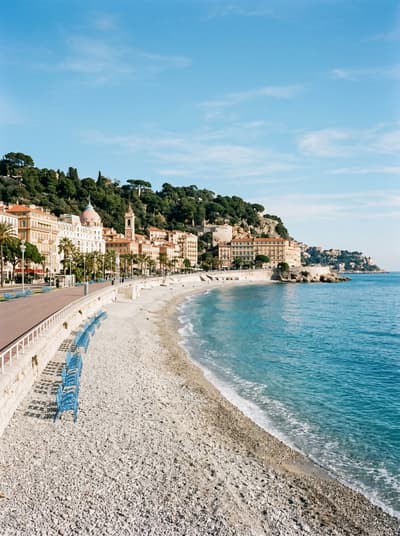
Nice
France
Italianate backstreets above a market where socca sizzles on copper pans the size of tables.
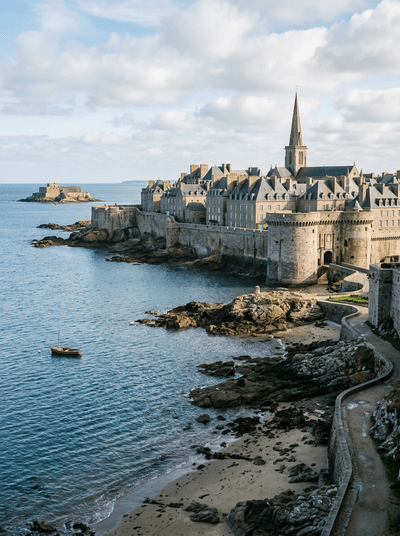
Saint-Malo
France
Granite ramparts ringing a corsair city where Europe's biggest tides lock you in twice a day.
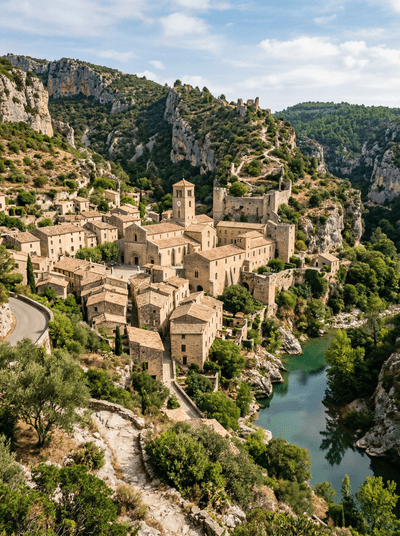
Saint-Guilhem-le-Désert
France
A Carolingian abbey hidden in a gorge where one of Charlemagne's knights retired to pray.
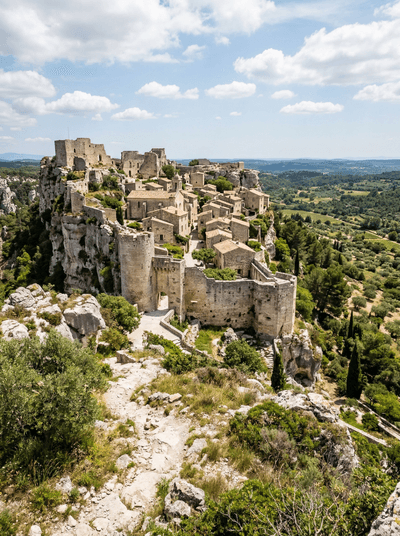
Les Baux-de-Provence
France
Ruined fortress walls dissolving into white rock as if the mountain were slowly swallowing them.