Portugal
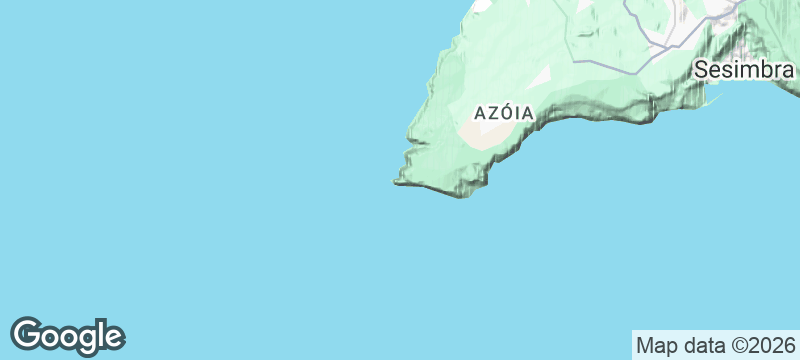
Cabo Espichel
Dinosaur footprints along cliffs that pilgrims read as the tracks of the Virgin's mule.
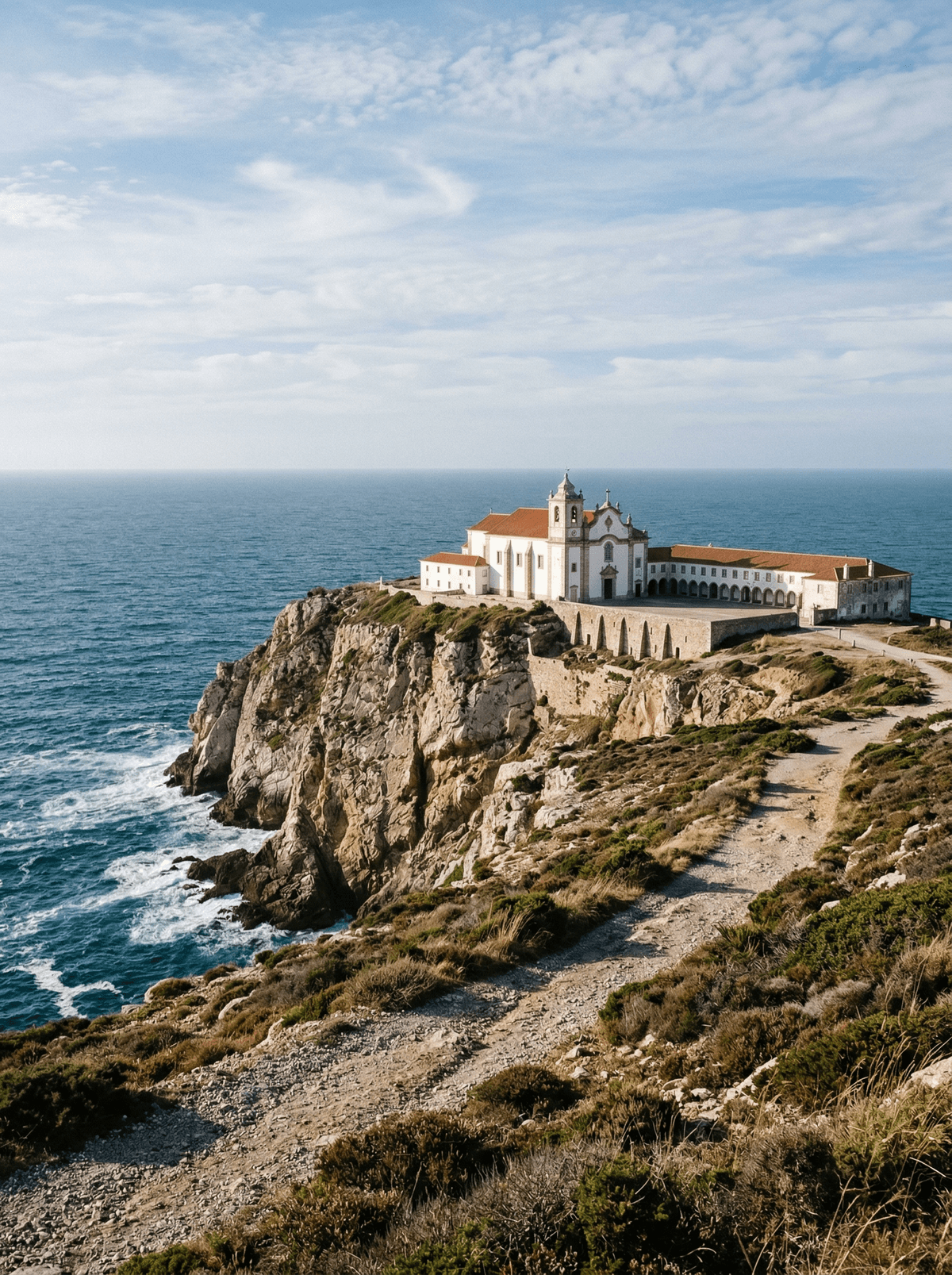
Wind is the first thing. Cabo Espichel juts into the Atlantic with nothing between its limestone edge and the horizon, gusts carrying salt and the cries of seabirds. Below the clifftop, sauropod trackways press into tilted rock slabs — real dinosaur footprints, on the order of 145 million years old, exposed by erosion and tide.
Cabo Espichel holds one of Iberia's most significant dinosaur ichnofossil grounds — Late Jurassic sauropod and theropod trackways along the sea cliffs, among the largest such prints in Europe, best read when light and tide align and always from safe ground back from the crumbling edges. Medieval pilgrims, innocent of deep time, read the tracks as the hoofprints of the mule that carried the Virgin ashore, and built the Sanctuary of Nossa Senhora do Cabo above the apparition site — an eighteenth-century church framed by long colonnaded pilgrim wings whose empty arcades give the whole headland its haunting, half-abandoned charge. The lighthouse has guided shipping since 1790, October funnels migrating birds over the last land before open ocean, and the fishing villages below fry the day's cuttlefish.
Solo
A place of raw edges — geological, spiritual, atmospheric. Solo travellers drawn to windswept headlands and deep time find hours disappearing here.
Couple
Clifftop walking, dinosaur prints found in the rock, then the empty sanctuary courtyard as the wind drops — the kind of shared discovery that bonds.
Friends
Dinosaur trackways, abandoned-feeling architecture and wild coast make a Lisbon day trip that steps into another era entirely.
- Sauropod trackways in the Jurassic limestone rank among Europe's largest prints.
- Pilgrims read the tracks as a holy mule's and raised a sanctuary at the cliff edge.
- The colonnaded pilgrim wings stand empty, their arcades framing sky and sea.
- October migration crowds the last visible land before the open Atlantic.
Grilled cuttlefish and açorda de marisco in the fishing villages below the cape.
Choco frito golden from the fryer, Sesimbra's signature cuttlefish.
Manuel Antonio
Costa Rica
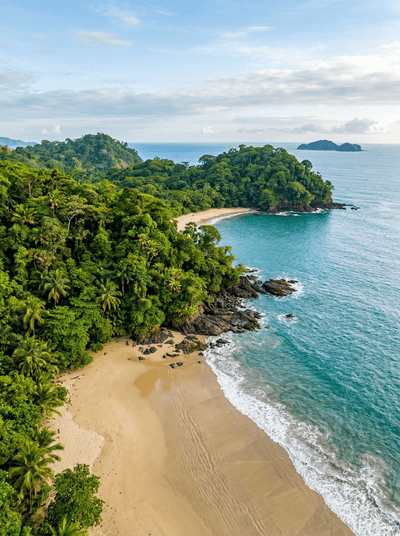
Capuchins patrol the sand beneath dozing sloths where rainforest walks into the ocean.
Vaitupu
Tuvalu
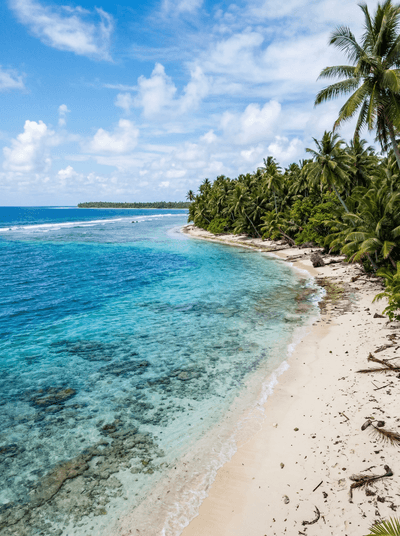
Tuvalu's largest island, where traditional sport te ano sends two woven balls flying at once.
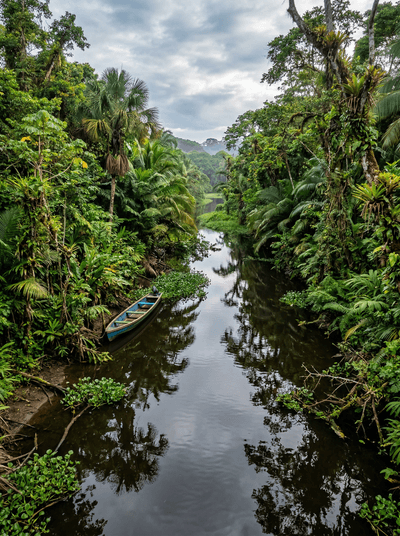
Tortuguero
Costa Rica
Jungle canals where green sea turtles haul onto black volcanic sand under a moonless sky.
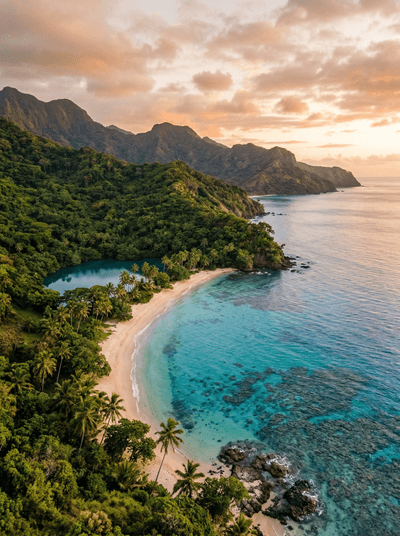
Kadavu
Fiji
Manta rays circle the world's fourth-largest barrier reef, off villages the road barely reaches.
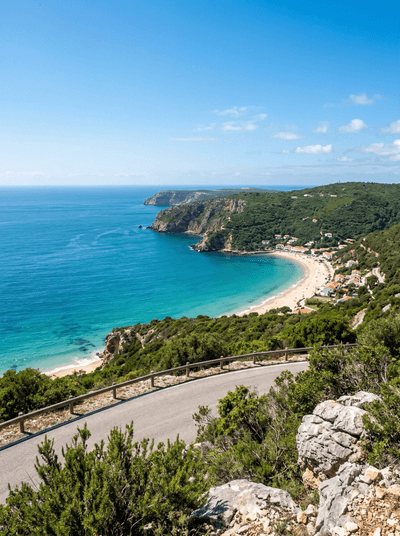
Arrábida
Portugal
Turquoise coves locked between limestone cliffs and monastery forest above the sea.
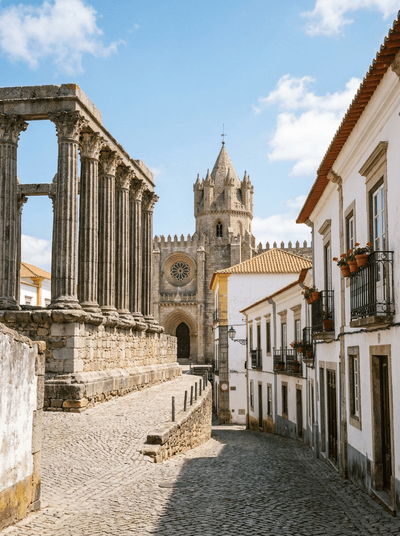
Évora
Portugal
A Roman temple stands intact beside a chapel the monks lined with their own dead.
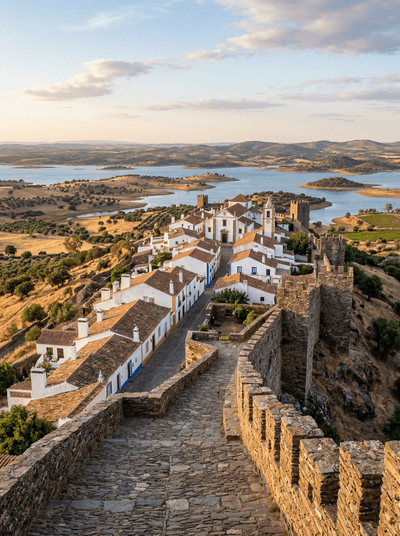
Monsaraz
Portugal
A walled village of whitewashed stone above a lake so still it doubles the sky.
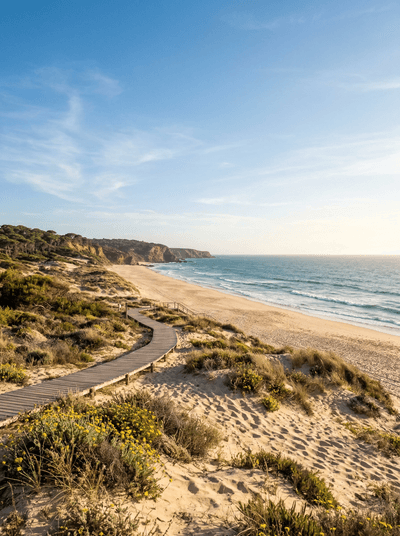
Comporta
Portugal
Rice paddies end where the dunes begin, an undeveloped Atlantic beach running for hours.