Portugal
Lisbon
Seven hills of crumbling azulejo façades where fado drifts from open doorways at dusk.
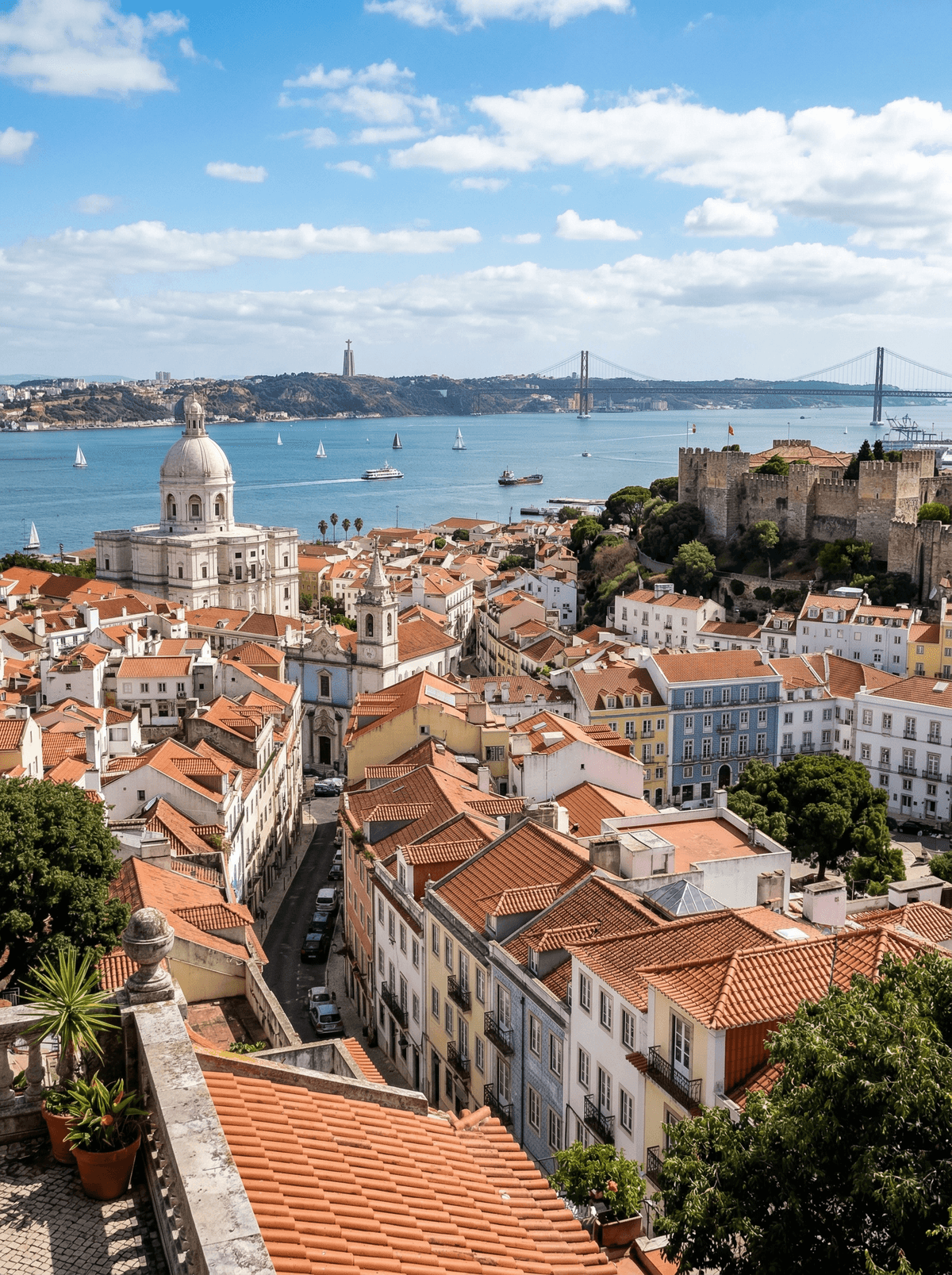
Late afternoon light catches the azulejos on a crumbling Alfama façade, turning a whole wall into cobalt-and-white mosaic. Somewhere below, a tram grinds up a gradient that would defeat most cities. The air carries charcoal smoke from a sardine grill, fado from an open window, and the salt edge of the Tagus.
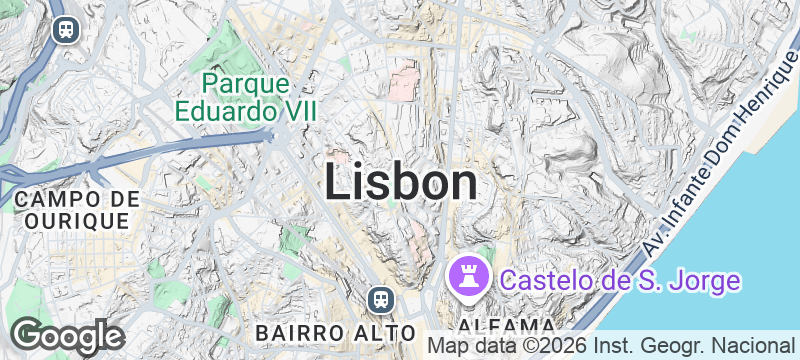
Lisbon is one of western Europe's oldest cities, built across seven hills above the wide Tagus estuary. The 1755 earthquake levelled the Baixa, rebuilt on an Enlightenment grid — but the medieval warrens of Alfama and Mouraria survived intact, and it was in these lanes that fado took shape in the early nineteenth century, still sung an arm's length away in the old houses. Belém gathers Portugal's Age of Discovery in stone — the Manueline tower, Jerónimos Monastery and the riverfront monuments within one walkable stretch — while the modern city layers studios, rooftop bars and museums onto the foundation. Trams and funiculars help with the hills; the polished cobbles and steep lanes still favour sturdy shoes. Roman ruins sit beneath the cathedral, alleys open onto miradouros, and a pastel de nata is never more than two minutes away.
Solo
Lisbon rewards aimless walking more than almost any city in Europe — lost in the Alfama lanes, onto a funicular on a whim, a galão at a tiled café. The city's pace bends to yours.
Couple
Sunset from a miradouro with a bottle of vinho verde, then a fado house in Mouraria where the singer performs close enough to touch. Built for evenings that start slow and end late.
Family
The Oceanarium is among Europe's largest, the old trams are a thrill ride in disguise, and Belém turns a history lesson into a waterfront adventure — with bifanas keeping everyone fuelled.
Friends
Bar-hopping from Bairro Alto down to Cais do Sodré, market mornings, beach day trips across the river — Lisbon lets a group split up and reconvene without anyone feeling they missed out.
- The Bica funicular has climbed its near-impossible grade through tram-width lanes since 1892.
- Fado grew from the tascas of Mouraria, and unscheduled singing still rises in the oldest rooms.
- Belém clusters the maritime golden age into one walkable stretch of tower, monument and monastery.
- Miradouros crown almost every hill, each one a free balcony over river and rooftops.
Pastéis de nata fresh from a Belém oven, custard still trembling under caramelised sugar.
Sardines grilled over charcoal in the Alfama lanes, smoke drifting between the houses.
Buenos Aires
Argentina
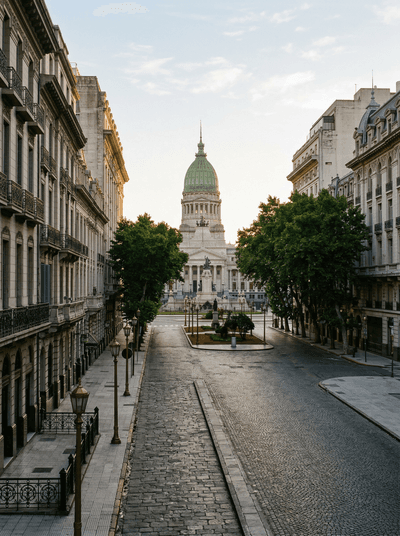
Tango echoes through faded ballrooms where strangers dance until the city wakes.
Arequipa
Peru
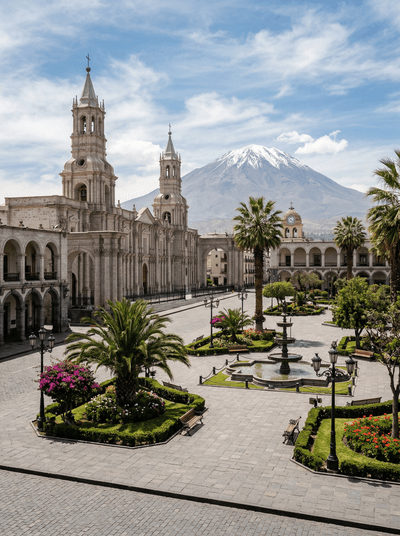
A city carved from white volcanic stone that glows amber under three volcanoes.
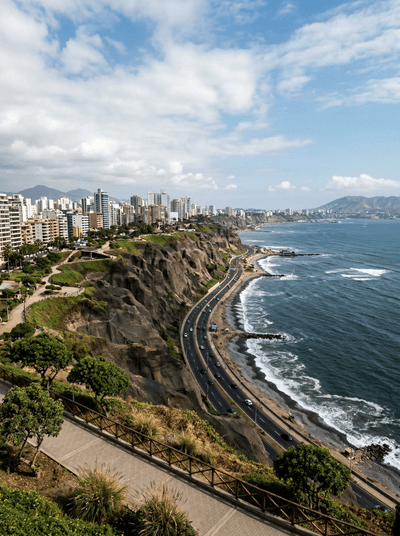
Lima
Peru
Pacific spray on clifftop terraces where ceviche began and the food never stopped evolving.
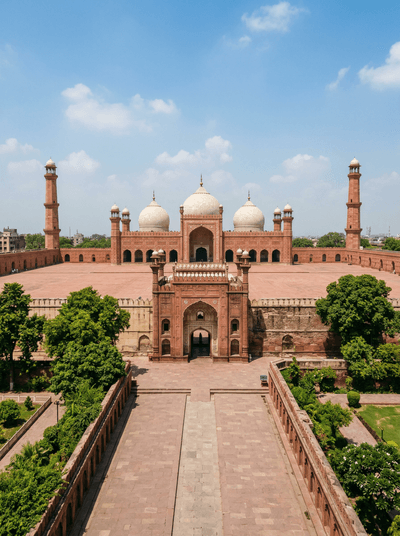
Lahore
Pakistan
A walled city where Mughal emperors' marble still glows at sunset and food stalls never sleep.
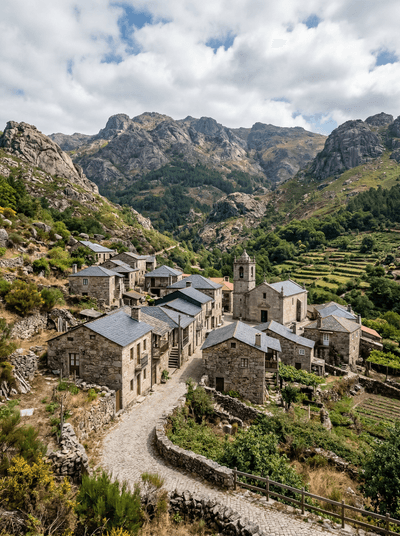
Pitões das Júnias
Portugal
A monastery abandoned to wolves and rain crumbles beside a waterfall at the road's end.
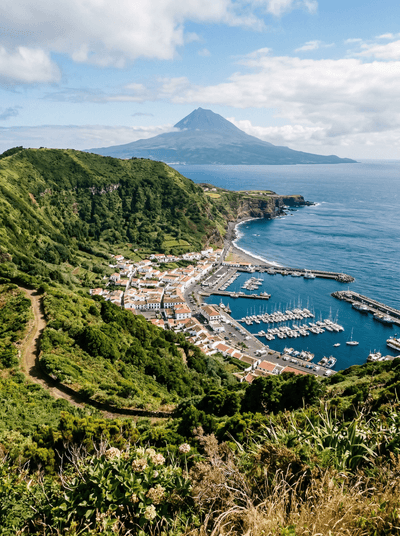
Faial
Portugal
Transatlantic sailors paint crew crests on the harbour walls — decades of voyages in pigment.
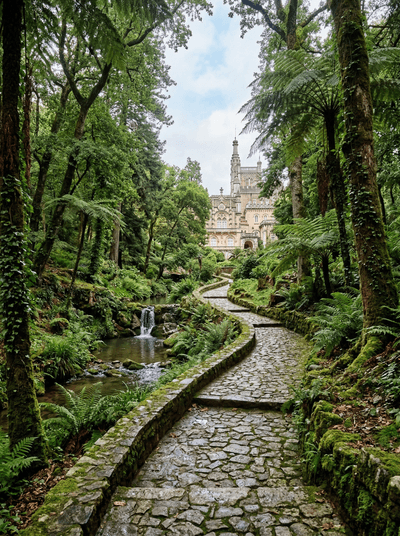
Buçaco Forest
Portugal
A walled forest of seven hundred species, its cedar Via Crucis climbing cathedral canopy.
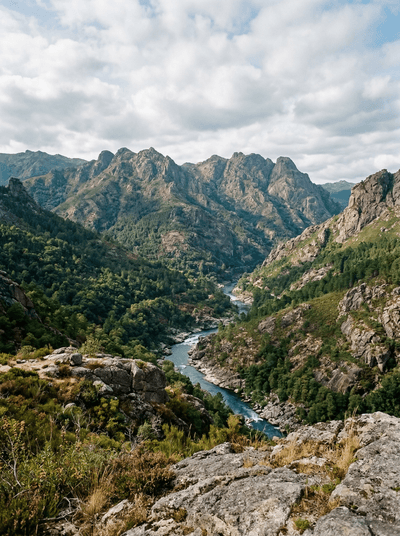
Peneda-Gerês
Portugal
Portugal's only national park — granite canyons, wild horses, Roman milestones on lost paths.