Portugal
Sintra
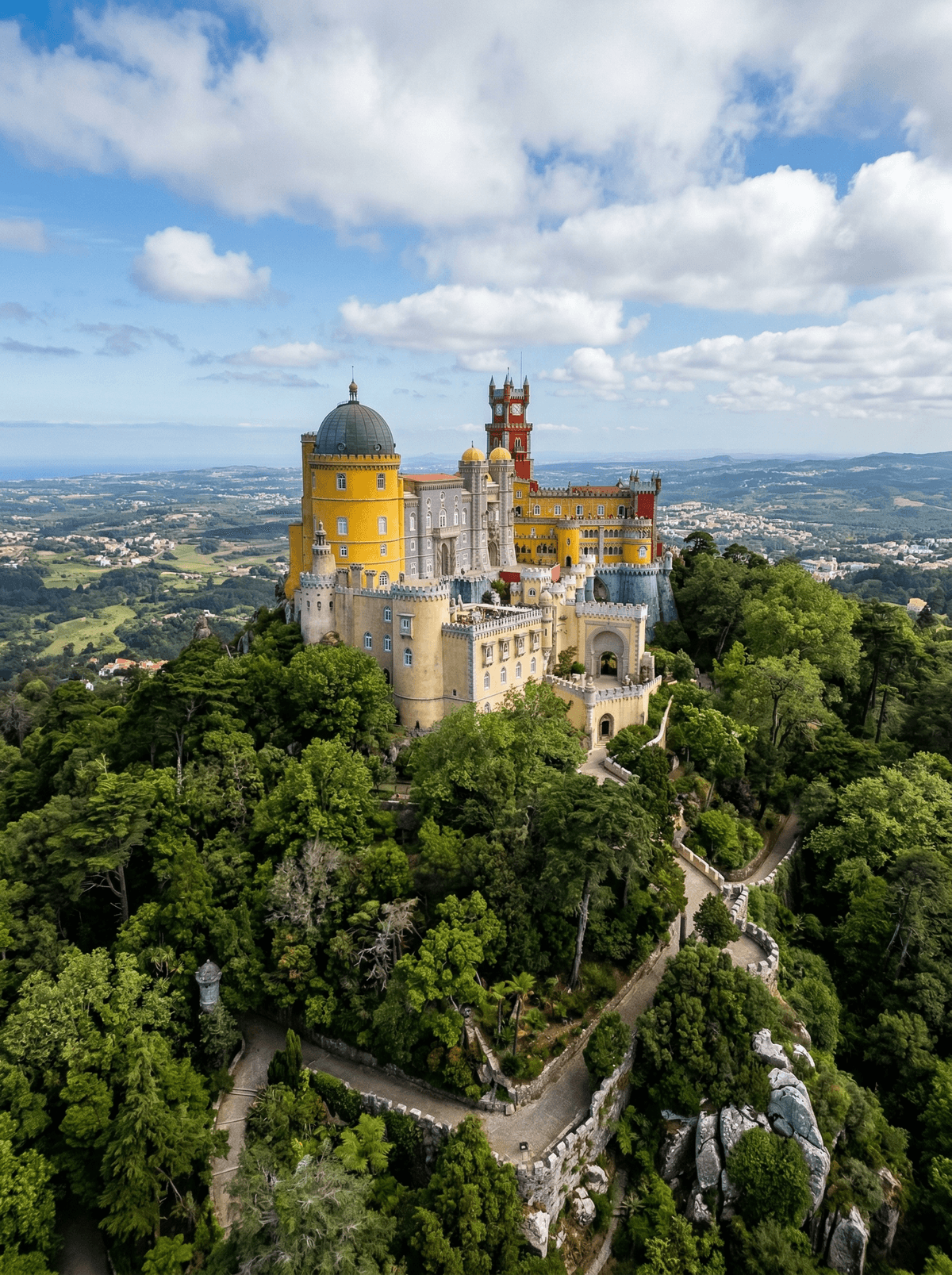
Moss-cloaked palaces vanish into mountain fog, each path revealing unannounced towers.
Fog rolls through the Serra de Sintra and swallows a turret whole. You hear water dripping from fern canopy before you see the next palace gate. Every path forks, and every fork reveals something the guidebook skipped — a Moorish fountain, a moss-covered grotto, a chapel cut into rock.
Sintra is a UNESCO-listed cultural landscape where nineteenth-century Romanticism collided with a microclimate wet enough to grow subtropical forest on granite, half an hour from Lisbon. Pena Palace, finished in 1854 for Ferdinand II, fuses Manueline, Moorish and Gothic revival on its hilltop; below it the Quinta da Regaleira hides an initiation well spiralling 27 metres down, tunnels, and a chapel dense with Templar and Masonic symbolism; the Moorish Castle traces the ridgeline with walls that predate the Portuguese nation. The singular thing is cumulative — a whole mountain layered with the architectural fantasies of different centuries, stitched by fern-thick forest paths. The visit runs best on the landscape's own rules: two estates and the old town rather than a race between gates, with the forest trails between palaces treated as the point rather than the transfer.
Solo
The trails between palaces are where Sintra reveals itself — not in the ticket queues but on forest paths with birdsong and dripping water for company.
Couple
Monserrate's gardens were designed for wandering together; share a travesseiro in the old town, then lose an afternoon in the Regaleira tunnels. Built by romantics, for romantics.
Family
Children treat the Moorish Castle as a playground with views and the Regaleira well as a real-life adventure game — one palace, one garden and generous travel time is the working formula.
Friends
Bikes or serra trails make a physical day between contrasting estates, with the old town's bakeries as natural regrouping points — the density of sites means nobody gets bored.
- UNESCO listed the whole cultural landscape in 1995 — forest, estate walls and paths included.
- Pena's towers each deliberately quote a different architectural style in Romantic fantasy.
- The Regaleira's initiation well spirals 27 metres down through esoteric symbolism.
- Byron called Sintra a glorious Eden — on misty mornings the palaces genuinely vanish.
Travesseiros — flaky pastry tubes of almond and egg cream, a Sintra invention best eaten warm.
Queijadas de Sintra, tiny cheese tarts in thin crisp shells from the old bakeries.
Buenos Aires
Argentina
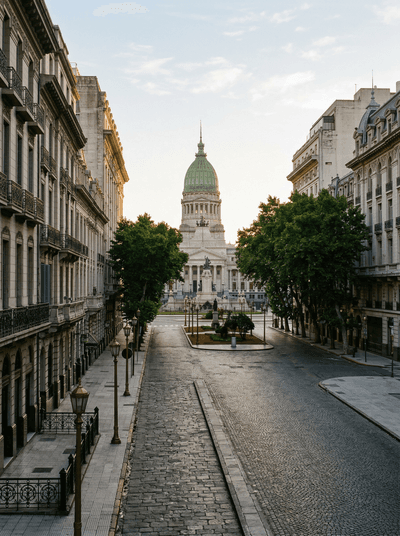
Tango echoes through faded ballrooms where strangers dance until the city wakes.
Lahore
Pakistan
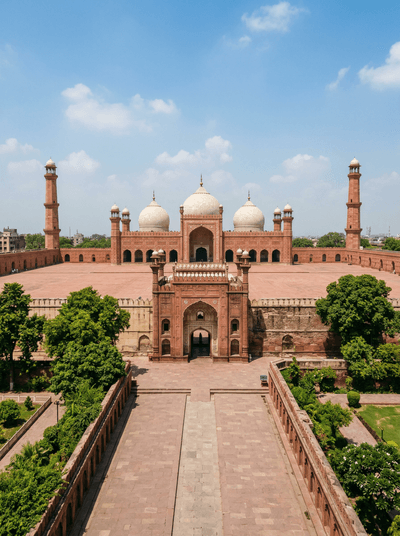
A walled city where Mughal emperors' marble still glows at sunset and food stalls never sleep.
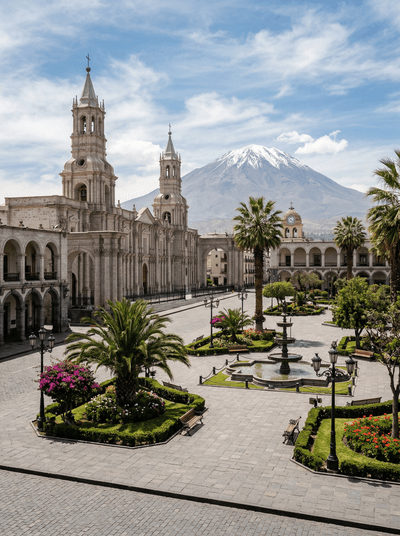
Arequipa
Peru
A city carved from white volcanic stone that glows amber under three volcanoes.
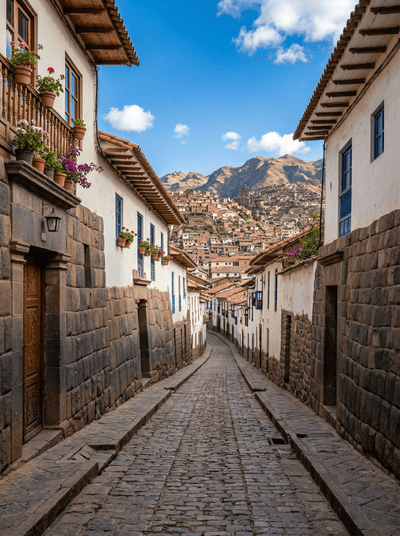
Cusco
Peru
Inca walls fitted so tightly a knife blade won't slide between the stones.
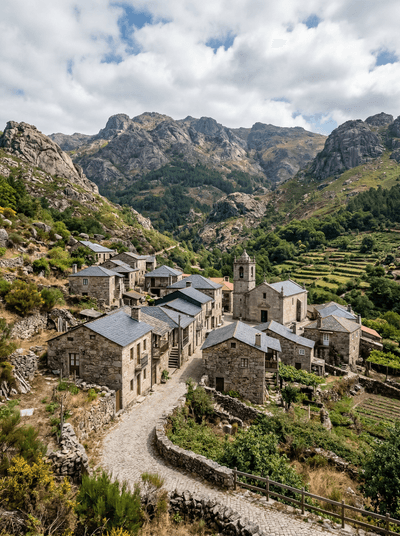
Pitões das Júnias
Portugal
A monastery abandoned to wolves and rain crumbles beside a waterfall at the road's end.
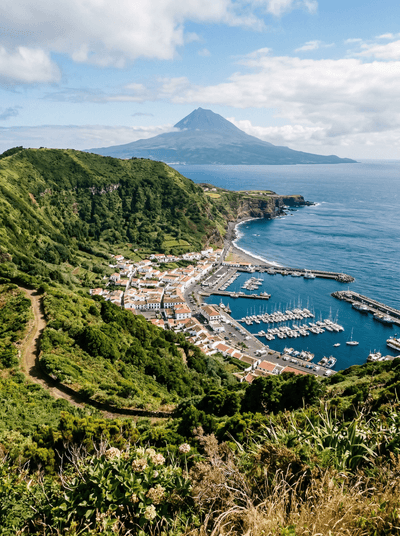
Faial
Portugal
Transatlantic sailors paint crew crests on the harbour walls — decades of voyages in pigment.
Buçaco Forest
Portugal
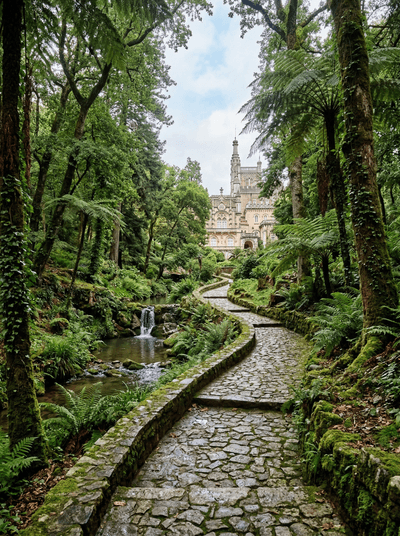
A walled forest of seven hundred species, its cedar Via Crucis climbing cathedral canopy.
Peneda-Gerês
Portugal
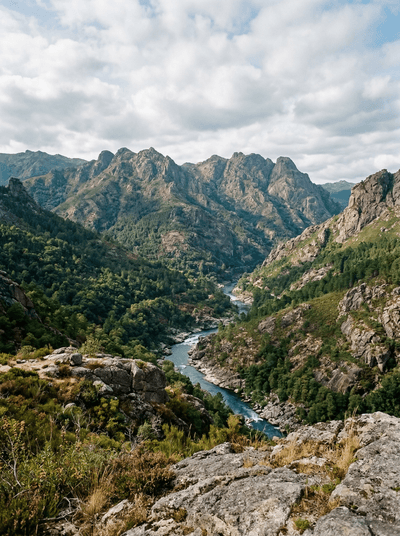
Portugal's only national park — granite canyons, wild horses, Roman milestones on lost paths.