Turkey
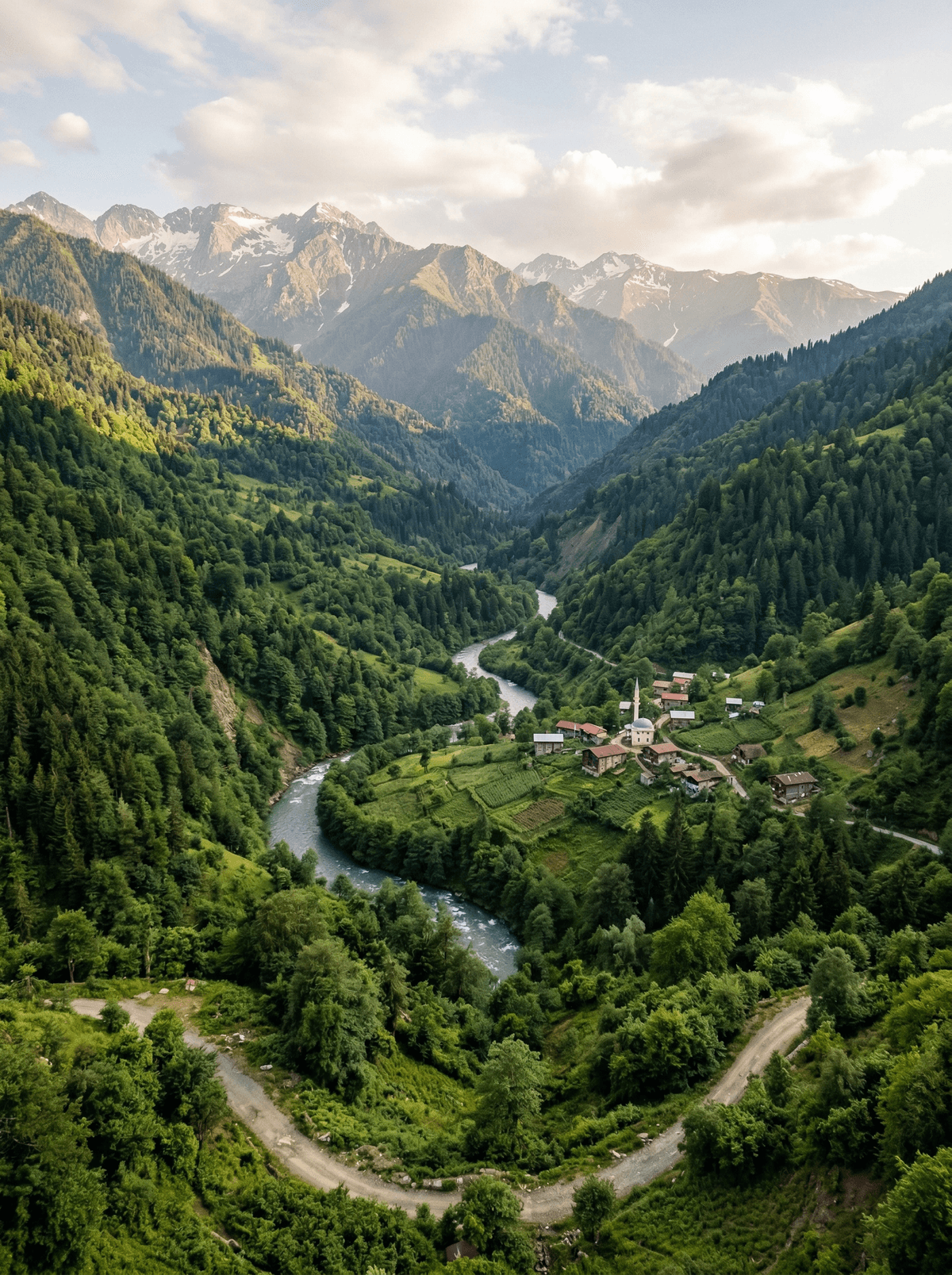
Camili Valley
Turkey's only UNESCO biosphere reserve, a Caucasian rainforest valley reached by one unpaved pass.
The forest closes in completely: moss on every trunk, mist in the canopy, the trail dissolving into green. Phone signal dies somewhere on the pass, and the only sounds left are river water and birdsong. Camili is the kind of valley that modern maps seem to have agreed to leave alone.
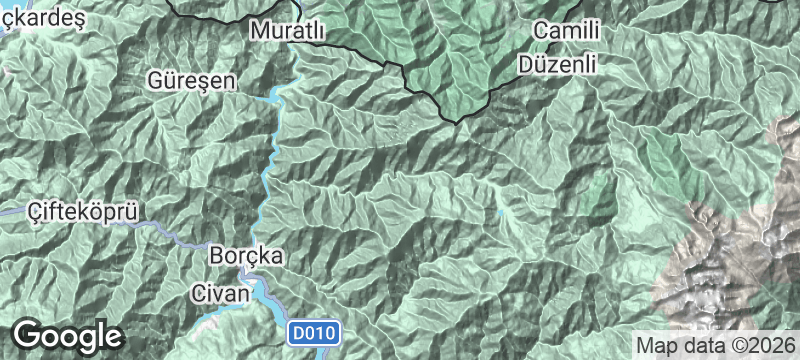
Camili, called Macahel by its people, became Turkey's first and only UNESCO biosphere reserve in 2005, protecting some of the last intact temperate rainforest of the Caucasus across some 27,000 hectares. The valley sits in Artvin province against the Georgian border, its Laz and Georgian communities farming the slopes for centuries among timber mosques, farmhouses and a village church; the monumental stone churches of Tao-Klarjeti wait a mountain pass away in neighbouring valleys. Access is by a single unpaved pass road and then on foot, which keeps visitors to a handful. The beekeepers here work pure Caucasian bee colonies, and their dark, resinous honey is some of the most prized in Turkey.
Solo
True wilderness solitude: old-growth forest, farmhouse pensions and trails that vanish into green. Raw, unpackaged exploration for travellers comfortable with minimal infrastructure.
Couple
Evenings in farmhouse pensions, eating kuymak by the wood fire in a valley the road barely reaches, are as remote and romantic as Turkey gets.
Friends
A multi-day hiking trip through a UNESCO biosphere, with dark Caucasian honey and wood-fire cooking each evening. Bring friends who prefer trails to beaches.
- The Macahel biosphere reserve covers some 27,000 hectares of Colchic rainforest, ecology more Caucasian than Anatolian.
- Camili keeps timber mosques, farmhouses and a village church; the stone churches of Tao-Klarjeti wait a mountain pass away.
- The valley borders Georgia, and its culture, dialect and architecture lean toward the southern Caucasus.
- Honey from pure Caucasian bee colonies commands premium prices; locals sell it straight from farmhouse doors.
Maçahel balı, the honey of this valley, and the thing people carry home from Artvin.
Artvin döneri, lamb layered with onion and pepper, the province's own turn on the spit.
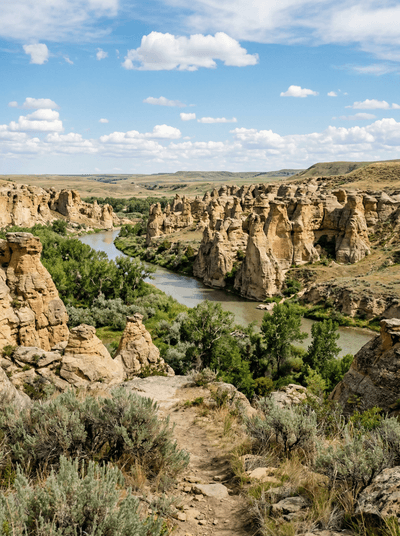
Writing-on-Stone Provincial Park
Canada
Hoodoos guard the Great Plains' largest concentration of rock art above the Milk River.
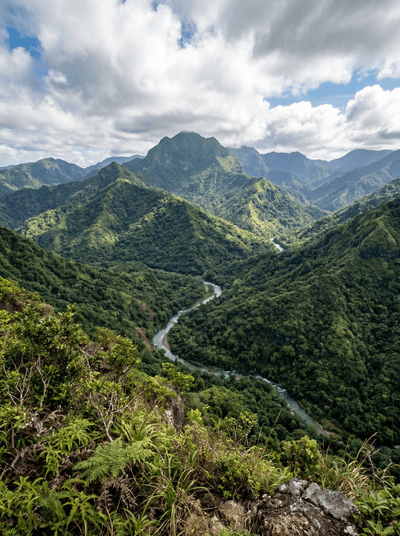
Namosi Highlands
Fiji
Bamboo rafts still run the cold green rivers under Namosi's cloud-hung jungle walls.
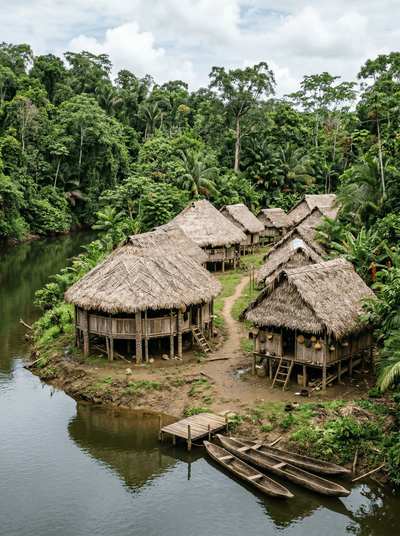
Emberá Communities of the Chagres
Panama
Upriver by dugout canoe to a village where tattoos are drawn from a rainforest fruit.
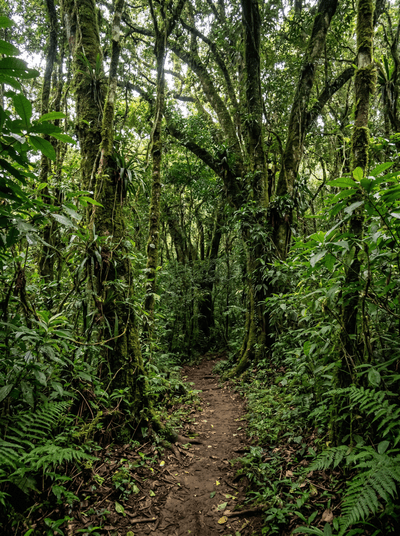
Kakamega Forest
Kenya
Primates crash through the canopy of Kenya's last rainforest, dense with 350 butterfly species.
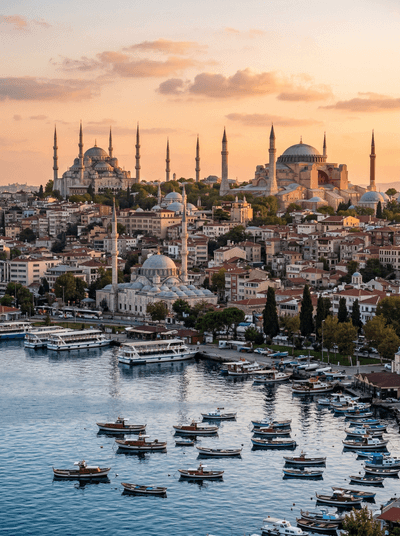
Istanbul
Turkey
Minarets and cargo ships share a waterway where two continents nearly touch.
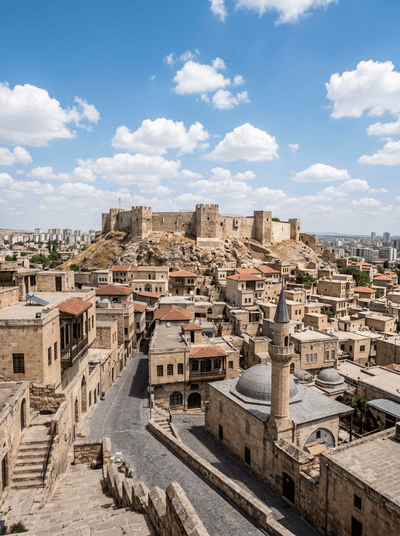
Gaziantep
Turkey
Pistachio baklava layered by hand in copper-scented bazaars, a UNESCO city of gastronomy.
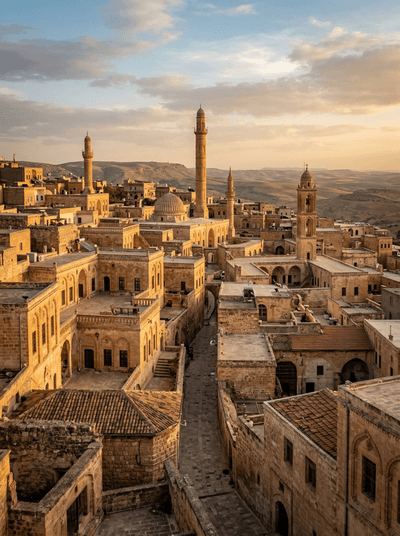
Midyat
Turkey
Syriac silversmiths hammer filigree in stone courtyards while Aramaic chants drift from the monastery.
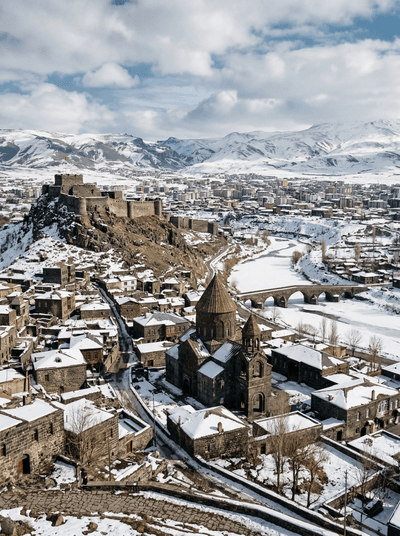
Kars
Turkey
Russian-grid streets and crumbling art nouveau facades in a frontier city where winter means minus thirty.