Chile
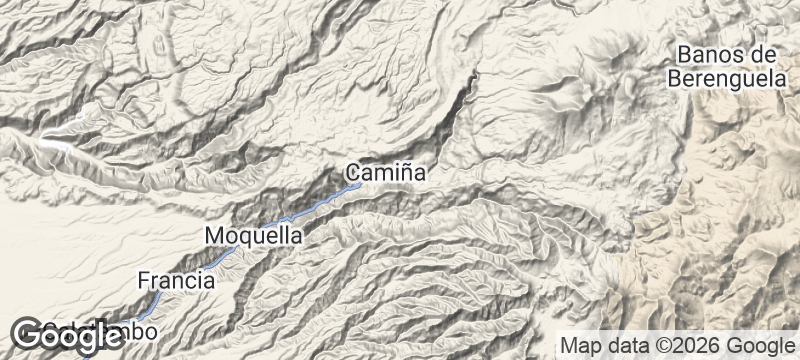
Camiña
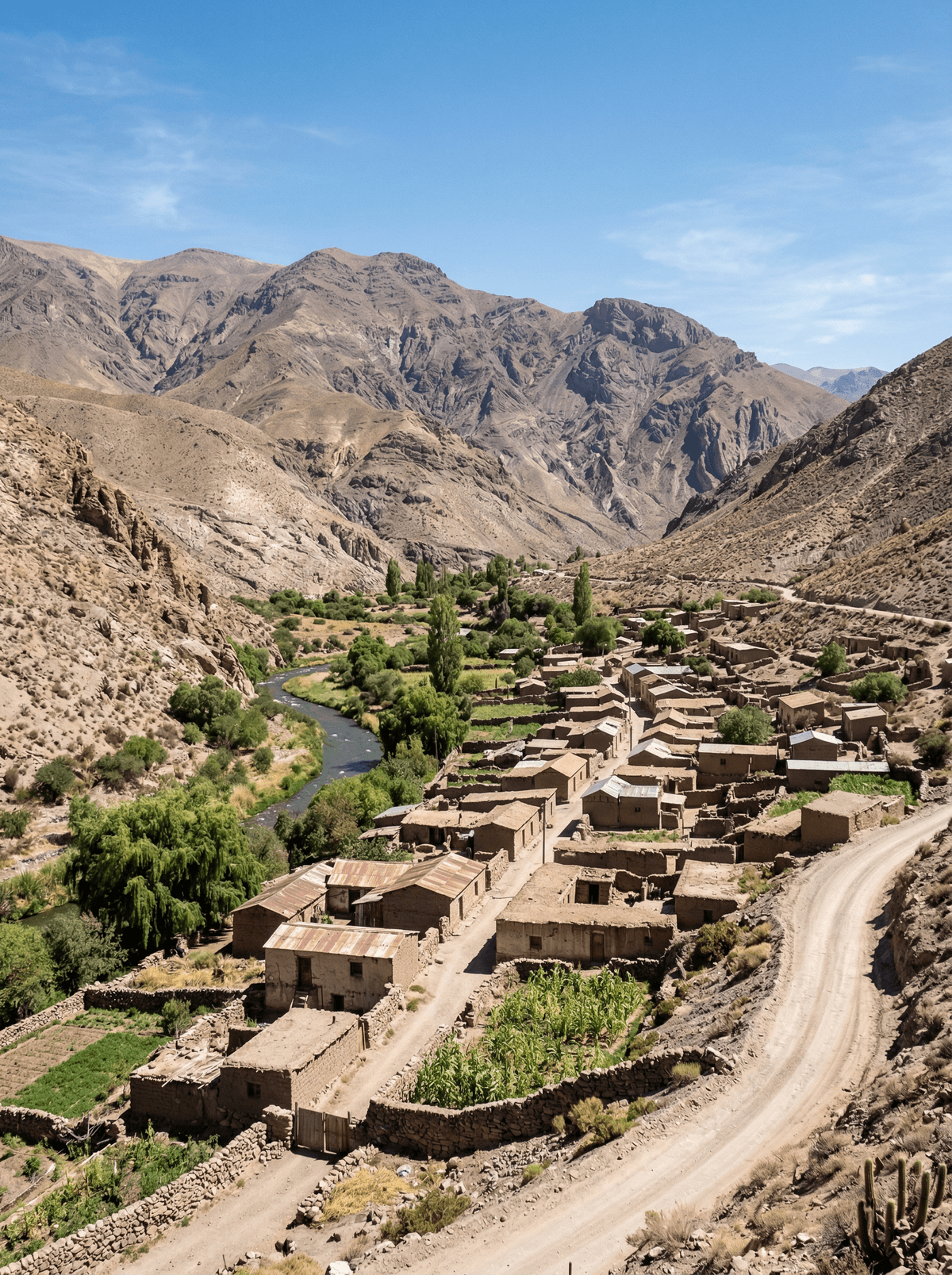
Pre-Columbian terraces carved into a desert canyon where Aymara farmers still irrigate with Inca-era channels.
Sunlight reaches the valley floor for only six hours a day in winter, and the shadows define everything — when to plant, when to harvest, when to rest. Camiña sits at 2,700 metres in a canyon so deep and narrow that the terraced fields carved into its walls feel like a vertical garden suspended in time. Water runs through channels carbon-dated to 800 BCE, a thousand years older than the Inca empire, still feeding the same crops they were built to irrigate.
Camiña in Chile's Tarapacá Region contains some of the most complete pre-Inca agricultural terracing in the country. The andenes — stepped stone platforms lining the canyon walls — are maintained by the same Aymara communities that built them, using irrigation channels from high-altitude springs that have run continuously for nearly three millennia. The pintatani grape brought by Spanish missionaries in the 1600s has never spread beyond this single valley, and the resulting chicha de uva negra — a dark grape fermentation drunk during the April harvest — has been produced here without industrial processing for 400 years. The transition from absolute desert at the canyon lip to fig trees and flower gardens happens within 200 vertical metres. The Tarapacá Valley's living agricultural heritage is unbroken and unmatched in Chile's arid north.
Solo
The canyon demands slow travel. Solo visitors can walk the terraces, share quinoa stew with Aymara families, and witness agricultural techniques that predate the Inca — without a tour group in sight.
Couple
The valley's isolation creates an intimacy that feels earned. Calapurca soup heated with hot stones, wine from grapes grown nowhere else, and a canyon where the rhythm of life hasn't shifted in centuries.
- The Tarapacá Valley contains some of the most complete pre-Inca agricultural terracing in Chile — the andenes are still maintained by the same communities that built them.
- The irrigation channels running from high-altitude springs are carbon-dated to 800 BCE — older than the Inca empire by nearly 1,000 years.
- The village sits at 2,700 metres in a canyon so deep that sunlight reaches the valley floor for only 6 hours a day in winter — the shadows define the rhythm of daily life.
- Camiña's chicha de uva negra — a dark grape fermentation drunk during the April harvest — has been produced here continuously without industrial processing for 400 years.
Quinoa stew prepared by Aymara families using harvest methods passed down for centuries.
Calapurca — a ceremonial stone-heated soup where hot rocks dropped into the bowl cook the ingredients.
Fresh oregano and cumin from the terraced gardens, flavouring everything in this hidden valley.
Gaua
Vanuatu
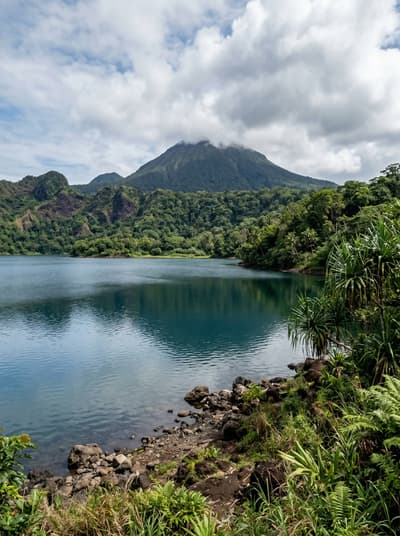
A volcanic lake drains into the ocean via a waterfall that plunges through untouched jungle.
Quebrada de Humahuaca
Argentina
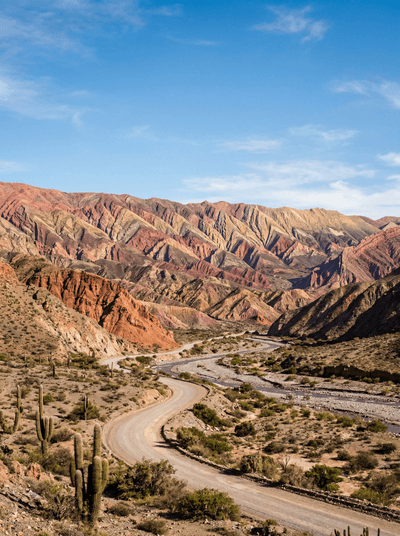
A canyon of fourteen-colour hills where Inca trails thread through villages older than the conquest.
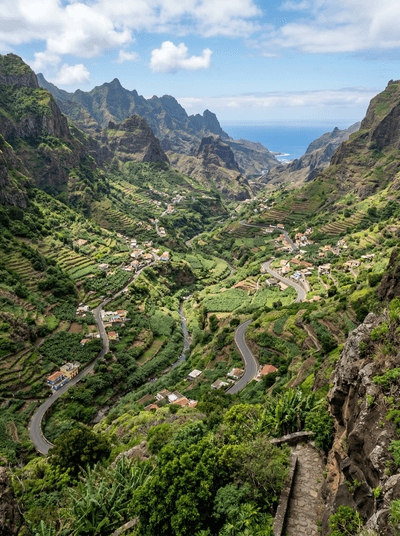
Vale do Paúl
Cape Verde
Sugarcane terraces spill down a volcanic crater into the greenest valley in the archipelago.
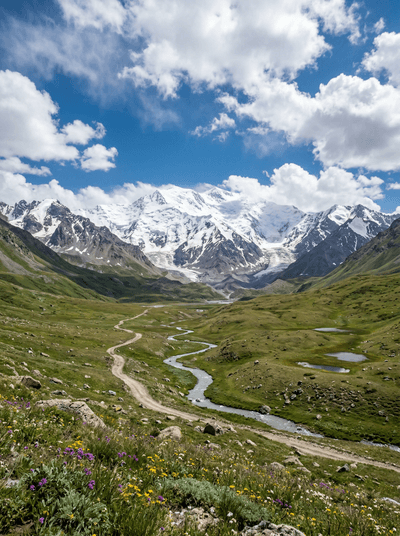
Achik-Tash
Kyrgyzstan
Yurt camps at 3,600 metres beneath a 7,134-metre peak, alpinists and trekkers sharing vodka at sunset.
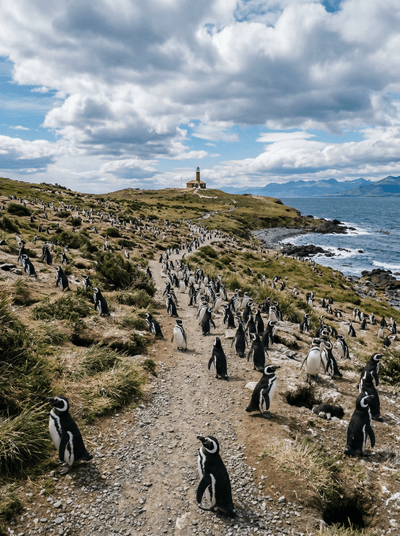
Isla Magdalena
Chile
Magellanic penguins in their tens of thousands, nesting so close you walk through their colony.
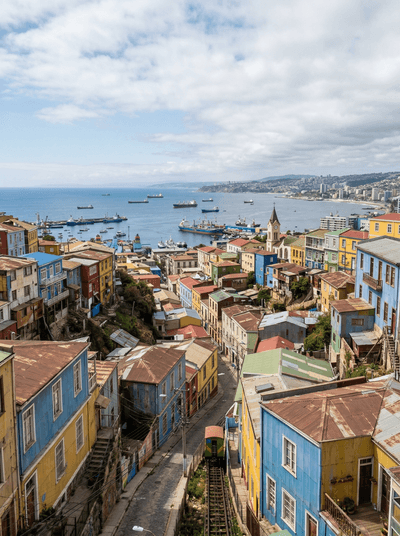
Valparaíso
Chile
Forty-two hills of riotous street art where funiculars creak between graffiti-walled stairways.
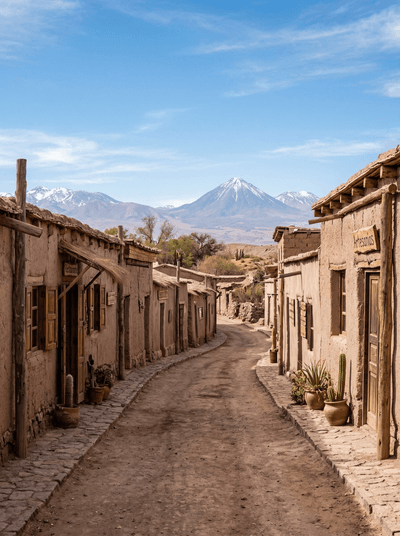
San Pedro de Atacama
Chile
Adobe village where you stargaze through the driest, clearest sky on Earth.
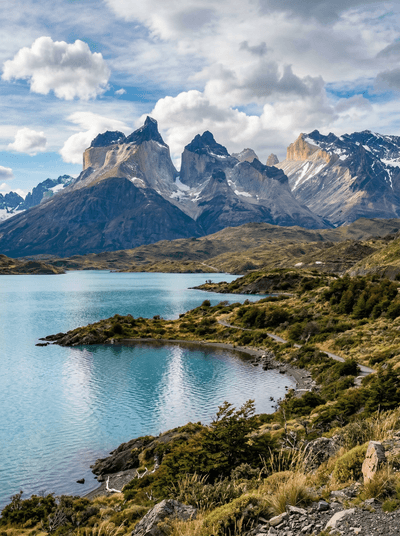
Torres del Paine
Chile
Granite towers erupt from Patagonian steppe, condors riding thermals above ice-blue lakes.