Argentina
Quebrada de Humahuaca
A canyon of painted strata where Andean trade routes thread villages older than the conquest.
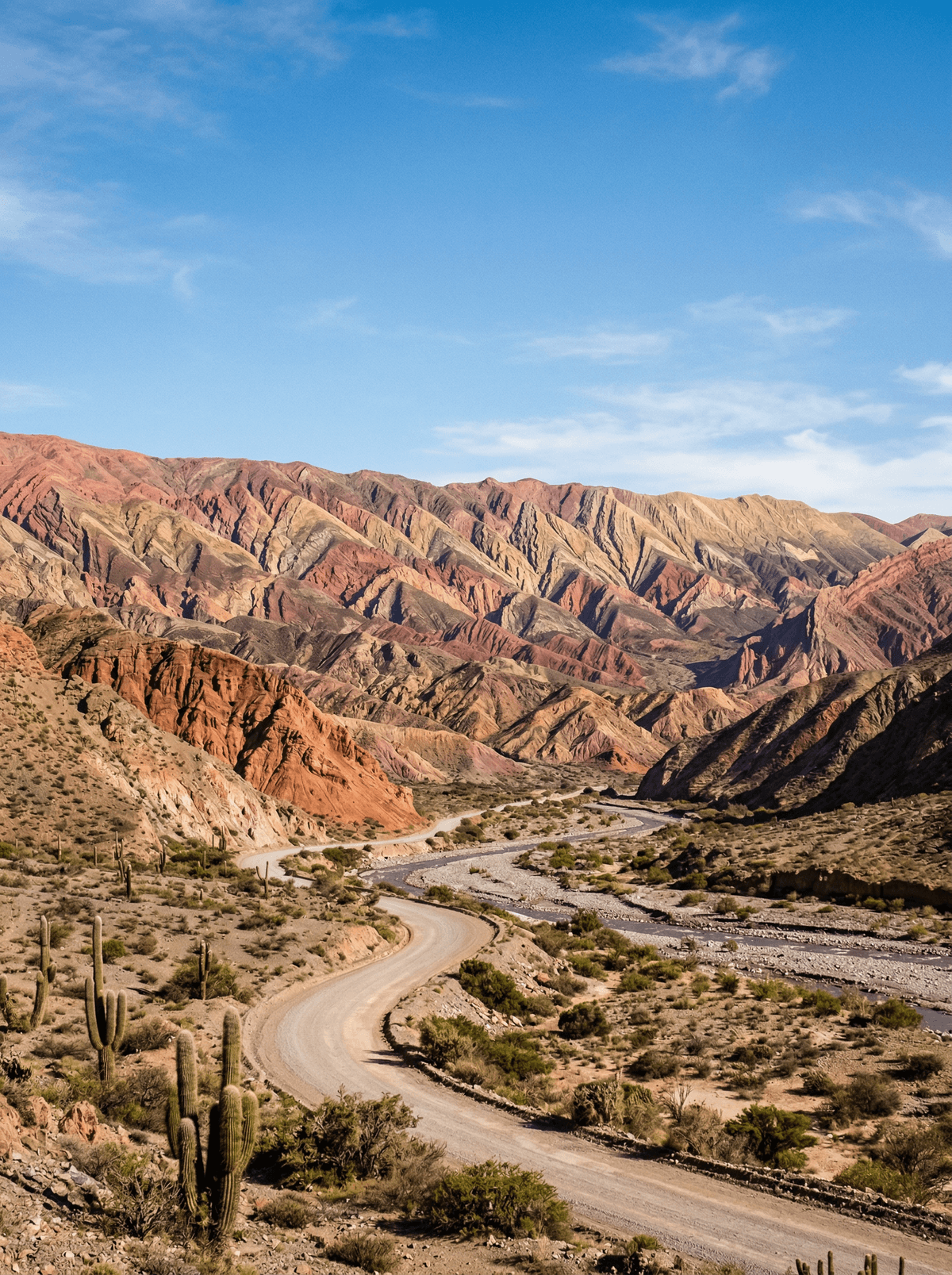
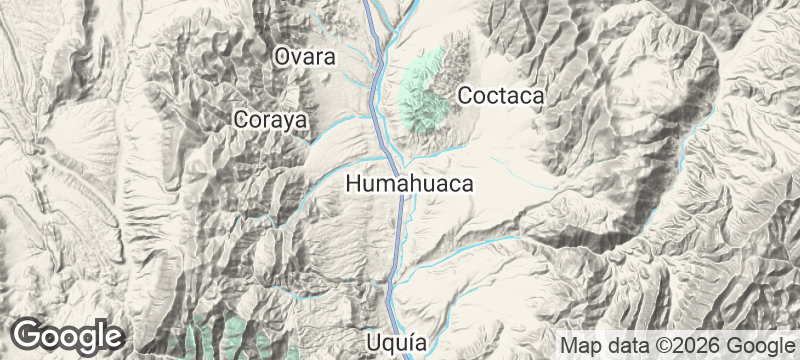
The rock changes colour every hundred metres — ochre, then burgundy, then a pale green that seems impossible for stone — as if the landscape were cycling through geological moods. The Quebrada de Humahuaca runs 155 kilometres through the Andes foothills of Jujuy, between roughly 2,000 and 3,500 metres, past adobe villages, pre-Inca ruins and markets selling textiles in the colours of the cliffs. UNESCO listed it in 2003 as a cultural landscape ten thousand years in the continuous making.
This was the main corridor of pre-Hispanic exchange between the high Andes and the lower valleys, and it still reads as a route rather than an exhibit — archaeology, markets and living traditions changing character village by village. Tilcara's Pucará, a hillside fortress occupied by successive cultures across centuries, gives the single best vantage over the canyon's full geological spectacle, and the Cerro de los Siete Colores above Purmamarca is Argentina's most photographed rock face, its minerals shifting hue by the hour. Carnival here is no revival: flour-throwing and devil-mask processions carry traditions the villages never stopped keeping. Altitude shapes the pace — the rewarding itinerary bases in one village and reads the valley in daylight sections rather than racing the road.
Solo
The quebrada rewards walking pace — ducking into village churches, buying weavings directly from artisans, watching the light rework the cliffs through an afternoon. The layering from pre-Inca to colonial to contemporary Andean gives weeks of material.
Couple
Driving north with no fixed timetable, stopping when the light is right, sleeping in an adobe posada and eating empanadas in a village plaza is one of Argentina's most unhurried pleasures.
Family
The coloured hills need no interpretation for children — vivid enough to hold any age, with tangible market stalls in each village and short hops between stops. Let altitude set the family pace.
Friends
The drive up from Salta covers enough geological and cultural variation to fill days. Groups working north through Purmamarca and Tilcara to Humahuaca rarely feel rushed.
- The UNESCO-listed canyon holds pre-Inca, Inca and colonial settlements along a single road.
- Humahuaca's market trades weavings and dried herbs between highland and valley as it long has.
- Purmamarca's seven-colour hillside shifts hue by the hour as the light moves.
- Carnival processions in Tilcara carry masked traditions the villages never stopped keeping.
Llama empanadas from a Tilcara market stall, the meat lean and faintly gamey.
Api morado — thick hot purple-corn drink spiced with cinnamon — on a cold morning at three thousand metres.
Meteora
Greece
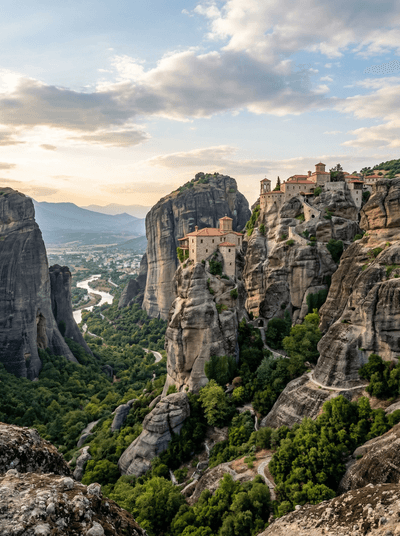
Monasteries balanced on sandstone pillars 300 metres above the plain, reached by rope and faith.
Tana Toraja
Indonesia
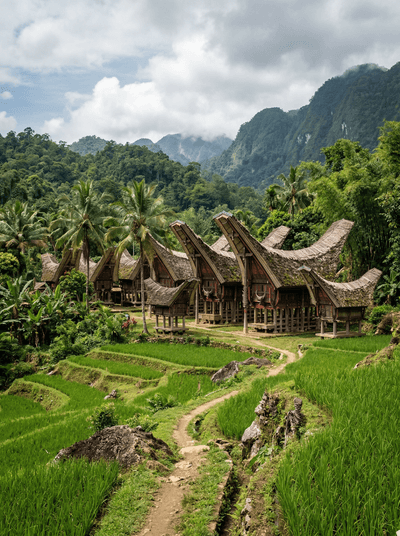
Cliff tombs watched by wooden effigies, in highlands where funerals set the calendar.
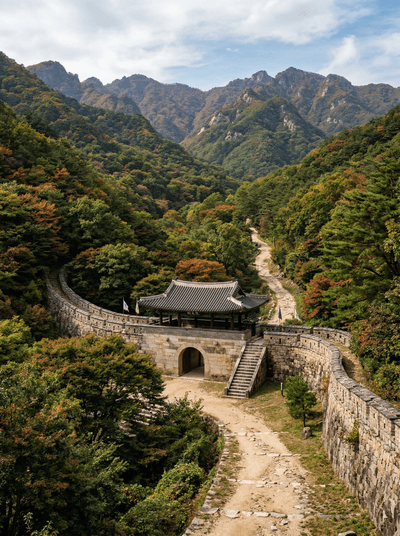
Mungyeong Saejae
South Korea
Joseon scholars walked this dirt pass through three stone gates for five hundred years.
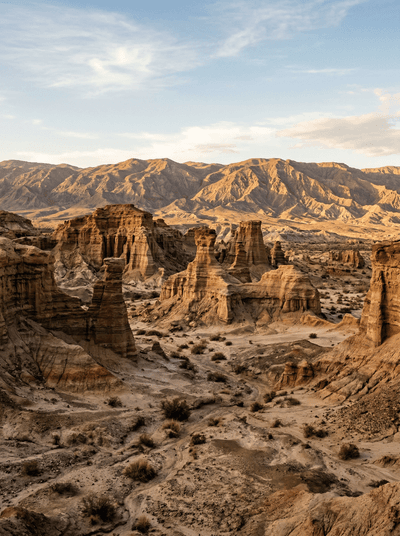
Ischigualasto
Argentina
A moonscape where the dinosaur age begins — bones in grey clay, stone spheres underfoot.
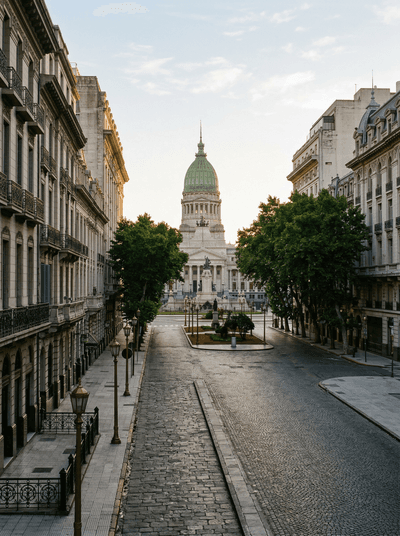
Buenos Aires
Argentina
Tango echoes through faded ballrooms where strangers dance until the city wakes.
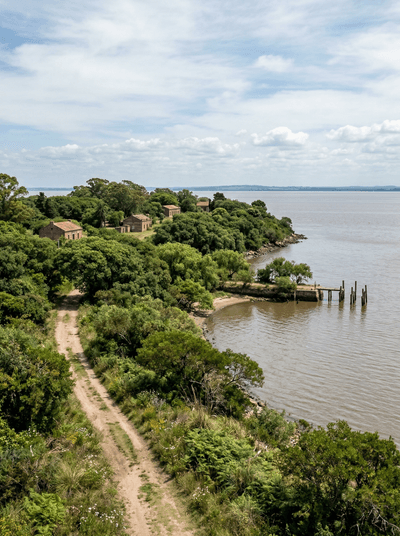
Isla Martín García
Argentina
Four Argentine presidents were imprisoned on this river island near Buenos Aires.
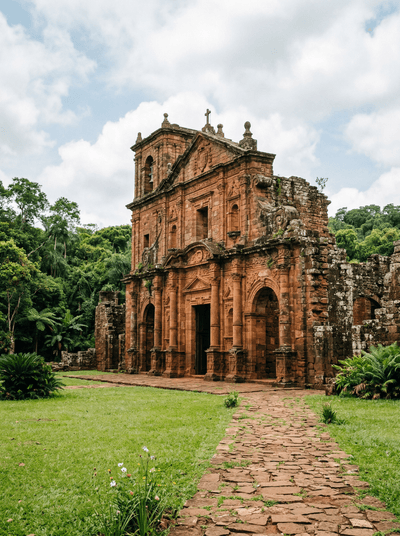
San Ignacio Miní
Argentina
Jungle-wrapped Jesuit ruins where Guaraní played baroque beneath a howler-monkey canopy.