Argentina
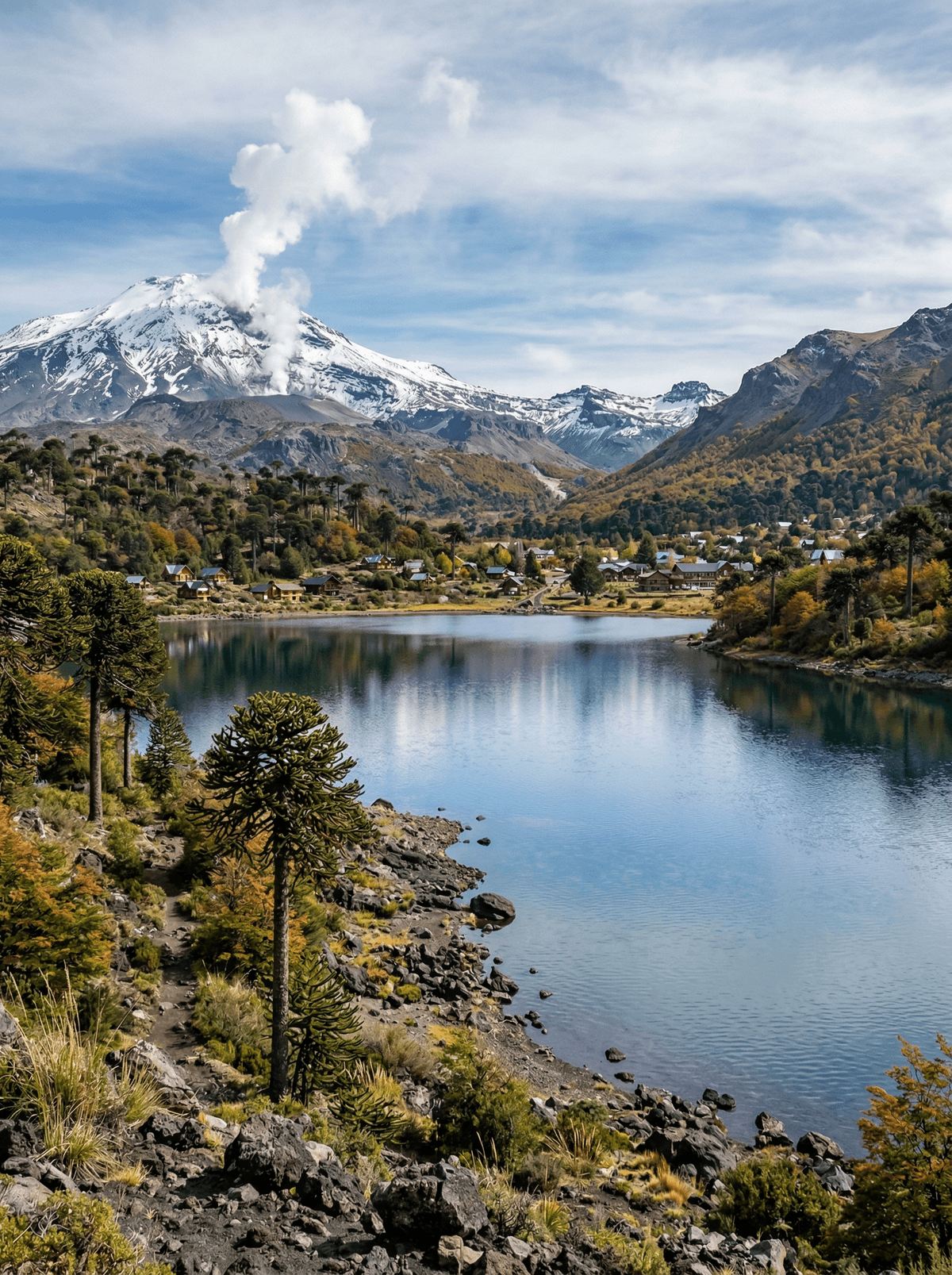
Caviahue
Hot springs steam through araucaria forest inside a volcanic caldera dusted with snow.
Caviahue sits high inside the outer caldera of the Copahue volcano, in a landscape that smells of sulphur, steams from the ground, and holds a crater lake so acidic — pH below one — that only extremophile bacteria survive it. Waterfalls stair down through araucaria country toward the village, thermal water rises hot enough to need dilution before anyone soaks in it, and in winter ski slopes open on the caldera's flanks above the steam.
The volcano remains genuinely active, with periodic ash emissions — current volcanic and access notices govern the thermal settlement and the higher routes, and the village is the year-round base beneath them. Two lakes tell the geology: Lago Caviahue, glacial and ordinary in its chemistry, and the vent lake on Copahue itself, among the most acidic crater lakes on Earth and warm as a bath. The thermal complex has treated joint and skin conditions since the nineteenth century, its sulphur pools and mud peloids drawn from the volcanic system through the operating facilities — while out on the geothermal fields like Las Máquinas, steam vents through fractured, ash-coloured ground where marked routes are the rule and visible steam never makes informal bathing safe. The araucaria stands around the caldera include trees centuries old, protected by law.
Couple
Like nothing else in the Argentine Andes — thermal baths in a live caldera, a signed waterfall circuit through basalt and araucaria, and a village small enough that nothing needs planning beyond the day's notices.
Family
The steam, the colours and the smell of a live volcanic system teach children something visceral about what the planet actually is — from the village's shorter paths, well back from vents and unsupervised hot water.
- Copahue's fumaroles vent visibly above the caldera, watched under current notices.
- The thermal complex runs open-air volcanic pools through its operating facilities.
- Araucaria centuries old ring the caldera, protected by provincial law.
- Winter opens small, uncrowded ski slopes on the caldera's snow-dusted flanks.
Piñones roasted on the fire and slow-cooked kid goat at a caldera-edge refugio.
Mapuche bread baked in ash, dense and smoky, eaten with local cheese.
Jeti-Ögüz
Kyrgyzstan
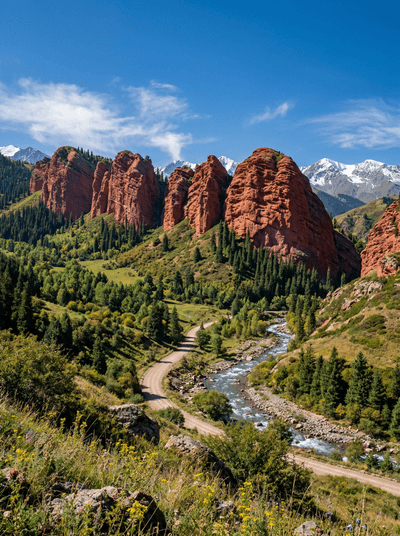
Seven rust-red sandstone bulls rearing from the valley floor, a broken heart cleaved beside them.
Barskoon Valley
Kyrgyzstan
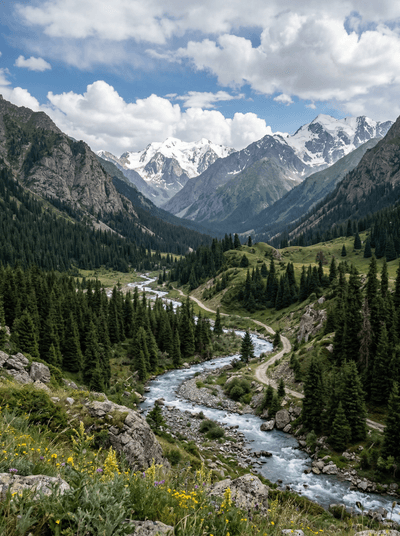
Waterfalls named Tears of the Snow Leopard, in a gorge that keeps two monuments to Gagarin.
Altopiano del Renon
Italy
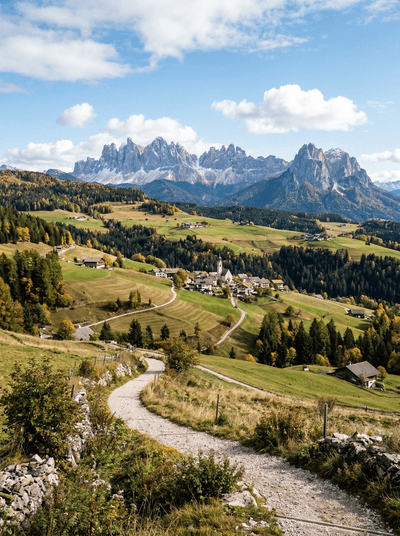
Boulder-capped clay towers spike out of the pines, the tallest earth pyramids in Europe.
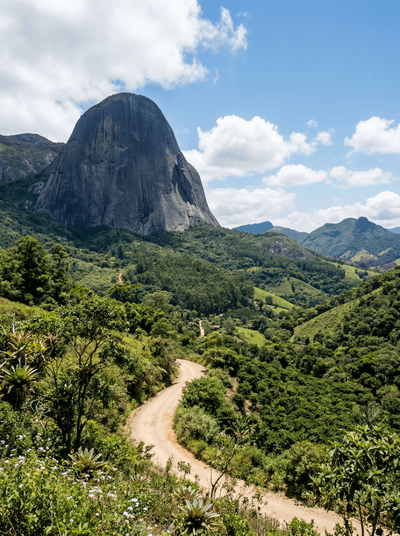
Pedra Azul
Brazil
A granite monolith blue with lichen, erupting from Atlantic Forest like a wave.
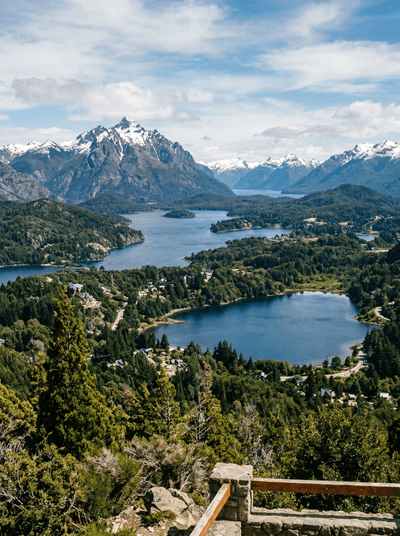
Bariloche
Argentina
Chocolate-scented streets beside a glacial lake so clear you count pebbles metres down.
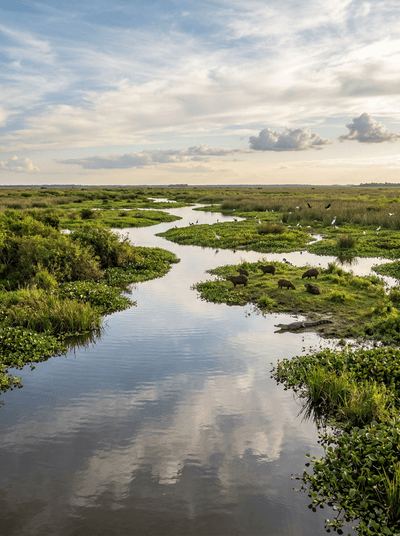
Esteros del Iberá
Argentina
Caiman drift among giant lily pads in a marsh where time itself pools and stills.
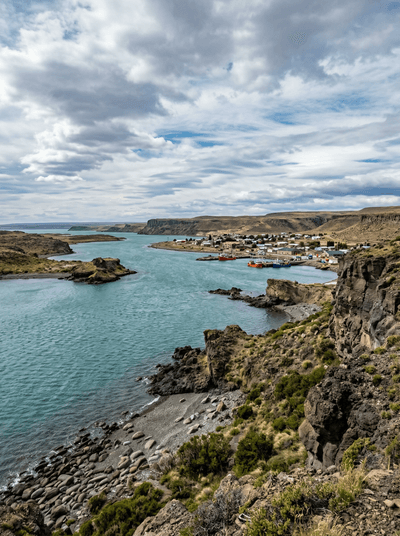
Puerto Deseado
Argentina
Tiny black-and-white dolphins spin through a flooded river canyon meeting the open sea.
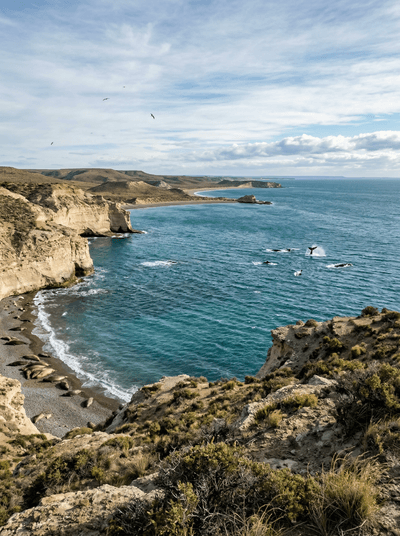
Península Valdés
Argentina
Right whales breach in sheltered gulfs where orcas hunt sea lions in the surf.