Argentina
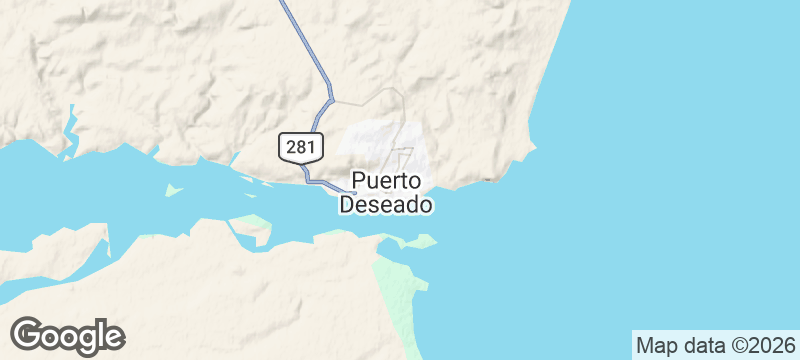
Puerto Deseado
Tiny black-and-white dolphins spin through a flooded river canyon meeting the open sea.
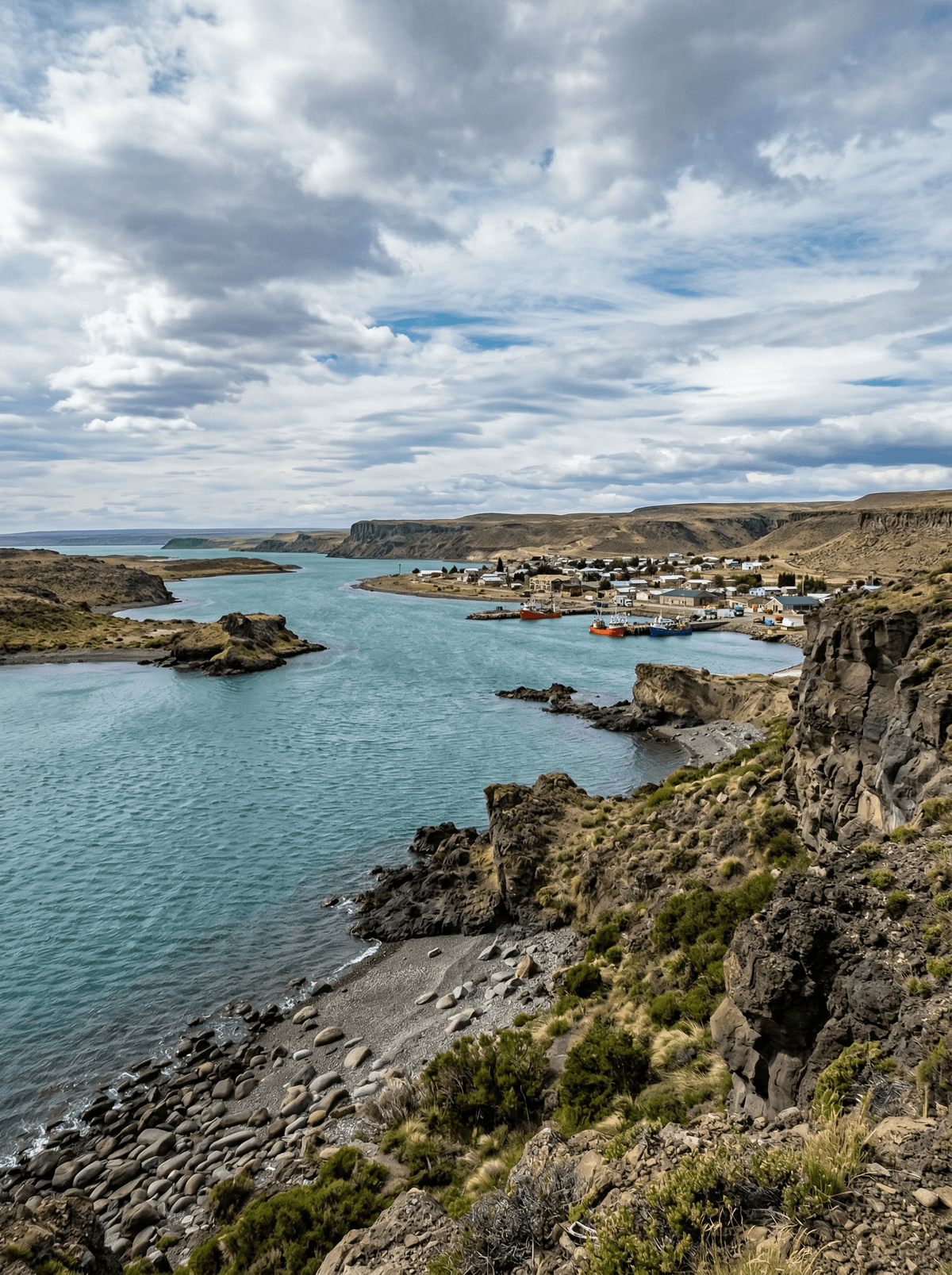
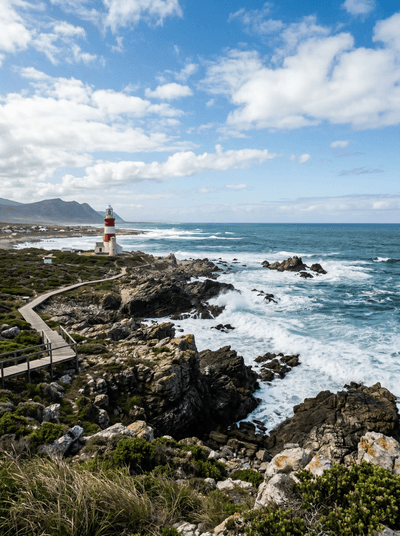
Puerto Deseado sits on a ría — a river valley flooded by the sea — cutting more than forty kilometres into the steppe and sheltering one of Patagonia's most extraordinary coastal ecosystems. Commerson's dolphins, crisp black-and-white and among the smallest of all oceanic dolphins, ride boat wakes in the ría on their own terms; the cliffs hold penguin colonies and cormorant rookeries, and the working port below keeps almost no tourist infrastructure beyond the strictly necessary.
The Ría Deseado is a protected marine reserve and one of the better places anywhere to encounter Commerson's dolphins — though sightings belong to the animals, never the timetable. Isla Pingüino, reached by a longer licensed navigation when season and sea allow, holds rockhopper penguins alongside Magellanic colonies, and the Isla de los Pájaros crowds imperial cormorants, sea lions and terns within a short boat ride of the dock. Darwin's Beagle expedition anchored here in 1833, and his species inventory of the ría remains a baseline for the reserve's science. Ashore, a street of tin-roofed estancia-era buildings and a museum of Tehuelche artefacts hold the town's history — the shore circuit worth keeping ready, because wind decides the boat days here.
Solo
The Commerson's dolphin is the reason you come — a pod moving through the ría in early light, unlike any other dolphin in the water, needs no further justification. The ría is met by boat under the reserve's rules, never informally.
Couple
A genuine working port that happens to have exceptional wildlife — the ría's marine life, the petrified forest up the coast road, and a complete absence of tourism performance make it the Atlantic coast's most authentic stop.
Family
Isla Pingüino runs without crowds — a family moving through the colony at its own pace, close enough to hear the calls, chosen with the right operator and boat for the sea state, knowing the animals may keep their own counsel.
- Commerson's dolphins, endemic to these cold waters, actively seek out boat wakes to ride.
- The flooded valley shelters penguins, cormorants and sea lions in one protected reserve.
- Licensed navigations reach Isla Pingüino's rockhoppers when season and sea permit.
- A street of Victorian-era tin-roofed buildings keeps the estancia era standing.
Spider crab and mussels from the ría, served simply at harbour-side tables.
Patagonian lamb chops over coals in a wind-battered parrilla above the estuary.
Esquel
Argentina
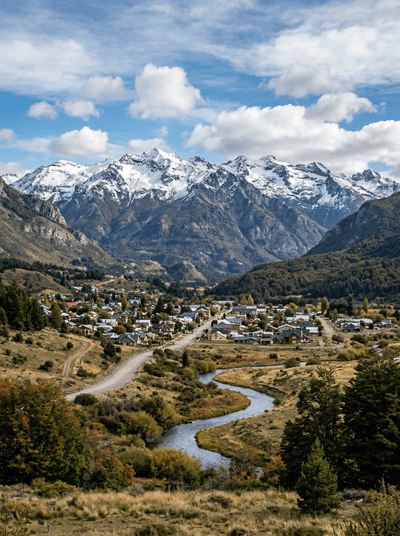
A 1922 steam locomotive wheezes across Patagonian steppe on rails from a vanished century.
Parque Nacional Patagonia
Argentina
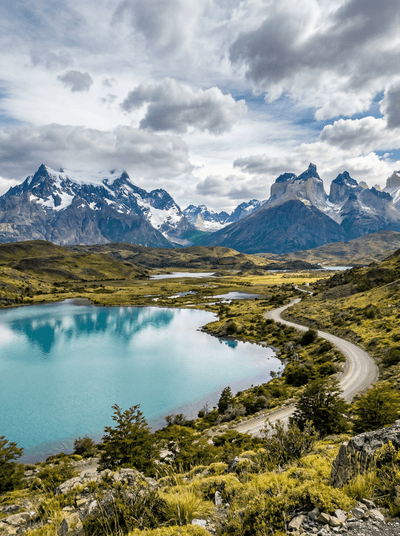
A sheep ranch returned to wilderness, where pumas again stalk guanaco herds freely.
Caviahue
Argentina
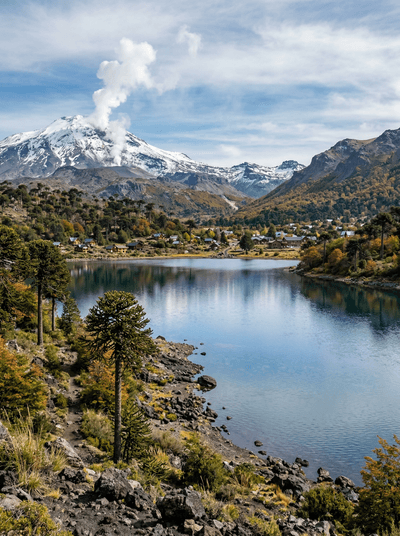
Hot springs steam through araucaria forest inside a volcanic caldera dusted with snow.
Villa Pehuenia
Argentina
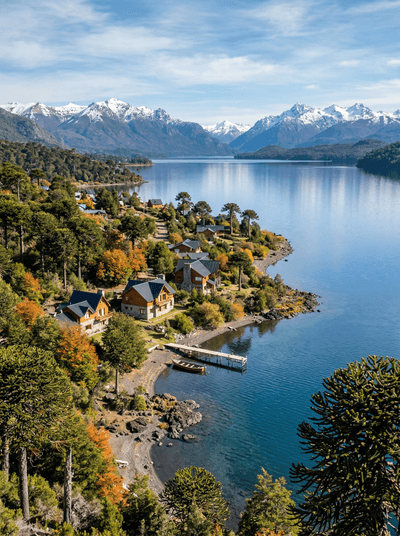
Monkey puzzle trees cast dinosaur-era silhouettes over twin lakes rimmed in volcanic sand.