Morocco
Talassemtane National Park
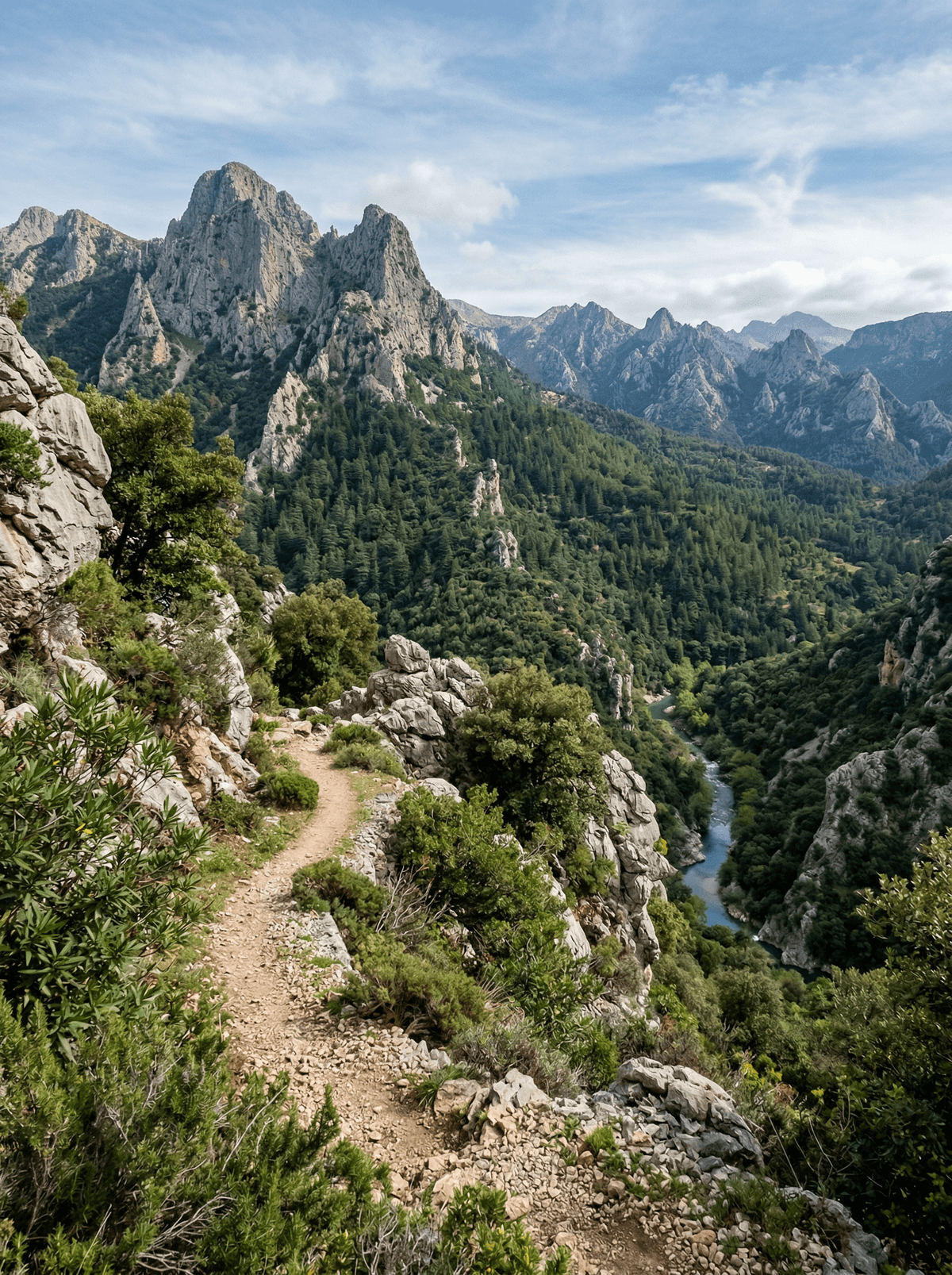
Endangered fir darkens the Rif until pale limestone cliffs break through the canopy.
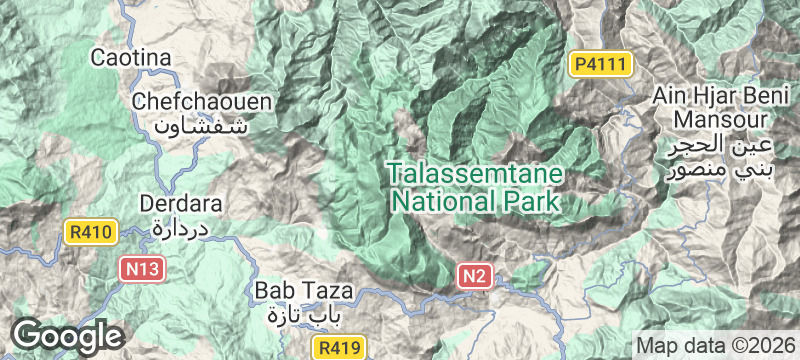
Beyond Chefchaouen, pale limestone rises through cedar and pine until Moroccan fir closes the canopy. The air cools, village paths leave the road and Jbel Tissouka pulls the day into the higher Rif.
Begin with a local guide on the Route de Tissemlale beneath Jbel Tissouka, then continue towards Affaska only as weather, footing and daylight allow. Moroccan fir is endangered and endemic to northern Morocco; its principal relic populations survive here and at Tazaout, correcting the old idea of one isolated stand. Across roughly 60,000 hectares, fir, cedar and pine meet limestone ridges, gorges, cliffs and caves, while paths towards Kalaa and Azilane make this a much broader proposition than the park's familiar Akchour gateway. Gîte Talassemtane and local guides make a deep-forest day practicable, but agree a route and turnaround point, start early, carry water, food, layers and an offline map, and tell your lodging when to expect you. Fog, rain and wet limestone can change navigation quickly; obey fire closures, light no fires and leave the endangered forest untouched.
Solo
Book a registered local guide for the deep park, agree the route and turnaround time, download an offline map and leave your plan with the gîte. Carry layers and water even in warm weather, and turn back when fog or rain obscures the limestone path.
Friends
Choose the Tissouka-Affaska distance to match the slowest walker, start early and keep the party together where village paths divide. Share water and navigation, follow local fire restrictions and leave fir branches, cones and other plants in place.
- Endangered Moroccan fir survives in principal relic populations at Talassemtane and Tazaout.
- Trails beneath Jbel Tissouka lead away from Chefchaouen into the park's higher Rif terrain.
- Roughly 60,000 hectares hold fir, cedar and pine among limestone ridges, gorges and caves.
- Registered local guides make the deeper forest safer to approach from Chefchaouen.
Fresh goat's cheese with local honey at Gîte Talassemtane.
Homemade orange-and-apricot jam served at the gîte.
Hinchinbrook Island
Australia
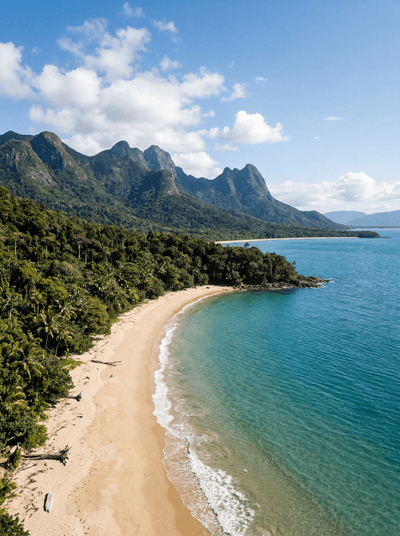
Tidal creeks, rainforest and granite ridges turn one island trail into a self-sufficient expedition.
Barra del Colorado
Costa Rica
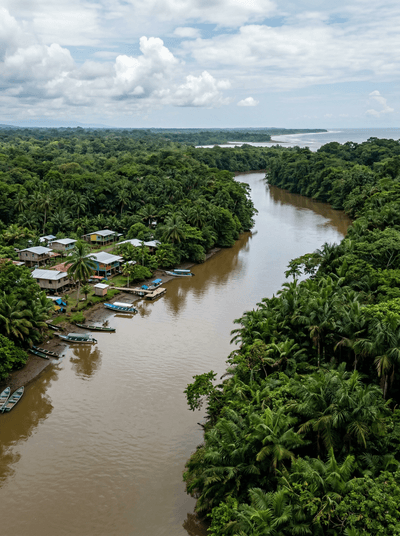
A roadless river delta where tarpon explode from chocolate-brown water and jaguars patrol the banks.
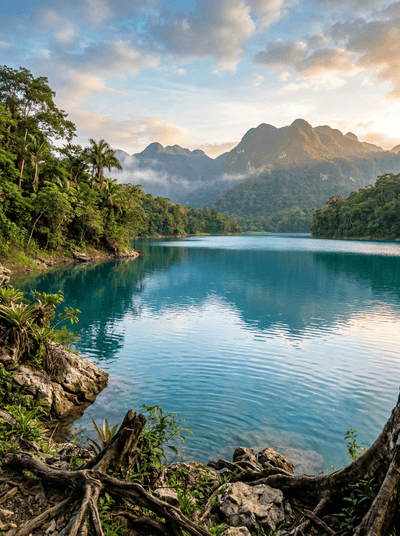
Laguna de Miramar
Mexico
Jade water lies dead still inside unbroken forest, without an engine within earshot.
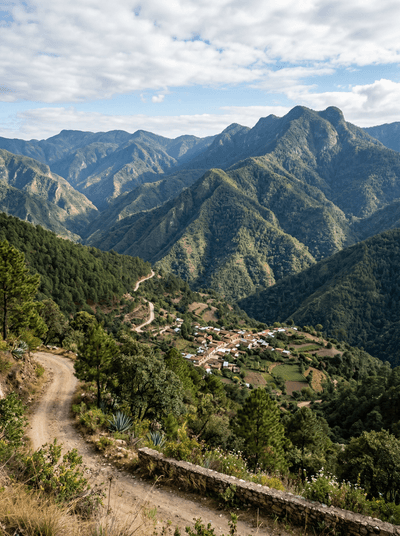
Oaxacan Sierra Norte
Mexico
Cloud-forest trails link Zapotec villages that invented community ecotourism in Mexico.
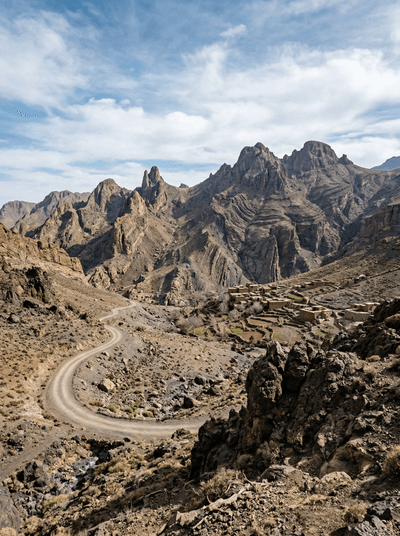
Jebel Saghro
Morocco
Black volcanic towers break a winter desert where mule trails vanish between water sources.
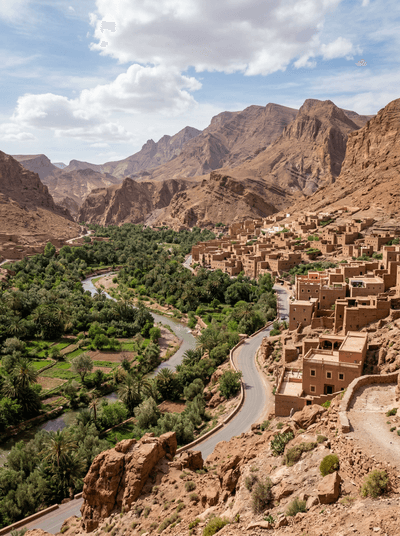
Boumalne Dadès
Morocco
A green river cleaves a wind-scoured plateau where mountain caravans changed seasons.
Imlil
Morocco
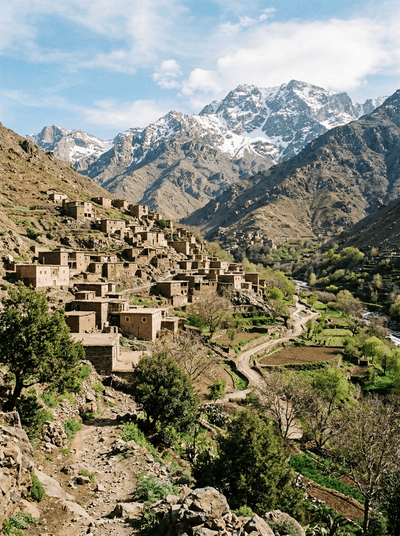
One short street of guides and gear ends where North Africa's highest mountain begins.