Moldova
Comrat
A Turkic-speaking Orthodox people run their own region here; in May the Horo shakes the ground.
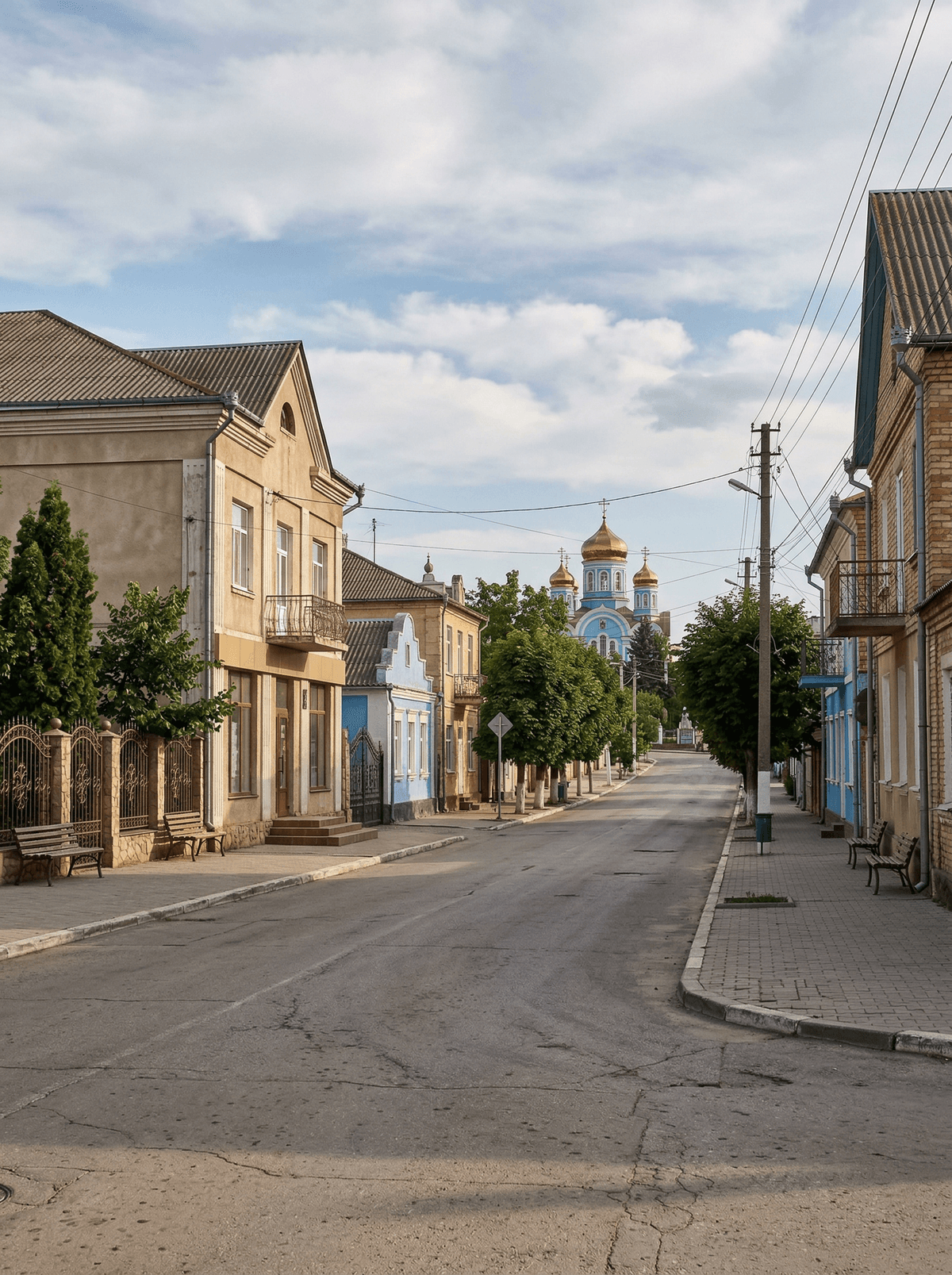
Three languages share the shopfronts, and the one you overhear most belongs to the Turkic family. An Orthodox dome rises over a market town whose kitchens lean to slow-cooked lamb and hot pepper. In May the ground shakes for Hederlez: horse races first, then the communal Horo.
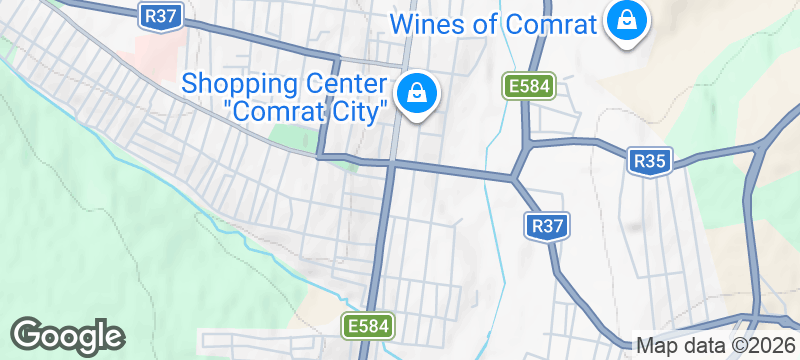
Comrat is the capital of Gagauzia, the autonomous territory of the Gagauz, a Turkic-speaking people who are Orthodox Christian; Moldovan, Gagauz and Russian are all official here. Moldova's own travel guide says the town conquers you through gastronomy first, and it is not wrong: lamb and herbs cooked for hours in a pot, ribs coated in a hot-pepper couscous paste, kavurma, cheese-filled gözleme. The Hederlez festival each May brings horse races and the Horo, danced by the whole crowd at once. For the deeper story, the Gagauz National Museum of History and Ethnography in nearby Beșalma keeps the costumes, jewellery and working tools of Gagauz village life.
Solo
Start at the market and eat through the Gagauz register unhurried; the compact centre and its three-language signboards do the rest.
Couple
Shape the day around a long Gagauz lunch and a run out to the Beșalma museum; in May, plan around Hederlez and stay for the Horo.
- Comrat is the administrative centre of Gagauzia, where Moldovan, Gagauz and Russian are all official languages.
- The Gagauz are a Turkic-speaking, Orthodox Christian people whose kitchen leans to slow-cooked herb lamb and pepper-crusted ribs.
- Each May the Hederlez festival fills the town with horse races and the communal Horo dance.
- The Gagauz National Museum in nearby Beșalma keeps national costume, women's jewellery and the tools of village life.
Order the Gagauz classics: lamb and herbs cooked for hours in a pot, or ribs crusted with a hot-pepper couscous paste.
The Gagauz Sofrasi ethno-complex nearby rolls what the official route guide calls the best gözleme and kavurma in the south.
Suva
Fiji
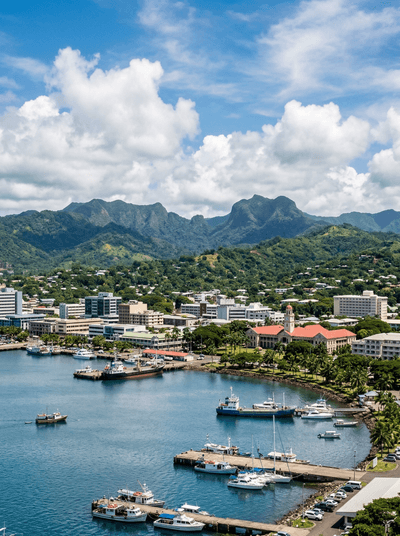
South Pacific hustle where Hindu temples share streets with Fijian markets and colonial verandahs.
Levuka
Fiji
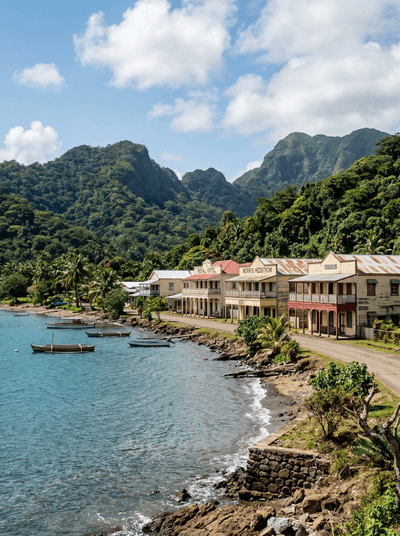
Fiji's first colonial capital frozen in the 1870s, wooden shopfronts sagging under tropical rain.
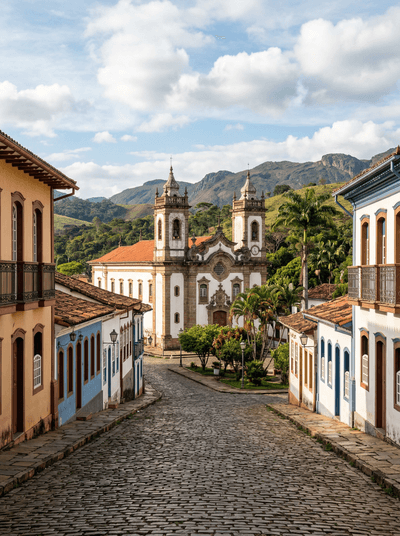
São João del-Rei
Brazil
Baroque towers answering each other across a valley, ringing the sex of whoever has just died.
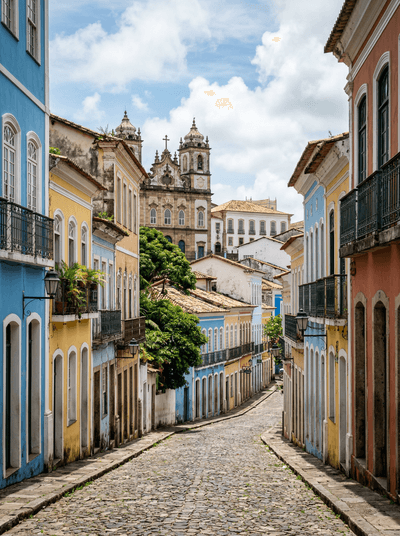
Salvador
Brazil
Drum rhythms ricocheting off colonial walls where song, dance and combat happen at once.
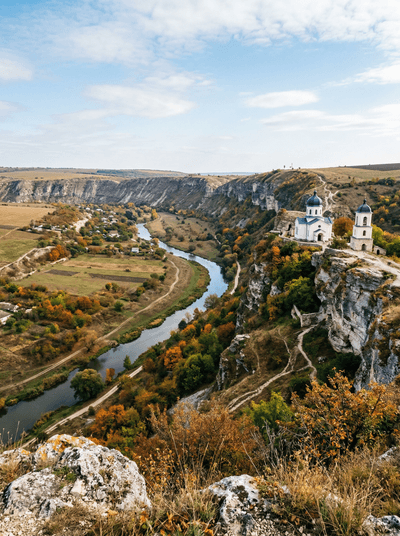
Orheiul Vechi
Moldova
Candles burn in a cliff-dug monastery cell; a Golden Horde city lies buried around the bend.
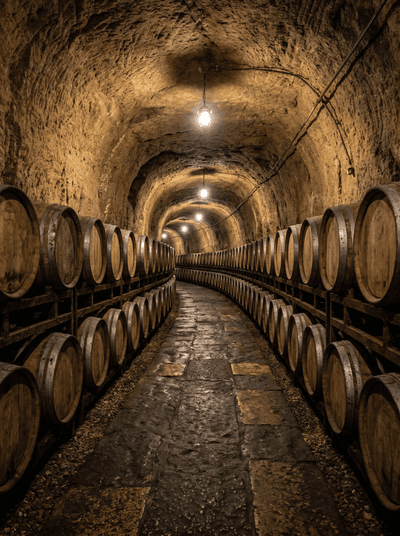
Mileștii Mici
Moldova
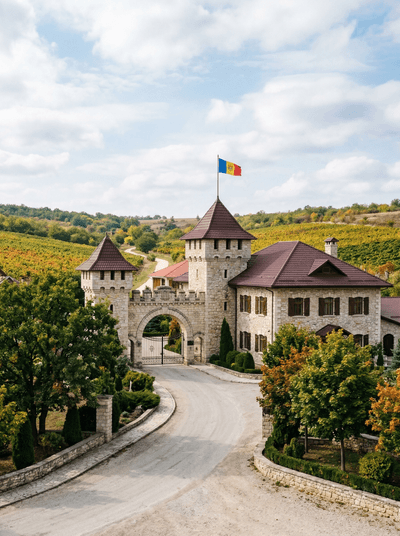
Drive streets named Cabernet and Feteasca through the wine cellar Guinness lists as the world's largest.
Cricova
Moldova
Ride an electric train down wine streets that hide Göring's captured cellar 80 metres underground.
Țipova
Moldova
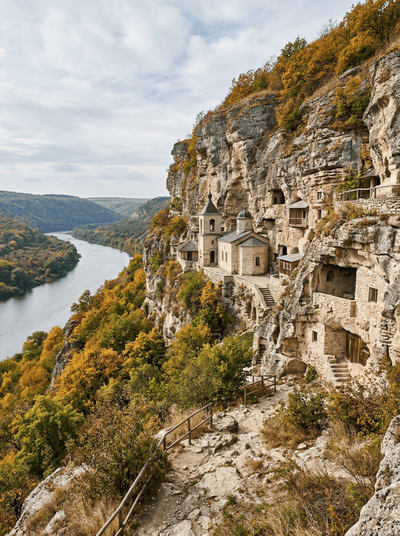
Hermit cells climb a Dniester cliff where legend buries Orpheus in a nook of a waterfall.