Italy
Craco
A ghost town on a crumbling cliff, evacuated after a landslide, now silent and sinking.
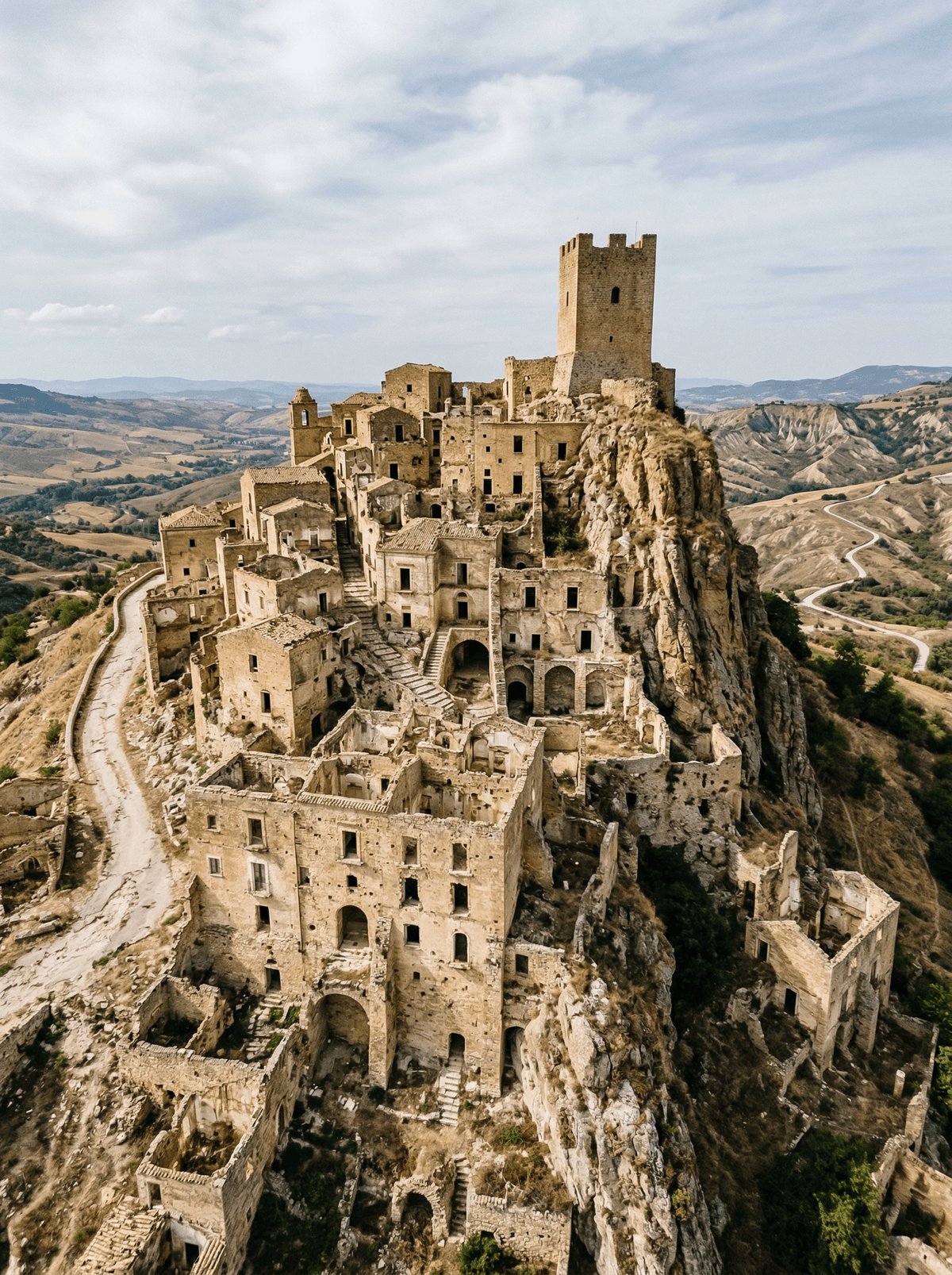
Roofless houses cling to a clay ridge as if refusing to let go, empty windows staring across the Basilicata badlands. No one has lived here since the 1960s. The only movement is stone surrendering to gravity, one room at a time.
Craco had stood on its ridge since the eighth century, Norman tower and churches stacked along the spine, until landslides destabilised the clay beneath and the evacuation of 1963 began emptying it, in stages, over nearly two decades. The abandonment made it cinema: The Passion of the Christ and Quantum of Solace both used its skeletal skyline. Entry now runs through a managed museum park with guided routes threading the stabilised sections, alongside a museum that carries the displaced community's testimony. All around, the grey calanchi amplify the desolation, with Craco readable from kilometres away as an outline against the sky.
Solo
Ghost towns are best met alone; the guided route is small, but the reckoning with vanished ordinary life is private.
Friends
The eerie skyline, the badlands drive and the film-set familiarity make Craco the detour a group retells for years.
- The evacuation began in 1963 and emptied the ridge in stages; the town has stood silent since.
- The Passion of the Christ and Quantum of Solace both filmed against Craco's skyline.
- Guided routes thread the stabilised sections; the ruin is entered as a managed museum park.
- The surrounding calanchi make the ghost town legible from kilometres away.
Strascinati all'aglianico pair dragged pasta with braised sausage in the Lucanian manner.
Aglianico del Vulture, called the lord of the Lucanian table, drinks dark and structured.
Triora
Italy
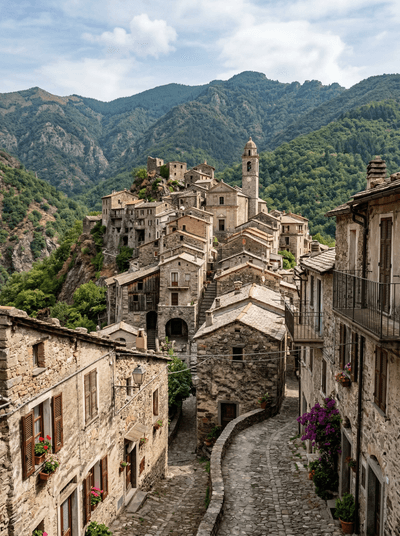
A witch-trial village high in the Ligurian Alps, its 1588 terror still marked in stone.
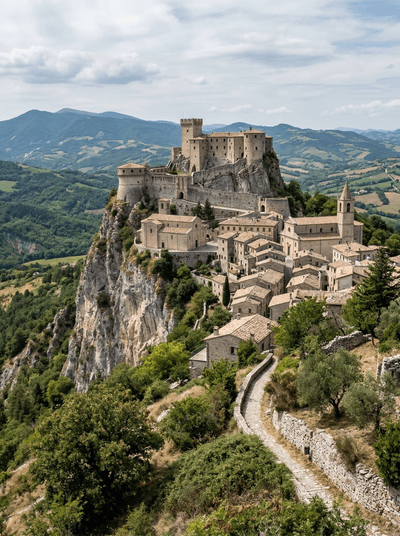
San Leo
Italy
The occultist Cagliostro died a prisoner in this fortress, in a cell entered through its ceiling.
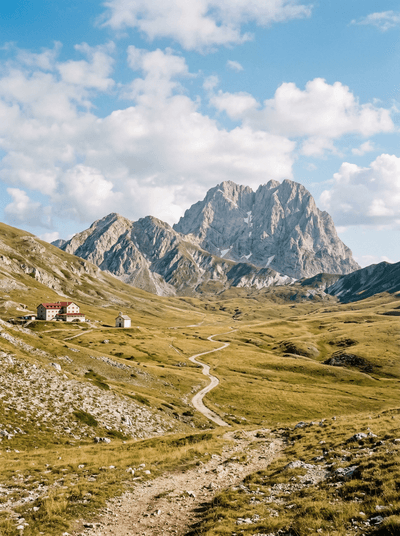
Campo Imperatore
Italy
A vast high plateau called Italy's Little Tibet, barren, wind-scoured, impossibly empty.
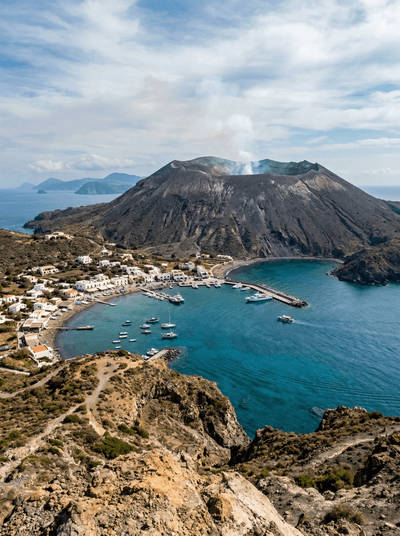
Isole Eolie — Vulcano
Italy
Sulphur vents hiss beside black beaches on the island where Vulcan kept his forge.