Italy
Isole Eolie — Vulcano
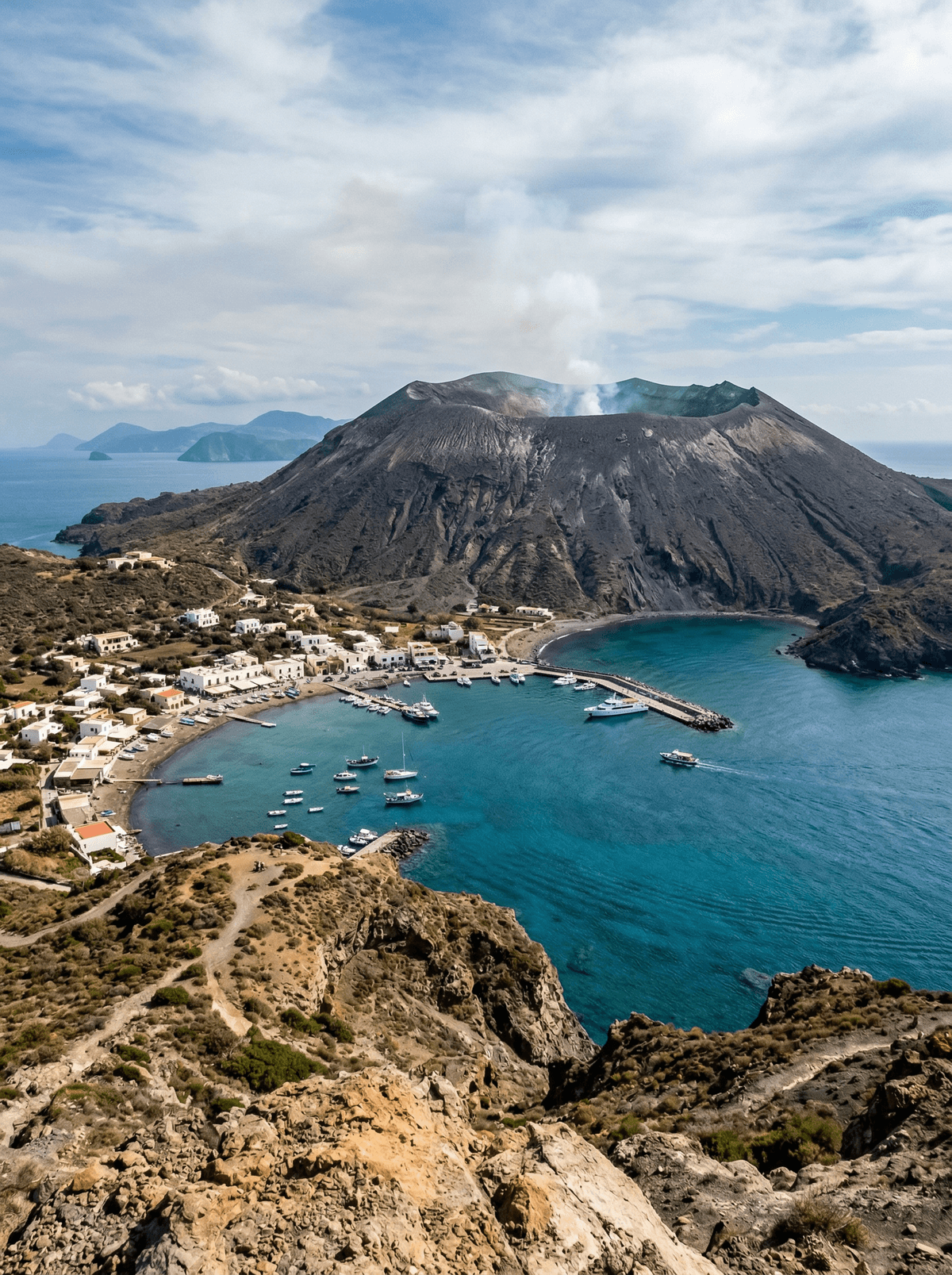
Sulphur vents hiss beside black beaches on the island where Vulcan kept his forge.
Sulphur announces the island before the harbour does, drifting sharp and mineral across the water. Vulcano's Gran Cratere rises straight above the port, its rim an hour's climb, its fumaroles painting the rock yellow. Myth put the smith-god's forge burning underneath, and the name has belonged to every volcano since.
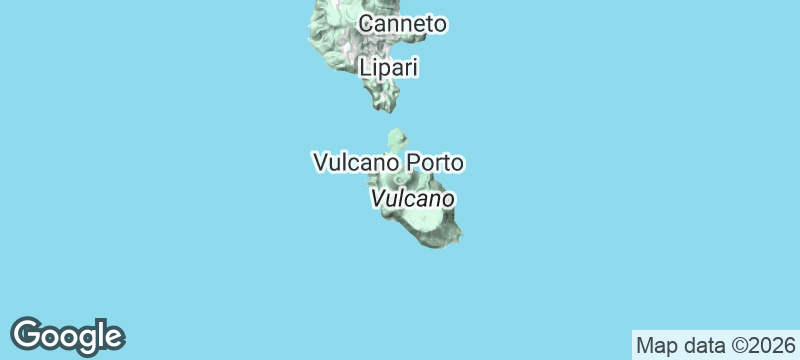
Vulcano is the southernmost Aeolian island, part of the archipelago's UNESCO listing, and the island myth said housed the forges of Hephaestus, the fire god the Romans knew as Vulcan. The Gran Cratere last erupted in 1890 and still vents hard, sulphur crystals crusting the rim path that climbs to 391 metres above the sea, walked within the access rules the monitoring sets. Black-sand beaches line the shore, and underwater vents warm patches of the bay like a natural spa. The famous mud pool at Porto di Levante has been closed since 2020; the crater, the dark shores and the hissing shoreline carry the strangeness on their own.
Solo
The crater climb is a confrontation with geology, sulphur vents and the whole Aeolian chain from the rim.
Friends
Black beaches, warm sea vents and the rim at sunset produce the slightly absurd shared stories trips are for.
- Myth placed the forges of Hephaestus beneath this crater, the god the Romans called Vulcan.
- The Gran Cratere rim stands 391 metres above the sea, fumaroles crusting the rock yellow.
- Underwater vents warm patches of the bay like a natural spa.
- The Porto di Levante mud pool has been closed since 2020; the crater and black shores carry the day.
Caponata in the Aeolian manner leans on local capers and sun-dried tomatoes from volcanic soil.
Malvasia di Lipari, pressed from grapes dried on reed mats, pours golden and honeyed.
Chapada das Mesas
Brazil
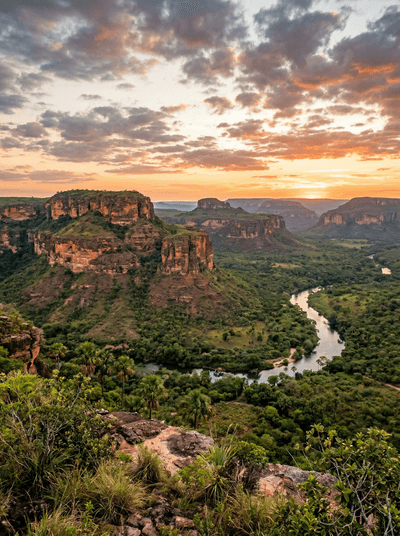
Mesas to the horizon, and a seventy-metre fall past a rock they read as the saint.
Spiti Valley
India
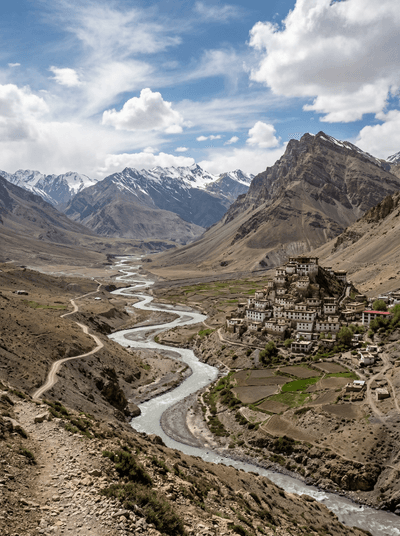
A high-altitude desert of wind-sculpted spires hiding Tibetan monasteries older than the borders.
Reserva Nacional Altos de Lircay
Chile
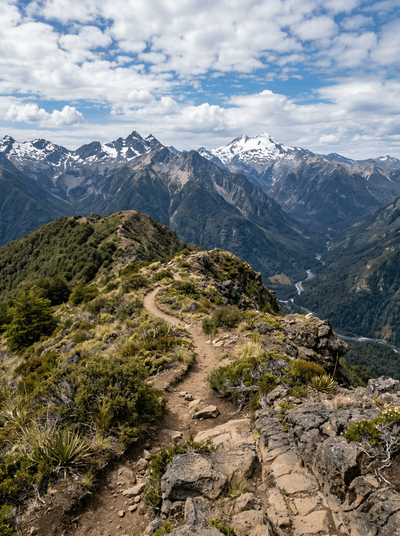
Forest paths climb from Vilches towards high Andean plateaux and open sky.
Chapada Diamantina
Brazil
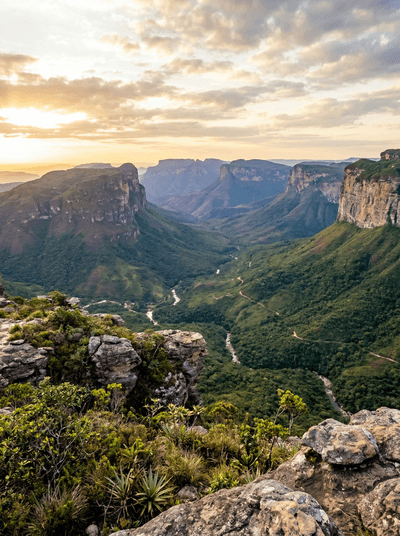
A three-hundred-and-eighty-metre waterfall, in a park with no signposts and no phone signal.
Campo Imperatore
Italy
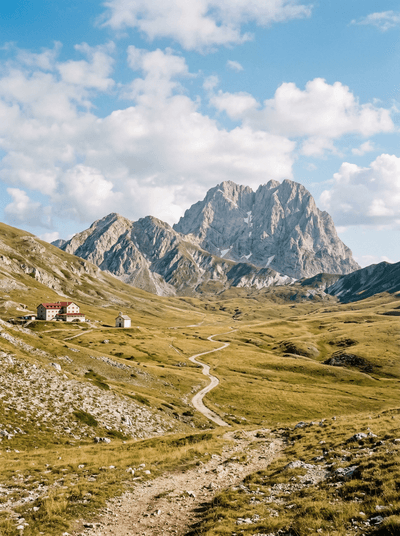
A vast high plateau called Italy's Little Tibet, barren, wind-scoured, impossibly empty.
Orgosolo
Italy
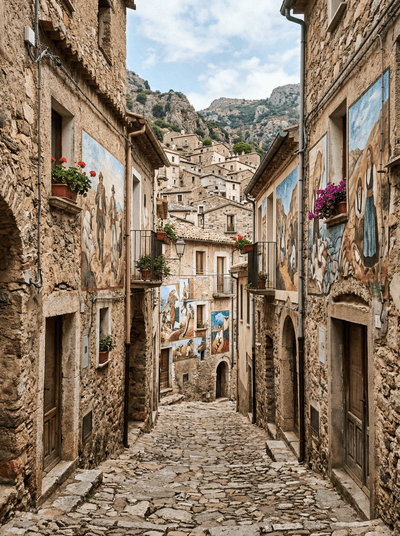
A shepherds' village where the walls argue politics in hundreds of painted murals.
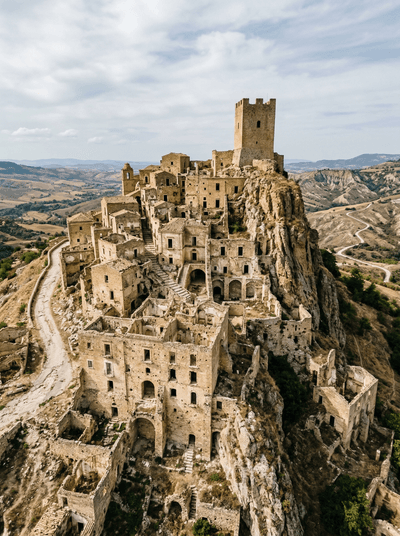
Craco
Italy
A ghost town on a crumbling cliff, evacuated after a landslide, now silent and sinking.
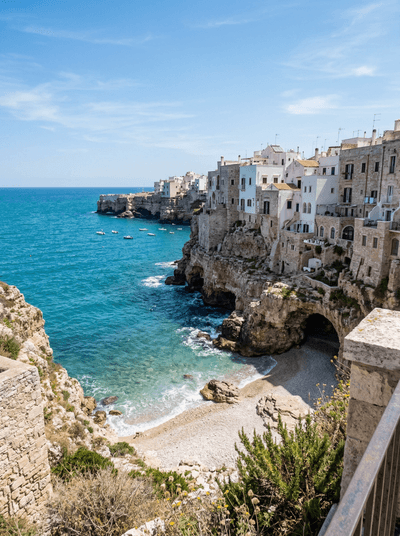
Polignano a Mare
Italy
Houses perched on a cliff edge above a cove where divers leap from old-town rocks.