Pakistan
Peshawar
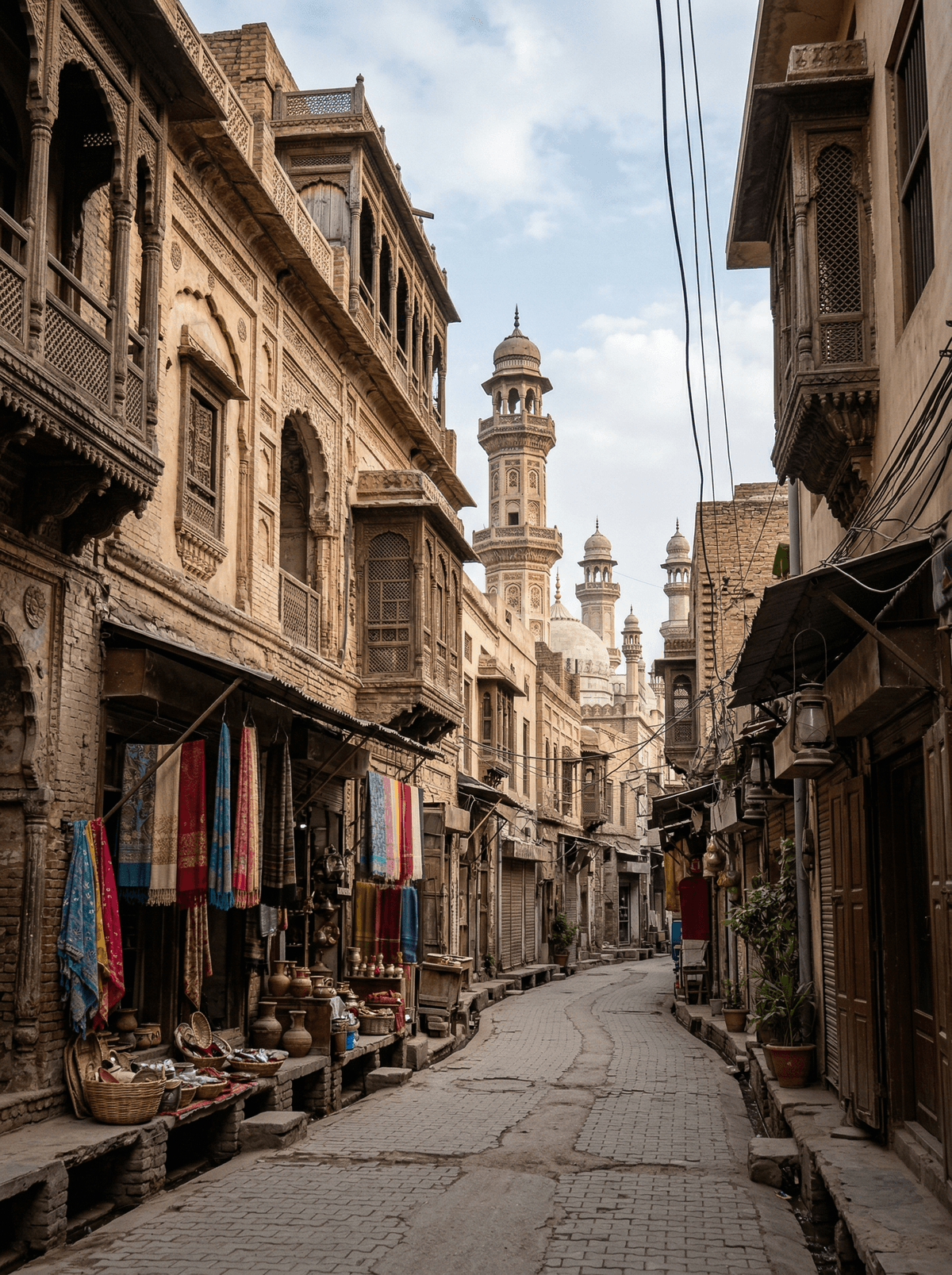
Copper-pot green tea in the Bazaar of Storytellers where Pashtun merchants have traded for millennia.
The copper hammering starts before you see the craftsmen. Inside Peshawar's Qissa Khwani Bazaar — the Bazaar of Storytellers — green kahwa tea steams in brass pots while Pashtun merchants argue over carpets in a market that has operated continuously for over two thousand years. The air is thick with cardamom, charcoal smoke, and the particular energy of a frontier city that has outlasted every empire that tried to control it.
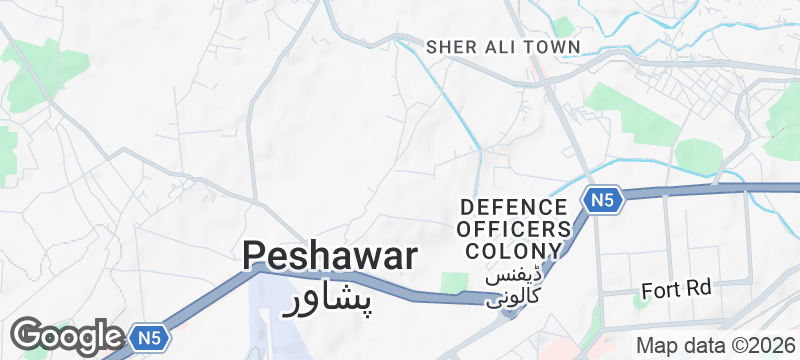
Peshawar is one of South Asia's oldest living cities, positioned at the eastern end of the Khyber Pass where Central Asian trade routes funnelled into the Indian subcontinent. The old city's labyrinthine lanes hold Mughal-era caravanserais, Sikh-period havelis, and the Bala Hisar Fort, which has been continuously garrisoned since at least the 6th century BCE. The Peshawar Museum houses one of the world's finest collections of Gandhara Buddhist art — Greco-Buddhist sculptures carved when this region sat at the crossroads of Hellenistic and Indian civilisations. Namak Mandi, the salt market district, doubles as the city's legendary meat quarter, where lamb ribs are charred over open coals and chapli kebab — Peshawar's defining dish — sizzles flat on iron griddles. The city's character is unapologetically Pashtun: direct, hospitable, and layered with a history that predates written record.
Solo
Solo travellers find Peshawar's old city rewards slow, patient exploration — every lane reveals a hidden mosque, a crumbling haveli, or a tea stall where the owner insists you sit. Pashtun hospitality makes eating alone impossible; someone always shares their table.
Friends
A group of friends can spend a full day eating through Namak Mandi's meat stalls, exploring the Gandhara collection at the museum, and losing themselves in the covered bazaars where carpets, gemstones, and copper pots compete for attention.
- The Qissa Khawani Bazaar — Storytellers' Bazaar — has operated as a caravanserai rest point for traders from Central Asia, Persia, and China for over 500 years.
- Green Peshawar tea is served in copper pots with cardamom and sugar at low tables where conversation is the stated purpose of sitting.
- The Peshawar Museum holds one of the world's finest Gandhara collections — gold earrings, schist friezes, and painted plaster from sites across the Khyber region.
- The Cunningham Clock Tower and the surviving Mughal-era mosques of the old city can all be walked in a two-hour circuit through lanes too narrow for cars.
Chapli kebab — the definitive version, minced meat with tomatoes and pomegranate seeds fried flat.
Namak mandi's grilled lamb ribs, charred and salted, served on newspaper.
Green kahwa tea with cardamom from every doorstep — Peshawar runs on it.
Nîmes
France
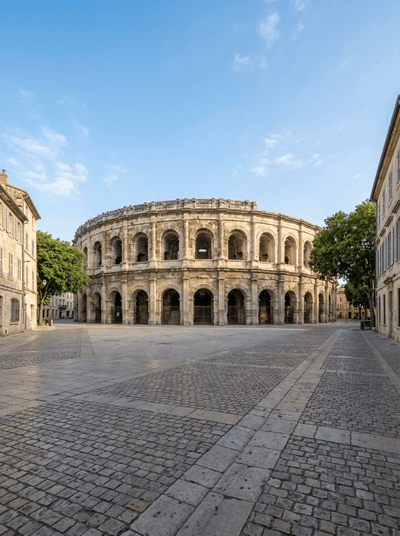
Roman amphitheatre so intact they still fill it with sand for bullfights and rock concerts.
Montalegre
Portugal
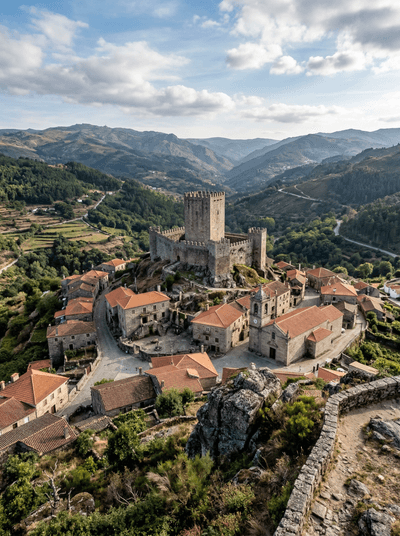
Friday the 13th draws witchcraft fairs to this mountain castle town above the Barroso commons.
Ísafjörður
Iceland
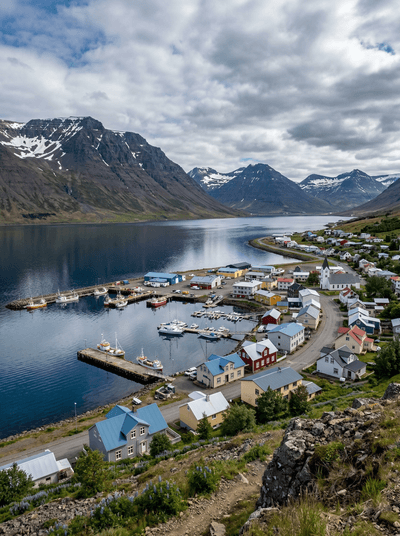
The Westfjords capital clinging to a spit of land between mountains so steep roads spiral.
Guadalajara
Mexico
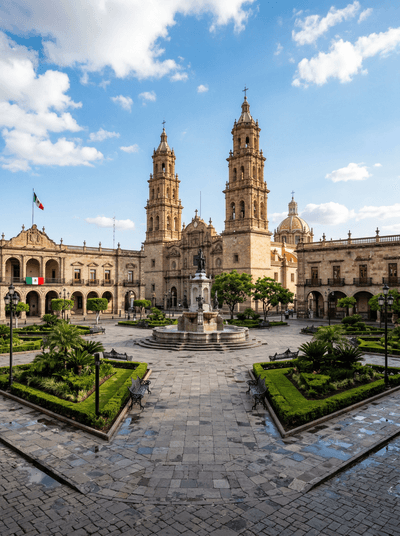
Mariachi echoing off neoclassical stone at midnight, tequila flowing in cantinas older than the revolution.
Cholistan Desert
Pakistan
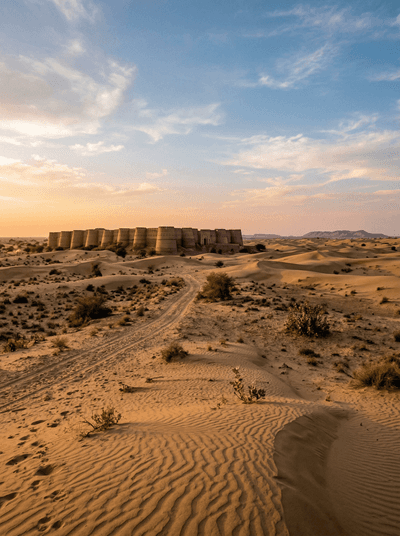
Forty bastions of a forgotten fortress rising from featureless desert where camel nomads still roam.
Astola Island
Pakistan
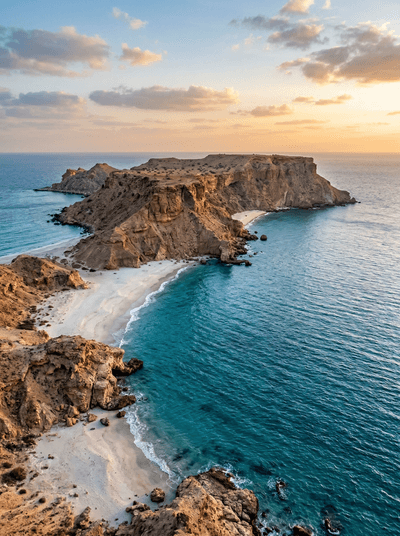
Pakistan's largest island — uninhabited, unreachable half the year, ringed by water so clear it aches.
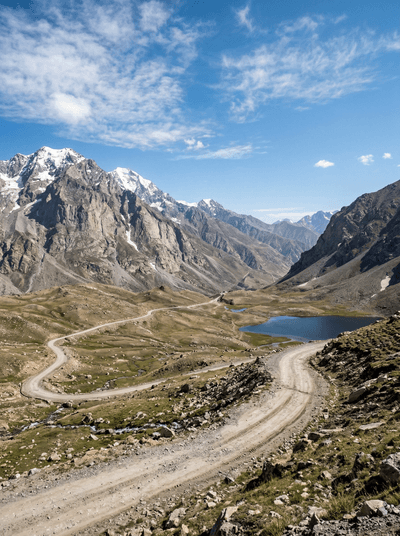
Shandur Pass
Pakistan
The world's highest polo ground where rival valley horsemen clash at 3,700 metres every July.
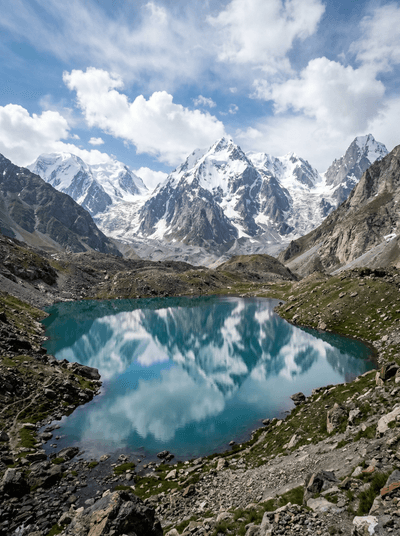
Rush Lake
Pakistan
At 4,694 metres, one of Earth's highest alpine lakes mirrors Rakaposhi and Diran in still water.