United States
Craters of the Moon
A lava field so alien that NASA trained Apollo astronauts on these flows for moon missions.
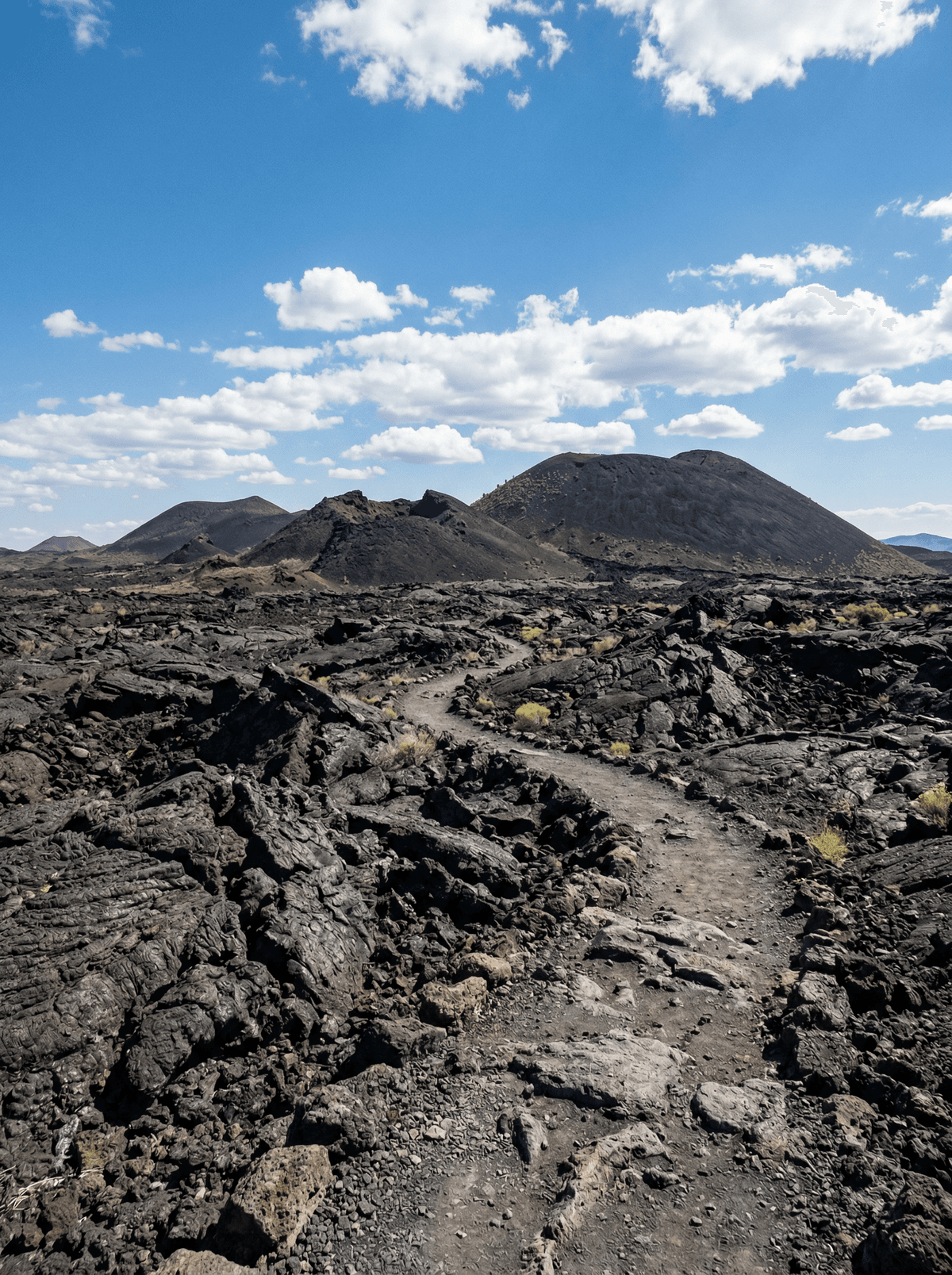
Black lava stretches to the horizon in frozen waves, buckled and cracked, as if the earth convulsed and then stopped breathing. The silence at Craters of the Moon in central Idaho is absolute — no birdsong, no running water, just wind scraping basalt. Occasionally the ground opens into a lava tube, and you descend into caves formed by rivers of molten rock 2,000 years ago.
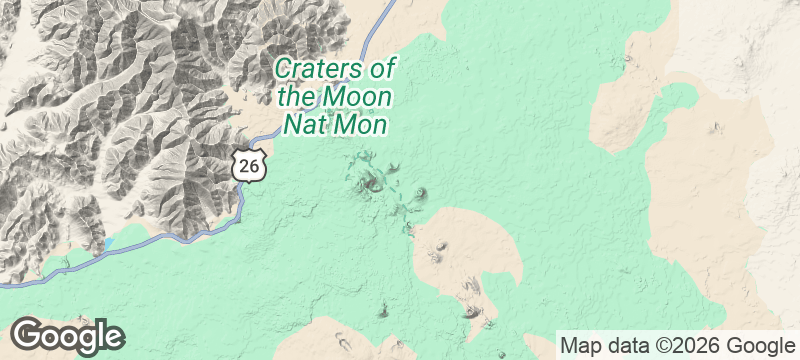
Craters of the Moon National Monument preserves 618 square miles of volcanic landscape along the Great Rift, a series of deep fissures in the Earth's crust. The most recent eruptions occurred roughly 2,100 years ago, and geologists expect future eruptions within the next thousand years — this is a dormant system, not an extinct one. The terrain was so otherworldly that NASA sent Apollo 14 astronauts Alan Shepard and Edgar Mitchell here in 1969 to train for the lunar surface. They practised identifying volcanic features and navigating terrain with no familiar landmarks. The monument contains over twenty-five accessible lava tubes, cinder cones, spatter cones, and vast fields of pahoehoe and aa lava. Despite the seemingly lifeless appearance, over 750 plant species and 280 wildlife species survive here, adapted to the harsh basalt environment.
Solo
Walk the lava fields alone and the lunar comparison becomes personal — you feel genuinely isolated from the known world. The lava tubes offer a meditative descent into the earth, torchlight playing on walls shaped by forces far older than civilisation.
Friends
Explore the lava tubes together, hike the cinder cones, and camp beneath a sky so dark the Milky Way illuminates the basalt. The landscape is so alien it turns a group of adults into explorers again.
Family
Paved loop road, cave exploration, easy trails through lava fields
- NASA used the lava fields here to train Apollo 14 astronauts before the 1971 mission — the geological similarity to the lunar surface includes the same basaltic composition.
- The park contains cinder cones, lava tubes, and pressure ridges formed between 2,000 and 15,000 years ago — young enough geologically that bare rock dominates and soil formation is visible at its earliest stages.
- The wilderness section has no trails at all — navigation is by landmark across open lava fields where unintentional entry into a lava tube entrance is a genuine hazard.
- The obsidian surface absorbs rather than reflects light, creating one of the darkest International Dark Sky Parks in the United States — the certifying body found no artificial light contamination within the horizon.
Finger steaks — Idaho's answer to chicken fingers, but with beef — from a roadside diner.
Basque lamb stew from a shepherder's restaurant in nearby Shoshone.
Idaho potato soup with bacon and cheese at a lava-side lodge.
Trollskogen (Öland)
Sweden
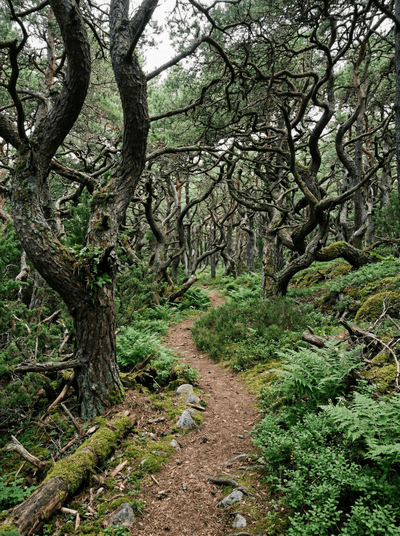
A forest of wind-warped oaks so twisted they look like a witch's spell gone wrong.
Millennium Cave
Vanuatu
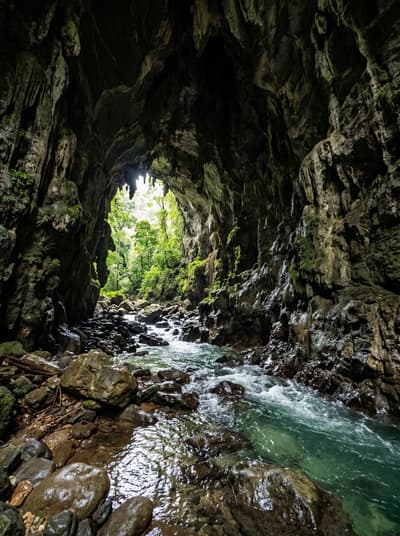
Scramble through jungle and wade chest-deep rivers to a cave you enter walking and exit floating.

Maryang-ri
South Korea
A five-hundred-year-old forest of camellia trees bleeding red flowers against the grey winter sea.
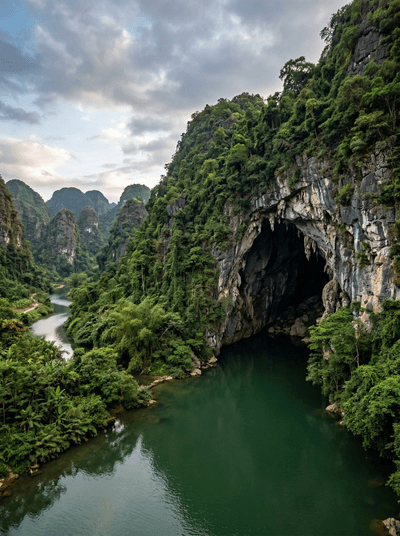
Phong Nha
Vietnam
Hidden jungle portals opening into subterranean river systems and limestone caverns.

New Orleans
United States
Jazz spilling from doorways at 2 a.m. while beignet sugar dusts your collar.

Savannah
United States
Spanish moss dripping into squares where horse hooves echo on cobblestones after dark.

Charleston
United States
Sweetgrass baskets sold on street corners where the air smells of pluff mud and jasmine.
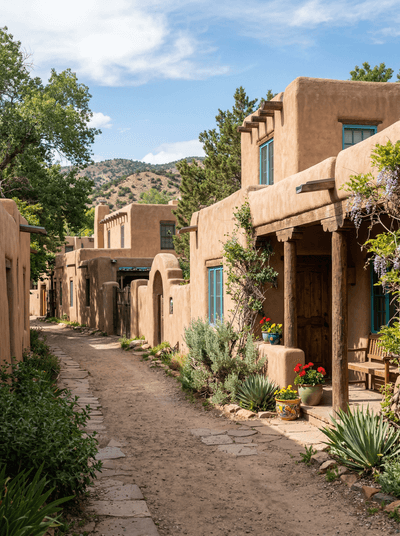
Santa Fe
United States
Adobe walls glow amber at sunset while piñon smoke drifts through the plaza.