United States
Dolly Sods
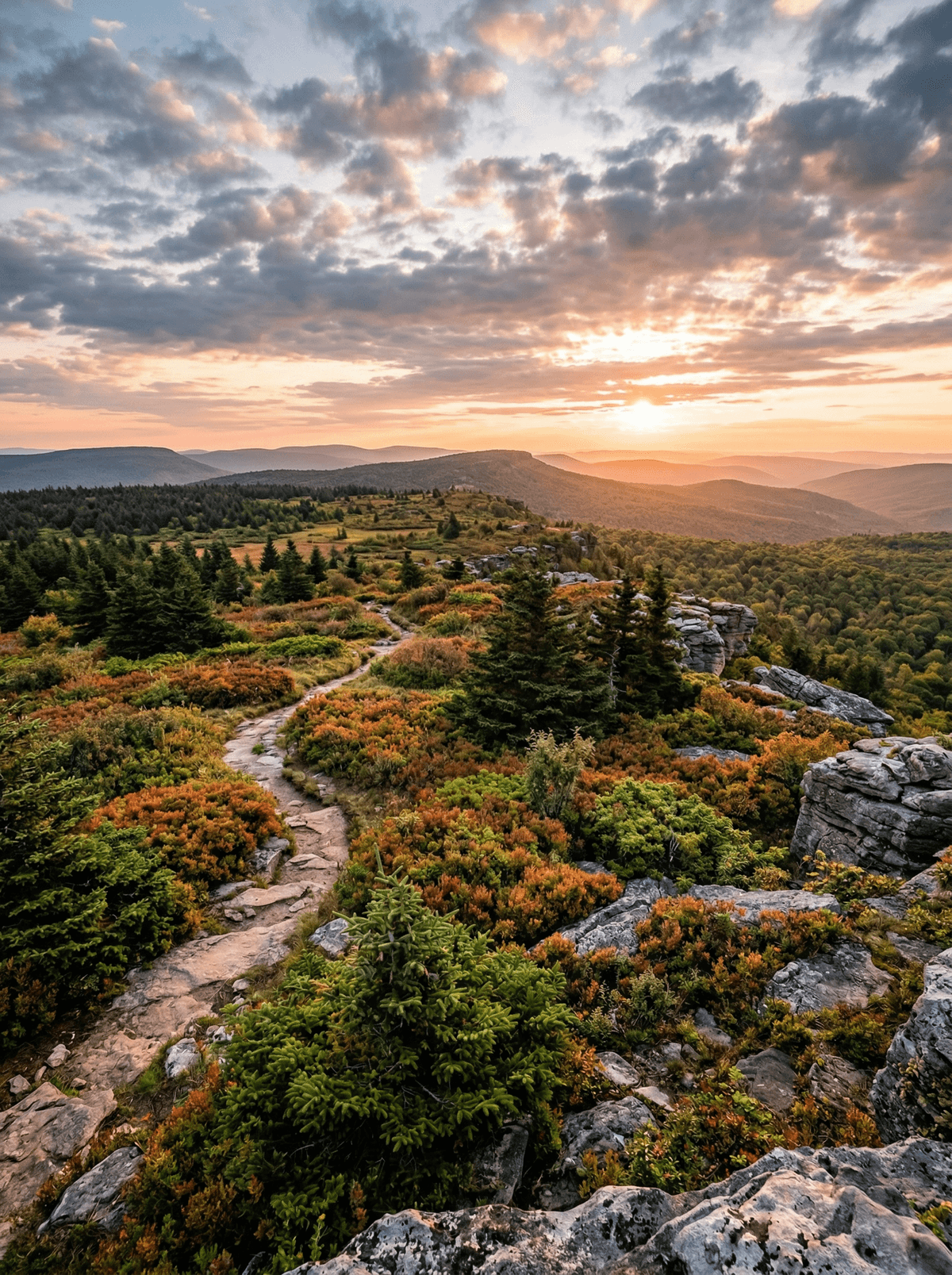
Wind-stunted spruce and open bogs at four thousand feet where the landscape mimics northern Canada.
Wind bends the red spruce sideways, stripping branches bare on the windward face until each tree looks like a flag planted against a gale. At four thousand feet in West Virginia, Dolly Sods opens into heath and bog that belong in Labrador, not the mid-Atlantic. The air is thin and cold even in summer, and the ground underfoot is spongy with sphagnum moss.
Dolly Sods Wilderness is an ecological anomaly — clear-cut and burned in the early twentieth century, the plateau never reverted to its original Appalachian forest. Instead, it shifted permanently to a Canadian-style tundra of stunted spruce, cranberry bogs, and exposed heath. Wind speeds at the rim exceed forty miles per hour on most days, and navigation across the open moorland often requires a map and compass, as trails disappear into heath that looks identical in every direction. The U.S. Army used the exposed terrain for training exercises during World War II, and unexploded ordnance is still occasionally discovered along the trails. The plateau's isolation and challenging conditions keep visitor numbers low despite its location within a day's drive of Washington, D.C.
Solo
Dolly Sods demands self-reliance — unmarked trails, weather that changes without warning, and terrain that punishes inattention. For the solo hiker who finds comfort in wildness rather than company, the plateau offers a test that feels more Alaska than Appalachia.
Friends
Multi-day backpacking loops across the heath build the kind of shared endurance that easy trails never produce. The navigation challenges, the wind, and the terrain make Dolly Sods a trip that bonds through mutual effort rather than mutual comfort.
- The plateau was clear-cut and burned in the early 1900s, shifting the ecosystem from mixed Appalachian forest to Canadian-style tundra — it has never reverted in over a century.
- Wind speeds at the rim exceed 40 mph on most days, bending the red spruce into flag trees stripped bare on one side — the landscape reads as a weather event.
- WWII artillery shells are still occasionally found along the trails, left from Army training exercises that used the exposed terrain as a surrogate for European combat ground.
- Navigation requires map and compass across wide sections — trails are unmarked on the heath plateau and the open moorland looks identical in any direction.
Ramp season in spring — the pungent wild leek fried with potatoes and bacon.
Pawpaw fruit picked wild along lower-altitude trails in autumn.
Pepperoni rolls from a gas station — West Virginia's signature road food.
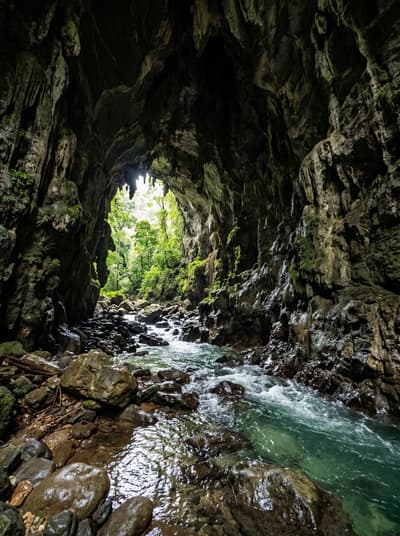
Millennium Cave
Vanuatu
Scramble through jungle and wade chest-deep rivers to a cave you enter walking and exit floating.

Maryang-ri
South Korea
A five-hundred-year-old forest of camellia trees bleeding red flowers against the grey winter sea.
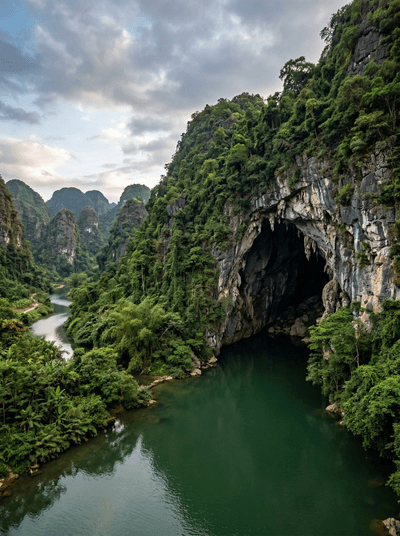
Phong Nha
Vietnam
Hidden jungle portals opening into subterranean river systems and limestone caverns.
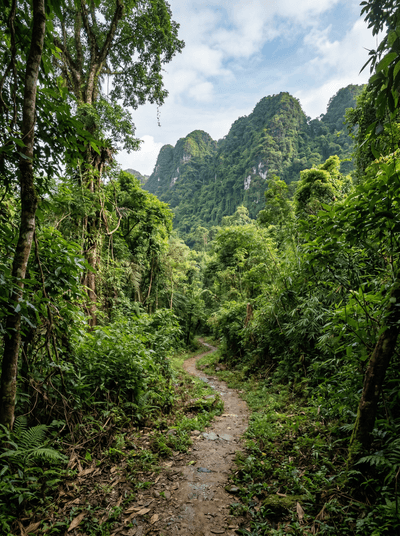
Cuc Phuong National Park
Vietnam
Millennium-old trees rising above a jungle floor swarming with millions of white butterflies each spring.

New Orleans
United States
Jazz spilling from doorways at 2 a.m. while beignet sugar dusts your collar.
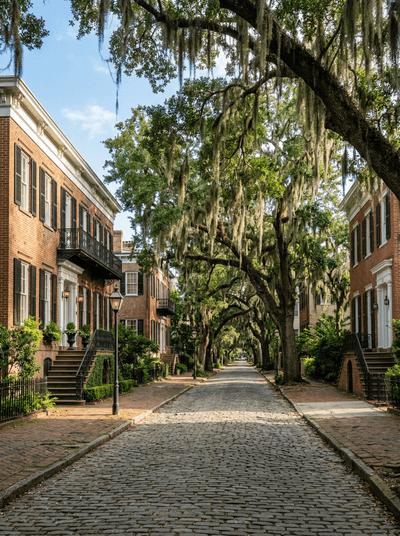
Savannah
United States
Spanish moss dripping into squares where horse hooves echo on cobblestones after dark.

Charleston
United States
Sweetgrass baskets sold on street corners where the air smells of pluff mud and jasmine.
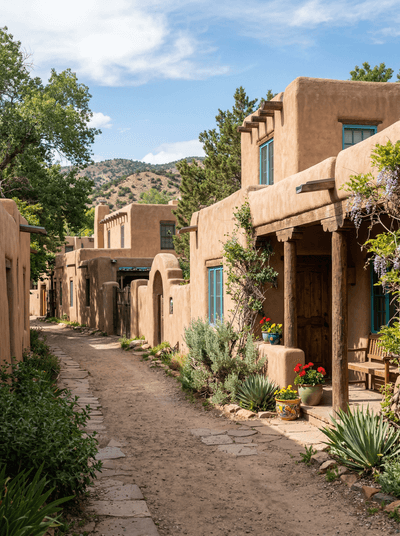
Santa Fe
United States
Adobe walls glow amber at sunset while piñon smoke drifts through the plaza.