Argentina
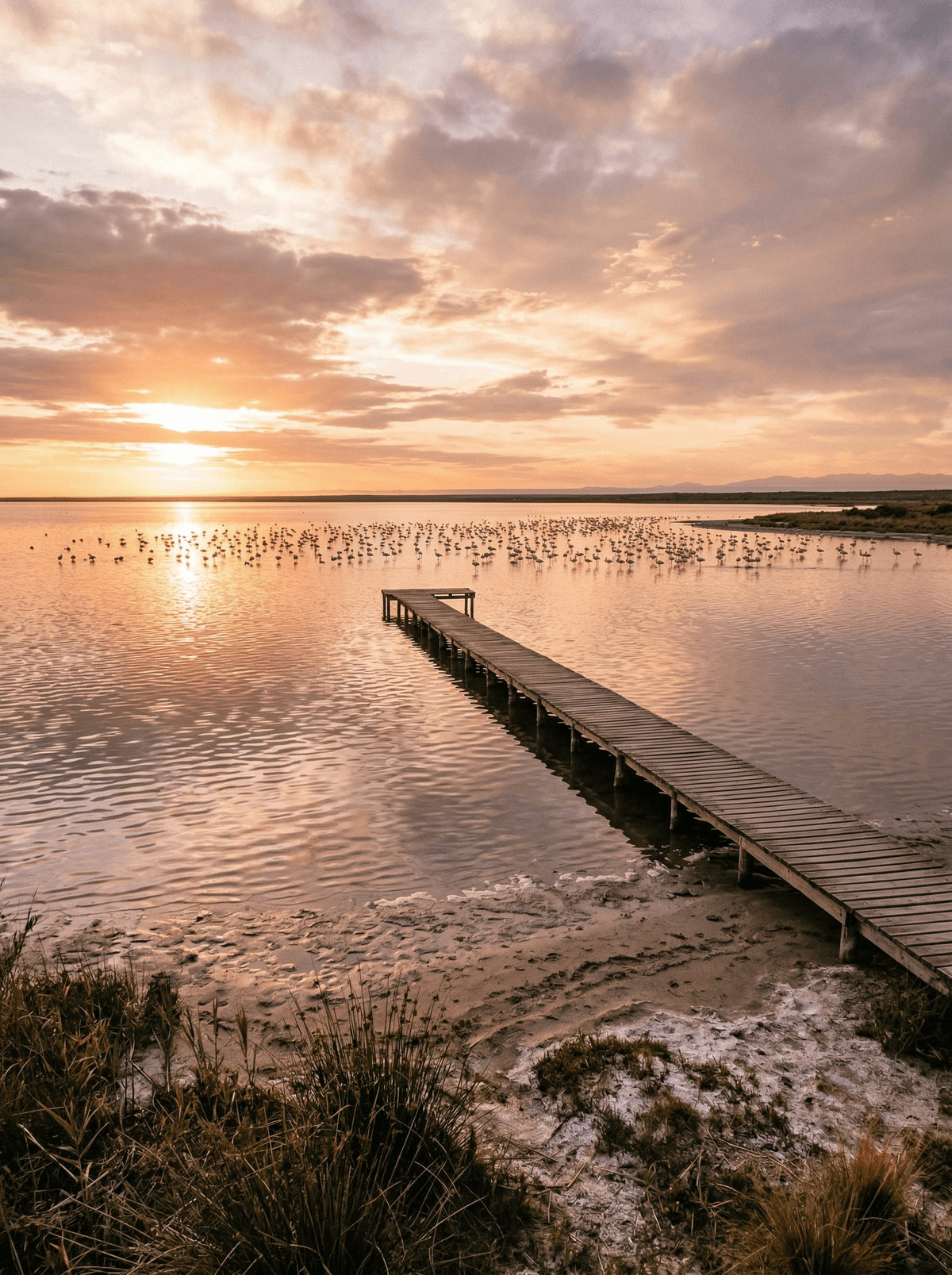
Mar de Ansenuza
South America's largest salt lake turns pink with flamingos against a soybean horizon.
Mar de Ansenuza is South America's largest saltwater lake — roughly six thousand square kilometres of shallow brine amid the agricultural pampas, where you expect nothing but soybeans. That is its first surprise. Its second is the flamingos: all three high-Andean species use the lake, gathering in their tens of thousands in season, over water whose colour shifts from silver to pink to copper with the algae, the light and the wind.
Known on maps as Laguna Mar Chiquita, the lake anchors one of the western hemisphere's most important shorebird wetlands on the central flyways — Ramsar-listed since 2002, and protected as the Mar de Ansenuza National Park since 2022, formal protection arriving almost before the science could finish describing it. The lake has no outlet; evaporation runs its chemistry, far saltier than the sea in most years and swinging across multi-year rain cycles that swell and shrink the shoreline by entire districts. Miramar on the southern shore is the base — lakeside walkway, flamingo interpretation, birding routes — and the visit works on current conditions rather than inherited measurements: check the water, choose shore or boat accordingly, and watch the birds at the distances they set.

Solo
Moving between the interpretation points and the quiet observation posts with a flexible plan suits the solo birder — dawn over crystallising salt flats is among the continent's most unusual spectacles when the flocks oblige.
Couple
An improbable sea in the middle of agricultural nowhere makes the encounter feel specifically Argentine — a slow shoreline day for couples who prefer shared watching to scheduled spectacle.
- The largest salt lake on the continent swells and shrinks on multi-year rain cycles.
- Chilean, Andean and James's flamingos feed here, visible from shore without a boat.
- Miramar keeps a lakeside walkway and a natural-history museum on the flamingo ecosystem.
- The water's colour runs silver to pink to copper with algae, cloud and wind.
Pejerrey fried whole at Miramar's waterfront comedores, in the regional preparations.
Nutria stew is the lake district's curious old speciality — ask locally, approach with courage.
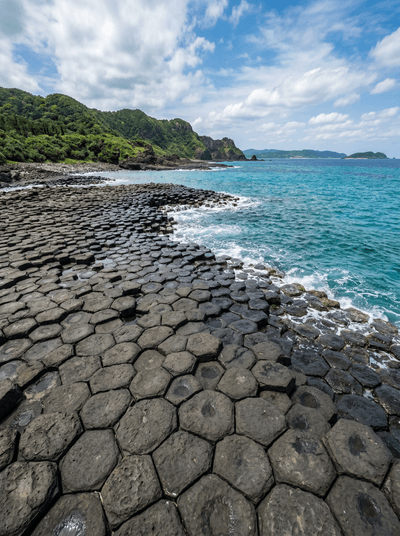
Tatami Ridge (Kumejima)
Japan
Hexagonal basalt slabs stretching into turquoise shallows like a giant's abandoned floor.
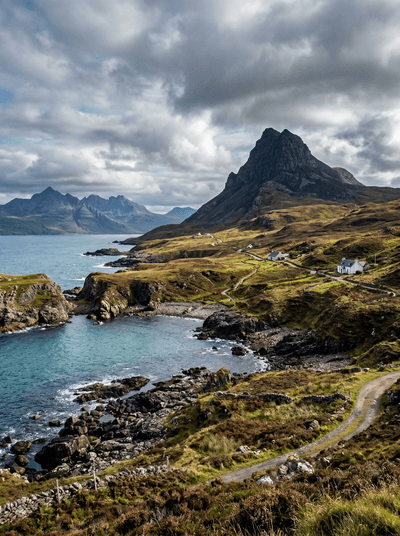
Eigg
Scotland
A community-owned island where a volcanic ridge towers over sands that sing underfoot.
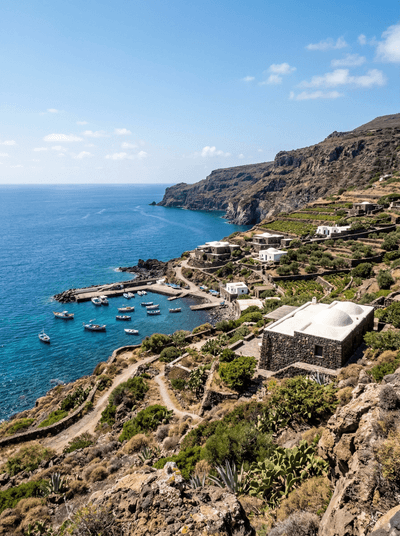
Pantelleria
Italy
A volcanic island between Sicily and Tunisia where dammuso houses are built to survive constant wind.
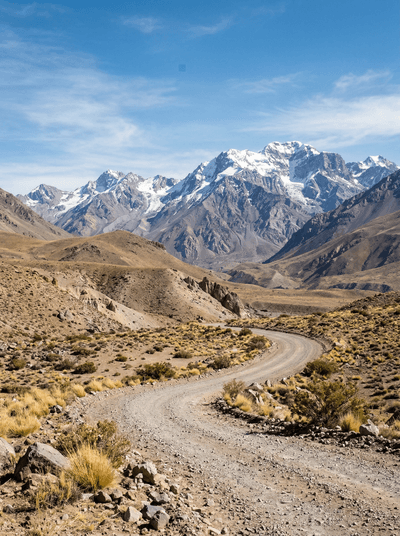
El Leoncito National Park
Argentina
Observatories under Argentina's clearest sky, where the Milky Way is bright enough to shadow.
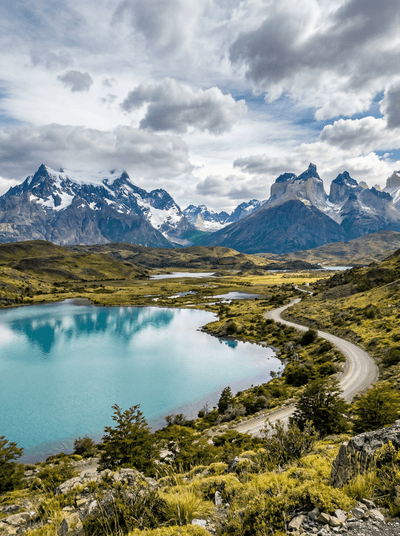
Parque Nacional Patagonia
Argentina
A sheep ranch returned to wilderness, where pumas again stalk guanaco herds freely.
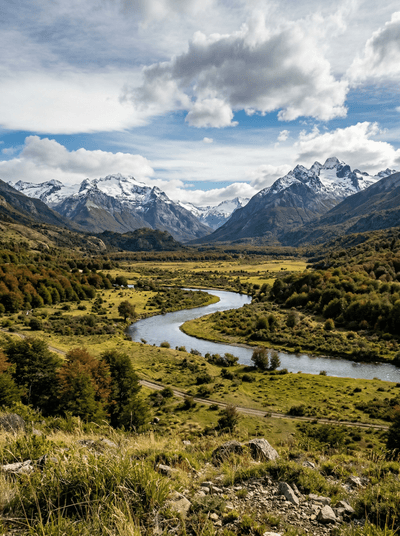
Cholila
Argentina
Butch Cassidy's cabin still stands in a valley where gauchos outnumber tourists.
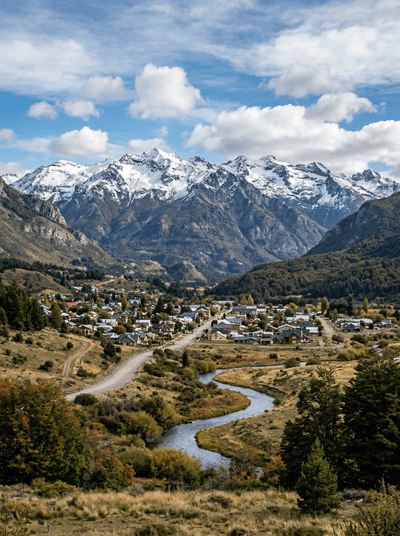
Esquel
Argentina
A 1922 steam locomotive wheezes across Patagonian steppe on rails from a vanished century.