Tanzania
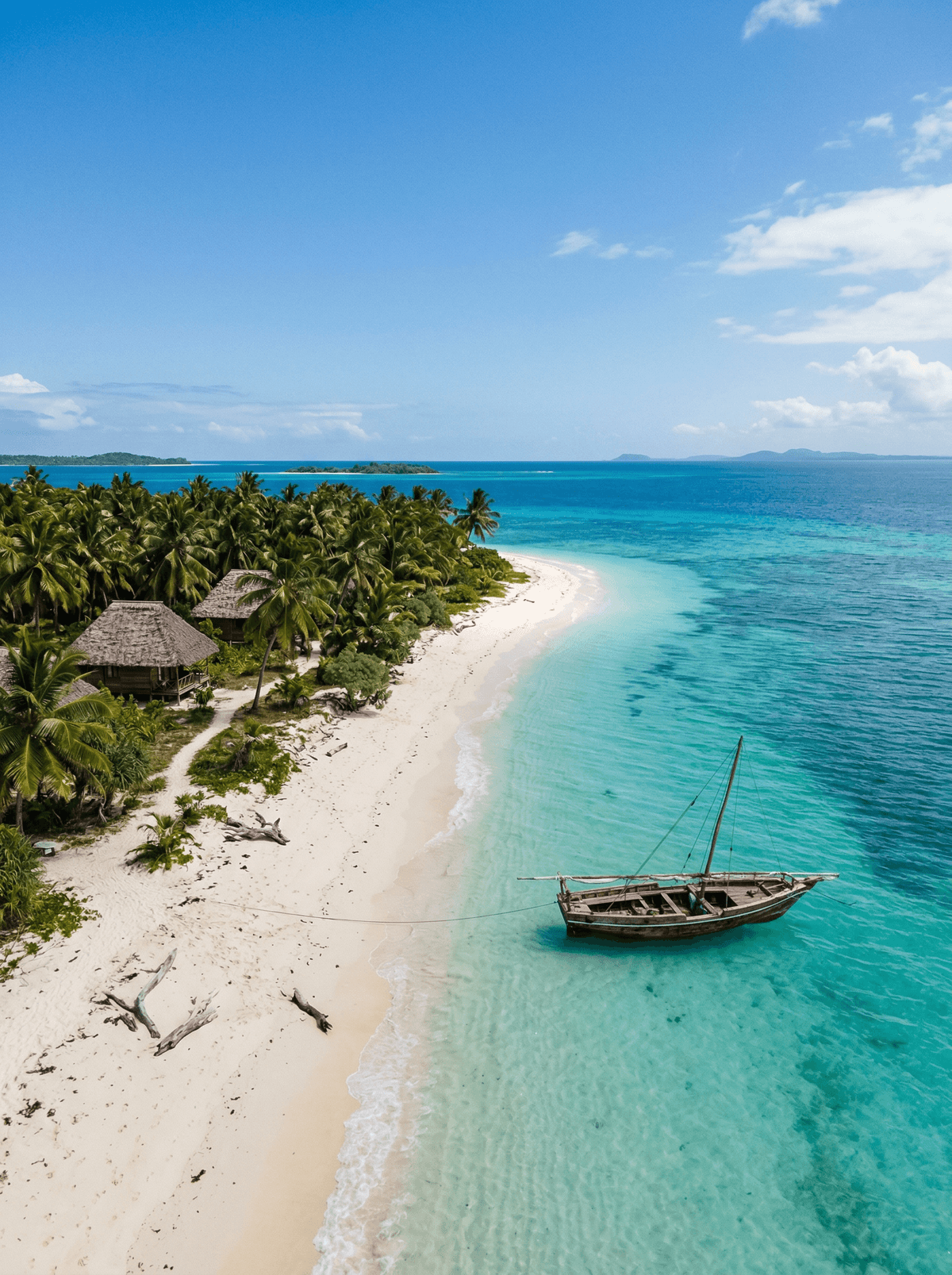
Fanjove Private Island
Green turtles nest beside a lighthouse whose ground floor serves dinner.
The lighthouse keeps working, but its ground floor now serves dinner: a sand island in the Songo Songo archipelago, solar-powered, a handful of bandas, and green turtles nesting on the same beaches guests walk barefoot.
Fanjove is a tiny coral-sand island run at the scale its reef can sustain: solar power, a short row of beach bandas, and the nineteenth-century lighthouse converted into the open-air restaurant serving the day's line-caught fish in Swahili-Western style. Green turtles nest on the beaches, with evening patrols monitoring the nests, the reef starts at the sand, and the season runs June to mid-March, closed for the long rains. Ocean, lighthouse, turtles; that is the entire island, and enough.

Couple
Fanjove suits couples seeking organised seclusion, with reef and dhow plans allowed to change with the sea.
- Green turtles come ashore to nest on the island's own beaches.
- A nineteenth-century lighthouse serves as the open-air restaurant.
- Solar power and a short row of bandas are the entire footprint.
- The reef begins where the sand ends.
The lighthouse's open-air tables serve the day's line-caught fish.
Curries run mixed Swahili-Western, following what the boats bring in.
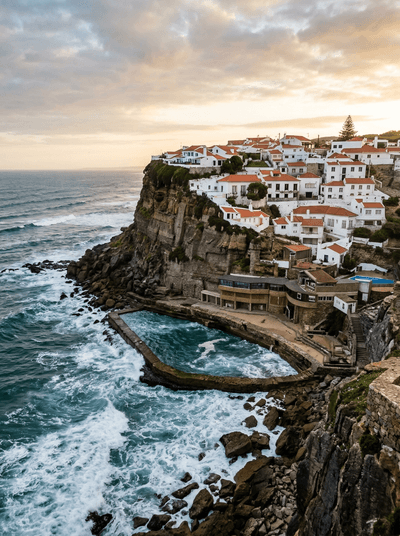
Azenhas do Mar
Portugal
White houses stacked into a sea cliff, a seawater pool set in the rocks below.
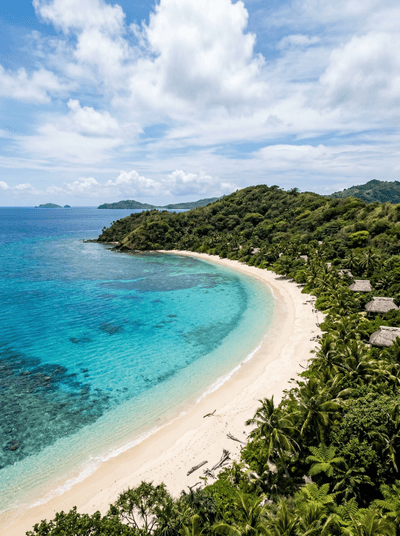
Turtle Island
Fiji
A barren island bought in 1972, half a million trees planted: fourteen couples share it now.
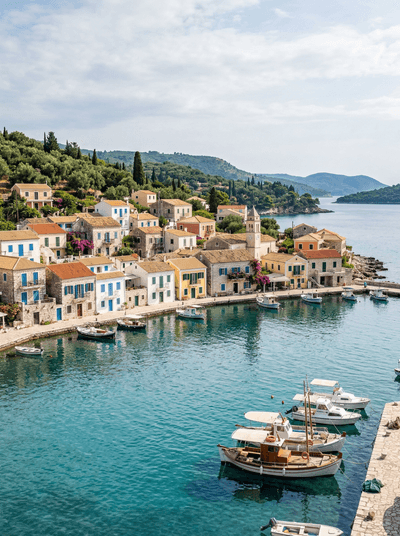
Paxos
Greece
Sea caves large enough for a sailboat glow electric blue beneath sheer white limestone cliffs.
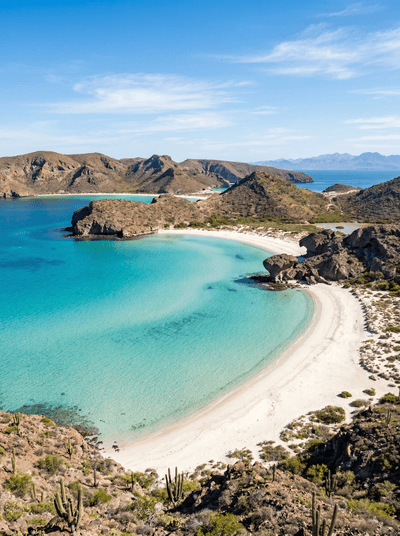
Balandra Bay
Mexico
The water is so clear that boats seem to hover on their own shadows.
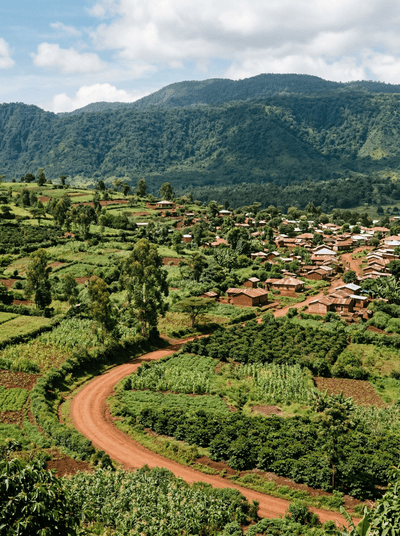
Karatu
Tanzania
Thirty acres of arabica roast by hand at the crater's doorstep.
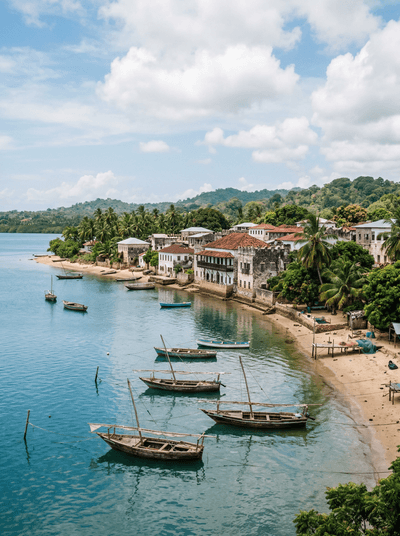
Mikindani
Tanzania
Livingstone sailed from this coral-stone harbour on his final expedition.
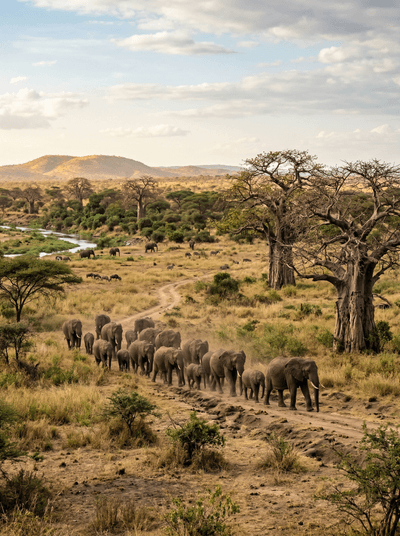
Tarangire National Park
Tanzania
Elephants in their hundreds crowd a shrinking river beneath thousand-year baobabs.
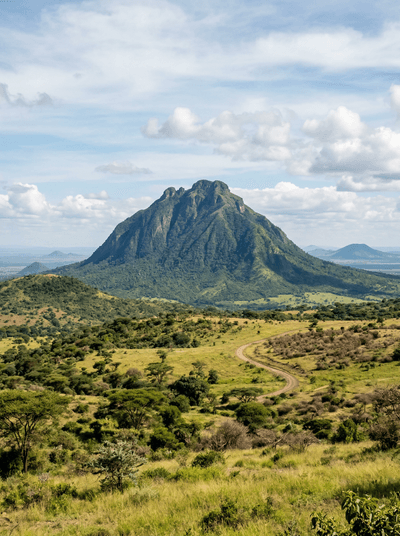
Mount Hanang
Tanzania
A sacred volcano rises alone from the plains, climbed by almost nobody.