Portugal
Furnas
Hot springs bubble through botanical gardens while stew slow-cooks in volcanic earth.
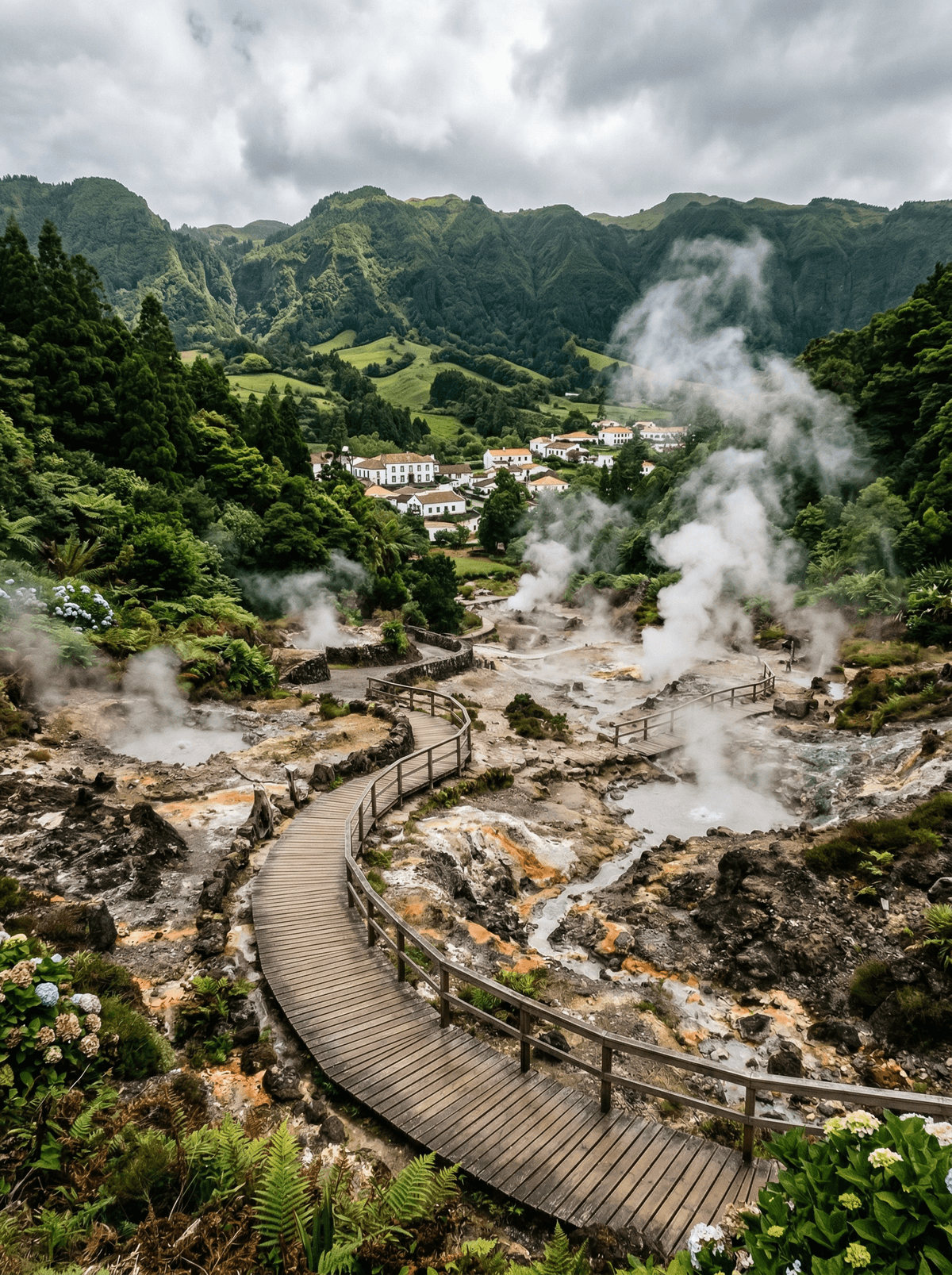
Steam rises from the ground in plumes. The earth hisses. At Furnas the sulphur smell hits before the sight — yellow-crusted fumaroles bubbling beside the lake shore, iron-rich water staining the rocks orange. Then you notice the pots buried in the volcanic soil along the lake edge, stew slow-cooking underground since morning.
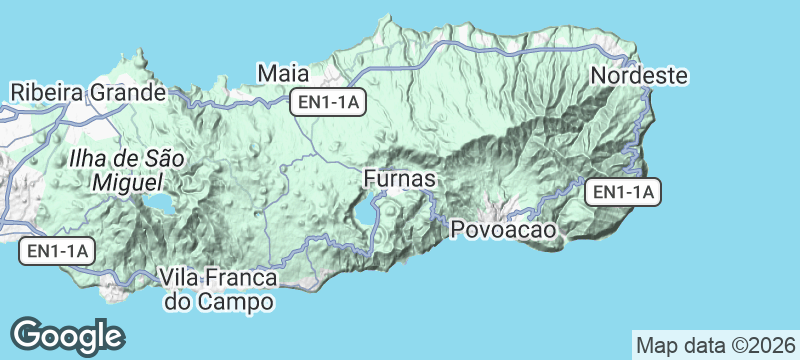
Furnas is an active volcanic valley on eastern São Miguel, its caldera holding hot springs, fumaroles and geothermal pools bathed in and cooked with for centuries. The signature is cozido das Furnas — a layered stew of meats, sausages and vegetables lowered into the geothermal ground each morning and excavated for lunch, the earth itself the stove at around boiling heat for six patient hours. Terra Nostra's gardens, begun in the eighteenth century, wrap the great iron-orange thermal pool in thousands of subtropical plant species — one of the Atlantic's finest botanical collections. On the coast nearby, the Gorreana estate — Europe's oldest tea plantation — has run green and black tea down Atlantic-facing slopes since 1883. The whole valley steams, hisses and feeds you; restoration is the business model of the geology itself.
Couple
Thermal pools in botanical gardens, earth-cooked lunch and tea rows above the ocean — a full sensory day that restores rather than exhausts, the iron pool turning skin golden.
Family
Ground that steams, water that bubbles unprompted and lunch dug out of the earth captivate children completely.
Friends
Volcanic spectacle, thermal bathing and communal eating make a natural group day — sharing a cozido pot six hours out of the ground is the meal that defines a trip.
- Fumaroles hiss audibly across the valley floor, sulphur crusting the vents yellow.
- Cozido pots cook a metre and a half down in geothermal vents for six hours.
- Terra Nostra's iron-rich pool glows orange inside a centuries-old botanical park.
- Europe's oldest tea estate rolls its rows down Atlantic slopes close by.
Cozido das Furnas — pork, beef, cabbage and blood sausage, six hours in volcanic ground.
Bolos lêvedos — the Azores' soft sweet bread, toasted with butter.
Tandil
Argentina
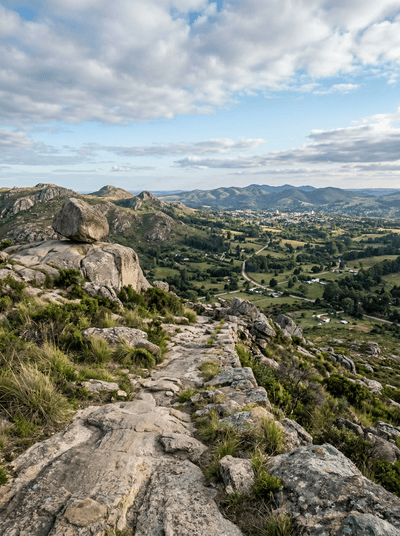
Two-billion-year-old hills worn to stumps, where artisan salami cures in granite-cooled caves.
Elqui Valley
Chile
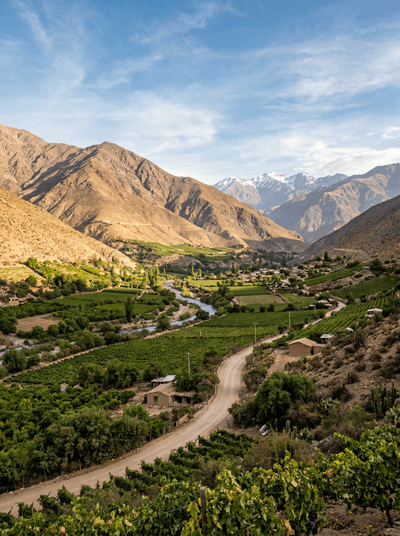
Pisco vines and observatory domes share a clear-skied Andean valley.
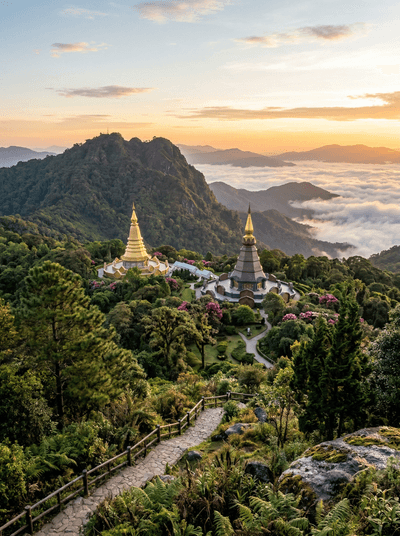
Doi Inthanon
Thailand
Thailand's rooftop, where twin pagodas pierce cloud forest and Karen villages farm the ridgelines.
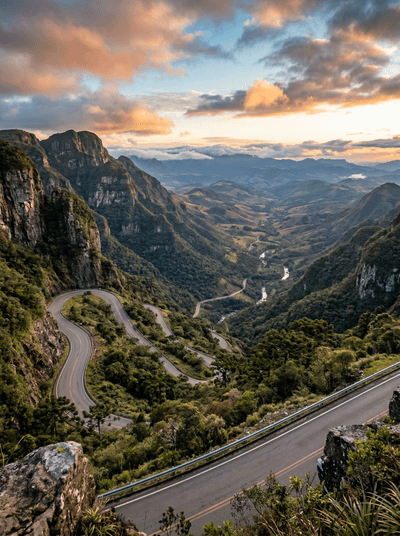
Urubici
Brazil
Frost-coated araucaria forests and canyon rims at the frozen heart of subtropical Brazil.
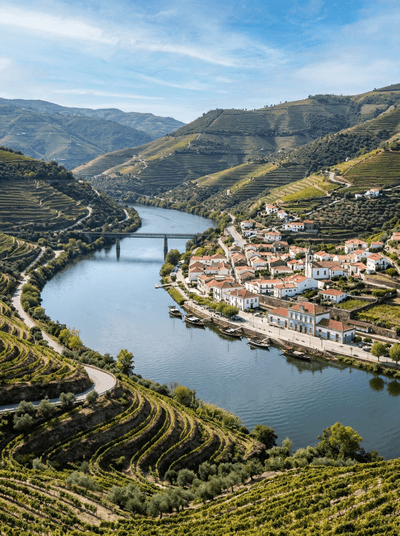
Pinhão
Portugal
Terraced vineyards plunge to the Douro so steep the harvest travels by shoulder.
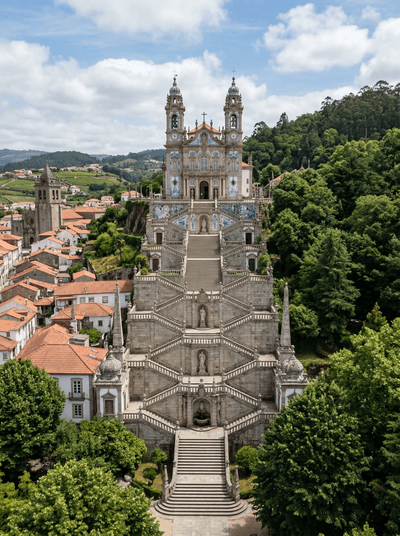
Lamego
Portugal
Nearly 700 azulejo-clad steps climb through baroque arches to a church above the Douro.
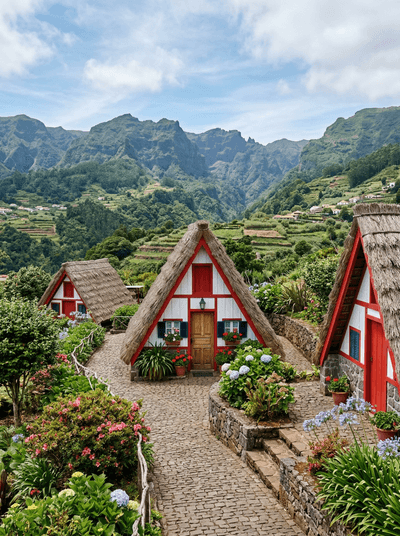
Santana
Portugal
Triangular thatched houses in primary colours cluster on green slopes above the cloud.
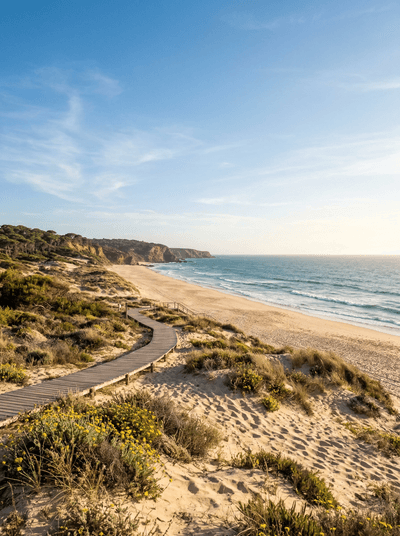
Comporta
Portugal
Rice paddies end where the dunes begin, an undeveloped Atlantic beach running for hours.