Portugal
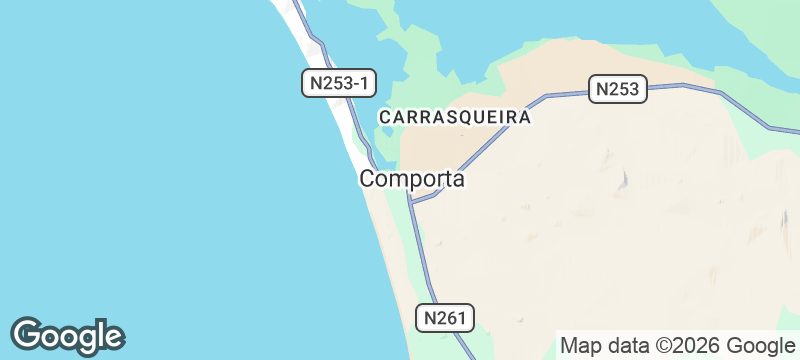
Comporta
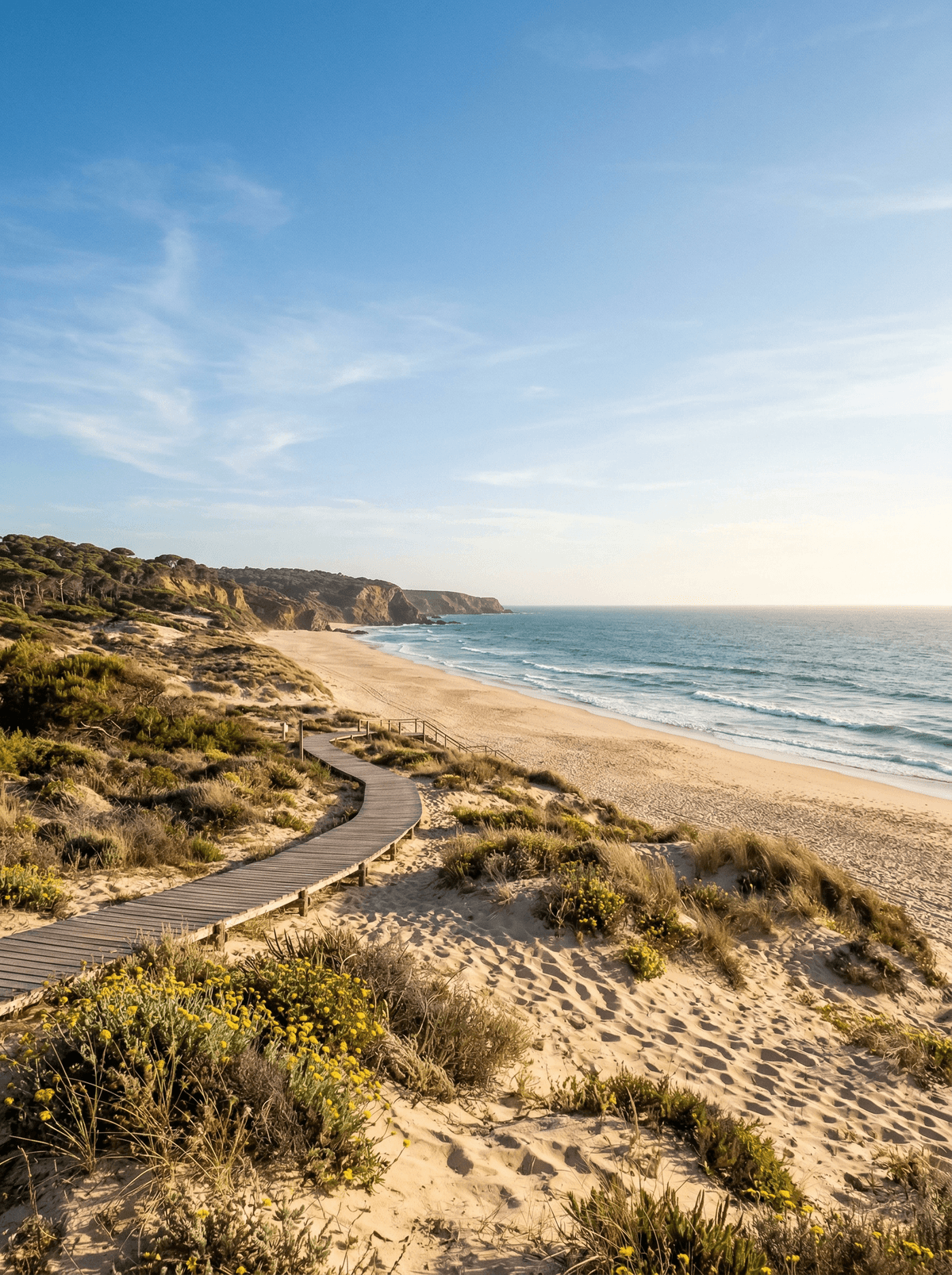
Rice paddies end where the dunes begin, an undeveloped Atlantic beach running for hours.
Barefoot is the dress code. The sand is white, umbrella pines filter the light, and behind the dunes a rice paddy reflects the same sky as the Atlantic. Woodsmoke and grilling fish drift through the pine air, and nobody is in a hurry to leave.
Comporta is the stretch of Alentejo coast an hour south of Lisbon where rice fields, pine forest and vast beaches persist in deliberate underdevelopment — held for decades as a single private estate by the Espírito Santo banking family, whose grip delayed the concrete that claimed coasts elsewhere. The beaches run for kilometres of dune backed by nothing permanent, reached by sandy track rather than boardwalk — and the Atlantic here runs with real currents, the one thing this coast asks you to respect. White storks nest on village rooftops inland, the Sado estuary to the north keeps its resident dolphins, and consistent southwest swells bring serious surf far from the famous breaks. The luxury here is the simplicity — which is exactly the point.
Couple
Comporta impresses by not trying — long walks on near-empty sand, seafood rice in a shack, sunsets turning the paddies gold, both halves of the landscape taken slowly.
Family
Wide sand for running, storks nesting on the village rooftops, and a pace that makes everyone exhale — the working fields and dunes belong to the landscape, not the itinerary.
Friends
Bicycles between villages, arroz de marisco eaten barefoot, long empty walks in either direction — a group trip that feels effortless because the place does the work.
- Decades as one private estate left a low-density coast that development never reached.
- Working rice paddies run almost to the dunes — a landscape rare on Atlantic Europe.
- Kilometres of beach carry no permanent structures, reached by sandy track.
- Consistent southwest swells reach a coast the famous surf towns overlook.
Arroz de marisco — seafood rice dense with the morning's shellfish, rosé ice-cold beside it.
Whole fish grilled over coals, eaten with your feet still in the sand.
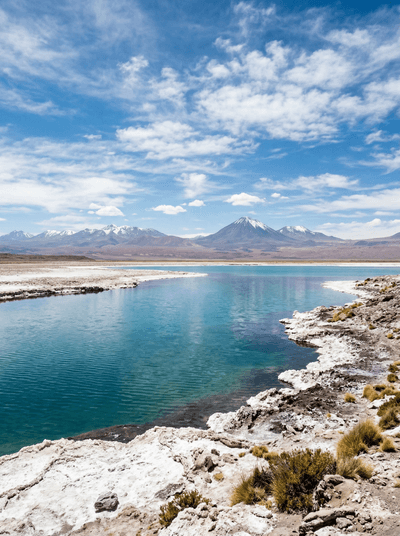
Laguna Cejar
Chile
Salt paths cross an Atacama wetland where one controlled lagoon allows floating.
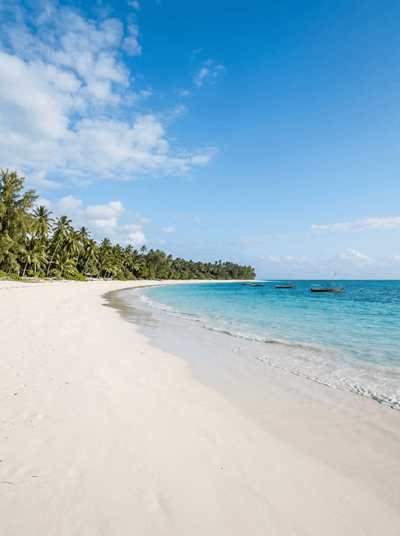
Diani Beach
Kenya
Colobus monkeys leap through the canopy above white sand so fine it squeaks underfoot.
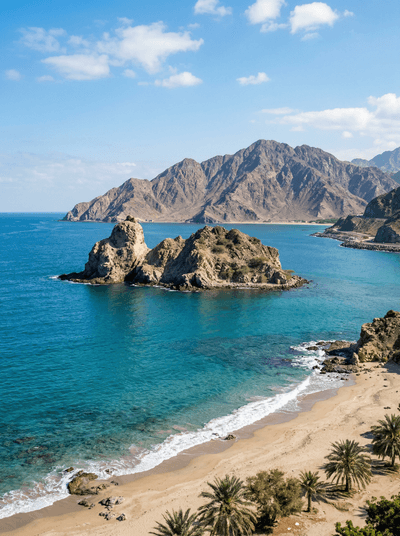
Snoopy Island
United Arab Emirates
A rock shaped like a sleeping beagle, ringed by coral where reef sharks patrol.
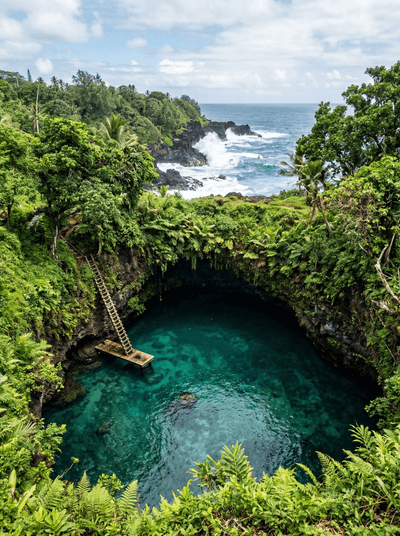
To Sua Ocean Trench
Samoa
The sea breathes through lava tubes into a thirty-metre swimming hole sunk in a garden.
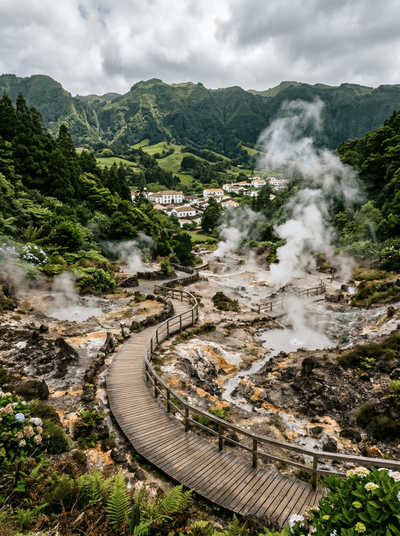
Furnas
Portugal
Hot springs bubble through botanical gardens while stew slow-cooks in volcanic earth.
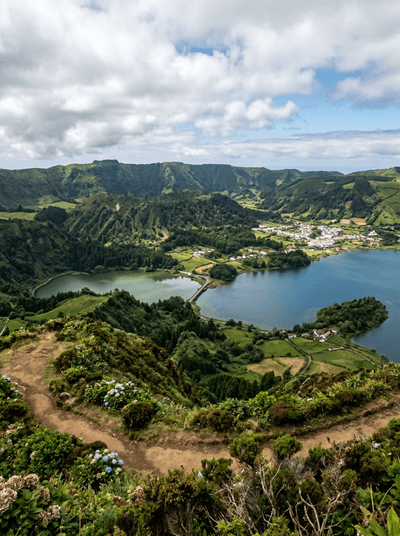
Sete Cidades
Portugal
Twin crater lakes, one emerald, one sapphire, filling a caldera wreathed in mist.
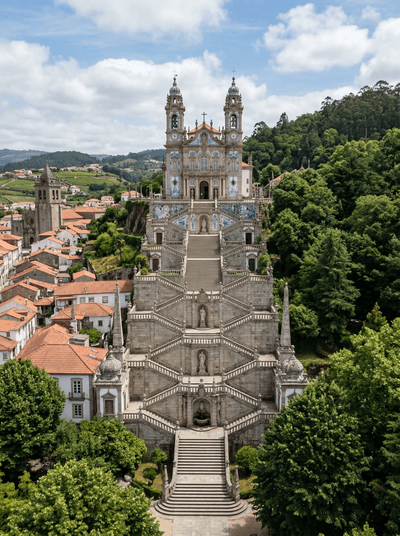
Lamego
Portugal
Nearly 700 azulejo-clad steps climb through baroque arches to a church above the Douro.
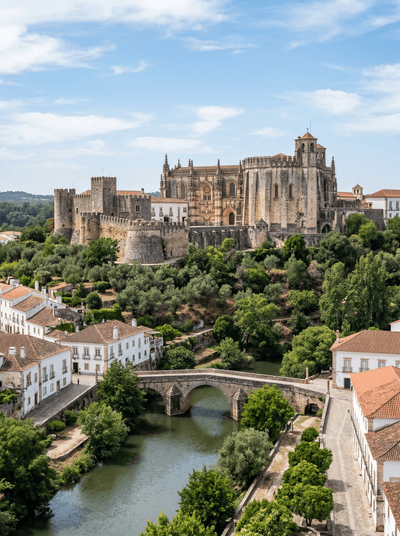
Tomar
Portugal
A fortress where Templar knights heard mass on horseback in an octagon built for Jerusalem.