Brazil
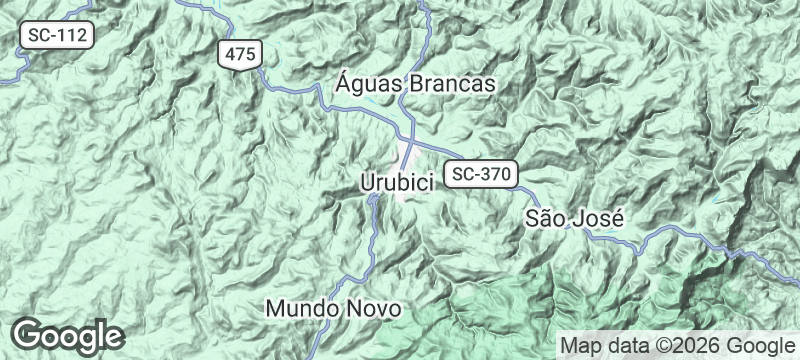
Urubici
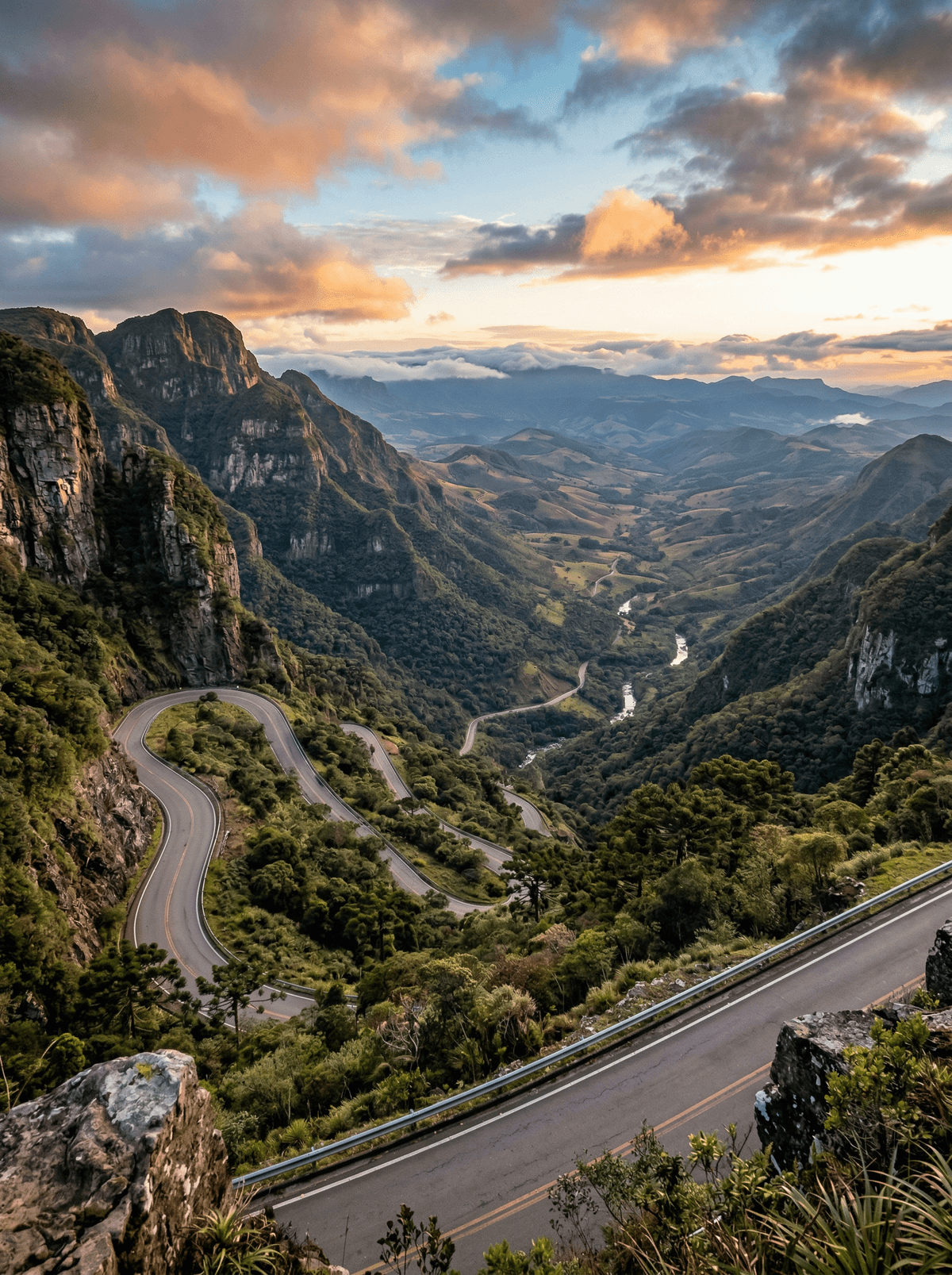
Frost-coated araucaria forests and canyon rims at the frozen heart of subtropical Brazil.
Frost coats the araucaria branches at dawn, each needle outlined in white against a sky so clear it hurts. This is Brazil, the Brazil most Brazilians only half-believe in, where the ground scrub on the mountain crystallises overnight and snow reaches the summit most winters.
Urubici is the administrative seat of the Parque Nacional de São Joaquim, and the town's reputation for cold really belongs to the mountain above it. Morro da Igreja, 1,822 metres inside the park, recorded minus 17.8 degrees on 29 June 1996, the most extreme figure ever documented in the Serra Catarinense, and the wind that morning dragged the chill towards minus forty; the national title for cold, though, sits with neighbouring Urupema. Up on the same summit the Pedra Furada is a natural window about thirty metres round, marking the point where three municipalities meet, and on a clear day you can see the sea more than a hundred kilometres off. Down the same road the Véu de Noiva slides sixty-five metres over basalt without ever falling free, one of the eighty-odd waterfalls the municipality counts. The other industry here is trout, which arrived about forty years ago as a box of eggs for a single farm and now puts Urubici second in the country behind Minas Gerais.
Couple
Morro da Igreja has to be booked, one form per vehicle, and the slots only open about a week ahead, so fix it before anything else and take the earliest one while the frost is still down. The Pedra Furada viewpoint is a twenty-metre walk from the car; the trail proper needs an authorised guide, and the park publishes the list.
Family
Frost is what you bring children for, and it keeps its own schedule: on the coldest clear mornings the low vegetation crystallises and the fields go white, and the Morro da Igreja records snow in every winter. Build the afternoon round the water instead of the cold: the Véu de Noiva comes off a basalt wall twenty kilometres out on the same road, and there are eighty more waterfalls in the municipality if one is not enough.
Friends
A cabin, a wood fire and chimarrão in the morning is the shape of it, and the eating is trout: smoked, in lasagne, in pastéis, off a farm that raises three varieties. Between meals there are the canyon rims, and the mountain itself is a booked, ticketed, one-vehicle-at-a-time business, so the day plans itself around that.
- Morro da Igreja, 1,822 metres inside the national park, recorded minus 17.8 degrees on 29 June 1996, the most extreme reading ever documented in the Serra Catarinense, with the wind chill near minus forty.
- Urubici's Pedra Furada is a natural window roughly thirty metres round, twenty metres' walk from where you park, and on a clear day the sea is visible over a hundred kilometres away.
- Trout came up here about forty years ago as a box of eggs for one farm at Santa Bárbara, and the municipality is now second in Brazil only to Minas Gerais.
- The Cascata Véu de Noiva slides sixty-five metres down a basalt wall without ever falling free, one of more than eighty waterfalls counted in this municipality alone.
Smoked trout lasagne, pastéis of trout and catupiry, trout with a pinhão paçoca, even a smoked trout burger: Urubici is the second biggest trout producer in the country and its kitchens cook like it.
The pinhão is the araucaria's own seed, and it comes back through the same menus, ground into that paçoca or folded into the lasagne beside the fish.
Altopiano del Renon
Italy
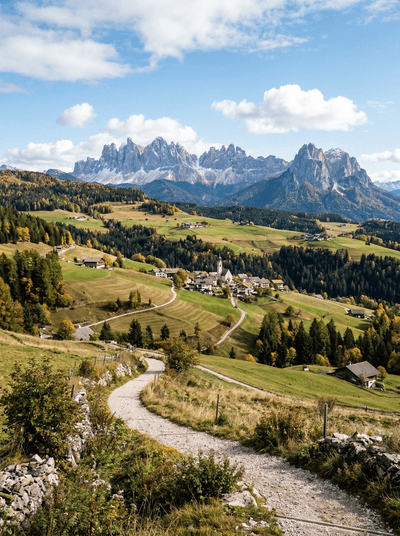
Boulder-capped clay towers spike out of the pines, the tallest earth pyramids in Europe.
Sete Cidades
Portugal
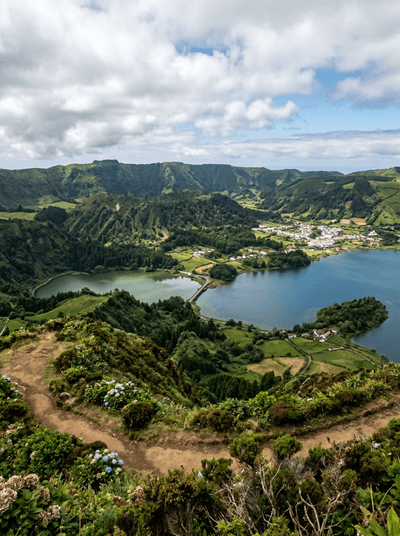
Twin crater lakes, one emerald, one sapphire, filling a caldera wreathed in mist.
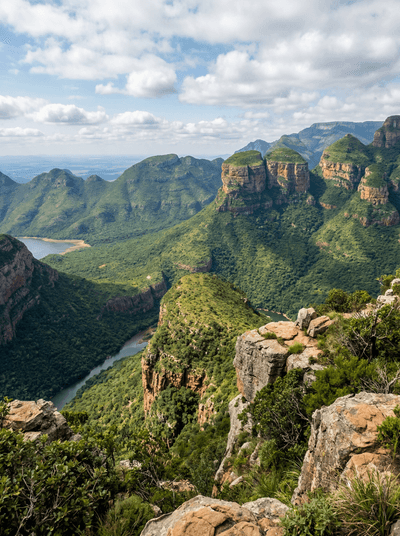
Blyde River Canyon
South Africa
Green canyon walls fold around a blue reservoir beneath three round mountain heads.
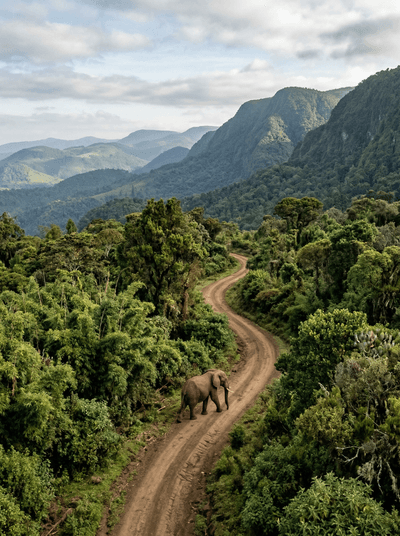
Aberdare National Park
Kenya
Mist-soaked moorlands and waterfalls above a forest where leopards pass treetop lodges at night.
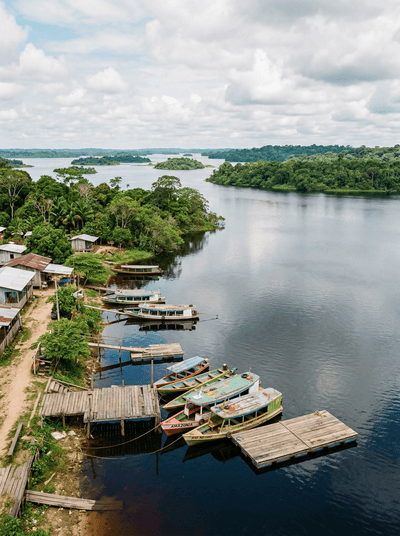
Novo Airão
Brazil
In tea-dark water, pink dolphins take chilled fish from staff hands; you may touch, never feed.
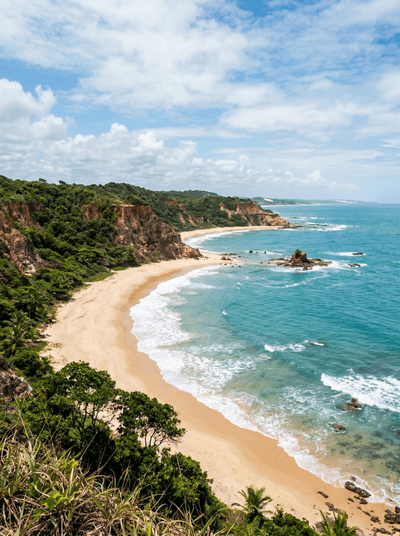
Praia da Pipa
Brazil
Dolphins hunting a bay seven hundred metres across, flinging their catch clear of the water.
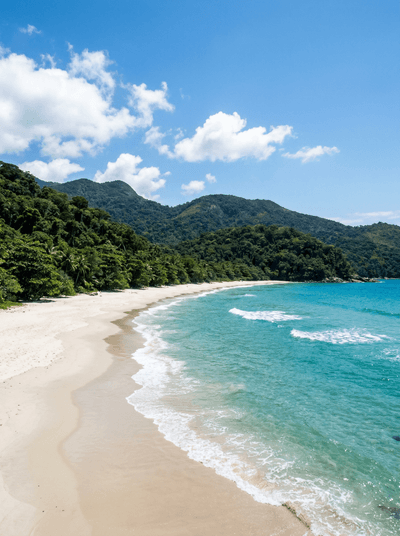
Ilha Grande
Brazil
Ruins of a maximum-security prison dissolving into Atlantic Forest on a World Heritage island.
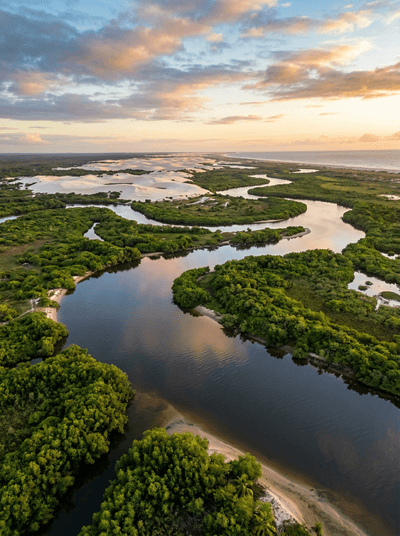
Delta do Parnaíba
Brazil
Every dusk, thousands of scarlet ibis come in to sleep in the mangrove canopy.