Pakistan
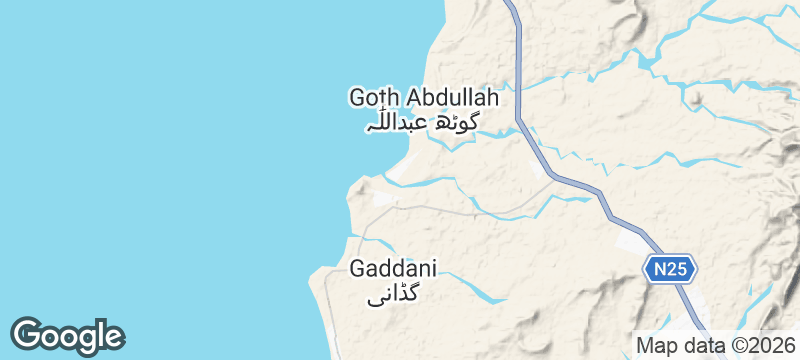
Gadani
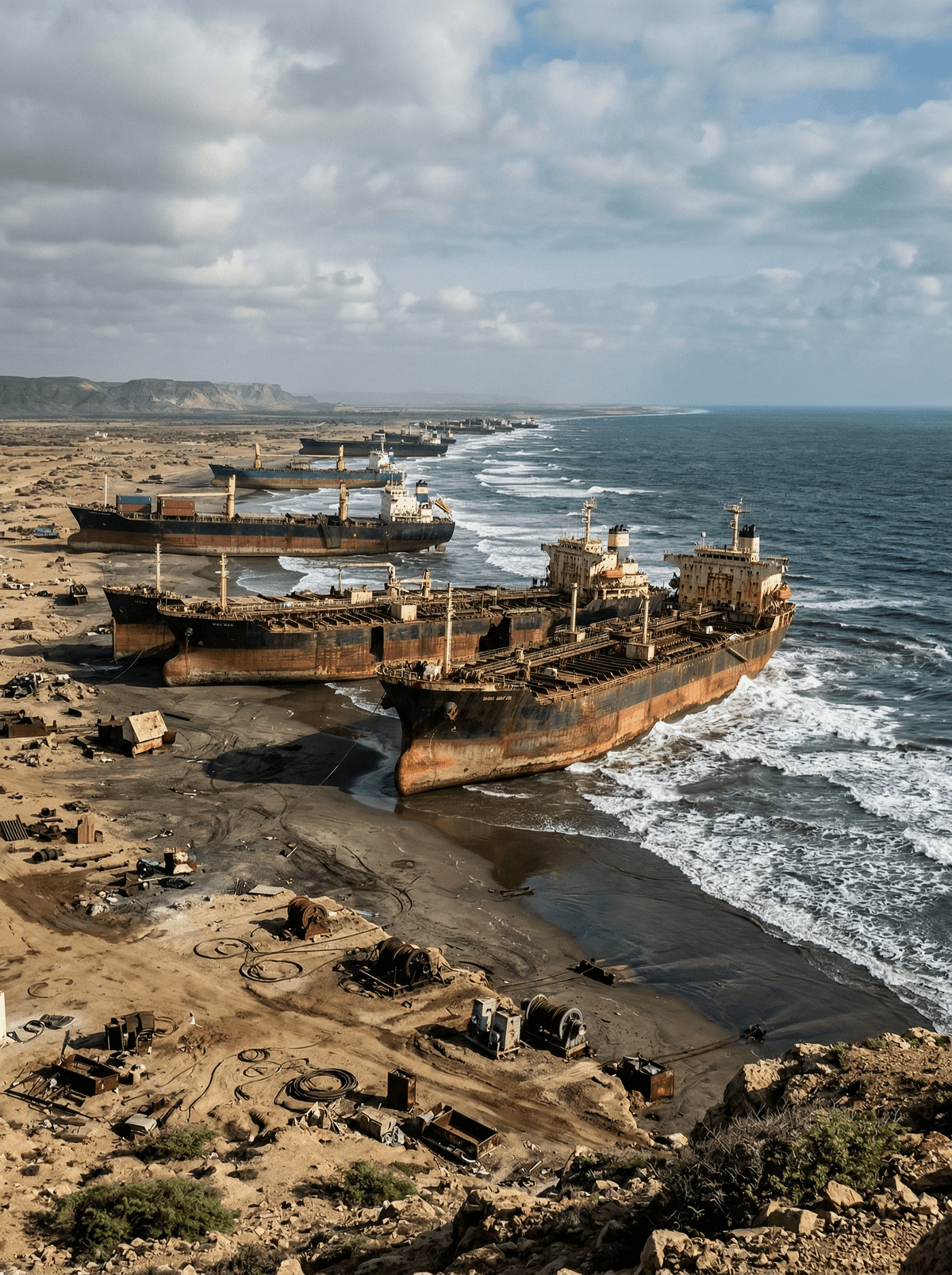
Ocean liners beached like steel whales, dismantled by hand on an endless sun-scorched shore.
The scale hits you before the detail does. Supertankers and cargo vessels lie beached on wet sand like stranded leviathans, their steel hulls towering five storeys above the men dismantling them with acetylene torches. Sparks rain onto dark beach. The air tastes of salt and iron. Gadani is where the world's ships come to die, and the spectacle is both industrial and strangely elegiac.
Gadani ship-breaking yard in Balochistan's Lasbela district is one of the world's largest, stretching over ten kilometres along the Arabian Sea coast. At its peak in the 1980s, it processed over 100 vessels annually. Workers — many from the Makran coast and interior Balochistan — dismantle ocean-going ships by hand and with cutting torches, reducing steel giants to scrap over weeks and months. The yard has operated since the 1970s, and the surrounding beach is littered with hull fragments, anchor chains, and the ghostly outlines of vessels in various stages of reduction. It is not a tourist attraction in any conventional sense, but for those drawn to industrial landscapes and the raw mechanics of global trade, Gadani is without equivalent on the subcontinent.
Solo
Gadani rewards the independently minded traveller who finds meaning in the overlooked — wandering alone among steel carcasses, watching the physical reality of global commerce disassembled by human hands.
Friends
A group drawn to photography, documentary subjects, or the visceral appeal of industrial landscapes will find Gadani unforgettable — the kind of place you argue about over dinner for years.
- Gadani was once the world's third-largest ship-breaking yard — the beach stretches 10 kilometres and holds the rusting bones of dozens of vessels at different stages of dismantling.
- The work is entirely manual — acetylene cutters and sledgehammers wielded by workers who strip a supertanker down to scrap in under a year.
- At high tide, the hulls rise above the water; at low tide, you can walk beneath the cut-open sections and look up through deck grating at open sky.
- The labourers are largely from Khyber Pakhtunkhwa and FATA, working seasonal contracts — the beach is a temporary city of workshops, teahouses, and cooking fires.
Workers' dhabas serve enormous platters of Balochi fish curry — whole pomfret simmered in turmeric and green chillies.
Sweet milky chai brewed in blackened kettles, poured between tin cups in the shadow of beached hulls.
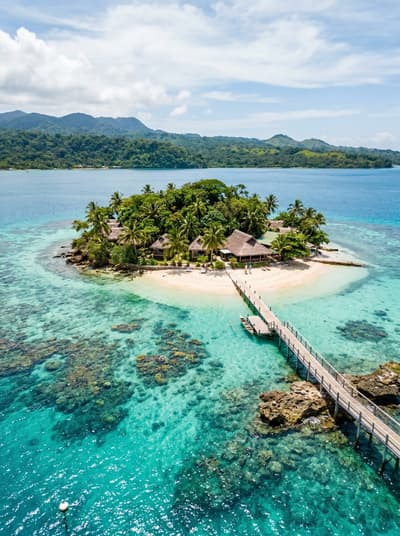
Hideaway Island
Vanuatu
Post a waterproof postcard from the world's only underwater post office, then snorkel its coral reef.
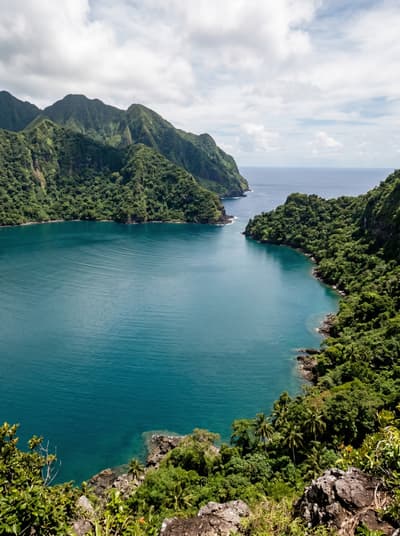
Ureparapara
Vanuatu
Sail into the flooded crater of a horseshoe-shaped volcanic island where fewer than 500 people remain.
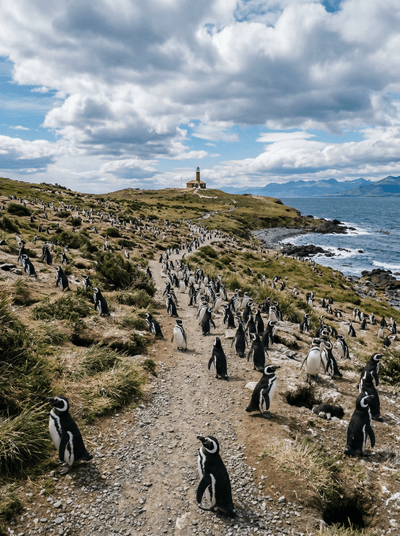
Isla Magdalena
Chile
Magellanic penguins in their tens of thousands, nesting so close you walk through their colony.
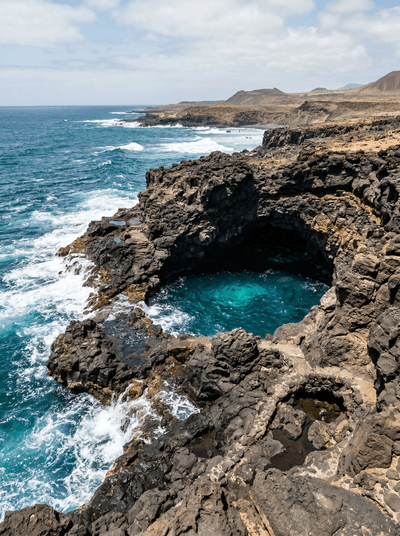
Buracona
Cape Verde
At midday, sunlight plunges through volcanic rock and ignites an underwater cave into electric blue.
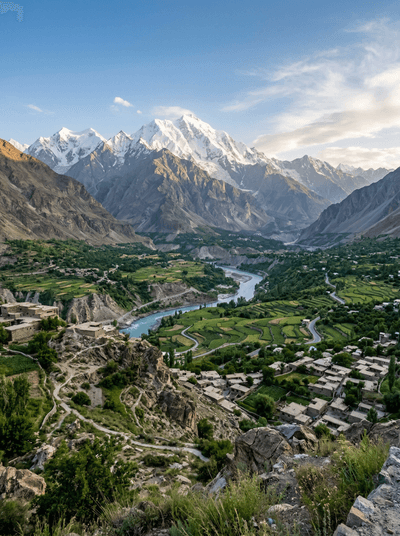
Hunza Valley
Pakistan
Apricot orchards cascading down terraces where three of Earth's mightiest mountain ranges collide.
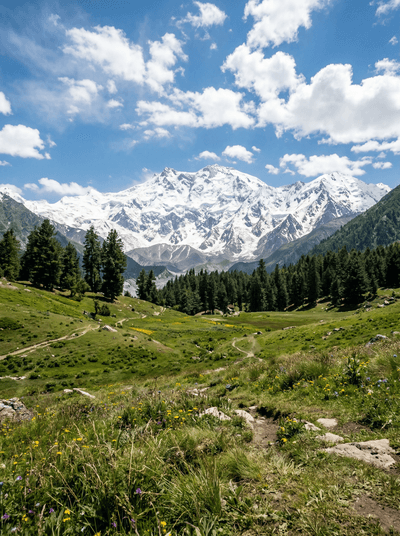
Fairy Meadows
Pakistan
A wildflower carpet at 3,300 metres where Nanga Parbat's killer face fills the entire sky.
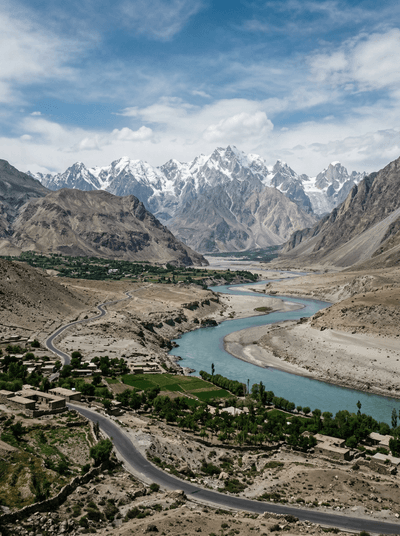
Skardu
Pakistan
Sand dunes and glacial lakes sharing the same valley floor beneath Karakoram granite walls.
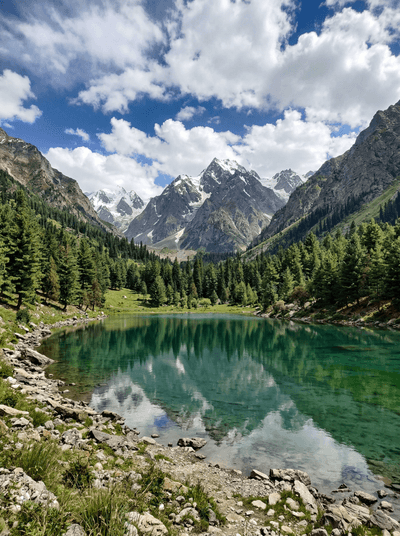
Naltar Valley
Pakistan
Three lakes cycling through turquoise, emerald, and sapphire depending on the angle of light.