Pakistan
Hunza Valley
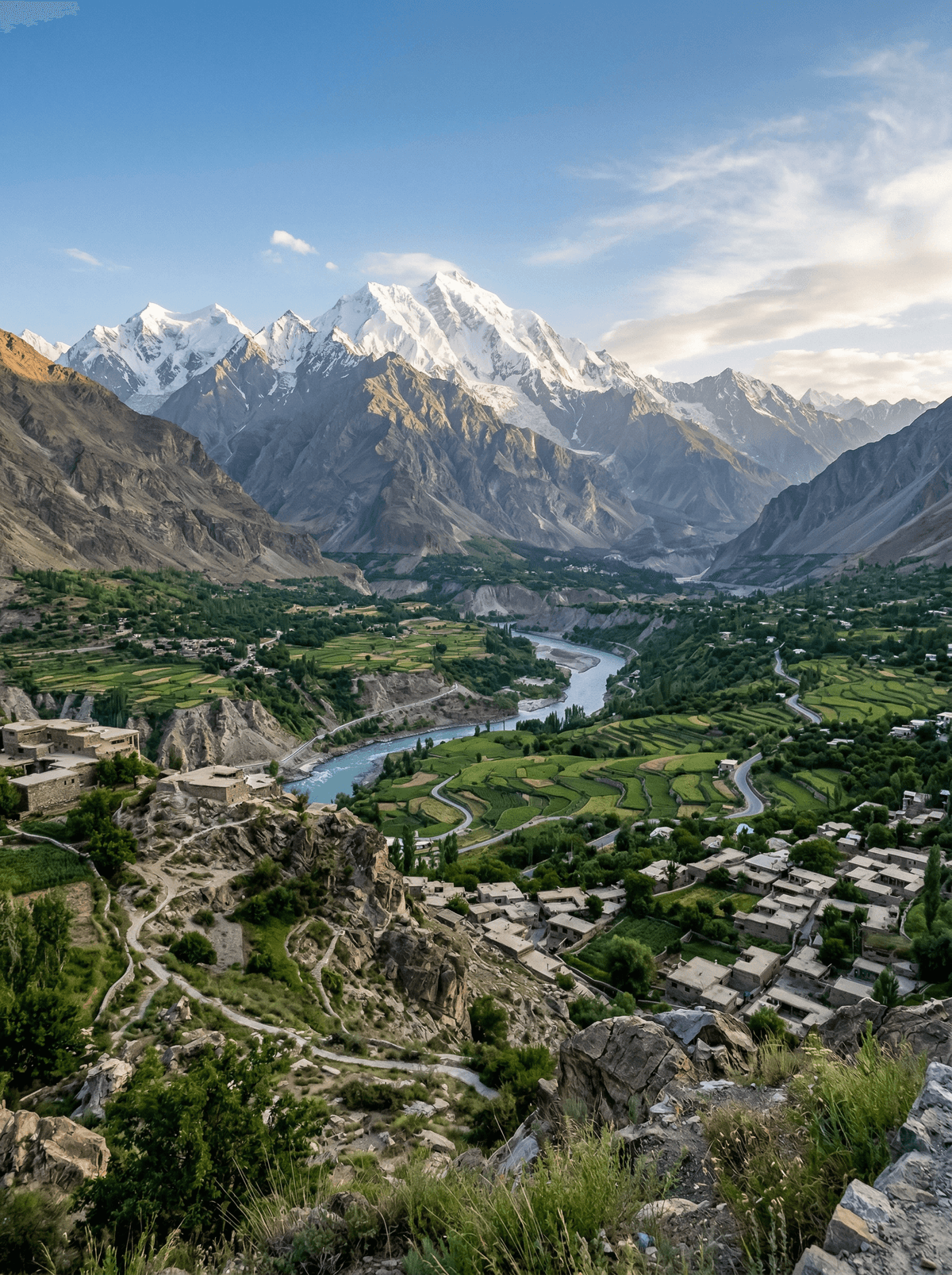
Apricot orchards cascade down centuries-old terraces beneath the ice pyramids of Rakaposhi and Ultar.
The air in Hunza Valley smells of apricot blossom and wood smoke. Terraced orchards climb the hillsides in ordered rows, each stone wall hand-built over centuries, while above them the snow-draped ridges of the Karakoram close every horizon — Rakaposhi to the south, Ultar Sar's serrated teeth directly overhead.
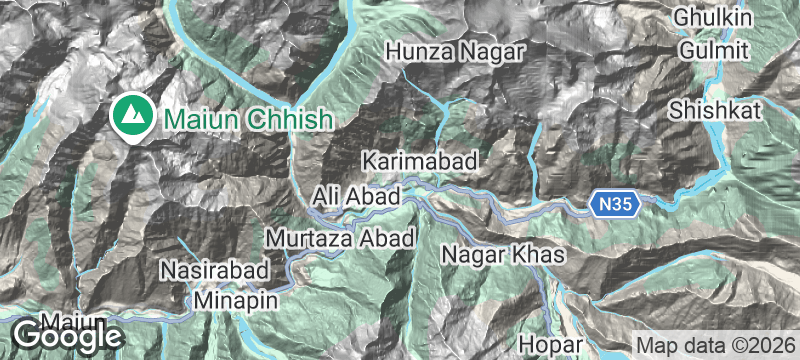
Hunza Valley in Pakistan's Gilgit-Baltistan is the Karakoram's cultivated heart. The ancient Baltit Fort, a 700-year-old timber-and-stone stronghold above Karimabad, looks from Rakaposhi's 7,788-metre summit to the serrated teeth of Ultar Sar. Irrigation channels cut centuries ago still feed the apricot and walnut orchards that define the valley's economy and cuisine, and every spring the terraces erupt in white and pink blossom for a two-week window that draws photographers from across Asia. The Karakoram Highway threads the valley floor towards China; the sensible way in from the south is the short flight to Gilgit, with the mountain road doing the final stretch.
Solo
Family-run guesthouses welcome solo travellers with rooftop breakfasts and walking directions to glaciers, viewpoints, and village bazaars — a single valley holds weeks of quiet exploration.
Couple
Sunrise over Rakaposhi from a guesthouse terrace, apricot blossom walks in spring, and dinners of chapshuro and tumuro chai make Hunza one of Pakistan's most naturally romantic settings.
Family
The valley's gentle paths, welcoming culture, and accessible altitude let children roam in a way few Karakoram destinations allow — visiting children are treated as guests of honour.
Friends
A base for day walks to Borith Lake, Eagle's Nest viewpoint, and the Hopar Glacier — all returnable by evening, with guesthouse terraces for swapping stories after.
- Spring turns the terraced hillsides white and pink with apricot blossom — a two-week window.
- Stone-walled orchards are fed by irrigation channels cut centuries ago, and still running.
- Family-run guesthouses serve fresh walnut cake and curd on rooftop terraces overlooking 7,000-metre peaks.
- The easy way in is the short flight to Gilgit — the mountain road up-valley does the rest.
At Kha Basi Café beside Altit Fort, start with chapshuro, Hunza’s savoury meat-filled bread.
Order dawdo when the kitchen has it: hand-cut noodles and mutton suit a cool valley evening.
Usambara Mountains
Tanzania
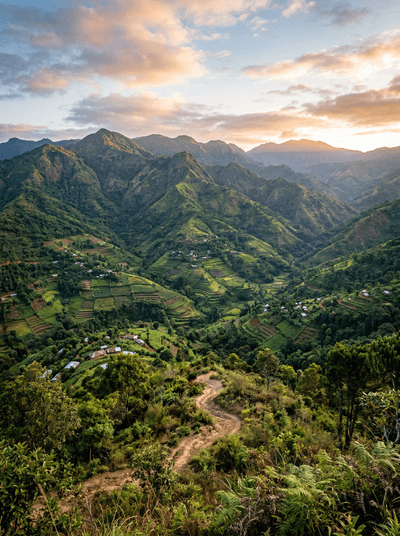
Cloud forest called the Galápagos of Africa gave the world the African violet.
El Valle de Antón
Panama
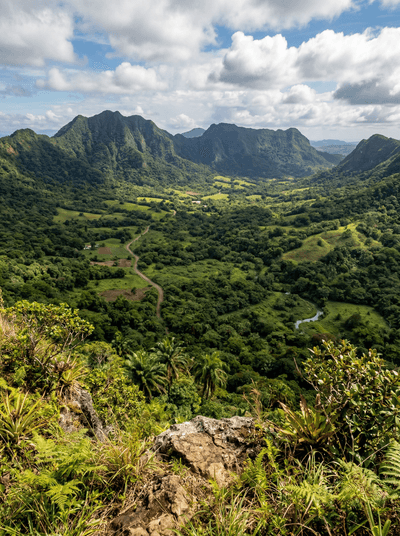
A whole town spreads across the floor of an extinct volcano's crater.
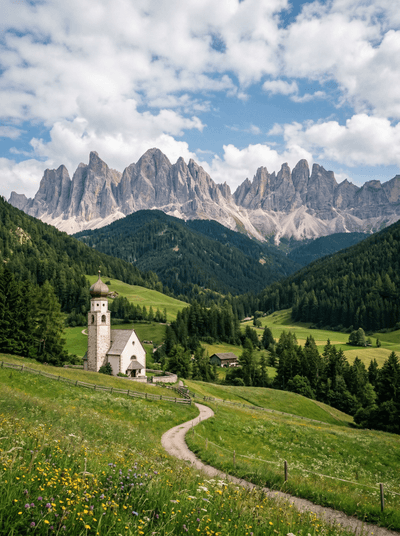
Val di Funes
Italy
Green valley floor rising to jagged Odle peaks, the view that defines the Dolomites.
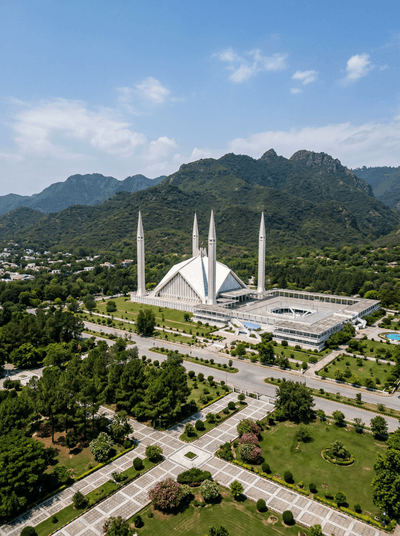
Islamabad
Pakistan
Wild leopards prowl forested hills behind a mosque shaped like a Bedouin tent in white marble.
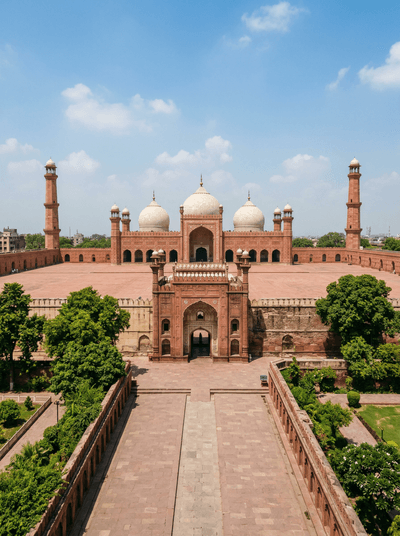
Lahore
Pakistan
A walled city where Mughal emperors' marble still glows at sunset and food stalls never sleep.
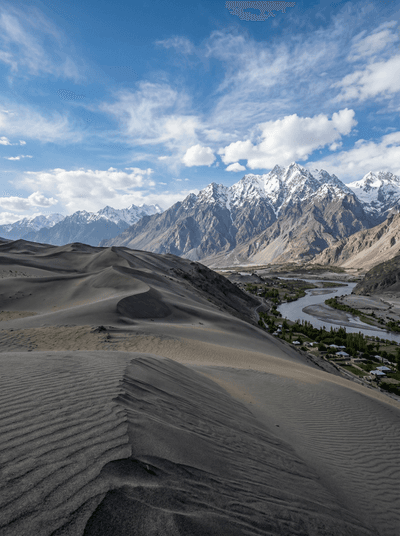
Katpana Desert
Pakistan
Cold sand dunes ripple beneath snow-capped seven-thousanders — a high-altitude desert that defies logic.