United States
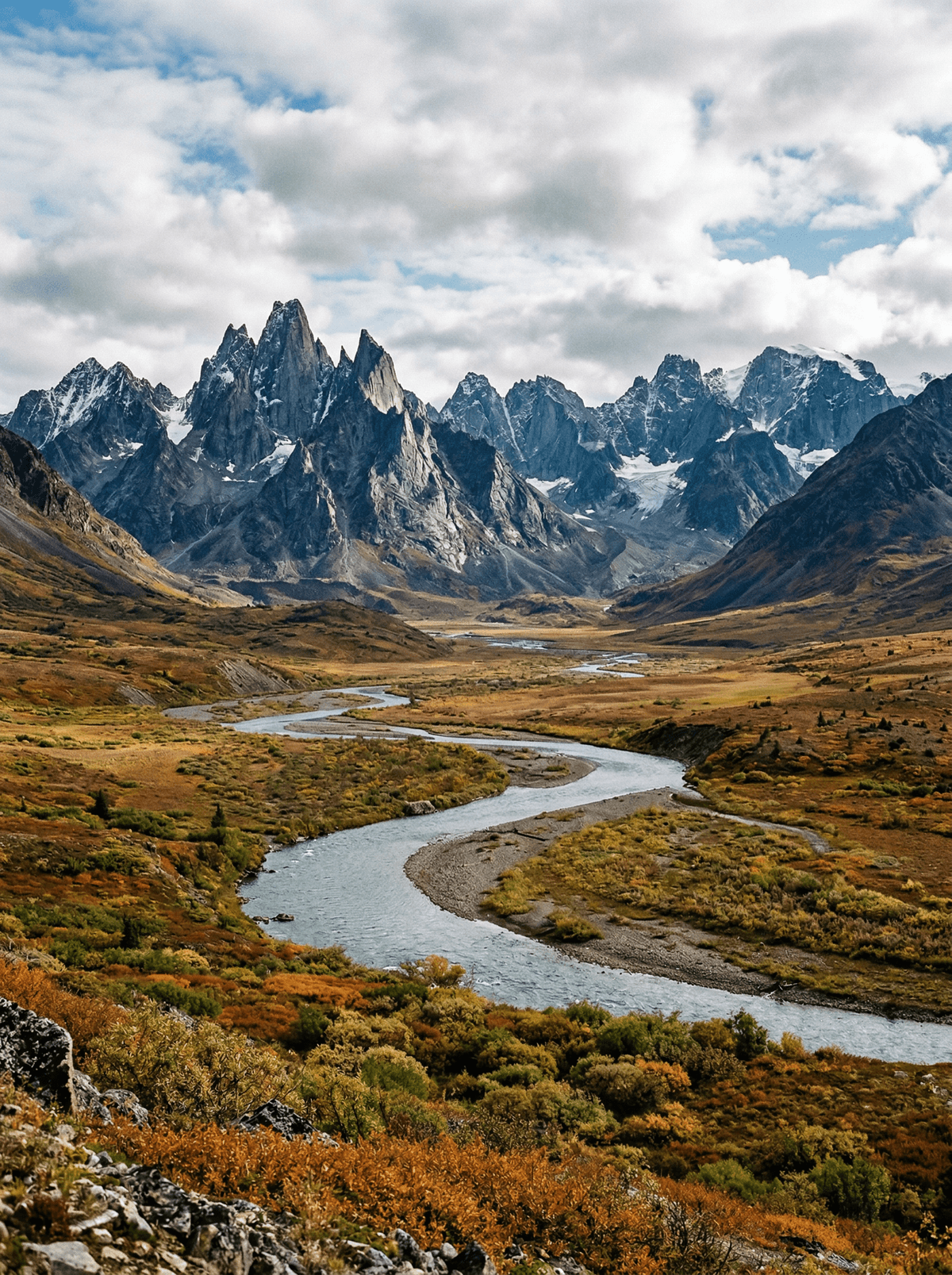
Gates of the Arctic
No trails, no roads, no facilities — Arctic wilderness and the sound of your own breathing.
The bush plane banks over the Brooks Range and drops you on a gravel bar beside a river with no name on any map you own. The pilot lifts off, the engine fades, and then there is nothing — no trail marker, no boardwalk, no fellow hiker, no signal. Just wind over tundra, the creak of your pack, and the understanding that the nearest road is a hundred miles south.
Gates of the Arctic National Park in Alaska is the most remote unit in the National Park system — no roads, no trails, no bridges, no visitor facilities of any kind exist within its 8.4 million acres. Access is exclusively by bush plane from Fairbanks or the village of Bettles, a flight of 45 to 90 minutes over roadless boreal forest and tundra. Every movement inside the park is cross-country travel requiring full river-crossing kit and wilderness self-sufficiency. The Brooks Range peaks here are folded rather than volcanic — geologically distinct from the Rockies and visible from ground level as angular ridgelines of exposed sedimentary layers. Fewer than 11,000 people visit annually. For context, Yellowstone receives that many in a single day.
Solo
This is the furthest you can get from another human being in the United States. For experienced wilderness travellers seeking true solitude — the kind where rescue is measured in days, not hours — Gates of the Arctic offers a level of self-reliance that no other national park demands.
Friends
A small, self-sufficient team of experienced backcountry travellers sharing the weight of bear canisters, river-crossing rope, and satellite communication gear can access terrain that would be dangerously impractical alone. The shared intensity of cross-country Arctic travel bonds a group in ways a marked trail never could.
- The park has no roads, no trails, no bridges, and no visitor facilities of any kind — every movement inside it is cross-country travel with full river-crossing kit.
- Access is exclusively by bush plane from Fairbanks or Bettles — a flight of 45 to 90 minutes over roadless boreal forest and tundra with no destination infrastructure on arrival.
- The park receives fewer than 11,000 visitors annually — the interior provides a level of true solitude that requires actively seeking it even in the most remote national parks.
- The Brooks Range peaks here are folded rather than volcanically formed — geologically distinct from the Rockies and visible from ground level as a wall of angular ridgelines.
Whatever you carry — there are no services of any kind in the entire park.
Freeze-dried meals and energy bars eaten beside a tundra stream no one has named.
Arctic grayling caught and grilled over a camp stove in the Brooks Range.
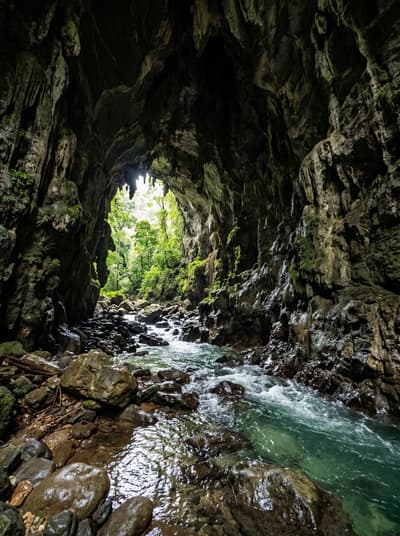
Millennium Cave
Vanuatu
Scramble through jungle and wade chest-deep rivers to a cave you enter walking and exit floating.
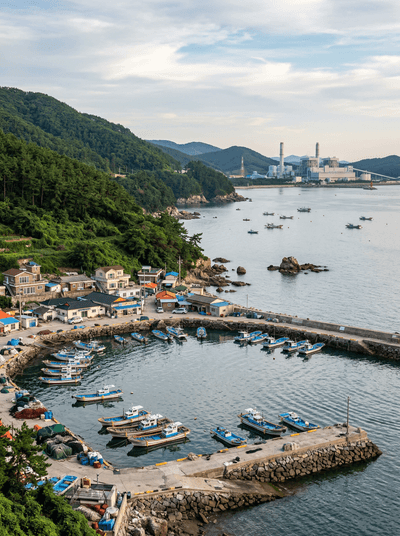
Maryang-ri
South Korea
A five-hundred-year-old forest of camellia trees bleeding red flowers against the grey winter sea.
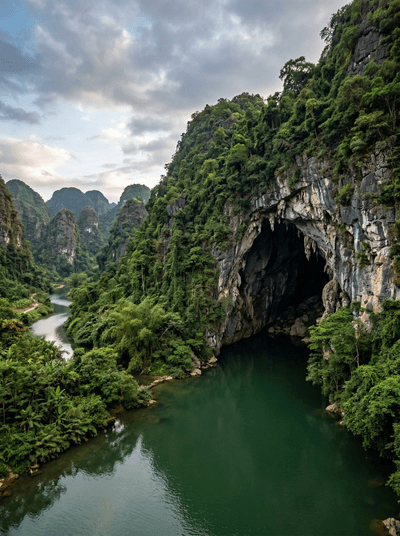
Phong Nha
Vietnam
Hidden jungle portals opening into subterranean river systems and limestone caverns.
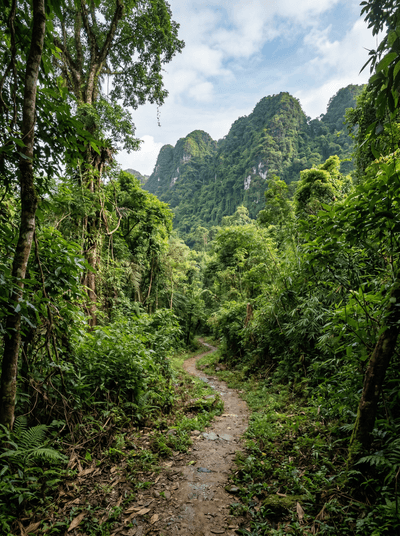
Cuc Phuong National Park
Vietnam
Millennium-old trees rising above a jungle floor swarming with millions of white butterflies each spring.
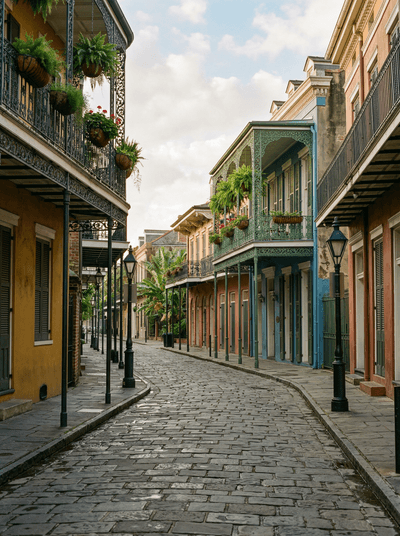
New Orleans
United States
Jazz spilling from doorways at 2 a.m. while beignet sugar dusts your collar.
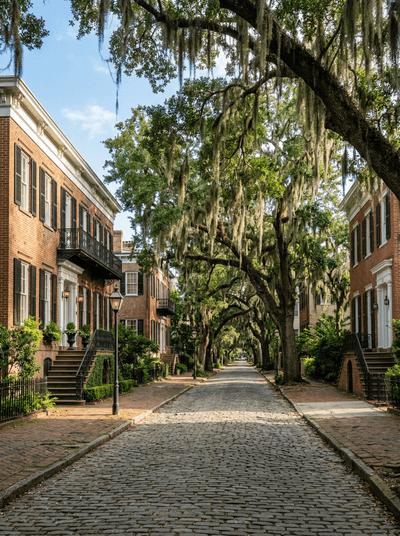
Savannah
United States
Spanish moss dripping into squares where horse hooves echo on cobblestones after dark.
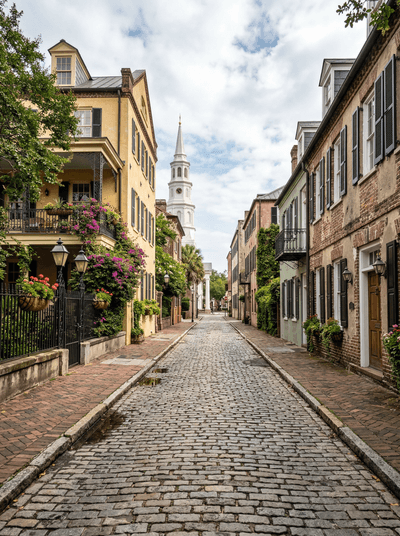
Charleston
United States
Sweetgrass baskets sold on street corners where the air smells of pluff mud and jasmine.
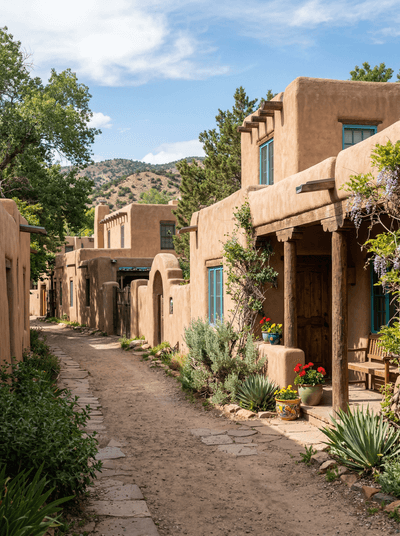
Santa Fe
United States
Adobe walls glow amber at sunset while piñon smoke drifts through the plaza.