France
Gouffre de Padirac
A 75-metre chasm opening into underground rivers navigated by flat-bottomed boat in torchlit silence.
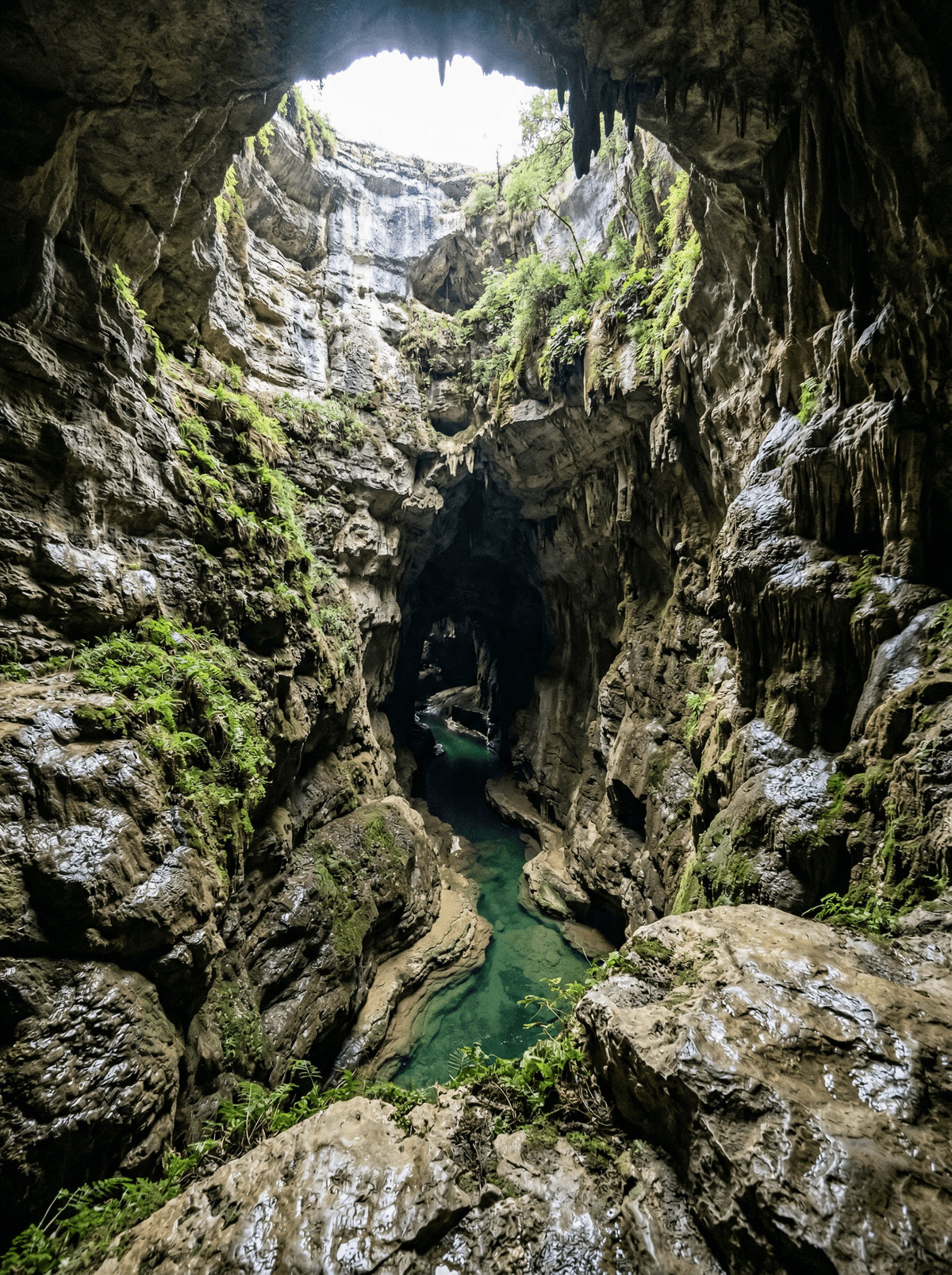
The chasm opens in the limestone causse like a puncture wound — 75 metres deep, 33 metres across, with ferns growing on the shaft walls and the underground river audible from the rim. The Gouffre de Padirac in France drops you by lift or staircase into a subterranean world of river, cavern, and stalactite, navigated by flat-bottomed boat in a silence that belongs underground.
The Gouffre de Padirac is a limestone chasm and underground river system in the Lot département, discovered in 1889 by Édouard-Alfred Martel, the father of modern speleology. The entrance shaft drops 75 metres to a subterranean gallery where the Padirac river flows through caverns decorated with stalactites, stalagmites, and flowstone formations. The Grande Pendeloque — a stalactite measuring 60 metres in length — hangs over the Lac de la Pluie (Rain Lake), one of the largest underground calcite formations in Europe. Visitors descend by lift or staircase and navigate approximately 500 metres of the river by flat-bottomed boat before continuing on foot through the Salle du Grand Dôme, a cavern 94 metres high. The underground temperature is a constant 13°C. Padirac receives approximately 500,000 visitors annually, making it one of the most visited underground sites in France.
Couple
The boat ride through the underground river in near-silence — the boatman's pole the only sound, the stalactites overhead, the water impossibly clear — is an experience that the surface world can't replicate. The Grande Pendeloque alone justifies the descent.
Family
Children respond to the underground world with genuine wonder — the chasm, the boat ride, the enormous cavern. The constant 13°C provides cool relief in summer, and the Grande Pendeloque stalactite gives them a formation they'll remember.
Friends
The descent, the boat, the caverns — Padirac works as a shared experience because the scale is genuinely impressive and the underground river adds an element of exploration that photographs don't capture.
- A 75-metre chasm opens in the causse — the descent by lift or staircase drops you into underground river systems.
- Flat-bottomed boats navigate the subterranean river through caverns with stalactites hanging metres above your head.
- The Grande Pendeloque — a 60-metre-long stalactite — hangs over the underground lake like a frozen waterfall.
- The constant 13°C temperature underground provides relief from summer heat — and adds a caving chill to the boat ride.
Rocamadour cheese — warm goat's discs on walnut bread from the producers five minutes away.
Cahors wine — the 'black wine' so dark medieval English called it ink.
Gaua
Vanuatu
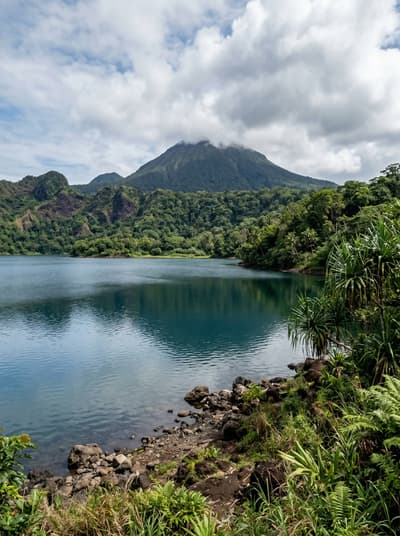
A volcanic lake drains into the ocean via a waterfall that plunges through untouched jungle.
Quebrada de Humahuaca
Argentina
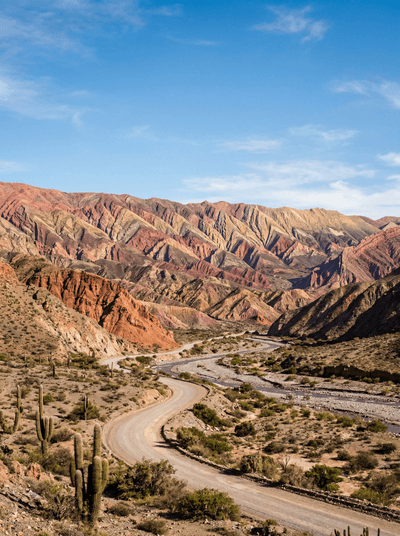
A canyon of fourteen-colour hills where Inca trails thread through villages older than the conquest.
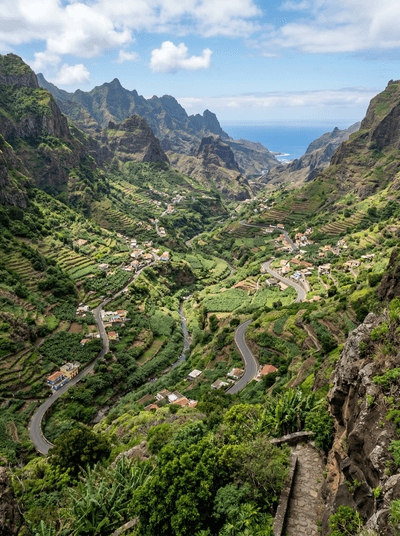
Vale do Paúl
Cape Verde
Sugarcane terraces spill down a volcanic crater into the greenest valley in the archipelago.
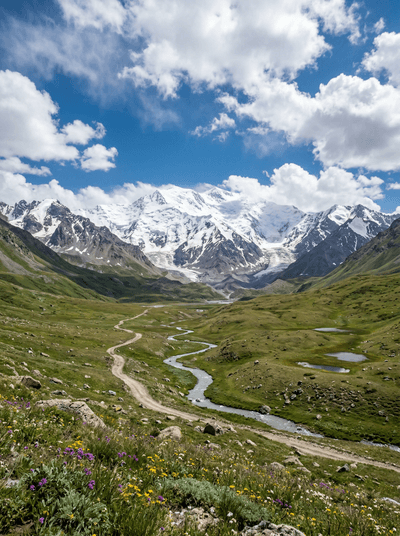
Achik-Tash
Kyrgyzstan
Yurt camps at 3,600 metres beneath a 7,134-metre peak, alpinists and trekkers sharing vodka at sunset.
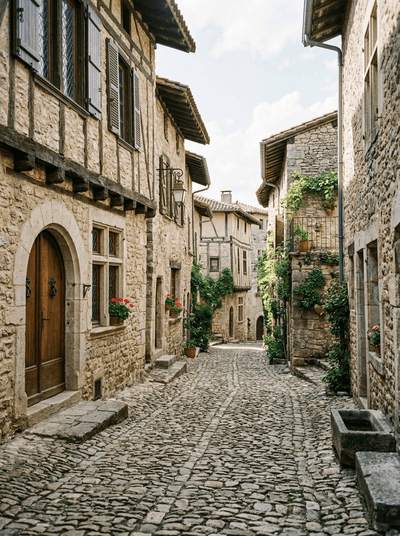
Pérouges
France
Cobblestones polished to glass in a walled hilltop village where the 15th century never left.

Mont-Saint-Michel
France
A granite abbey rising from quicksand flats where the tide races in faster than horses.
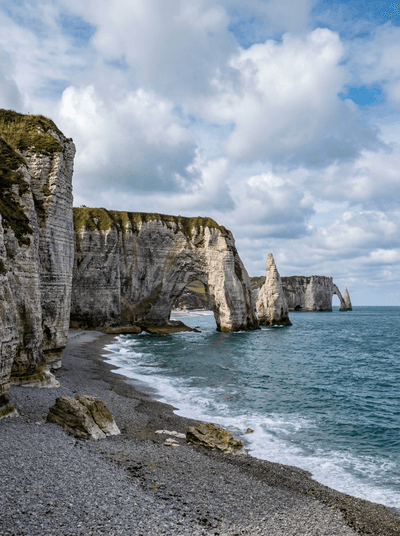
Étretat
France
Chalk arches punched through sea cliffs like cathedral windows opening onto the Channel.
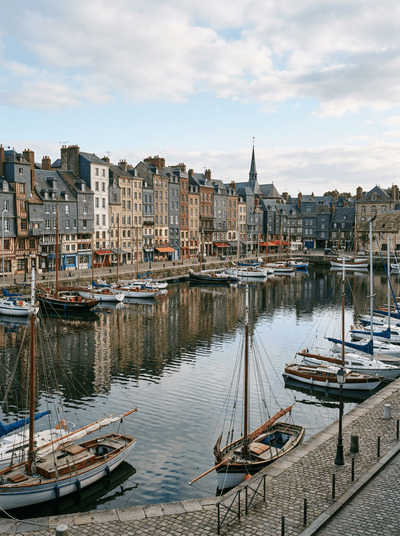
Honfleur
France
Slate-fronted houses mirrored in a harbour that taught the Impressionists how light works.