Portugal
Graciosa
Inside an Azorean island, a cathedral-sized volcanic grotto drops to a sulphur-hazed underground lake.
The staircase descends into the earth. Daylight shrinks to a disc above as the Furna do Enxofre opens into a cavern the size of a cathedral, its vaulted ceiling lost in darkness. At the bottom, a sulphur-hazed lake glows faintly beneath a volcanic dome that has held its shape for millennia.
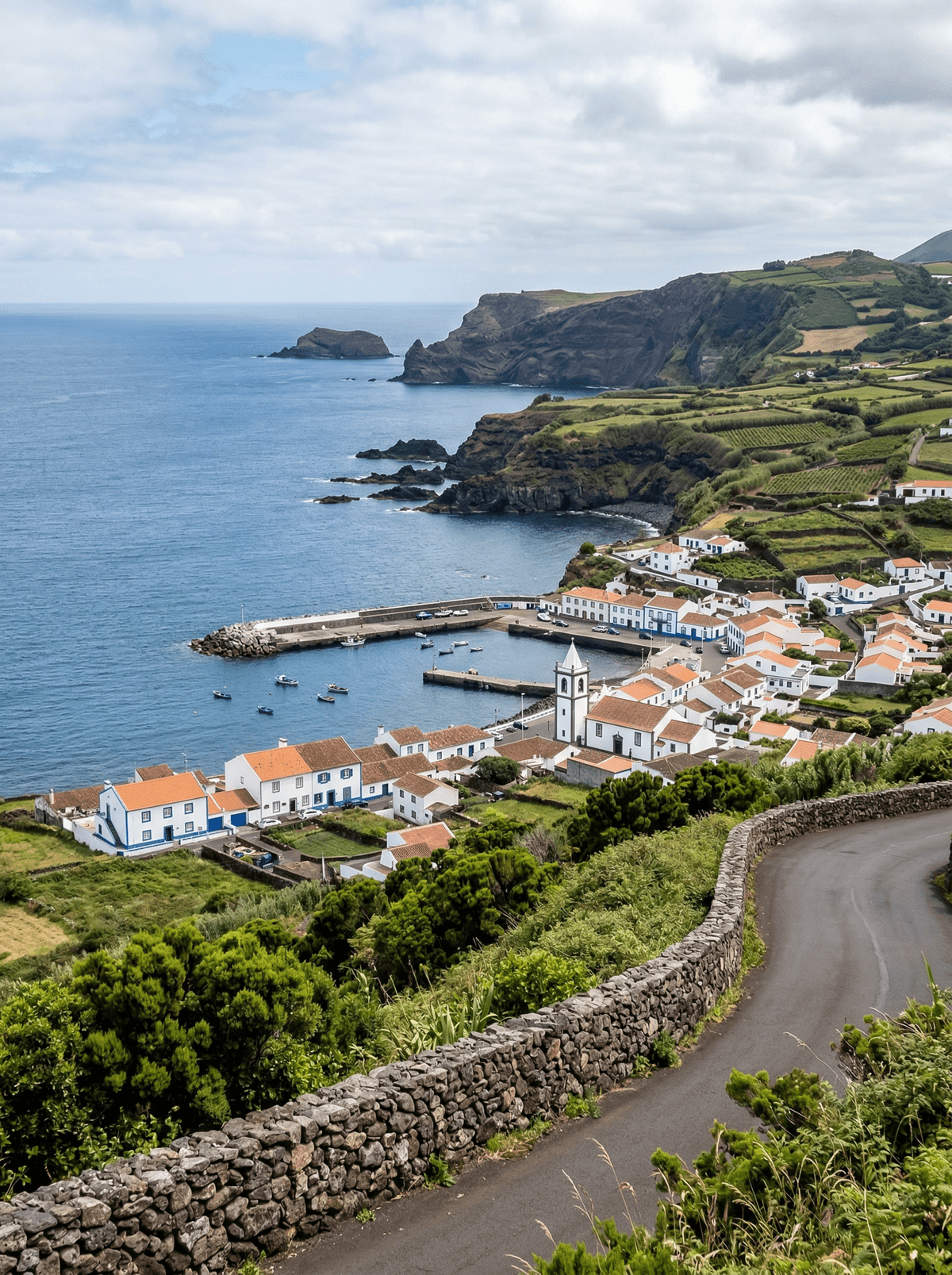
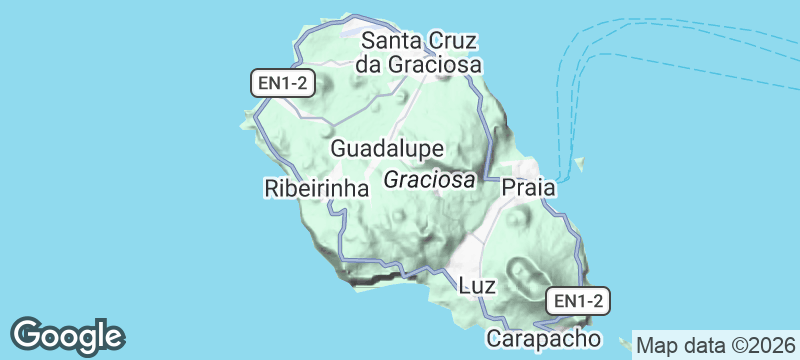
Graciosa is the second-smallest island in the Azores and a UNESCO Biosphere Reserve, its gentle topography — the name means 'graceful' — contrasting with the volcanic drama concealed beneath the surface. The Furna do Enxofre is a lava dome cavern roughly 40 metres high and 60 metres wide, reached by a 183-step spiral staircase or, on rare open days, through a narrow tunnel originally used by 19th-century naturalists. The underground lake contains dissolved sulphur dioxide, and gas levels are monitored to ensure visitor safety. Above ground, Graciosa's landscape is notably flat and agricultural compared to the dramatic relief of neighbouring islands, with windmills dotting the hillsides and thermal springs at Carapacho offering warm bathing pools overlooking the Atlantic. Santa Cruz da Graciosa, the island's main settlement, preserves a quiet Azorean townscape of churches, town squares, and family-run restaurants where the owner greets regulars by name.
Solo
Graciosa is small enough to walk its perimeter in a day and intimate enough to be recognised in the village by your second visit. The underground cavern rewards those who arrive without a crowd — morning visits offer near-solitude.
Couple
The thermal pools at Carapacho, the volcanic grotto descent, and unhurried village evenings give Graciosa a gentle rhythm suited to two people with nowhere else to be. The island asks nothing of you except to slow down.
- The Furna do Enxofre is a lava tube with a partially collapsed ceiling — the interior holds an underground lake 30 metres below ground level, reached by a spiral staircase carved into the rock.
- Graciosa is classified as a Biosphere Reserve — the patchwork of vineyards, orchards, and stone walls is among the most intact traditional Azorean landscapes.
- The island's 20 remaining windmills, used to grind grain into the 20th century, are among the last functioning examples of Azorean windmill architecture.
- Graciosa produces the Azores' most distinctive aguardente, distilled from molasses and aged in oak barrels on the island.
Queijadas da Graciosa — local pastries filled with the island's own cheese.
Grilled fish and lapas at a village restaurant where the owner knows every diner by name.
Hideaway Island
Vanuatu
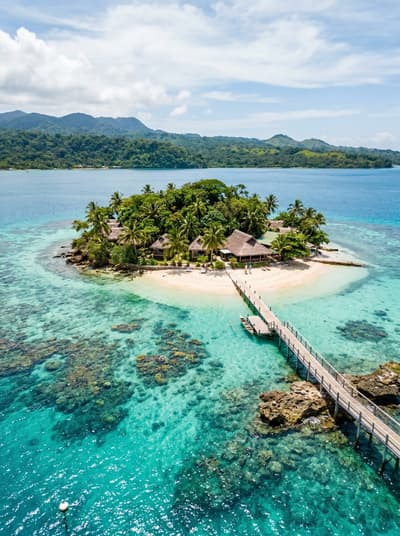
Post a waterproof postcard from the world's only underwater post office, then snorkel its coral reef.
Ureparapara
Vanuatu
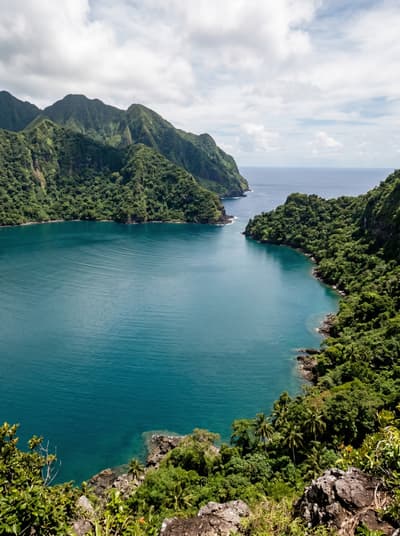
Sail into the flooded crater of a horseshoe-shaped volcanic island where fewer than 500 people remain.
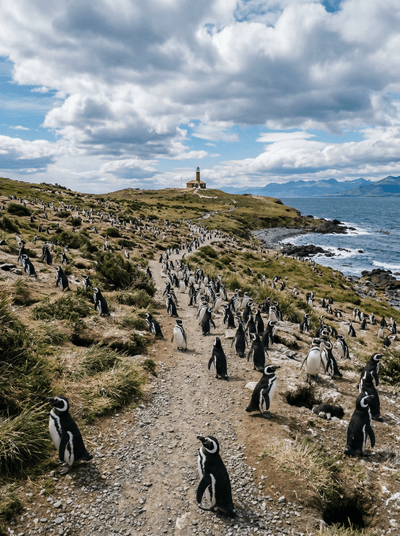
Isla Magdalena
Chile
Magellanic penguins in their tens of thousands, nesting so close you walk through their colony.
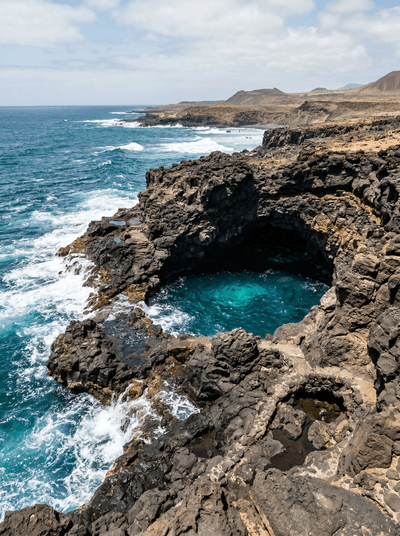
Buracona
Cape Verde
At midday, sunlight plunges through volcanic rock and ignites an underwater cave into electric blue.
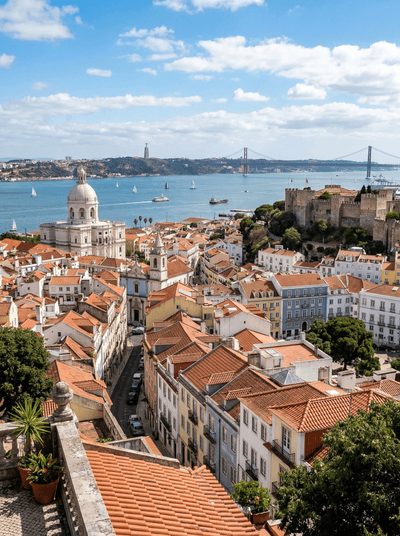
Lisbon
Portugal
Seven hills of crumbling azulejo facades where fado drifts from open doorways at dusk.
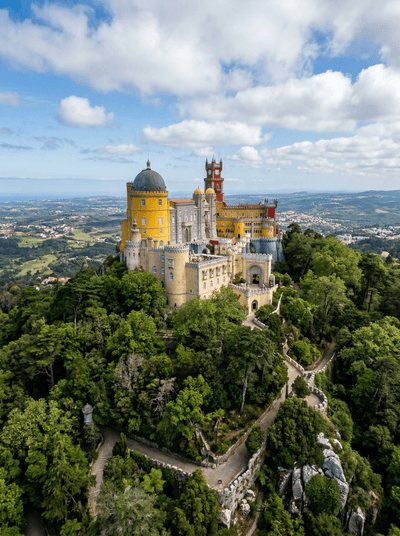
Sintra
Portugal
Moss-cloaked palaces vanish into mountain fog, each winding path revealing towers you weren't told about.
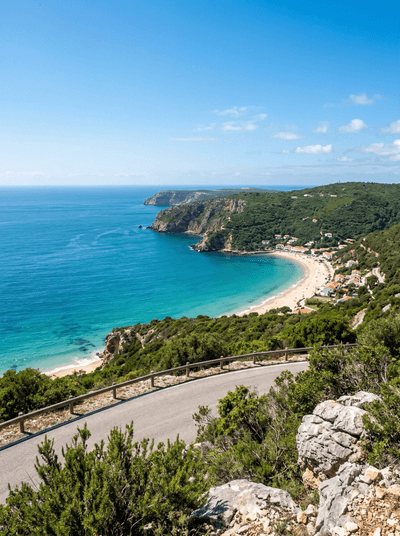
Arrábida
Portugal
Turquoise coves locked between limestone cliffs and ancient monastery forest above the sea.
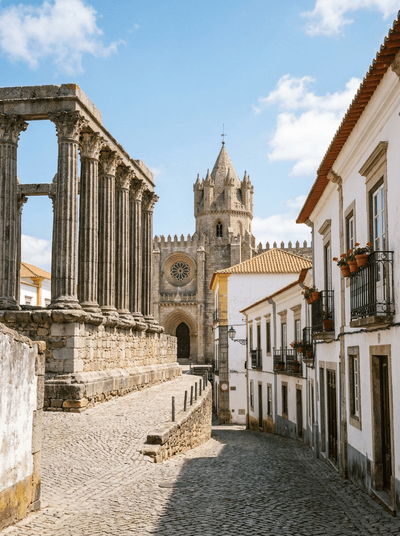
Évora
Portugal
Monks' skulls and femurs line a chapel ceiling beneath a Roman temple still intact.