Turkey
Hattuşa
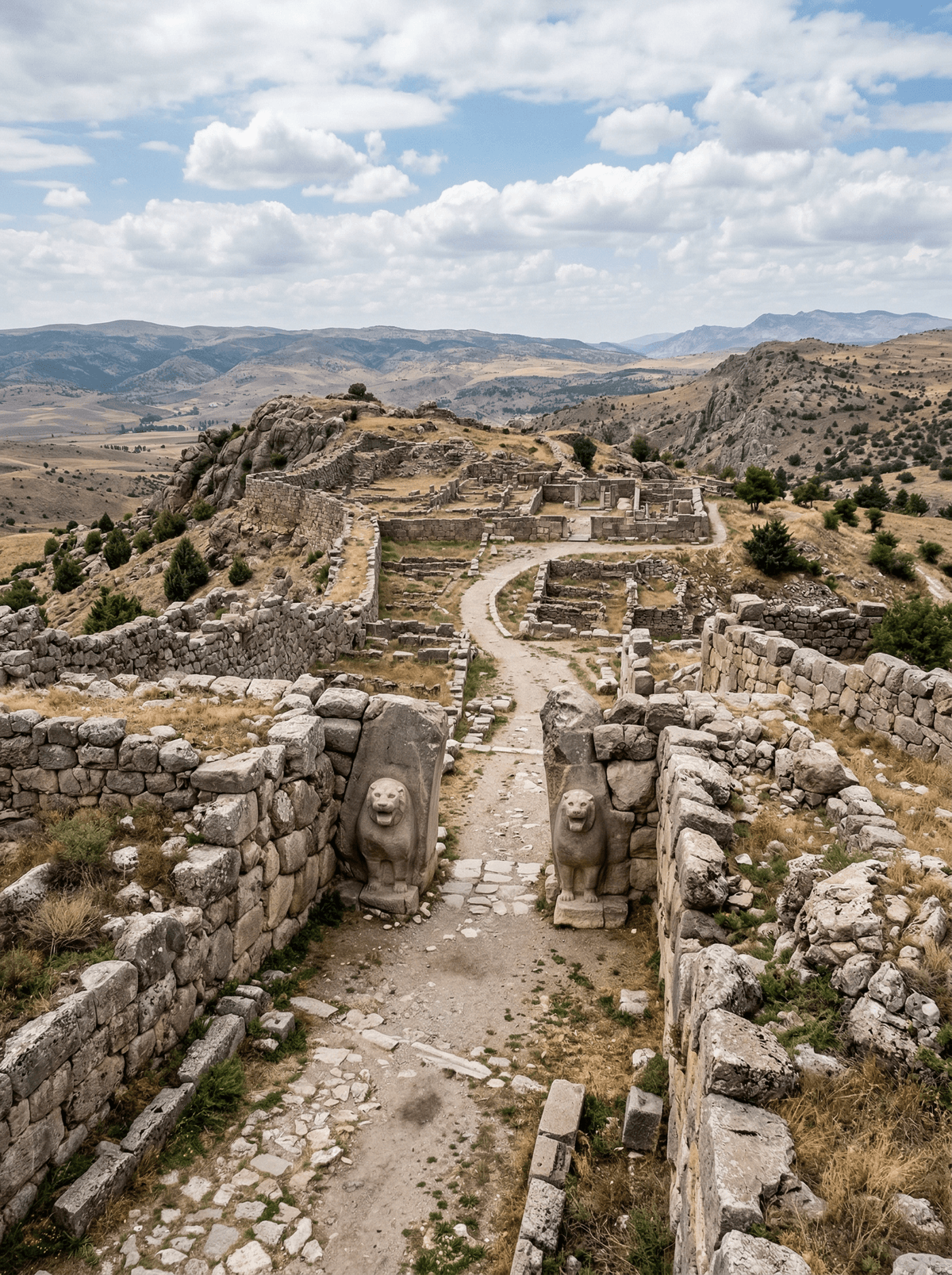
Crumbling walls and lion gates of a 3,300-year-old Hittite capital sprawling across a windswept plateau.
Wind rakes across the Anatolian plateau and funnels through the Lion Gate, its carved guardians still baring their teeth after thirty-three centuries. Foundations of temples, grain stores and palace corridors sprawl along a treeless ridgeline where the sky feels close enough to press against. This was the capital of an empire that rivalled Egypt, and most travellers have never heard of it.
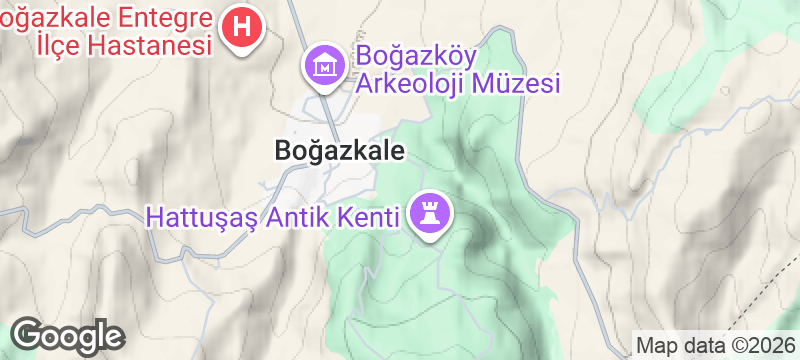
Hattuşa is the UNESCO-listed capital of the Hittite Empire, which ruled much of Anatolia and northern Mesopotamia from roughly 1600 to 1178 BCE. The site at Boğazkale in Çorum province spreads across kilometres of open ground, taking in the Great Temple, the Lion and Sphinx Gates, and the Yerkapı tunnel, a 70-metre stone-lined passage beneath the ramparts. Excavations since 1906 have recovered thousands of cuneiform tablets, among them the Treaty of Kadesh with Ramesses II, the earliest surviving international peace treaty. Two kilometres away, the rock sanctuary of Yazılıkaya carries more than 90 Hittite gods in carved procession, and unlike the coastal ruins, the scale and silence here belong almost entirely to you.
Solo
Hattuşa rewards the self-directed explorer. No guided groups, no queues, just you, the wind, and a civilisation most people discover only in museum footnotes.
Couple
The isolation and scale create a private-world feeling. Walk the ramparts in the golden hour as the plateau light turns the stone amber and the only sound is grass.
Family
Children old enough to enjoy scrambling through an ancient tunnel and spotting carved lions will find Hattuşa more tactile and adventurous than fenced-off coastal ruins.
- The Hittite capital covered 180 hectares, with the Lion Gate, Sphinx Gate and a tunnel running beneath the city walls.
- The cuneiform archive found here included the Treaty of Kadesh of 1259 BC, the earliest surviving international peace treaty.
- A circuit road connects the gates and temples, so the site explores independently in half a day by car.
- The rock sanctuary of Yazılıkaya, two kilometres away, is carved with more than 90 Hittite gods in procession.
Çorum leblebi, roasted chickpeas sold by the scoop, the crunchy snack of central Anatolia.
İskilip dolması, rice and meat steamed together for hours in the Çorum manner.
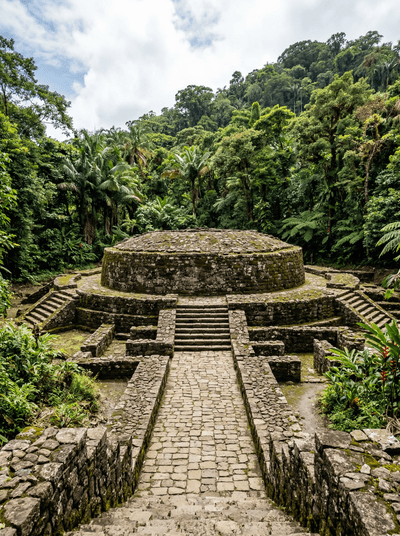
Guayabo National Monument
Costa Rica
Pre-Columbian aqueducts still carrying water through a city the jungle tried to swallow.
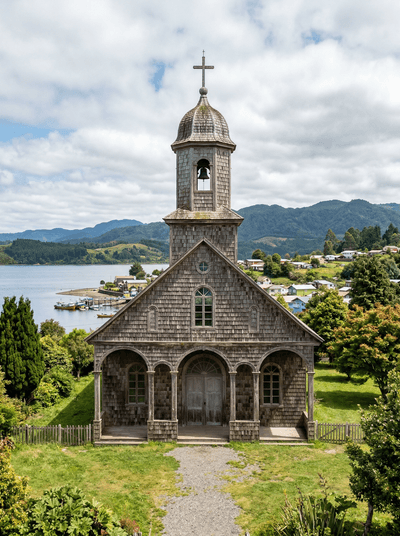
Chiloé's Wooden Churches (UNESCO Circuit)
Chile
Sixteen timber churches turn Chiloé's islands into a road-and-ferry pilgrimage.
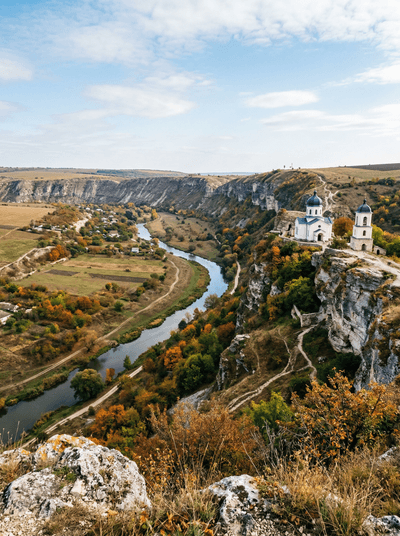
Orheiul Vechi
Moldova
Candles burn in a cliff-dug monastery cell; a Golden Horde city lies buried around the bend.
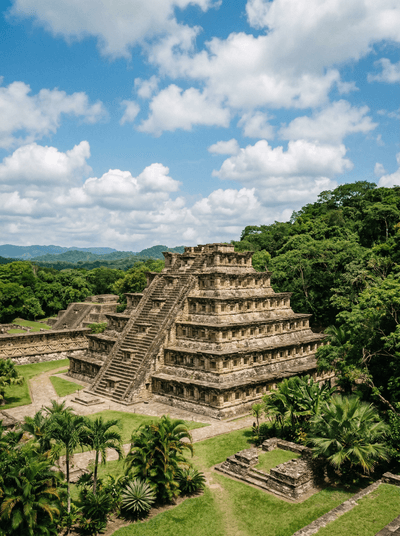
El Tajín
Mexico
Niches, ball courts and carved reliefs spread across an ancient Gulf Coast capital.
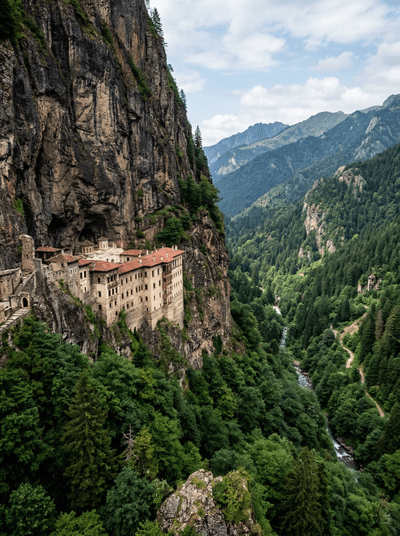
Sumela Monastery
Turkey
A monastery clinging to a cliff 300 metres above a misty Black Sea valley.
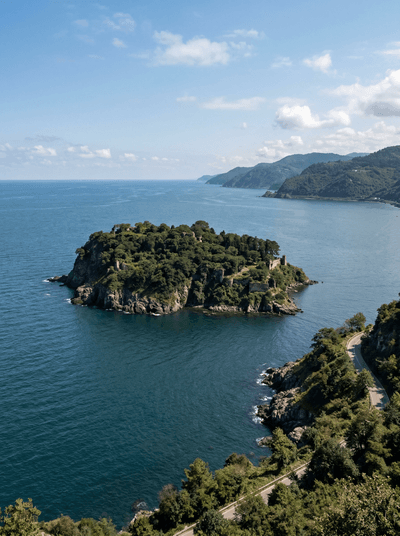
Giresun Island
Turkey
The eastern Black Sea's only island, its Hellenistic temple foundations sleeping beneath hazelnut trees.
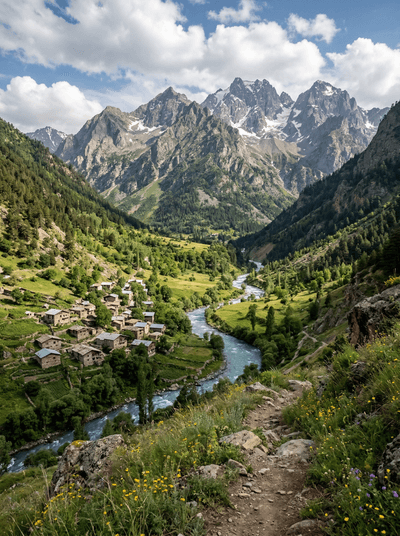
Barhal Valley
Turkey
10th-century Georgian churches stand forgotten in steep valleys where the road ends and peaks begin.
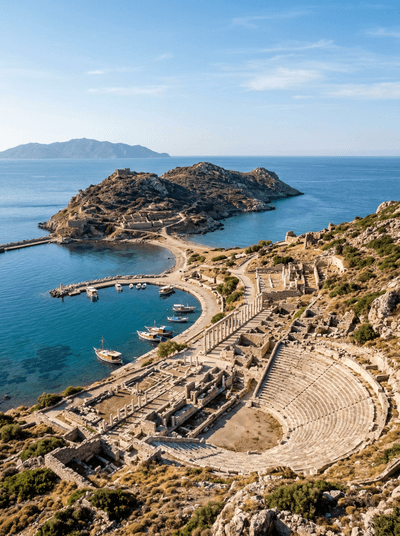
Knidos
Turkey
Two harbours face two different seas at a windswept cape where the Aegean meets the Mediterranean.